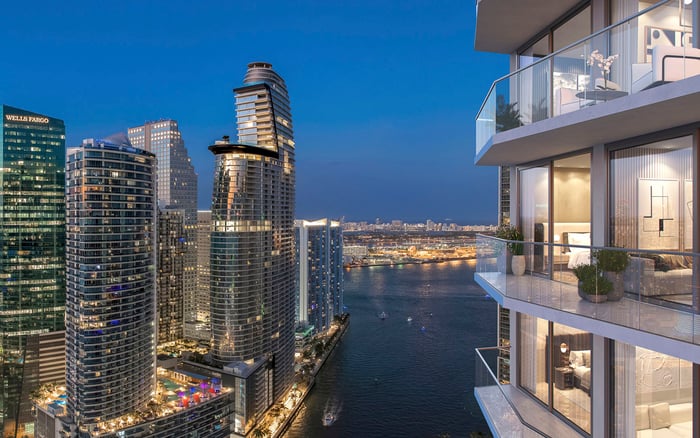
A branded residence can feel enduring or exhausting depending on how deeply the brand shapes operations, design discipline, and long-term updates. For South Florida buyers, the most reliable signals are restrained architecture, flexible amenities, natural materials, subtle branding in common areas, and a refresh plan that anticipates evolution rather than novelty.
A branded residence is never judged only once. It is judged at launch, when the first owners move in, as common areas absorb years of real use, and again when a future buyer asks whether the original concept still feels relevant. That is why the central question is not whether a building looks impressive on opening day. It is whether the project can still feel composed, residential, and current a decade later.
In South Florida, that test is especially unforgiving. Seasonal glamour can sell quickly, but buyers who intend to hold property in Miami Beach, Brickell, Palm-beach, or Sunny Isles often find that theatrical design loses its appeal faster than calm, well-proportioned spaces. A residence designed for year-round living tends to age better than one that feels staged around a fixed hospitality fantasy.
The strongest branded buildings usually combine two qualities that are easy to confuse but very different in practice: a brand with enduring standards and a design language that does not require constant explanation. If the project feels compelling only when a sales team is narrating the concept, that is already a warning sign.
The first question a buyer should ask is simple: is the brand actually involved, or merely attached? Branded residences tend to preserve value more effectively when the brand remains active in operations, service standards, and design oversight rather than functioning as a decorative licensing partner. Ongoing control matters because it helps prevent aesthetic drift, uneven service, and ad hoc decisions in common areas.
That distinction also helps separate established hospitality names from trend-led lifestyle labels. Brands with a classic, iterative design language generally present less obsolescence risk than brands whose visual identity shifts quickly with fashion cycles. A residence should not need a total personality transplant every few years just to remain desirable.
That is why buyers often view projects more favorably when the brand promise is tied to durable service culture rather than spectacle. In Brickell, for example, a project such as St. Regis® Residences Brickell suggests a model where long-term standards matter as much as launch imagery. The key is not the label itself, but whether the label implies continuing stewardship.
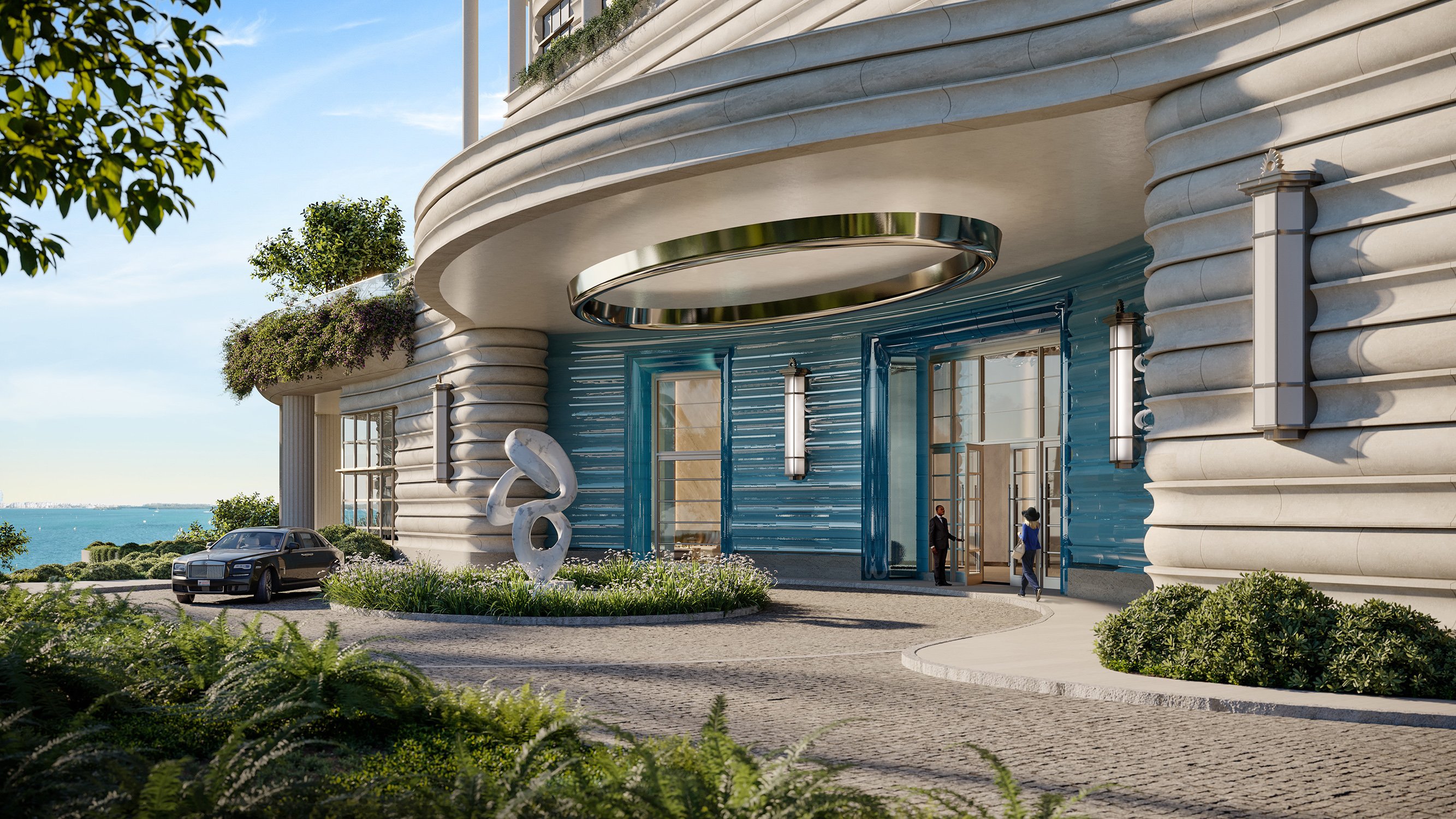
If you want to know whether a branded residence will age gracefully, study the arrival experience. The lobby, corridors, lounges, and shared spaces usually reveal more than the residences themselves because branding density is highest there. A timeless project tends to feel calm on entry. Materials lead. Proportion leads. Lighting leads. The brand is present, but discreet.
An over-themed project often announces itself too loudly. Excessive signage, named themed rooms, scripted storytelling in wayfinding, and obvious brand-color applications can make a property feel like an immersive set rather than a home. That may feel memorable at first, but repetition is the enemy of novelty.
Subtlety is usually the stronger long-term luxury signal. Buildings in Miami Beach and Surfside that remain admired over time often rely on restraint rather than visual noise. A residence such as The Surf Club Four Seasons Surfside reflects the kind of quiet common-area discipline that tends to outlast trend-driven staging. Similarly, The Ritz-Carlton Residences® Miami Beach represents the type of project where buyers should evaluate whether the shared spaces feel residential first and branded second.
A useful rule for any luxury buyer is that architecture generally ages better than styling. Trend-driven interiors can date quickly, while strong layouts, ceiling heights, natural light, and coherent circulation continue to read well long after a particular palette falls out of favor. Projects with a clearly identified architect or designer and a coherent design philosophy are often safer bets than generic buildings with brand treatment layered on late.
Materiality matters just as much. Stone, wood, linen, leather, and other natural finishes tend to mature gracefully because they develop patina rather than visual fatigue. By contrast, aggressive graphics, highly stylized gloss finishes, and over-applied brand signatures can begin to feel tied to a particular launch moment.
This is one reason sophisticated buyers in Coconut-grove, Palm-beach, and Bal-harbour often gravitate toward projects where place is interpreted subtly rather than theatrically. Local references can be beautiful, but clichéd coastal cues or exaggerated resort motifs usually age faster than a more distilled response to climate, light, and landscape.
Amenities are often marketed as proof of modern luxury, but the smarter question is whether they can evolve. Multipurpose lounges, adaptable wellness space, and event areas that can be reprogrammed are more durable than rigid, theme-specific concepts. If a room only makes sense within the original branding story, it may feel stale once that story loses momentum.
This matters in South Florida because resident expectations shift. Wellness trends change. Dining preferences change. Social habits change. A residence with service programming that can evolve independently from the original hotel concept has a real advantage, since restaurants, spa offerings, and wellness experiences can be refreshed without forcing a total design reset.
In that sense, buyers comparing projects in Bay-harbor or West-palm-beach should ask not only what amenities are promised, but how adaptable they are likely to be. A wellness-led project such as The Well Bay Harbor Islands is most compelling when the concept is broad enough to evolve with resident habits rather than remain trapped in a single-era interpretation. In West-palm-beach, a hospitality-linked project like Mr. C Residences West Palm Beach can be assessed through the same lens: can the services adapt gracefully over time?
One of the most practical signs of longevity is a clear refresh plan for common areas every seven to ten years. That suggests the developer and brand understand that even disciplined luxury requires measured updates. Without that cadence, a project risks becoming visually frozen as wear accumulates.
Ownership structure also deserves scrutiny. Fractional or hotel-like formats can feel more over-themed over time because they rely on maintaining a tightly controlled hospitality image across many users. That does not automatically diminish quality, but it can make a property feel less grounded as a true residence.
By contrast, stable owner occupancy and resident retention can indicate that a building remains genuinely livable beyond the launch cycle. A home that owners choose to keep usually has qualities that are harder to photograph but more important over time: comfort, discretion, intuitive service, and spaces that support daily life rather than perform for marketing.
Ultimately, secondary-market performance is one of the clearest real-world tests of whether a branded residence has aged well. Projects with restrained theming, strong brands, and consistent stewardship tend to preserve more of their initial premium than properties whose identity was built around novelty. Buyers should also pay attention to marketing language in resales. When a residence is still described in architectural and residential terms rather than pure lifestyle theater, that is usually a positive sign.
The most enduring branded residences rarely feel as though they are trying very hard. They feel settled. They feel edited. They feel comfortable carrying prestige without performing it. In a market as visually competitive as South Florida, that restraint can be the difference between a property that matures into a classic and one that remains trapped in its launch campaign.
What is the clearest sign that a branded residence will age well? A strong combination of active brand oversight, restrained design, and adaptable amenities is usually the best indicator.
Why do lobbies matter so much in this evaluation? Common areas show branding most visibly, so they reveal whether the concept feels timeless or overly scripted.
Do famous brands always age better than lesser-known ones? Not always, but globally established luxury hospitality brands generally offer stronger resale resilience and operational consistency.
What design elements date the fastest? Heavy motifs, aggressive brand colors, and era-specific styling typically fade faster than strong architecture and natural materials.
Are natural materials really that important? Yes. Stone, wood, linen, and leather usually wear more gracefully and feel less tied to a passing trend cycle.
How can buyers judge amenity durability? Look for spaces that can be reprogrammed over time instead of highly themed rooms with a narrow original purpose.
Is a strong wellness concept a good long-term sign? It can be, provided the programming is flexible enough to evolve without requiring a full aesthetic overhaul.
Do hotel-like ownership models create more risk of over-theming? They can, because they often depend on maintaining a tightly controlled hospitality identity across many users.
What role does resident retention play? Stable owner occupancy can suggest the property feels truly livable rather than designed mainly for short-term novelty.
How should a buyer conclude the analysis? Use the resale market as a final test and favor residences that still read as calm, residential, and well-managed over time.
To compare the best-fit options with clarity, connect with MILLION.
If branded residences are on your mind — as a home or as an allocation — we would be glad to share what we are seeing, privately.
Begin a quiet conversation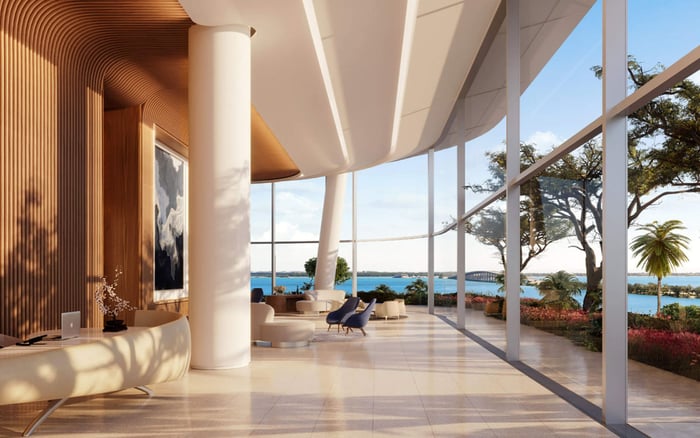
.jpg&width=700&height=438&fit=cover)