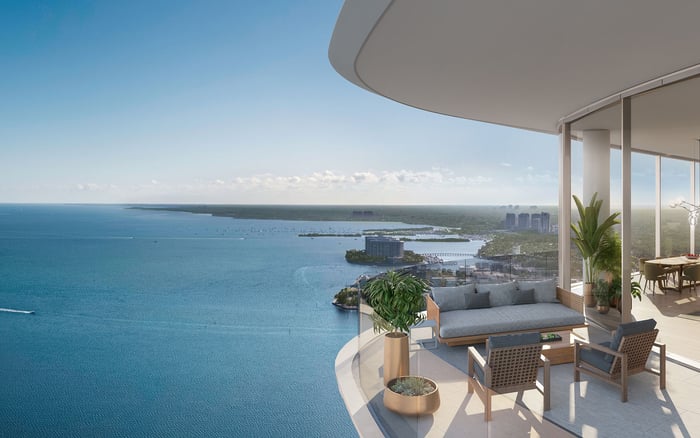
A discreet buyer’s guide to evaluating mechanical-room proximity across South Florida’s oceanfront, bayfront, and urban luxury residences before committing to a view, floor, or stack.
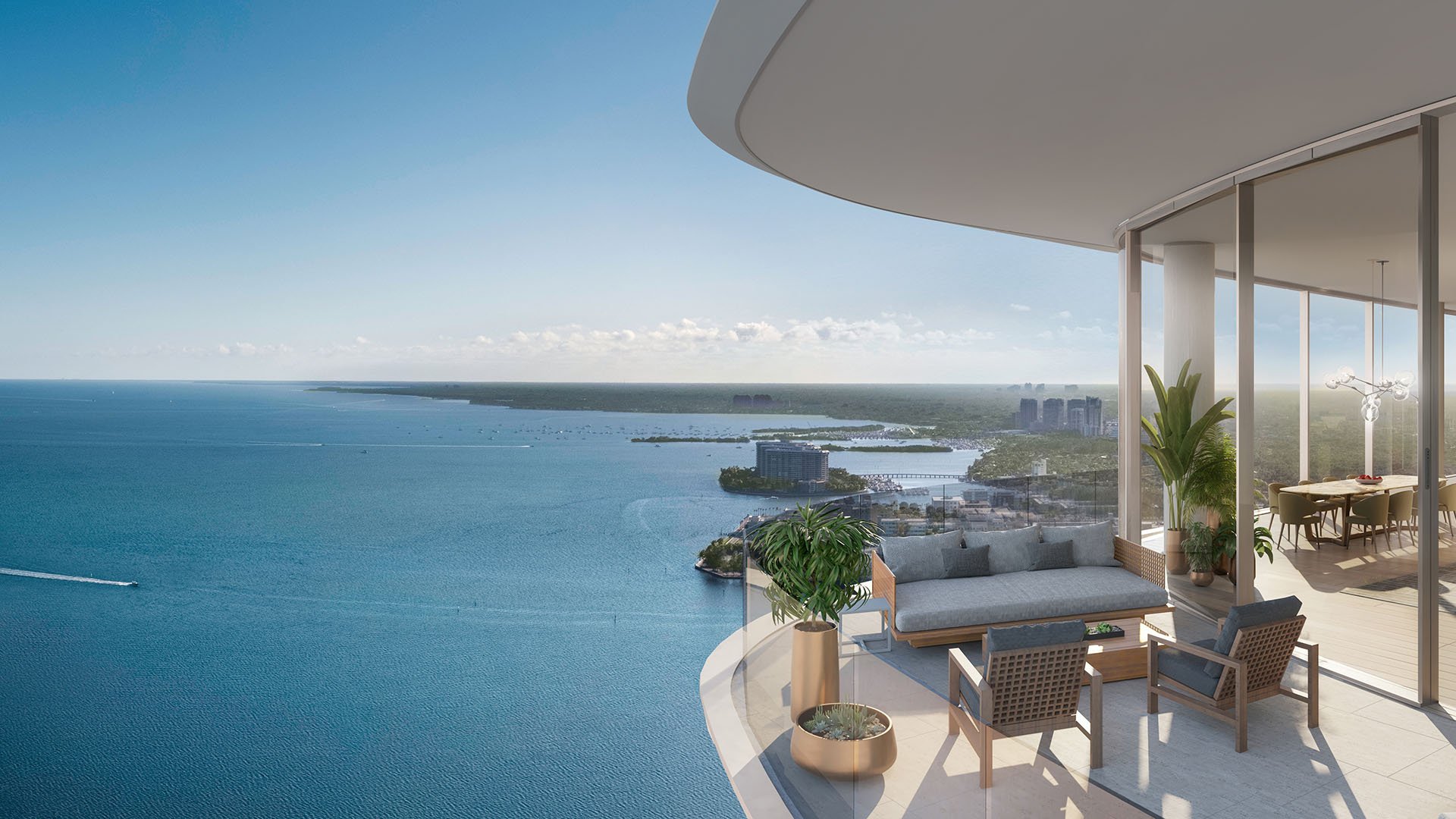
In South Florida luxury real estate, buyers often begin with light, exposure, ceiling height, and the emotional pull of water. Those elements matter. Yet one of the quietest due diligence questions can be among the most consequential: how close is the residence to the building’s mechanical life?
Mechanical rooms, service corridors, pump areas, elevator equipment, ventilation shafts, garage exhaust, generator zones, and rooftop systems are rarely part of the glossy conversation. They are also rarely irrelevant. Their proximity can shape perceived quiet, vibration, airflow, corridor experience, balcony enjoyment, and long-term resale confidence.
This is not an argument against any one setting. Oceanfront, bayfront, and city living each offer superb possibilities. The refined approach is to evaluate mechanical context with the same care given to finishes, views, and amenities. A grand residence should feel composed not only in photographs, but at 7 a.m., during a summer storm, after dinner on the terrace, and during a quiet evening in the primary suite.
Oceanfront buildings carry a romance few settings can match. The rhythm of the water, the horizon line, and the privacy of coastal frontage create an emotional clarity that appeals to end users and second-home buyers alike. Yet that same coastal environment makes building systems especially important to understand.
In an oceanfront residence, ask where major pump rooms, generator areas, loading access, service elevators, trash rooms, and exhaust points sit in relation to the unit. A residence may have an extraordinary water view, but if a bedroom wall, slab, or corridor is adjacent to active building infrastructure, the experience deserves closer study.
Balcony use belongs in the analysis. Buyers often evaluate the view from the glass line, but the sharper question is how the exterior space feels over time. Stand outside for several minutes. Listen for hum, airflow, intermittent equipment cycling, or service activity. If the residence has a deep balcony or terrace, consider whether nearby exhaust, equipment screening, or podium functions could affect how that outdoor room is used.
High floors are not automatically immune. Upper residences may sit nearer to rooftop equipment, cooling systems, elevator overruns, or service areas, while lower residences may be closer to garages, pumps, back-of-house spaces, or amenity systems. The correct comparison is not simply high versus low. It is stack, adjacency, directionality, and separation.
Bayfront residences often deliver a softer, more layered experience than the open ocean. The views may include boats, bridges, islands, sunsets, and skyline silhouettes. For many buyers, bayfront living is the elegant middle ground between resort calm and city convenience.
Mechanically, however, bayfront buildings can be complex. Podiums may contain parking, arrival courts, amenity decks, pool equipment, ventilation systems, service areas, and, in certain settings, marina-related functions. A beautiful bay exposure should therefore be paired with a careful review of what sits directly below, behind, above, and beside the residence.
The most important question is not whether equipment exists. Every sophisticated building needs it. The question is how well it is isolated. Look for physical separation, thoughtful placement, acoustic buffering, and a layout that keeps primary living spaces away from the most active back-of-house zones. A corner residence with panoramic glass may still require scrutiny if one side aligns with a service shaft or equipment zone.
Bayfront buyers should also pay attention to evening conditions. The experience of the bay changes after sunset, and so can the perception of sound. A room that feels serene during a busy afternoon showing may reveal a different acoustic character when the city quiets and ambient background noise drops.
In Brickell and other dense urban neighborhoods, the appeal is immediacy. Restaurants, offices, private clubs, wellness destinations, cultural venues, and waterfront promenades create a lifestyle of momentum. Buyers choosing city living often expect a certain level of urban energy. The objective is to separate desirable energy from avoidable intrusion.
City towers can place residences near elevator banks, mechanical shafts, ventilation paths, rooftop systems, garage exhaust, loading areas, and amenity infrastructure. This does not make them less desirable. It simply means the plan should be read with precision. A coveted line can be excellent, but the exact unit position within that line still matters.
Walk the corridor. Pause near service doors. Ask which walls border mechanical rooms, electrical rooms, trash rooms, linen areas, service elevators, or risers. Inside the residence, spend time in the bedrooms, not only in the great room. Primary suites and secondary bedrooms are where subtle vibration and mechanical hum become most noticeable.
City buyers should also consider vertical adjacency. A residence below an amenity deck, near a rooftop equipment zone, adjacent to a mechanical floor, or above a garage ventilation area may require closer evaluation than a residence buffered by other residential floors. In luxury towers, the best choices often combine the desired view with a calmer mechanical envelope.
A polished sales environment can make every residence feel resolved. The more sophisticated buyer asks quiet, specific questions early. Where are the mechanical rooms on this floor? What is above and below the residence? Are there service corridors adjacent to any bedroom walls? Where are the elevator machine areas, generator systems, pump rooms, exhaust vents, and trash rooms? Are any mechanical spaces located behind demising walls?
For new development, ask to review floor plans that show back-of-house and infrastructure relationships. For resale, request building knowledge from the appropriate professionals and pay attention during repeat visits. Tour at different times if possible. Morning, evening, weekday, and weekend conditions can produce different impressions.
Bring the floor plan to life. Mark the primary bedroom, secondary bedrooms, den, kitchen wall, terrace doors, and headboard walls. Then compare those locations to shafts, equipment rooms, service doors, elevators, and amenity areas. The goal is not to eliminate every adjacency, but to understand which ones matter for the way you live.
When comparing oceanfront, bayfront, and city options, use the same framework for each residence. First, identify the mechanical sources. Second, measure their relationship to the rooms you use most. Third, evaluate the type of separation, such as corridor, concrete wall, storage room, residential unit, or open air. Fourth, observe the residence at rest, without music, conversation, or staging distractions.
Then weigh lifestyle against mechanical exposure. An oceanfront home may justify certain tradeoffs because the view is irreplaceable. A bayfront residence may win because its podium separation is better resolved. A city residence may be the strongest choice if its stack avoids the most active systems while preserving skyline drama.
The winning home is rarely the one with no building systems nearby. It is the one where systems have been placed, buffered, and experienced in a way that supports daily serenity. In a market where buyers are increasingly sophisticated, this distinction becomes a mark of confidence.
Some concerns are practical rather than fatal. A service room across the corridor may be acceptable if there is no audible impact inside the residence. A nearby shaft may be irrelevant if it is properly isolated and away from sleeping areas. A podium relationship may be comfortable if the outdoor space remains calm and usable.
Other signs deserve caution. Persistent vibration in a bedroom, noticeable mechanical hum with windows closed, odors or exhaust near outdoor living areas, frequent service activity beside the entry, or uncertainty about what sits above and below the home should slow the decision. In luxury real estate, uncertainty is not a mood. It is a negotiating point, a diligence item, or a reason to keep looking.
The best buyers do not overreact. They document, revisit, ask, and compare. Mechanical proximity is not about fear. It is about preserving the silence, privacy, and ease that make a South Florida residence feel truly elevated.
Why does mechanical-room proximity matter in a luxury residence? It can influence sound, vibration, airflow, corridor feel, outdoor comfort, and future buyer perception.
Is a home next to a mechanical room always a poor choice? No. The concern depends on the type of equipment, separation, construction, and which rooms share the adjacency.
Are high floors better for avoiding mechanical issues? Not always. High floors may be closer to rooftop systems, elevator overruns, or mechanical levels.
What should I listen for during a showing? Listen for steady hum, intermittent cycling, vibration, airflow noise, and service activity near walls or corridors.
Should I inspect the balcony and terrace separately? Yes. Outdoor spaces can reveal exhaust, equipment noise, or airflow patterns not obvious inside the residence.
How does Brickell differ from waterfront neighborhoods? Brickell often adds urban energy, denser podiums, garage systems, and elevator activity to the comparison.
Can water-view value offset mechanical adjacency? Sometimes, but only if the residence still feels calm in the rooms and outdoor areas you use most.
What documents should a buyer review? Floor plans, stack plans, and any available layouts showing service rooms, shafts, elevators, and nearby equipment.
Is oceanfront living more exposed to mechanical concerns? Not necessarily. Oceanfront living simply requires careful review of pumps, generators, service areas, and rooftop systems.
When should I bring in a specialist? Bring in a qualified inspector or acoustic consultant if you notice vibration, hum, exhaust, or unresolved adjacency questions.
If you'd like a private walkthrough and a curated shortlist, connect with MILLION.
If branded residences are on your mind — as a home or as an allocation — we would be glad to share what we are seeing, privately.
Begin a quiet conversation