A practical luxury buyer’s guide to assessing marina security in West Palm Beach, with attention to access control, dock governance, guest protocols, insurance review, privacy, and long-term confidence before purchasing a waterfront residence.
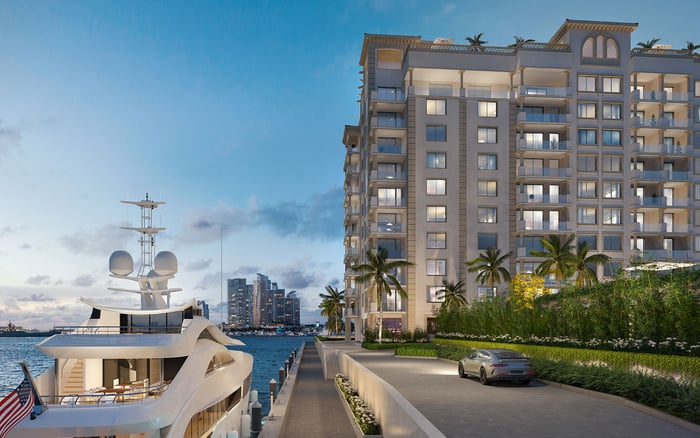
In West Palm Beach, the marina view is more than a backdrop. For many luxury buyers, it is the emotional center of the purchase, shaping morning rituals, weekend departures, guest arrivals, and the quiet pleasure of living near the water. Yet the same feature that adds romance can also introduce complexity. A marina is not simply an amenity; it is an operating environment with access points, people, vessels, service providers, deliveries, weather exposure, and rules that may affect daily life.
Before buying, treat marina security as its own layer of due diligence, separate from the residence, building amenities, and neighborhood impression. A polished lobby or handsome dock can be reassuring, but the more important questions are operational: who can enter, when they can enter, how access is recorded, and how exceptions are handled.
For a focused search brief, buyers may use shorthand priorities such as West-palm-beach, Palm-beach, Marina, Boat-slip, Waterview, and Gated-community. Those labels are useful, but they should not replace a close reading of how the waterfront actually functions after sunset, during holidays, and when service activity is at its busiest.
The first comparison point is access control. A marina can appear private while still allowing several pathways for entry. Ask how residents, guests, crew, vendors, rideshare drivers, delivery personnel, and contractors are handled. If there is a gate, clarify whether it is staffed, credentialed, remotely monitored, or simply controlled by resident-issued access.
A strong marina security profile is usually less about theatrical barriers and more about consistency. The best systems make routine entry easy for residents while keeping exceptions visible. Consider how temporary access is granted, whether visitor credentials expire, and whether after-hours arrivals are documented. If your household expects frequent guests or professional marine support, convenience matters, but convenience without traceability can weaken the entire environment.
Also compare separation. Ideally, residential access, marina access, parking access, and service access are not casually interchangeable. When these flows overlap, a buyer should understand who supervises the overlap and how it is managed during peak periods. The goal is not to create a fortress. It is to preserve discretion without making daily life cumbersome.
Marina security depends on visibility. Cameras may be valuable, but they do not replace human awareness. When touring, observe sightlines from the residences, promenade, dockmaster area, parking, and any staffed points. A dock that is hidden from normal circulation may feel serene, but it can also rely more heavily on electronic monitoring and disciplined patrol routines.
Ask practical questions. Is the marina observed by personnel on site, by a building team, by a dedicated dock team, or through remote monitoring? How are unusual activities escalated? Are after-hours incidents routed to building security, marina management, local authorities, or a designated emergency contact? The answer should be clear, not improvised.
Lighting is another subtle test. Luxury buyers often prefer soft, architectural lighting, but docks need enough illumination to support safe movement and visual confidence. Look for a balance between ambience and usefulness. Overly bright lighting can feel commercial; insufficient lighting can make an otherwise elegant waterfront feel under-managed.
A Boat-slip can carry meaningful lifestyle value, but only if its rights, limitations, and responsibilities are understood. Before assigning a premium to a residence with marina access, ask whether the slip is deeded, assigned, licensed, leased, or available through a separate arrangement. Each structure can affect flexibility, transferability, expense, and expectations.
Security is tied to governance. Slip rules may address permitted vessel types, guest usage, commercial activity, fueling, maintenance, overnight stays, insurance, and conduct. These rules can influence both privacy and risk. A marina that limits casual activity may feel quieter; a marina with broader access may offer more flexibility but require stronger oversight.
Buyers should also clarify key control. Who has access to dock gates, utility pedestals, storage areas, and any marina-side facilities? If marine service providers are permitted, how are they approved and tracked? In a luxury setting, the distinction between trusted access and open access is essential.
Waterfront living often involves more people than a conventional condominium or estate. Captains, cleaners, mechanics, provisioning teams, florists, private chefs, drivers, and guests may all interact with the property. A buyer should ask how the marina coordinates with the residential team, especially if the residence and slip are governed by different systems.
The strongest arrangements make responsibility unmistakable. If a vendor arrives for the vessel, does the marina approve them, or must the residence approve them? If a guest arrives by water, who verifies the arrival? If a delivery is intended for the boat rather than the home, where does it wait, and who accepts it?
These details may feel minor during a purchase tour, but they define the lived experience. A waterfront property should feel fluid, not chaotic. The more complex the household pattern, the more important it is to test protocols before closing.
Association documents, marina agreements, insurance requirements, and house rules can reveal how seriously an environment treats waterfront risk. Read them not only for fees and restrictions, but for accountability. Who maintains the gates, cameras, lighting, docks, utilities, and common marina areas? Who pays for upgrades? Who decides when a security policy changes?
Insurance language is also important. Buyers should understand what the residence covers, what the marina covers, what the vessel owner must carry, and whether any gaps could affect claims after an incident. This is not a substitute for professional legal or insurance advice, but it is a necessary starting point for sophisticated buyers.
Minutes from association or marina meetings, when available to a buyer through the proper channels, may also be useful. They can show whether recurring concerns are handled promptly or deferred. A beautiful marina with unresolved operational issues may not deserve the same premium as one with disciplined maintenance and governance.
A marina can feel entirely different on a weekday morning, a Friday evening, a holiday weekend, and after dark. If privacy and security are important to the purchase, one tour is not enough. Return when residents are moving, guests are arriving, vessels are being serviced, and the waterfront is active.
Observe whether access points are propped open, whether staff recognize residents, whether vendors appear supervised, and whether the dock feels orderly. The most revealing moments are often transitional: shift changes, deliveries, weather preparations, and post-event departures. These are the moments when a system either performs quietly or shows its gaps.
For buyers comparing multiple West Palm Beach waterfront options, the decision should not be reduced to the prettiest view. A superior marina experience blends beauty with control, discretion with service, and convenience with accountability.
What is the first marina security question a buyer should ask? Ask who can access the marina, how access is granted, and whether exceptions are recorded. This establishes the baseline for every other security review.
Is a gated marina automatically more secure? Not necessarily. A gate is only as strong as its staffing, credentialing, monitoring, and enforcement.
Should I review marina rules before making an offer? Yes. Rules may affect guest access, vendor activity, vessel use, insurance, and the long-term value of the waterfront lifestyle.
How important is lighting on a private dock? Very important. Lighting should support safe movement and visibility while preserving the refined atmosphere buyers expect.
Do boat slips always transfer with the residence? No. A slip may be deeded, assigned, leased, licensed, or separately controlled, so its status should be confirmed in writing.
Who should verify insurance requirements? Buyers should consult qualified insurance and legal advisors. The goal is to understand responsibility across the residence, marina, and vessel.
Why should I tour the marina at night? Evening visits reveal lighting, staffing patterns, access discipline, and the true atmosphere after normal daytime activity ends.
Are vendor protocols part of marina security? Yes. Captains, cleaners, mechanics, and delivery teams can shape daily privacy as much as resident and guest access.
What makes a marina feel discreet rather than restrictive? Clear rules, trained personnel, controlled access, and quiet coordination allow residents to live easily without unnecessary exposure.
Can marina security affect resale confidence? It can. Buyers often value waterfront residences more confidently when access, governance, and maintenance feel professionally managed.
When you're ready to tour or underwrite the options, connect with MILLION.
If branded residences are on your mind — as a home or as an allocation — we would be glad to share what we are seeing, privately.
Begin a quiet conversation