A discreet buyer’s guide to evaluating wind comfort, balcony usability, glazing, doors, mechanical systems, and due diligence before purchasing high-floor luxury real estate along South Flagler in West Palm Beach.
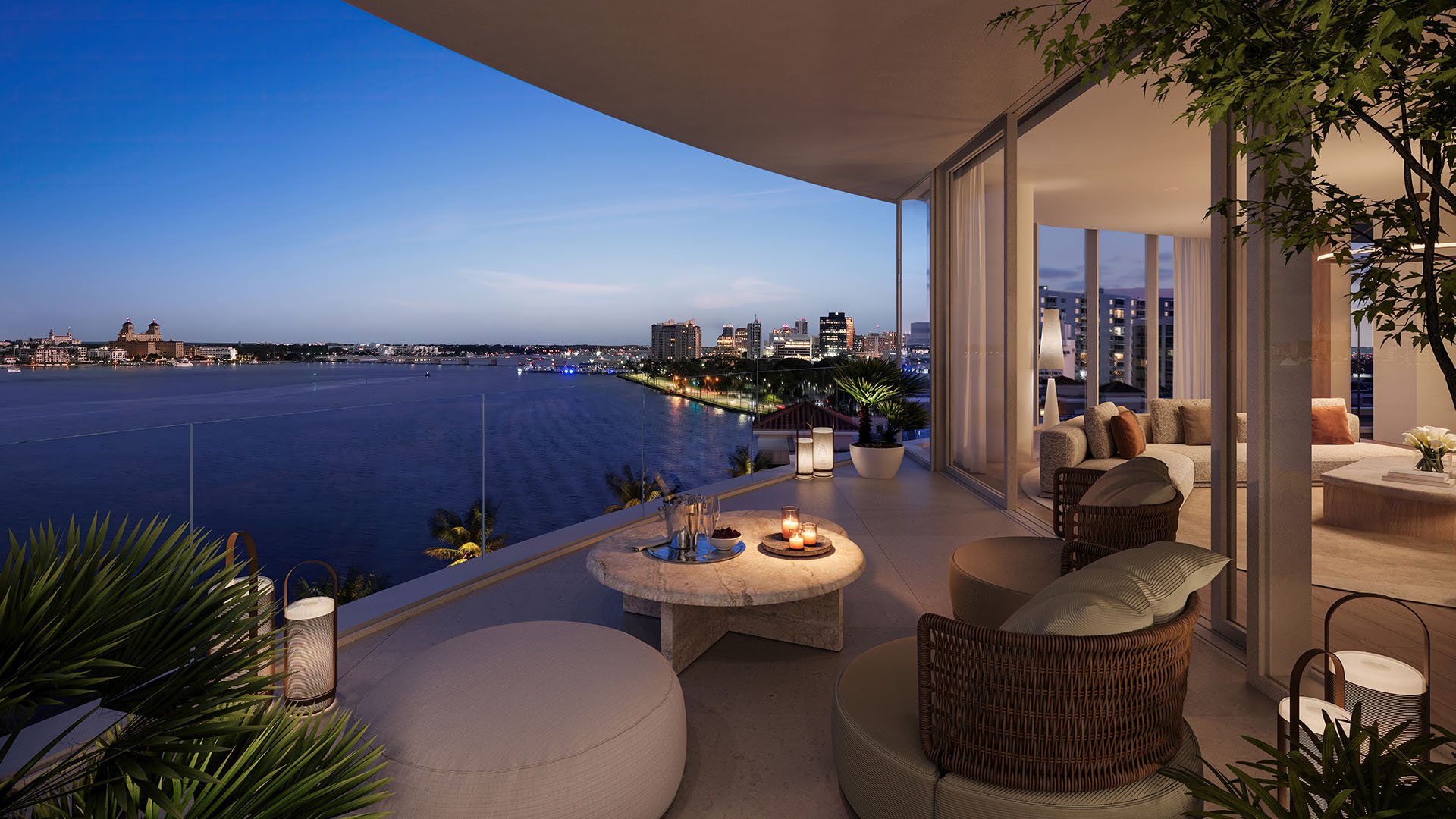
South Flagler has a particular kind of allure: wide water, gracious approaches, and residences that frame Palm Beach and the Intracoastal with cinematic composure. For many buyers, the instinct is to seek elevation. A higher floor can mean broader sightlines, greater privacy, and a stronger sense of separation from the city below. Yet the most sophisticated purchase conversation should include a quieter question: how does the home behave when the wind is moving?
In luxury real estate, wind is not merely a structural issue. It is a lifestyle issue. It can shape how often a terrace is used, how doors feel when opened, how quiet a primary suite remains during seasonal weather, and how confident an owner feels leaving furnishings outside. For South Flagler buyers comparing residences such as South Flagler House West Palm Beach, the most valuable due diligence often begins before contract, in the questions posed to the sales team, design team, association, and inspection professionals.
The first question is simple: was wind comfort evaluated for the spaces residents actually use? Buyers often hear about code compliance and impact-rated systems, but comfort is a different lens. A building may be designed to meet applicable requirements while still producing terrace conditions, entry experiences, or amenity deck environments that vary meaningfully by orientation and floor.
Ask whether the project team studied pedestrian areas, pool decks, porte cochères, terraces, corners, and roof-level amenities. Ask whether the findings informed architectural screens, parapets, landscape placement, terrace depth, glass height, or amenity programming. The point is not to demand a technical seminar. It is to determine whether wind was treated as a lived experience, not only as an engineering requirement.
For buyers focused on high floors, this distinction matters. A residence can feel serene indoors and still have outdoor zones that require judgment on certain days. The best buying posture is not alarmist. It is precise.
A polished sales presentation may refer to robust glazing, modern construction, and resilient systems. Those elements matter, but buyers should separate three categories: structural performance, weather protection, and everyday comfort. Structural performance concerns the building’s ability to withstand forces it was designed for. Weather protection concerns the envelope, including windows, doors, seals, and drainage. Everyday comfort concerns noise, vibration, pressure, terrace usability, and the feel of moving between indoor and outdoor spaces.
When touring a waterfront residence, ask direct questions in each category. What type of exterior doors are used? How are sliding or swing doors maintained? Are terrace drains accessible for inspection? What is the protocol after a major weather event? Are there resident guidelines for balcony furniture, planters, and umbrellas? A refined building should have refined answers.
Sunset showings are persuasive. They are also curated. If possible, visit at different times of day and in different weather moods. A calm morning, a breezy afternoon, and an evening with shifting air can each reveal a different side of the residence’s personality.
Listen near window walls. Open and close balcony doors if permitted. Stand near terrace corners, not only at the protected center. Notice whether conversation feels easy outdoors. Notice whether corridor doors require extra effort. In a completed residence, these observations can be as meaningful as the view itself.
For new-construction opportunities, where the final condition may still be evolving, buyers should ask how performance will be commissioned, documented, and addressed after delivery. When comparing South Flagler options with nearby West Palm Beach projects such as Forté on Flagler West Palm Beach, the question is not simply which building is newer. It is which process gives the buyer confidence.
The balcony is often marketed as an extension of the living room. In practice, it is an outdoor room with changing conditions. Before buying, ask what the terrace is intended to accommodate. Dining? Lounge seating? Planters? Sculptural furniture? A small table for morning coffee? Each use has a different tolerance for gusts, sound, sun, and exposure.
Buyers should ask about permitted furniture types, storage expectations, railing height, glass maintenance, drainage, and whether the association has rules for securing objects. If the terrace is deep and protected, it may feel different from a narrow projection or an exposed corner. If the residence has multiple outdoor exposures, ask how each behaves rather than assuming they perform alike.
A terrace with a magnificent water view may still be best used selectively. That is not necessarily a flaw. It is a matter of aligning lifestyle expectations with the actual character of the home.
High-floor wind behavior is often felt through the smallest interfaces: the seal at a door, the track of a slider, the acoustic performance of glazing, the threshold between interior calm and exterior movement. Ask who manufactured and installed the window and door systems, how they are serviced, and whether there is a maintenance schedule.
Also ask about pressure differentials. In some buildings, elevator lobbies, corridors, stairwells, and residence entry doors can feel different depending on weather, mechanical balance, and building operation. A discerning buyer should ask whether residents have reported whistling, rattling, difficult door operation, or drafts, and how such items are handled.
This is especially relevant for buyers evaluating completed or nearly completed residences along the corridor, including Shorecrest Flagler Drive West Palm Beach. A beautiful plan is only part of the story. The envelope is where architecture meets atmosphere.
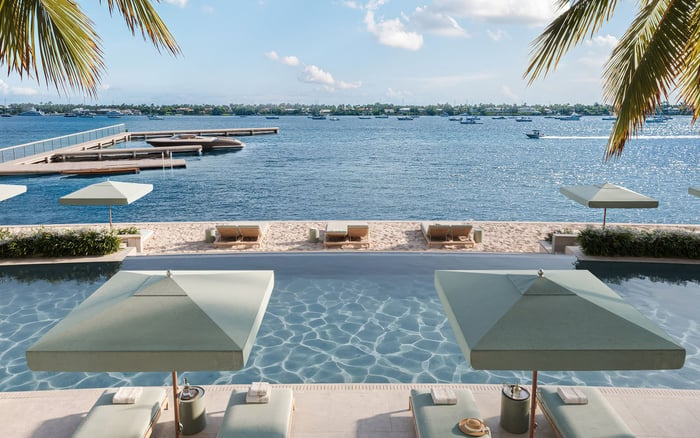
Wind comfort is not confined to the private home. Amenity decks, pool terraces, outdoor dining areas, dog walks, arrival courts, and gardens all deserve attention. Ask which outdoor amenities are intended for daily use and which may be more seasonal or weather-dependent. Ask how cushions, umbrellas, cabanas, planters, and decorative elements are secured and maintained.
In South Florida luxury living, the amenity experience is part of the value proposition. If a buyer expects to entertain outdoors, swim regularly, or use a waterfront lounge as a daily ritual, the wind behavior of those shared spaces becomes material. The question is not whether breezy days exist. The question is whether the building has designed, managed, and communicated around that reality with sophistication.
Before committing, ask for the documents and conversations that support confidence. Request available specifications for exterior glazing and doors. Ask about applicable warranties, maintenance obligations, and association rules for exterior areas. If purchasing resale, review meeting minutes and maintenance records when available through the proper process. If purchasing pre-completion, ask how owner concerns related to exterior doors, glazing, terrace drainage, and amenity comfort will be received after closing.
Buyers comparing the broader West Palm Beach market, including Alba West Palm Beach, should bring the same discipline to each tour. A high-floor residence is not only a view purchase. It is an acoustic, mechanical, architectural, and operational purchase.
A strong advisor will not treat these questions as pessimistic. In the ultra-premium market, discretion and diligence are aligned. The more precisely a buyer understands wind behavior, the more confidently they can choose the floor, exposure, terrace type, and building culture that match their life.
South Flagler’s best residences promise a rare combination: urban access, water proximity, and the calm of a private aerie. Wind does not diminish that promise. It simply asks to be understood. The right residence will feel composed not only in perfect weather, but also in the ordinary movement of coastal life.
For buyers, the goal is not to become an engineer. It is to ask the questions that reveal whether the design, construction, management, and ownership experience have been considered with care. In that sense, wind behavior is a proxy for something larger: the maturity of the building itself.
Why should I ask about wind before buying on a high floor? Wind can affect terrace comfort, door operation, sound, and the day-to-day pleasure of living with elevation.
Is wind behavior the same as hurricane safety? No. Safety, weather protection, and everyday comfort are related but distinct topics that should be evaluated separately.
What should I ask about balcony use? Ask about furniture rules, drainage, railing design, maintenance, and how often the terrace is expected to be comfortable.
Can I judge wind comfort during one showing? One showing helps, but visiting at different times and in different weather conditions gives a more complete impression.
What documents are useful before contract? Ask for available glazing and door specifications, warranty information, maintenance obligations, and association rules.
Should pre-construction buyers ask different questions? Yes. They should ask how performance will be reviewed, delivered, and addressed after closing.
Do higher floors always feel windier? Not always in the same way. Orientation, terrace design, neighboring conditions, and building form all influence comfort.
What indoor signs should I notice? Listen for whistling, rattling, drafts, pressure at entry doors, and unusual sound near window walls.
Are amenity decks part of wind due diligence? Yes. Pools, lounges, gardens, and arrival areas should be evaluated for comfort as carefully as the residence.
Who should help evaluate these questions? A qualified inspector, experienced advisor, and building representatives can help frame the right questions before purchase.
To compare the best-fit options with clarity, connect with MILLION.
If branded residences are on your mind — as a home or as an allocation — we would be glad to share what we are seeing, privately.
Begin a quiet conversation