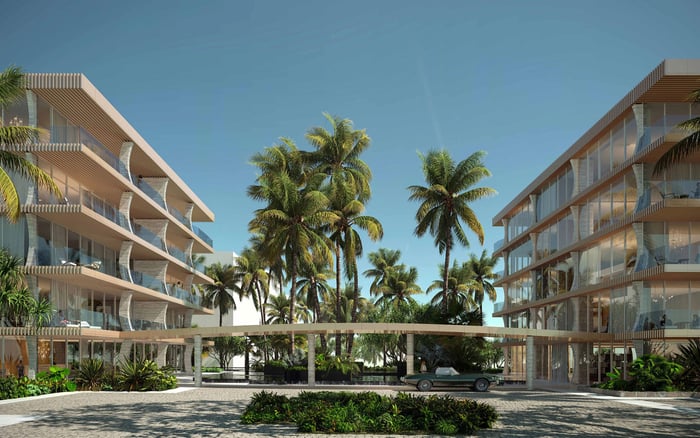
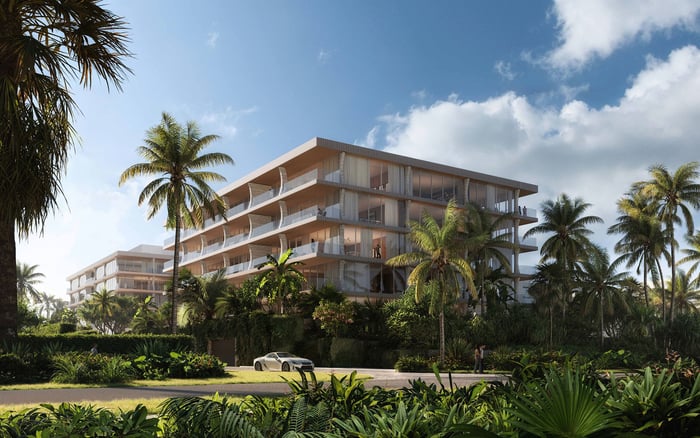
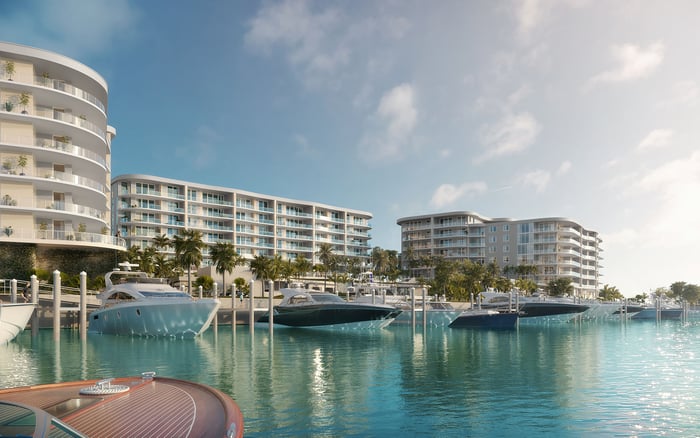
A practical, discreet guide for Palm Beach yacht owners evaluating dock electrical infrastructure, from shore power questions to inspection priorities and resale context.
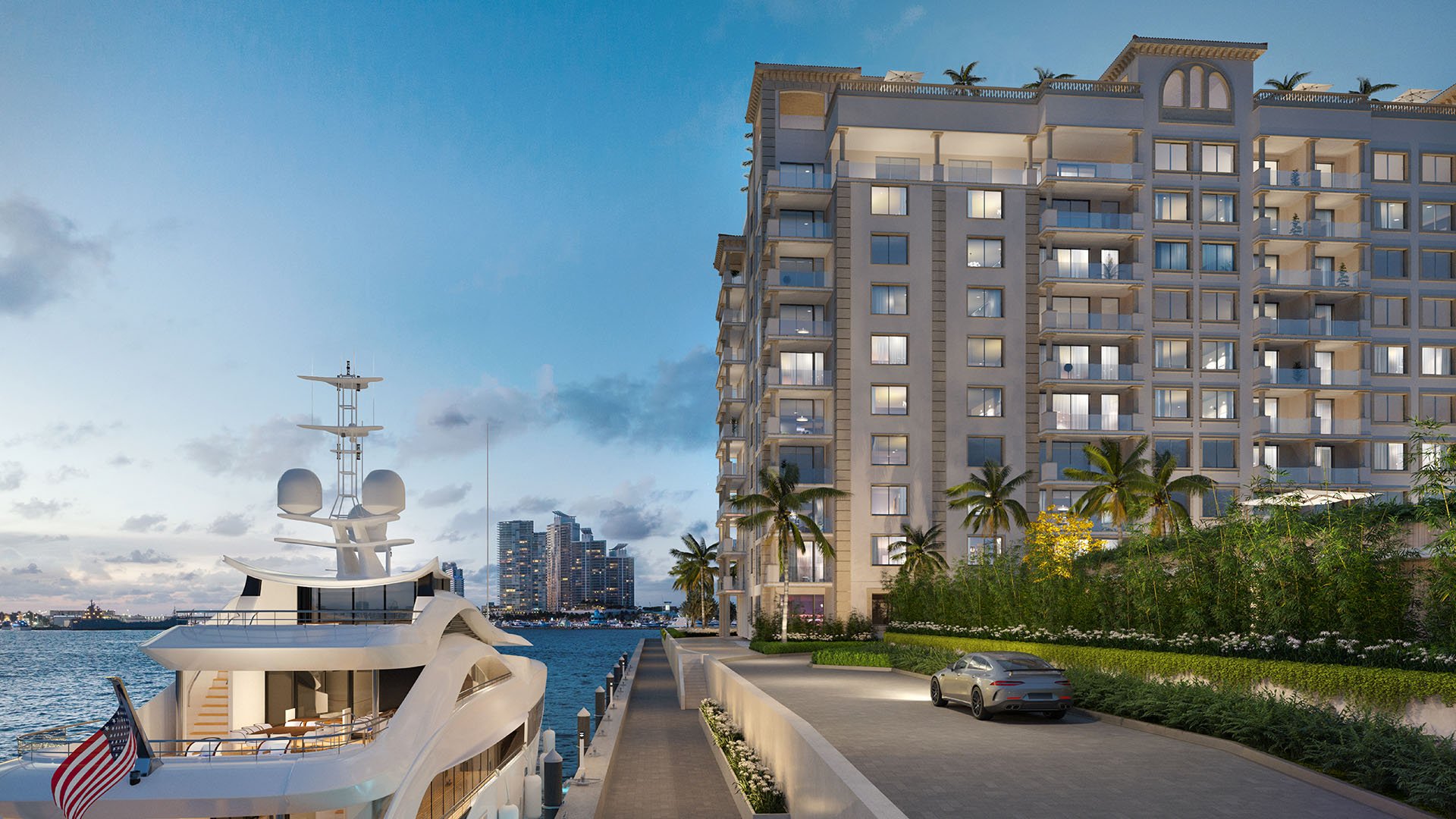
For luxury yacht owners in Palm Beach, a deep-water dock is not merely a place to moor. It is an extension of the residence, a private marina environment, and, in many cases, a deciding factor in whether a waterfront property can truly support life on the water. Water depth, turning radius, bridge clearance, and protected frontage may dominate the early conversation, but electrical readiness often determines how gracefully the dock performs every day.
The best waterfront properties are evaluated with the yacht in mind from the outset. A residence may be architecturally compelling, beautifully furnished, and positioned on a desirable stretch of shoreline, yet still require meaningful dock electrical review before it can support a large vessel with confidence. Buyers comparing estates, condominiums, and marina-adjacent residences should treat shore power as a core component of due diligence, not a post-closing improvement.
That discipline is especially relevant for owners who divide time among Palm Beach, West Palm Beach, Miami, the Bahamas, and seasonal cruising routes. In practical search language, this is where Palm Beach, West Palm Beach, boat-slip, marina, waterview, and single-family-home considerations begin to overlap. The most successful purchases align lifestyle, berth utility, maintenance access, and long-term property value.
The correct electrical conversation begins with the vessel. A sport yacht, a large motor yacht, and a vessel with extensive hotel loads can place very different demands on shore power. Rather than asking whether the dock has power, a buyer should ask whether the dock has the right power for the yacht that will actually be berthed there.
Key questions include the number and type of shore power connections available, whether service is dedicated or shared, how the pedestal is configured, and whether the electrical pathway from residence to dock appears serviceable for future upgrades. A careful review should also consider how the yacht is used while docked. Air conditioning, refrigeration, battery charging, onboard systems, lighting, crew activity, and guest use can all influence practical demand.
For buyers considering a lock-and-leave waterfront lifestyle, residences such as Palm Beach Residences may appeal because they place the broader ownership conversation in a managed residential setting. Still, even in highly serviced environments, the owner’s vessel requirements should be matched to the exact berth or dock arrangement before assumptions are made.
Dock electrical diligence should happen early enough to inform negotiations, closing timelines, and renovation planning. A licensed marine electrical professional can help determine whether the existing installation is suitable, whether visible components appear aged or weather-exposed, and whether additional evaluation is advisable before a buyer commits to a property.
The review should include the dock pedestal, breakers, panels, conduit runs, grounding and bonding considerations, disconnect locations, lighting, and any equipment exposed to salt air. Buyers should also ask whether prior dock electrical work was permitted where required, whether maintenance records exist, and whether the system has been altered over time. In waterfront estates, older improvements can reflect several ownership eras, each with different priorities.
This is also the stage to understand the path for upgrades. Some docks can be modernized in a straightforward manner, while others may involve seawall conditions, trenching, utility coordination, association approvals, or broader marine construction sequencing. None of those issues should automatically discourage a purchase, but they should be priced, scheduled, and understood.
Luxury waterfront ownership is defined by ease, but saltwater environments are demanding. Electrical equipment near the water should be evaluated for condition, placement, protection, and accessibility. Buyers should be wary of treating a working outlet as proof of a properly planned dock system. A dock may appear functional during a showing yet still require professional review to confirm whether it is suitable for sustained yacht use.
Serviceability is equally important. If a component fails during peak season, the owner should not discover that panels are hard to access, parts are obsolete, or conduit routes are unclear. A strong installation is not only powerful enough for the vessel; it is legible, maintainable, and designed so qualified professionals can diagnose and repair issues without excessive disruption.
For buyers attracted to the Flagler corridor and its relationship to the Intracoastal, projects such as Shorecrest Flagler Drive West Palm Beach frame the appeal of waterfront living in an urban-luxury context. The same principle applies at every price point: the water view is emotional, but the infrastructure must be practical.
Not every yacht owner needs a private dock behind a single-family home. Some prefer the security, amenities, and operational simplicity of a condominium residence paired with nearby marina access or a separately arranged berth. Others want a private estate dock because the yacht is central to daily life. The right choice depends on vessel size, frequency of use, crew needs, privacy expectations, and tolerance for managing marine infrastructure directly.
Condominium buyers should ask different questions than estate buyers. If a berth is part of a residential offering, the buyer should understand assignment rights, access, use rules, maintenance obligations, guest policies, insurance responsibilities, and whether electrical service is billed individually or through an association framework. If marina access is nearby rather than attached, the buyer should confirm practical commute time from residence to vessel and the level of service available at the berth.
In West Palm Beach, Alba West Palm Beach and The Ritz-Carlton Residences® Palm Beach Gardens illustrate the broader appeal of refined coastal living for buyers who want proximity to the water without necessarily taking on every responsibility of a private dock estate.
In the luxury market, the most valuable improvements are often the ones that reduce friction. A dock that has been thoughtfully maintained, professionally reviewed, and documented can support buyer confidence. It can also make the property easier to position when a future purchaser arrives with a specific vessel and a short closing timeline.
Electrical readiness may not photograph like a pool terrace or a limestone foyer, but sophisticated waterfront buyers notice it. They understand that a deep-water dock is only as useful as the systems that support the yacht while it is at rest. They also know that marine improvements can involve coordination, approvals, and lead times, particularly when upgrades are deferred until after closing.
For sellers, the lesson is clear: organize records, address visible deficiencies, and be prepared to explain what the dock can support. For buyers, the goal is not to demand perfection. It is to distinguish between a property that is ready, a property that needs manageable refinement, and a property whose dock infrastructure may not align with the intended vessel.
Before waiving key contingencies, a yacht owner should assemble a concise dock electrical file. It should include photographs of visible equipment, available permits or invoices, utility information if obtainable, association documents if applicable, and a professional opinion tailored to the vessel. The review should be coordinated with the marine surveyor, property inspector, and closing team so that no one evaluates the dock in isolation.
The strongest strategy is simple: define the yacht’s requirements first, inspect the property’s existing service second, and estimate any required improvements before the purchase becomes irreversible. That approach preserves discretion, protects time, and helps ensure that the waterfront dream is supported by the technical details that make it livable.
What is the first dock electrical question a Palm Beach yacht buyer should ask? Ask whether the existing shore power configuration matches the actual vessel, not simply whether power is present at the dock.
Should dock electrical systems be inspected before closing? Yes. A qualified marine electrical review can reveal service, safety, maintenance, and upgrade issues before deadlines pass.
Is a private dock always better than marina access? Not always. Private docks offer control, while marina access may provide services, staffing, and simplified maintenance.
Can dock electrical capacity affect resale? It can influence buyer confidence, especially when the next purchaser also owns a substantial yacht.
What documents should a seller prepare? Helpful materials include permits, invoices, service records, photographs, association rules, and details on prior upgrades.
Are older dock systems automatically a problem? No. Age alone is not the issue; condition, configuration, documentation, and upgrade feasibility matter more.
Should condominium buyers review berth rules? Yes. Assignment rights, electrical billing, maintenance duties, guest access, and usage restrictions should be understood early.
Can a dock be upgraded after purchase? Often, but timing and feasibility depend on site conditions, approvals, utility coordination, and marine construction needs.
Why does serviceability matter? A powerful system is less useful if components are difficult to access, poorly documented, or hard to maintain.
How should yacht owners compare waterfront properties? Compare the residence, water access, dock condition, electrical readiness, and the realistic path to support the vessel.
For a discreet conversation and a curated building-by-building shortlist, connect with MILLION.
If branded residences are on your mind — as a home or as an allocation — we would be glad to share what we are seeing, privately.
Begin a quiet conversation