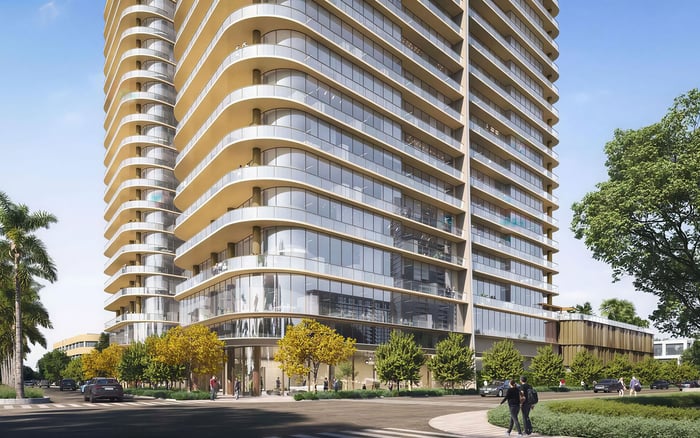
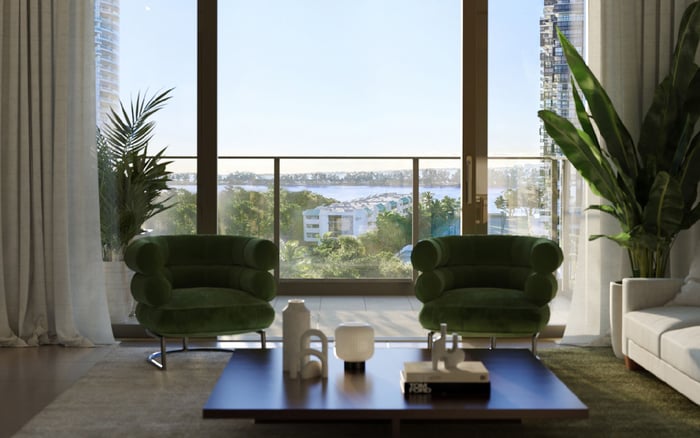
A buyer-focused framework for comparing The Cove Residences Edgewater and House of Wellness Brickell through wellness privacy, operational intensity, daily livability, and long-term downside discipline.
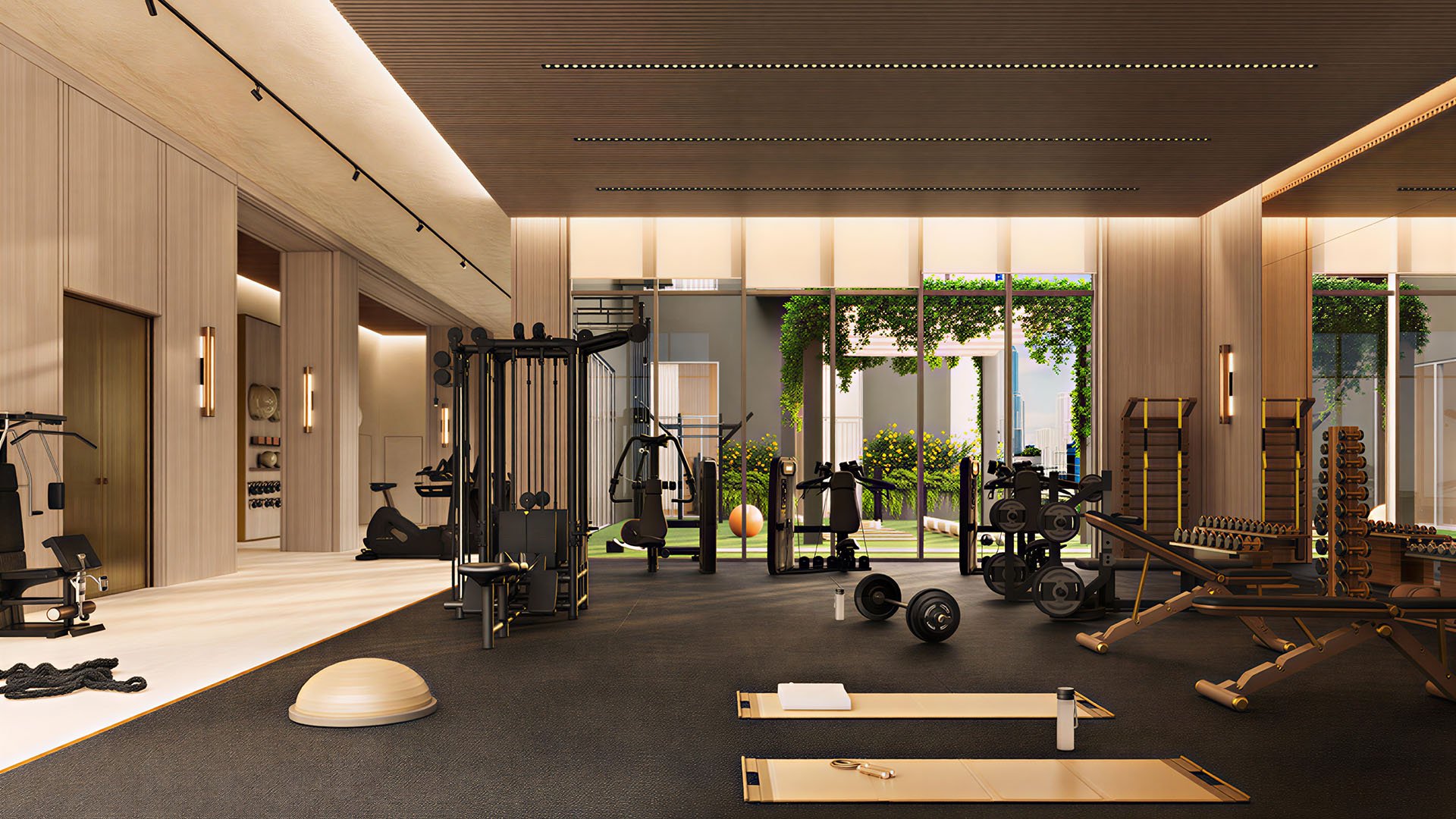
For a buyer weighing The Cove Residences Edgewater against House of Wellness Brickell, the most useful question is not which name sounds more elevated. It is which ownership experience remains resilient after the first impression fades and the residence becomes a daily asset. In South Florida’s luxury market, wellness has moved beyond amenity language into a more exacting category: programming, staffing, privacy, traffic flow, acoustic control, and the ease with which a home supports long stays.
That is where downside discipline begins. A new-development purchase can feel pristine in the sales gallery, but its long-term performance often depends on quieter details: how residents actually use shared spaces, whether outside guests circulate through wellness areas, how often spa services are scheduled, and whether the building still feels residential during peak amenity hours.
For taxonomy-minded buyers, this is a New-construction, Investment, Long-term-rentals, Pool, Edgewater, and Brickell conversation, not simply a choice between two wellness-forward concepts. The better purchase is the one whose operating rhythm matches the way the owner will live, host, recover, work, travel, and eventually resell.
Wellness programming can be powerful when it is structured around residents’ real routines. It can also become cosmetic if the offering reads well but is difficult to use privately, consistently, or without friction. Buyers should separate the idea of wellness from the governance of wellness.
Ask what is resident-only, what may be bookable, what is included, what is à la carte, and what requires advance scheduling. A serene spa suite on a floor plan is very different from a wellness program with predictable access, trained staff, thoughtful reservation rules, and clear boundaries between residents, guests, service providers, and events.
For The Cove Residences Edgewater, the buyer’s lens should begin with the residential cadence of the neighborhood. Edgewater often appeals to owners who want a central Miami base with water-oriented living, cultural proximity, and a less corporate daily rhythm than the financial core. The wellness experience should reinforce that sense of retreat. If the programming feels too public or too dependent on constant activation, it may undercut the quieter residential thesis.
For House of Wellness Brickell, the name itself calls for sharper diligence. If wellness is central to the identity, buyers should examine whether the building’s systems can support that promise without overwhelming the private residential experience. Brickell buyers may appreciate energy, convenience, and high service intensity, but they should still protect the sanctuary value of the residence.
Spa traffic is rarely discussed with the same seriousness as views, finishes, or parking, yet it can define the daily feel of a building. The issue is not whether a spa is attractive. The issue is who uses it, how often, through which access points, and at what times.
A wellness-heavy building can create a more dynamic amenity culture, but that culture must be managed. Elevator sharing, lobby movement, hallway quiet, scent, music, staff circulation, laundry movement, treatment-room turnover, and guest arrivals can all affect the perception of exclusivity. Even when everything is elegant, too much motion can make a private residence feel less private.
Disciplined buyers should ask for the traffic logic. Are spa and fitness areas separated from residential-only zones? Can residents move discreetly from home to wellness areas? Are outside practitioners allowed? Are guest privileges capped? Is the Pool area designed as a residential refuge or as a social stage? These questions are less glamorous than marble selection, but they are often more important to ownership satisfaction.
In Edgewater, a quieter spa pattern may strengthen the case for long-stay livability, especially for owners who want proximity to Miami without feeling immersed in its highest-velocity corridor. In Brickell, stronger wellness demand may be an advantage if operations are precise. The risk is not activity itself. The risk is activity without hierarchy.
A residence that works beautifully for a weekend can disappoint over six months. Long-stay livability depends on storage, kitchen function, bedroom separation, laundry convenience, package handling, service access, morning light, evening noise, pet routines, and the ability to host without disrupting work or rest.
Buyers should study plans with ordinary life in mind. Where do suitcases go after a long flight? Can two adults take calls at once? Is there a graceful place for wellness equipment, children’s belongings, wine storage, or seasonal wardrobes? Does the primary suite feel removed from entertaining areas? Can the home absorb visiting family without losing its sense of order?
This is especially important for buyers seeking downside discipline. A highly specific concept may attract attention at launch, but the broadest resale audience usually rewards homes that are easy to understand and easy to inhabit. Wellness should enlarge the buyer pool, not narrow it to one lifestyle identity.
The Cove Residences Edgewater may appeal to buyers who want the emotional value of bay-oriented living and a softer transition between home and city. House of Wellness Brickell may appeal to buyers who want a more intensive urban routine with services close at hand. Neither premise is inherently superior. The better fit depends on whether the daily plan supports a resident’s actual life beyond the sales narrative.
Edgewater and Brickell are not interchangeable luxury markets. Edgewater’s appeal often centers on waterfront atmosphere, design-forward residential growth, and proximity to Miami’s cultural and dining districts. Brickell’s appeal is driven by density, international recognition, office adjacency, dining, transit convenience, and a more vertical city lifestyle.
For an owner-occupier, Edgewater may feel more restorative. For a buyer who lives between meetings, restaurants, wellness appointments, and airport runs, Brickell may feel more efficient. For a second-home purchaser, the question becomes whether arrival feels like escape or connection. For an investor-minded owner, the question becomes whether the residence will remain intuitive to future buyers or tenants.
This is where Investment discipline differs from simple appreciation optimism. A buyer should underwrite not only future market strength, but also the building’s ability to preserve calm, privacy, and maintenance quality as resident usage intensifies. Amenities age. Programming changes. Staff turnover happens. The floor plan, light, access, and neighborhood logic remain.
A wellness concept with disciplined operations can become a durable differentiator. A wellness concept that creates excessive traffic or a narrow lifestyle image can become a resale objection. The buyer’s task is to identify which outcome is more likely before committing.
Before choosing, buyers should request clarity on amenity access, reservation rules, guest policies, service-provider protocols, operating hours, event rules, and any membership-style structure connected to wellness areas. They should also review the budget logic behind wellness operations. High-touch programming can be valuable, but it must be funded and governed in a way that protects owners.
Walk the building logic mentally from arrival to residence to spa to Pool to parking. If the path feels intuitive and private, that is a positive signal. If it depends on constant explanation, shared guest circulation, or staff choreography, the building may be more complex than it appears.
Finally, compare the residences themselves with no amenity language in mind. If the wellness program disappeared, would the home still be desirable? If the answer is yes, the buyer is likely considering a stronger asset. If the residence depends too heavily on the concept around it, the downside case deserves more scrutiny.
The more disciplined purchase is the one that combines broad residential appeal with a controlled amenity ecosystem. For The Cove Residences Edgewater, that means evaluating whether wellness enhances a calm, view-oriented residential life. For House of Wellness Brickell, it means evaluating whether a wellness-led identity can remain private, polished, and livable amid Brickell’s intensity.
Buyers should resist choosing solely by brand language, renderings, or the novelty of programming. The strongest new-development purchase is rarely the one with the longest amenity description. It is the one where the service model, traffic pattern, residence plan, and neighborhood use case all point in the same direction.
When wellness is quiet, useful, and well governed, it can support both daily life and future marketability. When it becomes performative, crowded, or operationally vague, it can create exactly the kind of friction a luxury buyer hoped to avoid.
Which project is better for a buyer focused on downside discipline? The better choice is the one with clearer privacy controls, broader floor-plan appeal, and wellness operations that do not overwhelm the residential experience.
Should wellness programming be treated as a resale advantage? Yes, if it is practical, well governed, and appealing to a broad buyer pool. It is less valuable if it feels too niche or difficult to use.
Why does spa traffic matter in a luxury condominium? Spa traffic can affect elevator use, lobby calm, hallway quiet, and the perceived privacy of the building.
Is Brickell better for convenience? Brickell may suit buyers who prioritize urban access, dining, business proximity, and a more active daily rhythm.
Is Edgewater better for a quieter residential feel? Edgewater may appeal to buyers seeking a softer waterfront atmosphere while remaining close to central Miami.
What should buyers ask about wellness access? They should ask who can use each space, when it can be used, how reservations work, and whether guests or outside providers are allowed.
Can a wellness-heavy identity become a risk? It can, if the concept creates too much traffic, narrows the future buyer pool, or depends on costly programming that may change over time.
What matters most for long-stay livability? Storage, light, acoustic comfort, service flow, bedroom separation, and daily convenience often matter more than headline amenities.
Should investors evaluate these projects differently from end users? Investors should focus on broad appeal, rental practicality, operating costs, and whether the building will remain easy to understand in resale.
What is the simplest way to compare the two options? Imagine living there for six months without relying on the sales narrative, then choose the residence with fewer daily compromises.
For a tailored shortlist and next-step guidance, connect with MILLION.
If branded residences are on your mind — as a home or as an allocation — we would be glad to share what we are seeing, privately.
Begin a quiet conversation