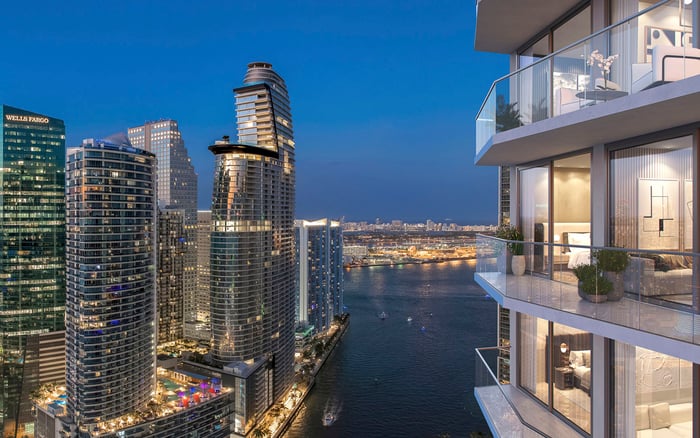
For buyers considering a residence above the 30th floor, a private elevator is only as valuable as the system behind it. This MILLION guide explains which records to request, which reliability questions matter most, and how to evaluate redundancy, maintenance, modernization, backup power, and emergency operation before closing.
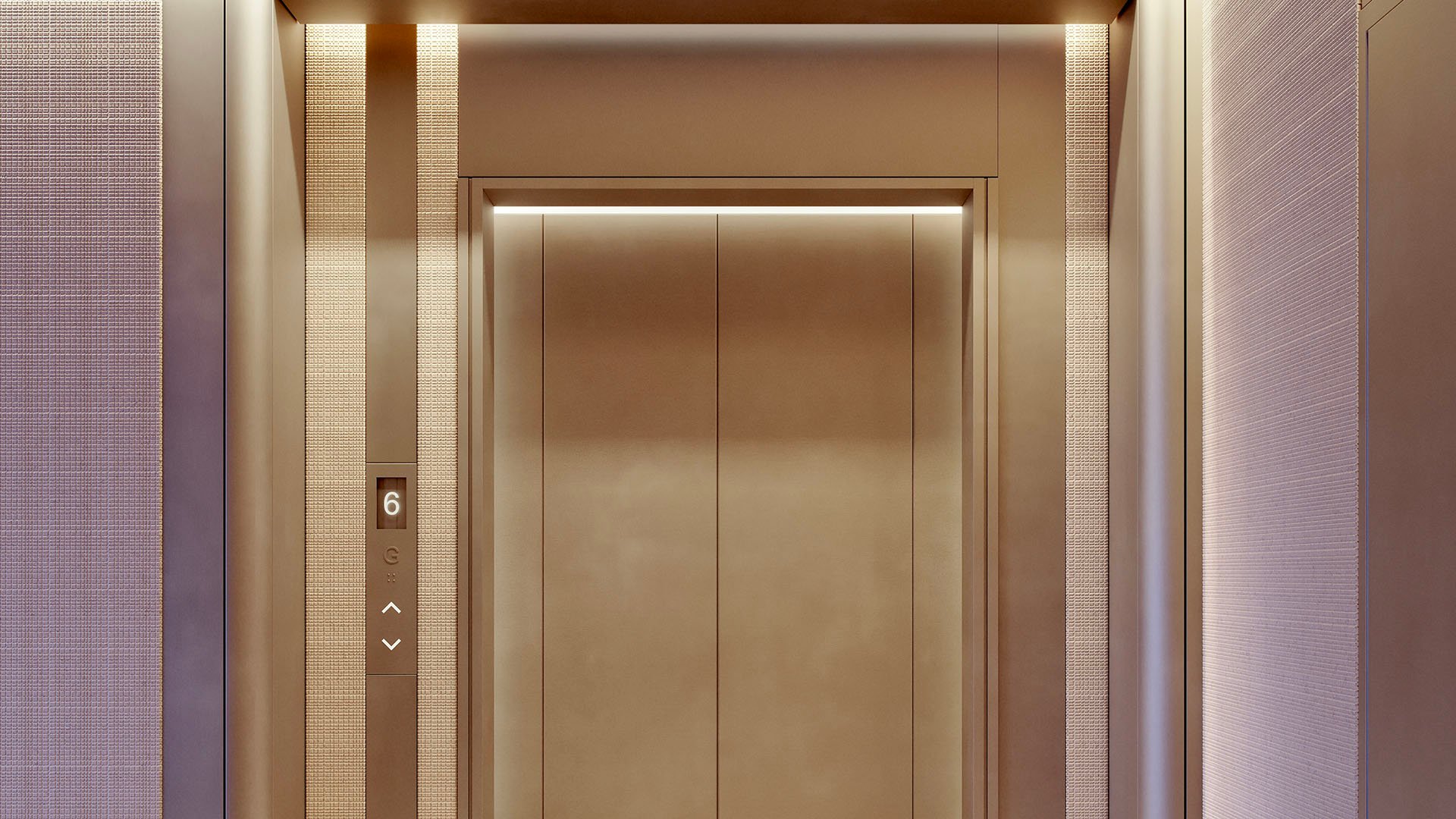
In a South Florida high-rise, the phrase private elevator can sound like a finishing touch. Above the 30th floor, it is more than that: a daily access system, a life-safety consideration, and a practical test of how well a building has been engineered and operated.
For buyers at the upper end of the market, the right question is not whether the residence has a private elevator entry. It is how resilient the full elevator ecosystem remains when traffic peaks, a storm interrupts utility service, a car is taken offline, or emergency procedures alter normal operation.
That distinction matters in skyline residences from Brickell to Sunny Isles and Miami Beach. In towers such as The Residences at 1428 Brickell, Aria Reserve Miami, St. Regis® Residences Brickell, and The Perigon Miami Beach, the premium buyer is not simply purchasing views. They are purchasing dependable vertical transportation several dozen stories above grade.
Start with the building’s current certificate of operation and confirm that the elevators are properly registered and active.
Then ask management, the association, or the seller for five specific documents: the latest inspection report, maintenance logs, outage history, the current maintenance contract, and the most recent reserve study. If available, also request any modernization plan or board discussion that references elevator upgrades.
These records serve different purposes. The certificate and inspection report confirm legal operation and basic compliance. The maintenance logs show whether service has been routine or reactive. The outage history reveals what residents actually experience. The reserve study indicates whether the next major elevator expense is anticipated or waiting to surprise the ownership base.
For a resale purchase, these documents often tell a clearer story than polished common areas. In new construction, ask for the elevator specifications, service strategy, and turnover plans from day one rather than assuming new equipment automatically means smooth performance.
A private elevator experience can still depend on a broader bank of passenger elevators, service cars, and emergency operating protocols. For a residence above the 30th floor, redundancy often matters more than the marketing language.
Ask how many total passenger elevators serve your stack and what happens if one car goes out of service. If your unit has direct access from a dedicated car, ask whether another elevator can realistically serve the residence during maintenance or shutdown. If the answer is complicated, that complexity matters.
Also ask how wait times change during heavy move-ins, deliveries, seasonal occupancy, and holiday weekends. A building may feel seamless on a quiet showing day yet perform very differently at full resident volume. In high-floor product, the best systems are designed to preserve service quality even when one component is temporarily offline.
Buyers often focus on the elevator manufacturer. The more revealing question is how the system is maintained after installation. Preventive maintenance is meant to inspect, adjust, lubricate, and replace worn parts before breakdowns occur. That makes contract structure central to reliability.
Ask whether the agreement includes 24/7 callback service, emergency response, parts coverage, and clear response times for shutdown events or trapped-passenger calls. Ask who the vendor is, whether technicians are local, and what the average callback time is for serious service interruptions.
An elegant cab interior does not tell you whether the building is on a robust full-service contract or a thinner plan built around scheduled visits alone. The difference can shape the resident experience for years.
In towers positioned at the top of the market, such as St. Regis® Residences Brickell or The Perigon Miami Beach, the operational standard buyers expect is closer to hospitality-grade consistency. Your due diligence should reflect that.
Ask the age of the elevator system and whether any modernization has already been completed. Older controls, drives, and door equipment are frequent sources of downtime, especially when a building is relying on original systems well into maturity.
If the tower uses newer digital controls, destination dispatch, remote monitoring, and updated drives, that generally points to a more current operational setup. Destination-control systems can reduce crowding and wait times by grouping passengers more efficiently. Remote monitoring can flag faults in real time and allow earlier intervention. Updated drives can signal a newer equipment package and, in some cases, improved energy performance.
None of this means older buildings should be dismissed. It means they should be questioned more carefully. Ask whether there is a scheduled modernization plan, whether elevator upgrades are funded in reserves, and whether recent board decisions have deferred major work.
Above the 30th floor, backup power is not a footnote. During utility loss, elevators may be unable to run normally. Buyers should confirm whether the building can return an elevator to a safe floor or operate at least one elevator during a power interruption.
Emergency operation also deserves direct, plain-language answers. Ask how elevators behave during alarms, fire service, and other emergency conditions. Ask how those procedures affect access to upper floors and whether residents should expect automatic recall, restricted service, or temporary operational changes.
This is especially relevant in oceanfront towers, where weather exposure, seasonal storms, and utility disruptions can test the building in ways a standard tour never will. A sophisticated buyer should want to understand not only normal service, but degraded service.
Coastal conditions can accelerate corrosion in multifamily buildings, and that concern extends to elevator components and adjacent systems. In practical terms, buyers should ask whether salt-air exposure has required special materials, more frequent maintenance, or corrosion-control measures.
The hoistway itself also matters. Ask whether the shaft and related components have been inspected for water intrusion, corrosion, or structural issues. A tower can present beautifully at the lobby level while concealing expensive conditions inside the service infrastructure.
For buyers in Miami Beach, Sunny Isles, or Bal Harbour locations, this is not a technical side note. It is a fundamental ownership question. Corrosion-related conditions can affect both reliability today and modernization cost later.
Before contract contingencies expire, ask these questions in writing:
What is the current certificate status for each relevant elevator?
What did the latest inspection identify, if anything?
How many outages occurred in the last 12 to 24 months?
How many elevators serve the stack, and what is the fallback if one is offline?
Does the maintenance contract include 24/7 callback service, emergency response, and parts?
Is the system remotely monitored?
Has any modernization been completed, and what remains scheduled?
Does the latest reserve study specifically budget for elevator modernization?
What backup power is available for elevator operation during outages?
Have there been hoistway, corrosion, or water-intrusion concerns?
The answers do not need to be perfect. They need to be coherent, documented, and financially credible.
What is the first elevator document a buyer should request? Start with the current certificate of operation, then pair it with inspection records and maintenance logs for a fuller picture.
Is a private elevator always more reliable than a shared system? No. Privacy is a design feature; reliability depends on redundancy, maintenance quality, and system condition.
Why does redundancy matter above the 30th floor? If one car is down, upper-floor access can become materially less convenient or, in some layouts, operationally difficult.
Should I ask for outage history even if the building is compliant? Yes. Compliance does not show how often residents actually deal with breakdowns, delays, or extended waits.
What should be in the maintenance contract? Look for preventive service, 24/7 callback coverage, emergency response terms, and clarity on parts coverage.
Do newer digital controls make a meaningful difference? Often yes. Updated controls, remote monitoring, and destination dispatch generally indicate a more current system.
How important is backup power in a luxury tower? Very important. You want to know whether at least one elevator can return or operate during utility loss.
What is elevator modernization, in simple terms? It is the major upgrade cycle for long-life systems such as controls, drives, doors, and related components.
Why ask about corrosion in coastal South Florida? Salt-air exposure can accelerate wear on building systems, which may affect elevator reliability and future repair scope.
What is the clearest sign that a building takes elevator reliability seriously? Organized records, consistent maintenance, realistic reserves, and precise answers about emergency and backup operation.
When you're ready to tour or underwrite the options, connect with MILLION.
If branded residences are on your mind — as a home or as an allocation — we would be glad to share what we are seeing, privately.
Begin a quiet conversation