A buyer-focused comparison of Banyan Tree Residences West Palm Beach and The Bristol Palm Beach, examining wellness branding, service models, and the distinction between West Palm Beach momentum and Palm Beach stature.
At the highest tier of Palm Beach County real estate, buyers are often comparing far more than finish palettes or views. They are choosing between two expressions of luxury identity. In this matchup, Banyan Tree Residences West Palm Beach presents a newer branded proposition shaped by hospitality, wellness, and service continuity. The Bristol Palm Beach, by contrast, represents a more established expression of luxury rooted in Palm Beach stature, privacy, and the enduring cachet of a traditional island address.
That distinction matters. One residence is framed around a brand ecosystem associated with wellbeing, signature service, and hotel-style operations. The other is better understood as a pure residential address, where the allure is less about hospitality immersion and more about proven exclusivity. Neither is inherently superior. Each reflects a different idea of what elite ownership should feel like.
For readers, the more useful question is not which property is better in the abstract. It is which one better reflects the life the buyer intends to lead.
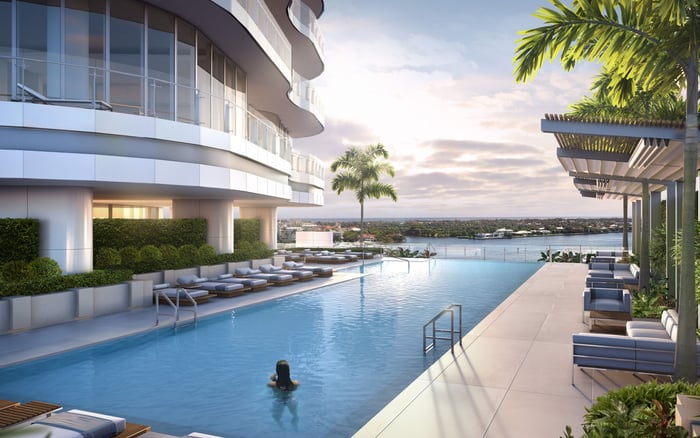
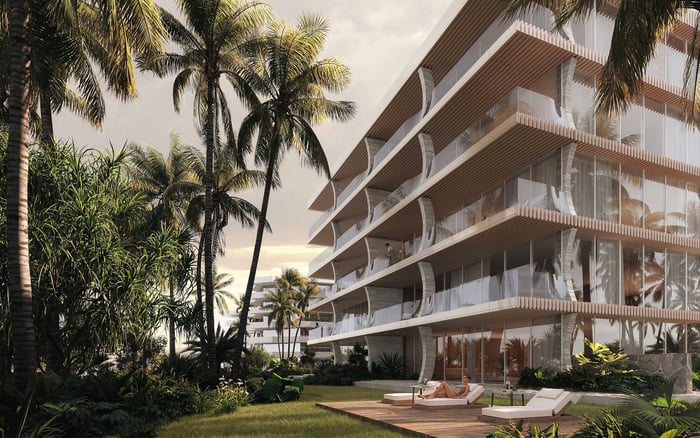
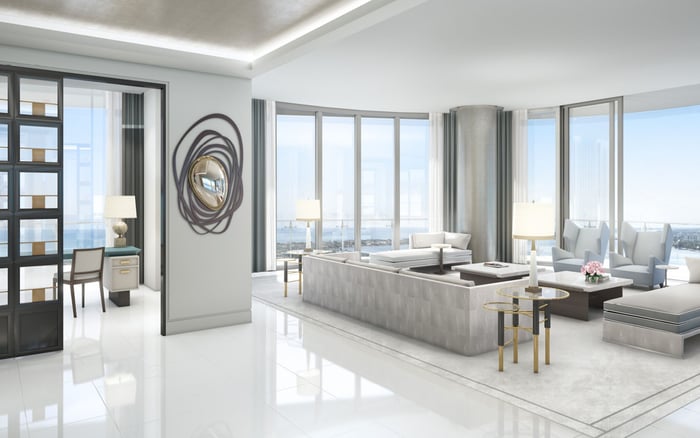
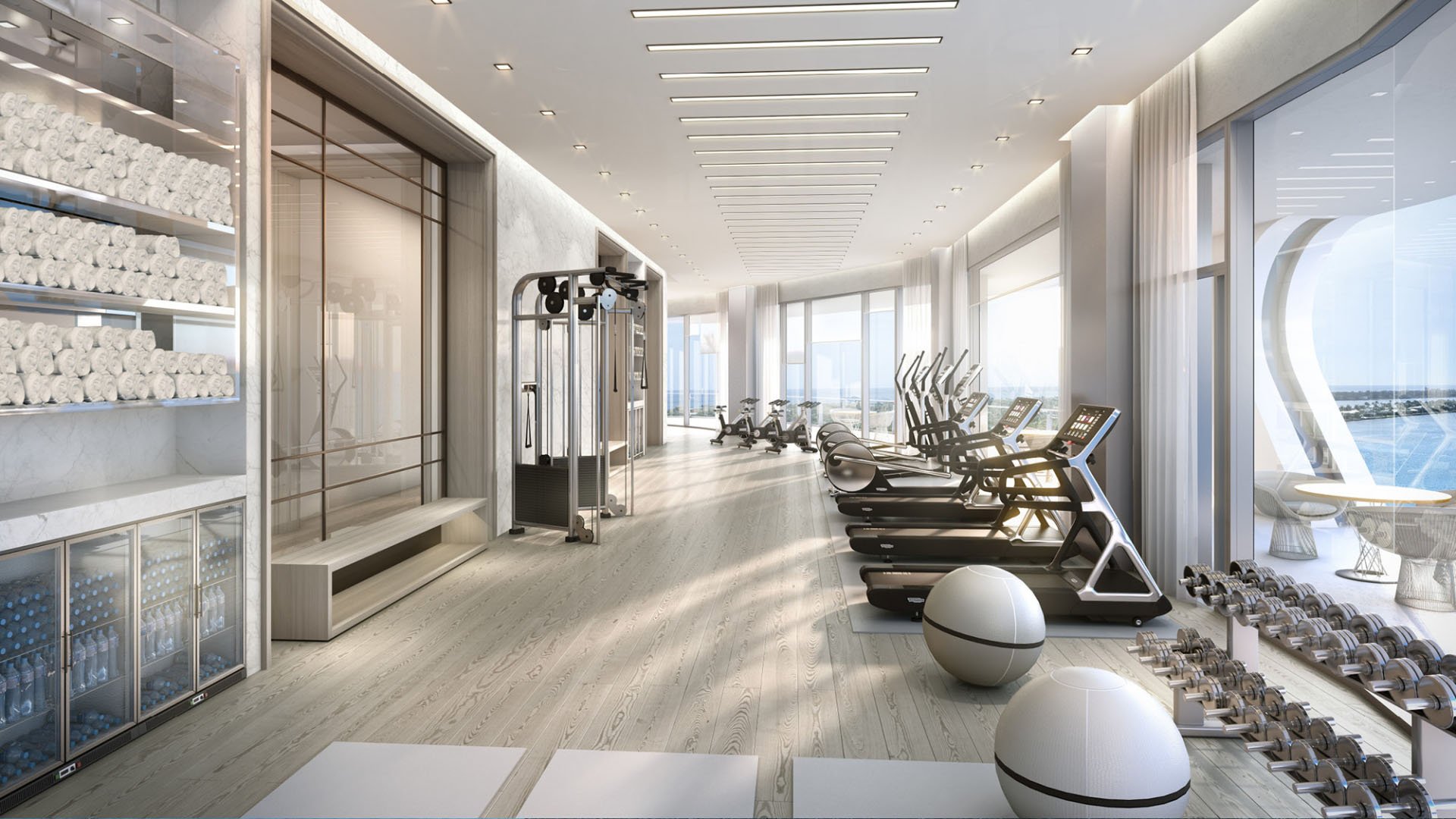
Banyan Tree Residences West Palm Beach enters the conversation with a distinctly contemporary luxury thesis. Its appeal begins with branding, but not branding in a decorative sense. The proposition is tied to a hospitality and wellness ecosystem, suggesting owners are buying into an operating philosophy as much as a residence. Service, convenience, and a global sense of familiarity are central to the offering.
This marks a meaningful departure from the standalone condominium model. Banyan Tree’s residential concept emphasizes signature services, hotel-style operations, and owner access to a broader international luxury network. For globally mobile buyers, that can be compelling. It suggests a degree of consistency across destinations, along with a lifestyle calibrated around wellbeing rather than social prestige alone.
It also places the project squarely within the newer West Palm Beach narrative. The district has become increasingly associated with fresh waterfront ambition, new inventory, and a more urban interpretation of luxury living. Within that landscape, Banyan Tree aligns with other projects that express a modern branded sensibility, such as Alba West Palm Beach, Mr. C Residences West Palm Beach, and Forté on Flagler West Palm Beach. The through-line is not sameness, but a shared emphasis on experience-led ownership.
For buyers who prioritize wellness, ease, and brand-managed service, Banyan Tree may emerge as the more forward-looking option. Its value proposition is especially clear for a second-home purchaser who prefers seamless operations and a polished arrival experience over the rituals of an older Palm Beach hierarchy.
The Bristol Palm Beach occupies a different psychological category. Its strength is not that it tries to be everything. Its strength is that it does not need to. The project is best understood as a full-service residential address whose prestige comes from location, discretion, and established ultra-luxury positioning rather than from a hospitality-led concept.
That distinction will resonate with buyers who want a residence to feel like a residence first. Concierge-style services and elevated amenities support the ownership experience, but the central promise is privacy-forward living. The Bristol is not asking purchasers to buy into a wellness platform. It is offering them a proven address within one of South Florida’s most socially legible luxury enclaves.
That matters profoundly in Palm Beach. For many buyers, the island still carries a symbolic weight that downtown West Palm Beach does not replicate, no matter how sophisticated the newer inventory becomes. The appeal is traditional, but not dated. It is about confidence, continuity, and a kind of social permanence.
The clearest contrast between Banyan Tree and The Bristol is location. Banyan Tree belongs to West Palm Beach, which increasingly appeals to buyers drawn to urban waterfront energy, contemporary development, and the sense of entering a district still expanding its luxury vocabulary. The Bristol belongs to Palm Beach proper, where the draw is less reinvention and more inherited prestige.
In practical terms, this means the purchase decision may be as much cultural as financial. A buyer who wants to feel connected to a newer, city-facing rhythm may prefer West Palm Beach. A buyer who wants the unmistakable social shorthand of Palm Beach may be unwilling to compromise on island geography.
For this reason, direct comparisons can become misleading when reduced to amenities alone. Even if two properties offer similarly elevated service, the surrounding identity of each address changes the emotional value of ownership. Palm Beach is often chosen for stature. West Palm Beach is often chosen for energy, access, and contemporary relevance.
Service is another fault line between these properties. Banyan Tree’s proposition depends on branded operations and hospitality adjacency. That tends to appeal to buyers who value seamlessness: a residence that operates with the polish of a luxury hotel, supported by a recognizable service culture.
The Bristol’s appeal is more residentially pure. Full-service does not mean hotel-like in the same way. It suggests attentiveness without over-programming, support without brand theater, and a daily environment oriented toward privacy rather than immersion.
This is where personal taste becomes decisive. Some owners want wellness integrated into the fabric of the building and appreciate service as a visible component of luxury. Others see true luxury as quiet efficiency, where everything is handled but nothing feels performative. Banyan Tree is the stronger expression of the first idea. The Bristol is the stronger expression of the second.
Banyan Tree is likely to resonate with buyers who see branded living as an advantage, not a compromise. That includes internationally minded purchasers, wellness-oriented households, and those looking for a new project in West Palm Beach with a strong emphasis on convenience and curated service. It may also appeal to buyers who are comfortable with newer market narratives and who value experiential luxury over inherited social codes.
The Bristol is the more natural match for buyers who prioritize proven prestige, a clearly residential atmosphere, and the longstanding desirability attached to Palm Beach. This profile often includes purchasers for whom address matters as much as architecture, and for whom discretion is a core amenity.
Pricing and inventory comparisons should be approached carefully. Publicly available details can shift, and the market at this level often requires direct verification before any meaningful value judgment is made. That is particularly true when weighing a newer branded property against a more established resale benchmark.
If the brief is newer wellness positioning, Banyan Tree is the sharper answer. Its identity is coherent, modern, and tied to a larger hospitality worldview that feels in step with where a portion of luxury demand is moving.
If the brief is proven Palm Beach stature, The Bristol remains the clearer expression of that aspiration. It offers the confidence of a recognized residential archetype in a location whose prestige requires little explanation.
The more sophisticated buyer will recognize that this is not a contest between old and new. It is a choice between two luxury languages. One speaks in service, wellbeing, and branded fluidity. The other speaks in address, privacy, and permanence.
Is Banyan Tree Residences West Palm Beach a branded residence? Yes. It is positioned as a branded residential offering connected to a broader hospitality and wellness ecosystem.
Is The Bristol more traditional than Banyan Tree? In market positioning, yes. The Bristol aligns more closely with a classic full-service residential model centered on privacy and prestige.
Which project is better for wellness-focused buyers? Banyan Tree is the stronger fit for buyers who want wellbeing and service woven directly into the ownership experience.
Which address carries stronger Palm Beach social prestige? The Bristol, because its appeal is tied to Palm Beach proper and the status associated with that geography.
Is West Palm Beach the same as Palm Beach for luxury buyers? No. Both are highly desirable, but they project different identities, with West Palm Beach feeling newer and Palm Beach feeling more established.
Does Banyan Tree appeal to international buyers? It can, particularly for those who value a consistent luxury brand experience across multiple destinations.
Is The Bristol a hotel-residence concept? It is better understood as a pure residential luxury property rather than a hospitality-led hybrid.
Are direct price comparisons easy to make between the two? Not always. Inventory and asking details can be limited, so current pricing should be verified directly before drawing conclusions.
Who is Banyan Tree best suited for as a second-home purchase? Buyers who want service-rich ownership, convenience, and a wellness-led residential identity may find it especially attractive.
What is the simplest way to choose between them? Decide whether you value branded wellness living in West Palm Beach or established residential prestige in Palm Beach more highly.
For a confidential assessment and a building-by-building shortlist, connect with MILLION.
If branded residences are on your mind — as a home or as an allocation — we would be glad to share what we are seeing, privately.
Begin a quiet conversation