A discreet buyer’s guide to selecting a South Florida residence that welcomes family, friends and visiting clients while preserving the owner’s daily privacy.
For many South Florida buyers, hospitality is part of the purchase brief. A residence must welcome family for winter holidays, host friends before an evening in Miami, accommodate adult children, and occasionally receive business guests without turning the owner’s private life into a public lobby performance. The best building is not simply the one with the most amenities. It is the one that choreographs access, discretion, and separation with quiet confidence.
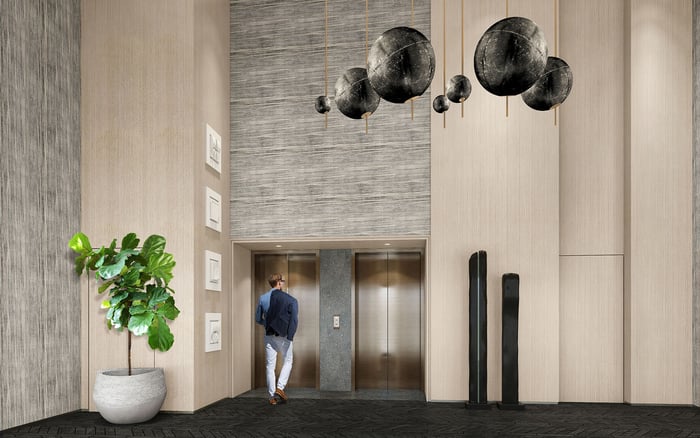
Privacy is rarely a single feature. It is a sequence. It begins at the curb, continues through the lobby, elevator, amenity floors, and residence entry, then resolves inside the plan itself. A building may feel glamorous during a tour, but the more revealing test is how it behaves on a busy Friday night when guests, deliveries, valet traffic, and residents converge.
For a second-home owner, this matters even more. Guests may arrive while the owner is traveling, staff may need to coordinate access, and the residence must remain secure without feeling inhospitable. The goal is a building that makes hosting effortless while keeping the owner’s personal routines largely invisible.
The most important privacy test is simple: where do guests go, who sees them, and how much of your life do they pass through before reaching you? A strong building offers a clear, managed arrival experience that does not require guests to wander, wait in exposed areas, or rely on ad hoc instructions.
In dense urban settings such as Brickell, the difference between a polished arrival and a chaotic one can shape daily life. A residence at 2200 Brickell, for example, belongs to a neighborhood where walkability, dining, and business access are central to the lifestyle, so buyers should pay close attention to valet flow, lobby staffing, elevator control, and the ease of receiving visitors without sacrificing the resident’s sense of retreat.
Ask whether guest access is direct or overly public. Consider whether elevators open near social spaces, whether staff can announce guests discreetly, and whether visitors can be guided to an amenity area without crossing the owner’s private threshold. The best experience feels gracious, not guarded.
Frequent guests do not always need to enter the residence. In fact, the most privacy-conscious buyers often choose buildings where entertaining can begin and end within the amenity collection. Private dining rooms, lounges, terraces, wellness areas, and pool decks can absorb social activity without requiring the owner to open the entire home.
This is especially relevant in Miami Beach, where visiting friends may expect a resort-like cadence. At The Perigon Miami Beach, the broader appeal of the setting naturally invites guests to linger near the water, dine nearby, and enjoy the beach lifestyle. A buyer who hosts often should evaluate whether the building’s shared spaces feel sufficiently refined for entertaining, and whether those spaces are separated from the residential corridors.
A well-designed amenity floor can act as an extension of the home, but with more control. It allows a brunch, cocktail hour, or family gathering to unfold in a neutral setting. When the evening ends, the owner returns upstairs to a residence that has remained private, tidy, and calm.
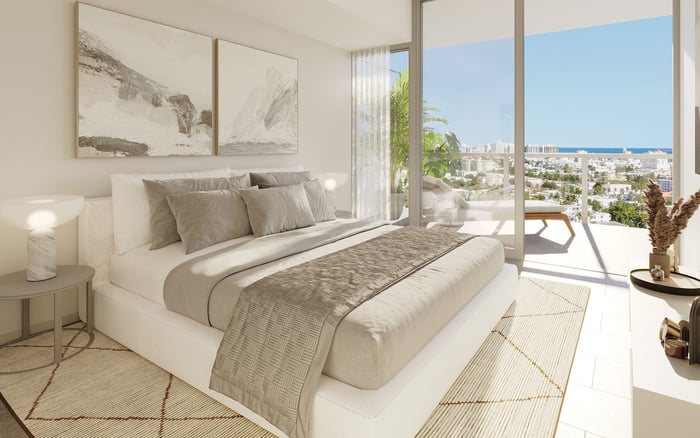
Inside the residence, privacy depends on circulation. A generous bedroom count alone is not enough. The plan should separate guest suites from the primary suite, place powder rooms where visitors do not cross personal zones, and allow entertaining areas to function without exposing closets, family bedrooms, or workspaces.
Look for a clear public-to-private gradient. The foyer should create a pause. The living and dining areas should be intuitive for visitors. Guest rooms should feel comfortable without being so embedded in the owner’s wing that every late-night arrival becomes intrusive. If staff, catering, or housekeeping will be present during visits, service paths and secondary entries can become highly valuable.
Terraces also matter. A large outdoor room can shift entertaining away from interior spaces, especially during South Florida’s winter season. But buyers should study sightlines from neighboring towers and amenity decks. A terrace that feels spectacular at noon may feel exposed at night if it lacks depth, screening, or thoughtful orientation.
The word boutique can be alluring for privacy-minded buyers, but it needs interpretation. A smaller building may offer fewer neighbors, a calmer lobby, and a more residential atmosphere. It can also mean fewer duplicate amenity spaces, less staffing depth, or more visible guest movement because everyone recognizes everyone.
Larger full-service buildings may provide more layers between the owner and the guest experience: multiple lounges, dedicated staff, expansive pool areas, private rooms, and controlled elevator systems. The tradeoff is density. More residents can mean more visitors, more deliveries, and more activity in shared areas.
Neither model is automatically superior. The right choice depends on the owner’s hosting style. If guests are mostly close family staying for a week, a quiet boutique environment may feel ideal. If the owner entertains frequently, a larger building with a sophisticated amenity program may provide better separation between hospitality and home life.
Privacy is also geographic. A building in an entertainment-driven district will receive guests differently than a residence on an island, a waterfront enclave, or a more residential stretch of coast. Buyers should be honest about the guest pattern: weekend friends, seasonal family, international visitors, adult children, business contacts, or all of the above.
In Sunny Isles, vertical beachfront living often appeals to buyers who want water views, resort energy, and a destination feel. At Bentley Residences Sunny Isles, the name itself signals a high-design, high-privacy expectation, so a buyer should focus on how the building experience supports both arrival discretion and guest comfort.
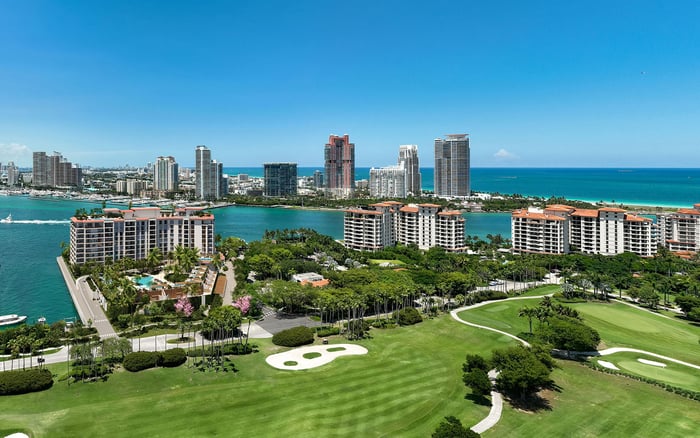
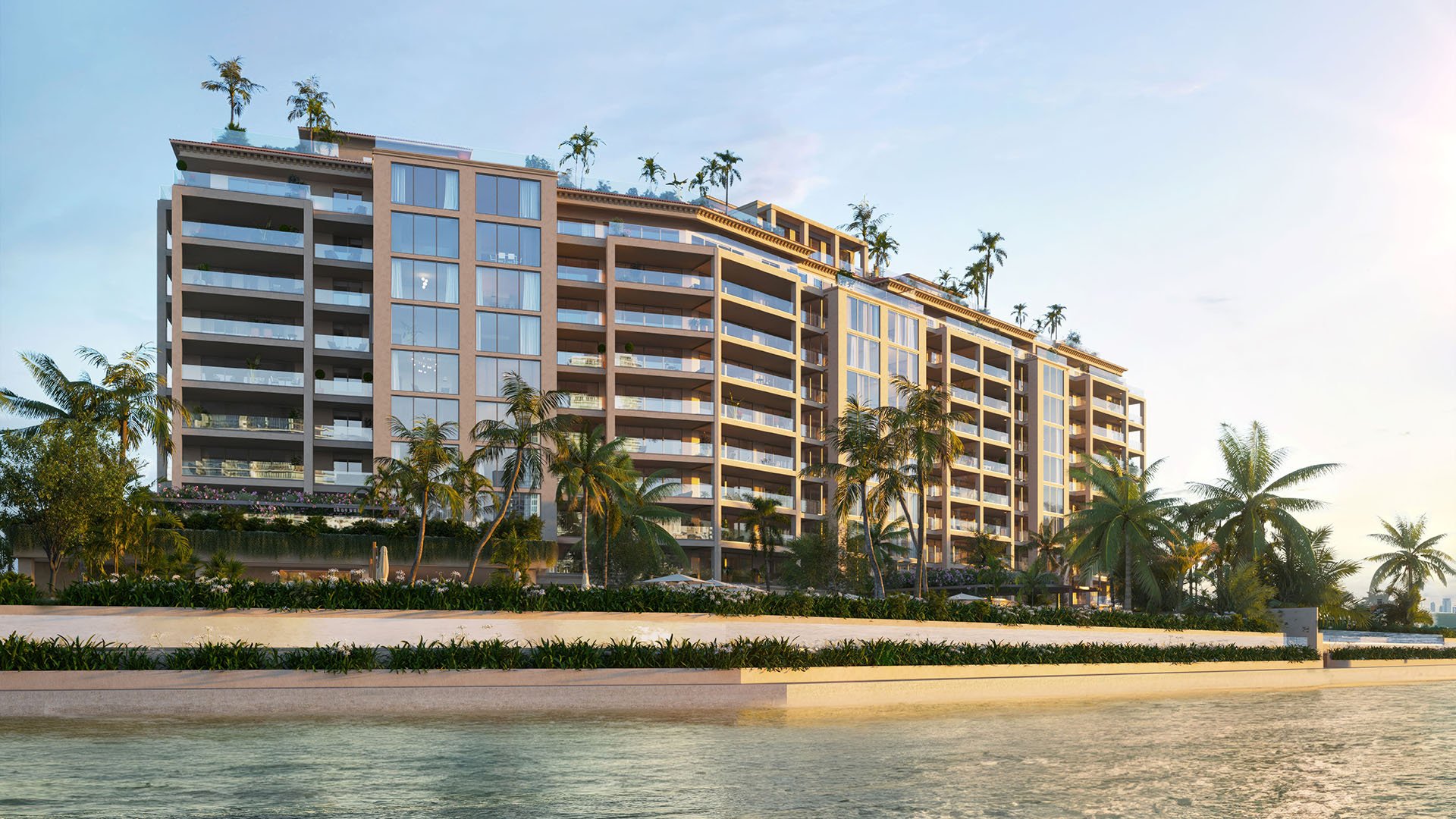
For those who want a more insulated rhythm, Fisher Island represents a different privacy proposition. The Residences at Six Fisher Island suits the conversation around controlled access, seclusion, and a lifestyle where guests are planned rather than incidental. That can be invaluable for owners who host often but want their everyday life to remain quietly removed.
Before choosing a building, walk the property at different times of day. Observe the lobby during peak arrival hours. Notice whether staff recognize residents without overexposing them. Ask how guests are registered, how vendors are handled, how amenity reservations work, and whether private events have rules around hours, catering, and capacity.
Study the elevator system. Direct elevator access can be luxurious, but it also places guests immediately at the residence. A semi-private vestibule, controlled access protocol, or staffed transition point may be preferable for owners who frequently host. Conversely, a long path through public areas can feel inefficient and less discreet.
Finally, review building culture. Some properties are quiet and residential. Others are social, active, and guest-friendly. Both can be excellent, but only one may match the owner’s desired balance. The most successful purchase is the building where guests feel welcomed and the owner still feels unseen when privacy matters.
What is the most important privacy feature for frequent guests? A controlled arrival sequence is often the priority, including valet, lobby protocol, elevator access, and staff coordination.
Should I choose a larger building if I entertain often? Larger buildings can offer more amenity spaces that keep gatherings outside the residence, but they may also bring more daily activity.
Is a boutique building always more private? Not always. Boutique properties can feel intimate, but fewer shared spaces may make guest movement more noticeable.
How should I evaluate guest suites? Look for separation from the primary suite, easy bathroom access, and a location that does not interrupt the owner’s daily routine.
Are private elevators better for privacy? They can be, but only if guest access is carefully controlled before the elevator ride begins.
Why do amenity spaces matter for privacy? They allow owners to host dinners, meetings, or family gatherings without opening the entire residence.
What should second-home buyers prioritize? They should focus on access control, staff coordination, secure guest procedures, and a residence that is easy to manage remotely.
How does neighborhood choice affect privacy? Active districts may be convenient for guests, while island or waterfront enclaves can provide a more controlled social rhythm.
Should I visit the building at night before buying? Yes. Evening visits reveal lobby traffic, valet patterns, amenity use, and the true social character of the property.
Can a home be guest-friendly and private at the same time? Yes. The right building uses thoughtful circulation, amenity separation, and staff protocol to support both hospitality and discretion.
For a tailored shortlist and next-step guidance, connect with MILLION.
If branded residences are on your mind — as a home or as an allocation — we would be glad to share what we are seeing, privately.
Begin a quiet conversation