A discreet guide to privacy planning for South Florida buyers considering high-profile branded residences, from entity planning and communications discipline to building culture, staff protocols, digital exposure, and resale discretion.
Buying in a branded residence presents a particular paradox. The address may be designed for discretion, with private arrivals, attentive service, and a hospitality standard that anticipates needs before they are spoken. Yet the brand itself can heighten visibility. A recognizable name can draw attention from neighbors, guests, service providers, vendors, media observers, and digital data aggregators long before a buyer ever hosts a dinner.
For South Florida’s most privacy-conscious purchasers, the goal is not secrecy for its own sake. It is control: control over who knows the buyer is in the market, who handles sensitive documents, how the acquisition appears in records and communications, and how life inside the building is experienced after closing. That work should begin before a showing request is made.
In high-profile markets such as Brickell, Miami Beach, Sunny Isles, Surfside, and Fisher Island, the strongest strategy is usually coordinated from the outset. Legal counsel, tax advisors, financing professionals, title representatives, and the buyer’s real estate advisor should be aligned early, before names circulate through too many inboxes. Privacy is strongest when it is designed into the transaction, not repaired after attention has already attached itself to the purchase.
The first privacy conversation often centers on how the property will be owned. Some buyers explore limited liability companies, trusts, or other structures as part of a broader estate, tax, and asset-planning conversation. The point is not to choose a structure casually. It is to define what the buyer is trying to protect, then ask qualified advisors which structure serves that purpose without creating avoidable complications.
For some purchasers, the priority is keeping a personal name out of routine conversations. For others, the concern is succession planning, family governance, financing, or separating a residence from operating businesses. A branded residence can add another layer, because the buyer may also be interacting with reservation teams, management staff, designers, art handlers, household employees, club personnel, and security vendors. Each touchpoint can either preserve discretion or weaken it.
Before signing a contract, the buyer’s team should understand who must be identified, which documents are required, how funds will move, and which parties will see beneficial ownership information. A well-run acquisition avoids improvisation. It also avoids the false comfort of assuming that one legal entity automatically solves every privacy concern.
Discretion is often lost through small habits rather than formal disclosures. A buyer forwards floor plans from a personal email address. An assistant uses a full legal name in a calendar invite. A designer requests renderings without a confidentiality understanding. A family member shares a view photo before closing. None of these moments feels dramatic, but together they create a trail.
A cleaner approach is to centralize communications. Use a limited circle of advisors. Decide which names, email addresses, phone numbers, and mailing addresses will appear in transaction communications. Ask that sensitive materials be handled through secure channels whenever practical. Keep the buying group small, especially during early negotiations.
This is particularly important in sought-after branded projects, where curiosity is part of the marketplace. A buyer touring 888 Brickell by Dolce & Gabbana or considering St. Regis® Residences Brickell may be drawn to the identity of a recognized residential brand. In both cases, the brand is part of the appeal, but the buyer’s personal visibility should not become part of the marketing aura.
Privacy is not only a legal issue. It is architectural, operational, and social. A discreet home depends on how arrivals are managed, how staff are trained, how service requests are routed, how visitors are announced, and how common spaces feel at peak times. In a branded residence, the service promise can be extraordinary, but buyers should still ask precise questions about daily life.
Consider the path from car to elevator. Consider whether household staff, guests, wellness providers, chefs, drivers, stylists, and security personnel can move efficiently without creating a public scene. Consider whether the lobby functions as a social stage or a quiet threshold. Consider how package handling, food delivery, pet services, and maintenance access are coordinated.
A buyer looking at The Perigon Miami Beach or Bentley Residences Sunny Isles should look beyond brochure language and consider how the building behaves when the owner wants quiet, speed, and anonymity.
A branded residence can signal taste, permanence, and access. It can also invite assumptions. Some buyers welcome the social identity that comes with a nameplate building. Others want the design, service, and location without becoming part of the address’s public mythology. That distinction should guide every choice.
If privacy is paramount, avoid telegraphing the purchase through public-facing lifestyle cues. Be careful with social media images that reveal views, elevator details, lobby finishes, terrace lines, or marina perspectives. Ask household staff and vendors to respect posting restrictions. Avoid turning the move-in into a sequence of visible deliveries that announce timing, unit scale, or ownership.
This is especially relevant for buyers who split time among several residences. A second-home pattern can make a property feel private because it is used selectively, but it can also make occupancy more predictable if routines become visible. The more recognizable the building, the more disciplined the owner’s personal protocols should be.
Privacy planning should also look forward. A future resale, lease consideration, renovation, or family transfer can reopen visibility. Photos, floor plans, furnishings, art, terrace views, and customized interiors may reveal more than the owner intends. Before allowing marketing images, renovation submissions, or vendor proposals to circulate, define what should remain private.
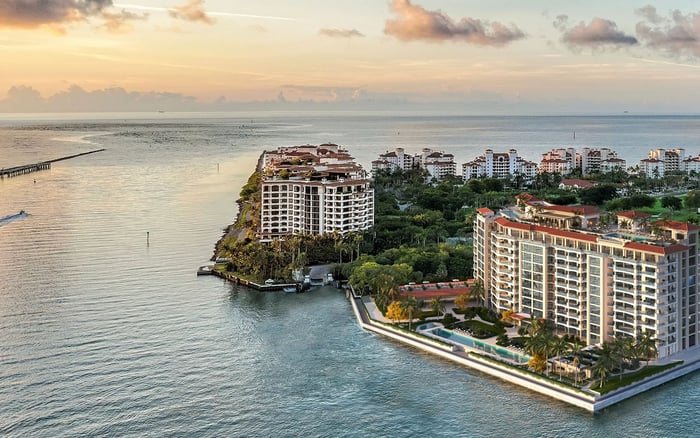
For buyers considering ultra-private enclaves, The Residences at Six Fisher Island can be part of a broader privacy conversation. Yet no setting eliminates the need for discipline. A discreet address can still be compromised by loose communications, casual vendor access, or an avoidable digital footprint.
Investment thinking should be handled with similar care. If the residence is part of a larger portfolio, the buyer should decide who is authorized to discuss it, how performance or rental possibilities are evaluated, and how documents are stored. Privacy is not opposed to sophistication. In the best purchases, it is a measure of sophistication.
Before entering serious negotiations, assemble a compact advisory team and clarify who communicates with whom. Decide whether the buyer’s personal name, an entity name, or an advisor’s name will be used at each stage, subject to legal and transaction requirements. Confirm that everyone understands confidentiality expectations.
During due diligence, ask practical building questions. How are visitors handled? How are staff trained? How are service elevators scheduled? How are amenity reservations managed? How are deliveries screened? How visible are arrivals from the street, lobby, restaurant spaces, or neighboring properties?
Before closing, review all mailing addresses, contact details, insurance documents, utility setup, designer contracts, and household staffing arrangements. After closing, establish a household privacy policy that covers guests, photography, vendors, and digital sharing. A beautifully private residence can be undone by one casual post from someone who did not understand the stakes.
The most desirable branded residences in South Florida are not merely places to live. They are ecosystems. The buyer who understands that ecosystem can enjoy the polish of a global residential brand while maintaining the personal discretion that true luxury requires.
Should I create an LLC or trust before buying a branded residence? Discuss ownership structure with qualified legal and tax advisors before signing. The right approach depends on privacy goals, financing, estate planning, and compliance needs.
Can a branded residence still be private if the building is famous? Yes, but privacy must be managed. The building’s operations, staff protocols, arrival sequence, and your own communications discipline all matter.
When should I bring privacy advisors into the process? As early as possible. Once names, emails, and documents circulate widely, it becomes harder to reduce visibility.
What should I ask the sales team about privacy? Ask about visitor handling, service access, package delivery, staff training, amenity reservations, and how resident information is protected in daily operations.
Are private elevators enough to ensure discretion? No. Private elevators can help, but privacy also depends on parking, lobby design, staff procedures, guest management, and digital habits.
How can I reduce attention during showings? Use a small advisory circle, avoid unnecessary personal details, and keep scheduling and communications controlled through trusted representatives.
Should family offices handle branded residence purchases directly? They can be valuable coordinators, but roles should be clearly defined. Legal, tax, real estate, and household teams should avoid duplicating or exposing information.
How do social media posts affect privacy? Photos can reveal views, finishes, timing, and location clues. Set clear expectations with family, guests, staff, designers, and vendors before move-in.
Does privacy matter for resale value? It can matter to future buyers who value discretion. Controlled photography, careful marketing, and limited personal disclosure can preserve the home’s quiet appeal.
What is the best first step for a privacy-focused buyer? Define what privacy means to you, then build the purchase process around that goal with a small, trusted advisory team.
When you're ready to tour or underwrite the options, connect with MILLION.
If branded residences are on your mind — as a home or as an allocation — we would be glad to share what we are seeing, privately.
Begin a quiet conversation