A discreet buyer’s guide to selecting sunset-facing South Florida residences while preserving privacy, comfort, and long-term livability.
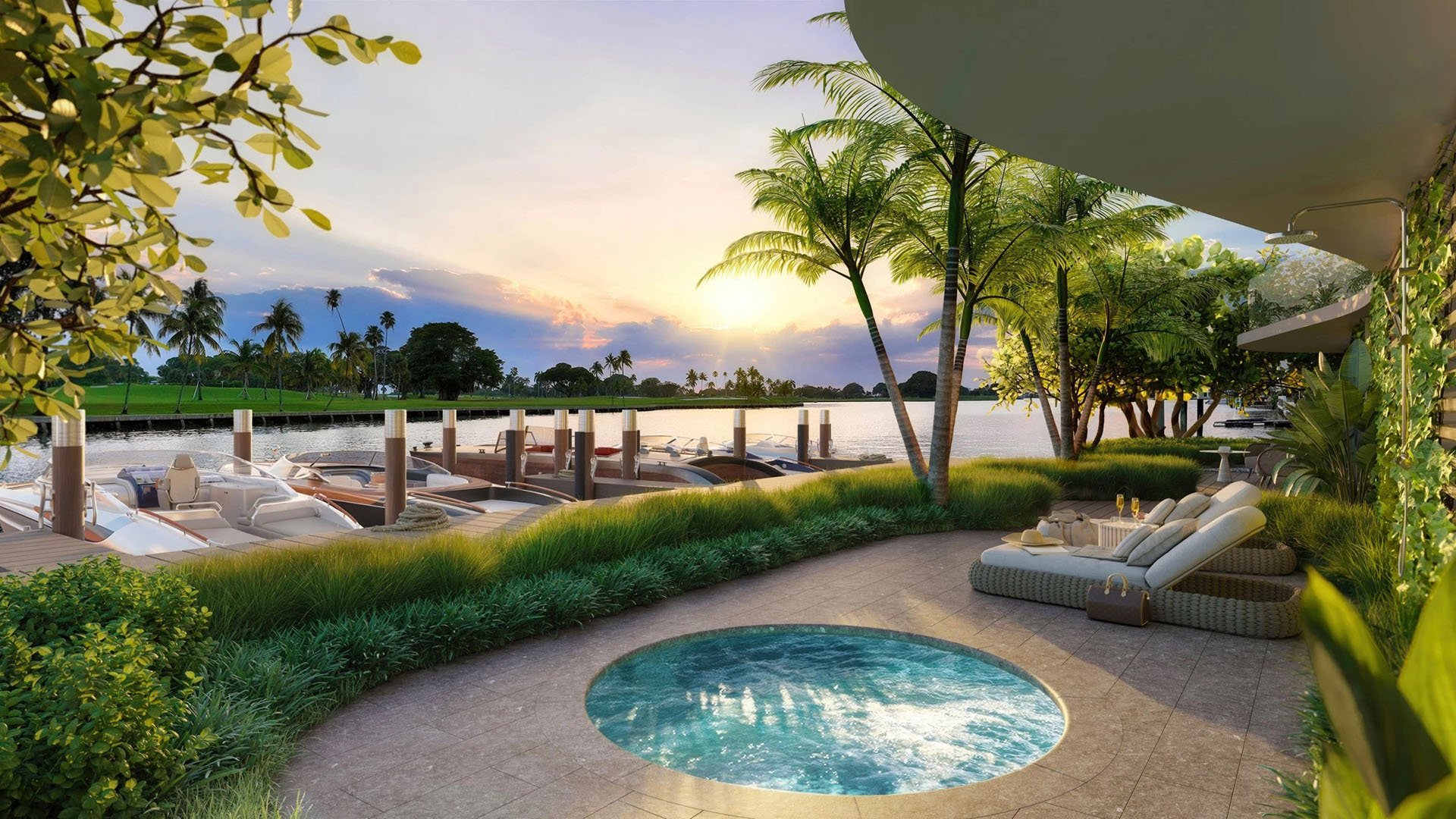
Buying for sunset light is an exercise in restraint. The impulse is emotional: a warm western sky, water turning reflective, a dining room shifting tone by the minute. Yet in South Florida luxury real estate, the most successful sunset-facing home is not simply the one with the brightest evening view. It is the one that welcomes the light while protecting the household from glare, heat, and unwanted observation.
The goal is balance. A residence should feel open at golden hour and composed at every other hour. That requires close study of orientation, neighboring buildings, terrace depth, landscaping, glass performance, and the way rooms are actually used. A beautiful sunset is a moment. Privacy is a daily condition.
A west or southwest exposure may be the obvious starting point, but orientation alone is too crude a filter. Buyers should ask where the sun lands in the living room, how long the strongest light remains, and whether the primary suite receives evening glow or becomes uncomfortably exposed. A dramatic view from one chair does not guarantee a livable plan.
Visit late in the day whenever possible. Stand where you would sit for dinner. Open and close shades. Study reflective surfaces, art walls, and television placement. A residence that feels cinematic for ten minutes may feel harsh if the glazing, room depth, or shade strategy is not well considered.
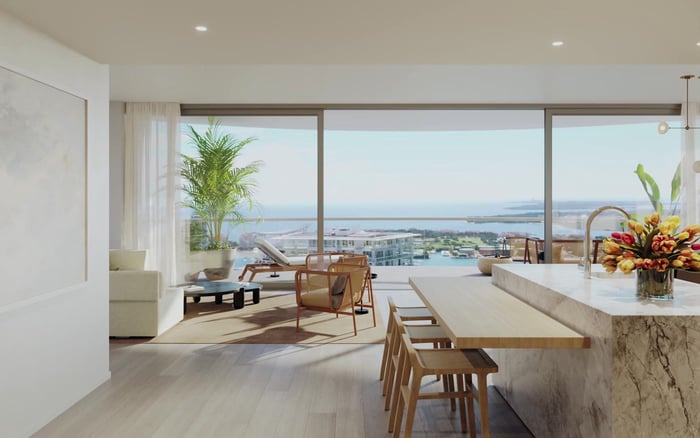
In vertical urban settings such as Brickell, sunset light can be especially compelling because the skyline becomes part of the composition. When considering a glass-forward tower such as The Residences at 1428 Brickell, the question is not only what you see at dusk, but who can see back once interiors are illuminated.
Privacy is often lost diagonally, not directly. A neighboring balcony, a pool deck several floors below, or a tower offset across the street can create views into rooms that felt private during a quick daytime tour. Bring binocular logic to the showing: identify every angle from which the residence may be visible, then consider how life would look after dark.
The best buyers separate view corridors from exposure corridors. A broad bay or ocean outlook may be valuable, but a secondary line of sight into the kitchen, bath, or primary suite can change the entire experience. Look from inside out, then imagine the reverse. If a room requires permanent shades to feel comfortable, it may not be the private sunset home it first appeared to be.
Floor height can help, but it is not a cure. Higher floors may clear immediate neighbors, while low-rise surroundings may offer fewer direct peers. The right answer depends on the site, the building spacing, and the plan.
A sunset-facing terrace should function like an outdoor room, not an exposed platform. Depth matters because it creates shadow, furniture flexibility, and a buffer between the glass line and the view. Side walls, planters, screens, and overhangs can all soften exposure while preserving openness.
The most private terraces create a sense of enclosure without feeling sealed. A dining area may need more shielding than a lounge chair. A plunge pool or summer kitchen may require a different sightline analysis than a simple seating vignette. The test is simple: can you use the terrace at dusk without feeling staged?
In beachfront and coastal settings, this becomes especially important. A residence associated with The Perigon Miami Beach should be evaluated through the lived experience of its outdoor areas: where guests gather, how the sun moves across the terrace, and whether neighboring vantage points interrupt the sense of retreat.
Glass can make or break a sunset purchase. Buyers should ask about tint, reflectivity, operable shading, and the relationship between window walls and interior finishes. Pale stone, polished surfaces, and mirrored details can intensify glare. Softer textures, deeper rooms, and layered window treatments can make the same exposure feel more serene.
Smart glass and motorized shades may improve comfort, but technology should support the architecture rather than compensate for a poor fit. If a home depends on constant opacity to feel private, the view may be compromised in practice. The ideal condition is more subtle: transparent when desired, softened when necessary, and never fully defensive.
Furniture planning also matters. A sofa placed too close to west-facing glass can feel exposed. A dining table may be better slightly recessed, allowing the sunset to wash the room rather than confront it. Privacy is partly architectural, partly behavioral, and partly a matter of how the home is furnished.
Different submarkets offer different kinds of sunset privacy. In a dense tower district, the appeal may be city light, height, and energy. In an island or coastal enclave, the appeal may be lower visual intensity and a more residential rhythm. Neither is inherently more private. The winner is the home whose surroundings match the buyer’s lifestyle.
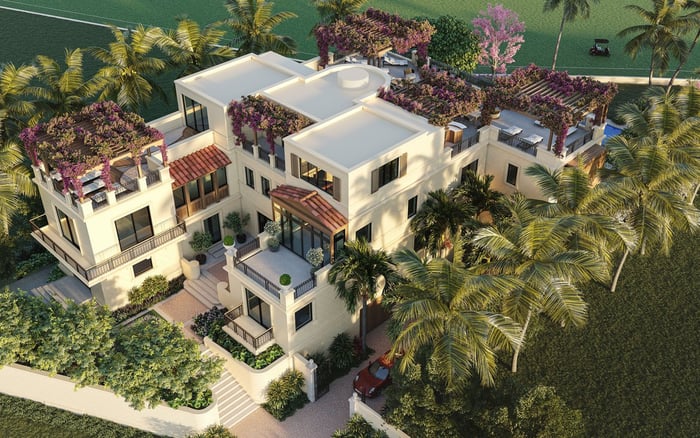
In Sunny Isles, for example, a buyer looking at St. Regis® Residences Sunny Isles would want to study both the horizon and the neighboring balcony relationships. In Bay Harbor Islands, a property such as The Well Bay Harbor Islands invites a different line of questioning: how calm is the setting, how protected are the approaches, and how does the evening light enter the most personal rooms?
The important point is not to assume privacy from prestige. A celebrated address can still have exposed sightlines. A quieter setting can still have an awkward neighboring angle. Luxury is in the fit.
Before committing, ask for a showing close to sunset and, if possible, another after dark. Observe the home with interior lights on. Ask where shades are needed, which rooms receive the strongest direct light, and whether any outdoor areas feel visible from neighboring residences.
Review the plan with privacy in mind. Bedrooms, baths, dressing areas, and dining spaces deserve special attention. Consider how guests circulate, where staff or service entries are located, and whether the best sunset view is in a room you will actually use every day.
Finally, resist the temptation to buy the photograph. Sunset light sells beautifully, but the right home has a deeper luxury: it allows beauty without performance. The evening should arrive as atmosphere, not exposure.
Is a west-facing residence always best for sunset light? Not always. A southwest or angled exposure can sometimes deliver softer evening light with better room comfort.
How can I judge privacy during a daytime showing? Look for neighboring windows, balconies, pool decks, and diagonal sightlines. Then imagine the residence at night with interior lights on.
Should I prioritize a higher floor for privacy? Higher floors can help, but spacing and surrounding buildings matter just as much. A well-positioned lower floor may feel more private than an exposed high floor.
Do motorized shades solve privacy issues? They can help, but they should not be the only solution. If shades must stay closed, the view may be less usable than expected.
What rooms need the most privacy review? Primary suites, baths, dressing areas, dining rooms, and terraces deserve close attention because they shape daily comfort.
Can landscaping improve privacy in a condo? Planters and terrace greenery may soften views, depending on building rules and terrace design. They work best as part of a broader privacy strategy.
Is sunset glare a serious concern? It can be. Test seating areas, art placement, screens, and dining positions during the actual late-day light.
What is the best showing time for this type of purchase? Schedule a late-afternoon visit that continues through dusk. A second evening visit can reveal privacy conditions after lights turn on.
Should I avoid glass-heavy residences? No. Glass-heavy homes can be exceptional when orientation, shading, depth, and sightlines are carefully balanced.
What makes a sunset-facing home feel truly luxurious? It should deliver atmosphere without forcing you to manage glare, heat, or visibility. The best result feels effortless and private.
When you're ready to tour or underwrite the options, connect with MILLION.
If branded residences are on your mind — as a home or as an allocation — we would be glad to share what we are seeing, privately.
Begin a quiet conversation