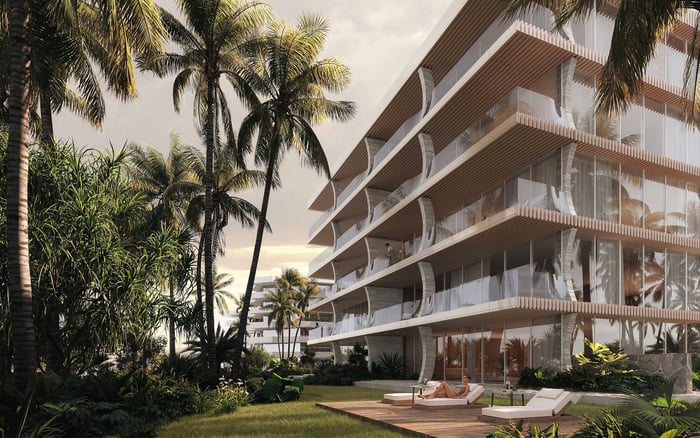
Private clubs inside luxury residences can elevate daily life, but discerning buyers should examine acoustic separation, access governance, operating discipline, and resale clarity before assigning a premium.
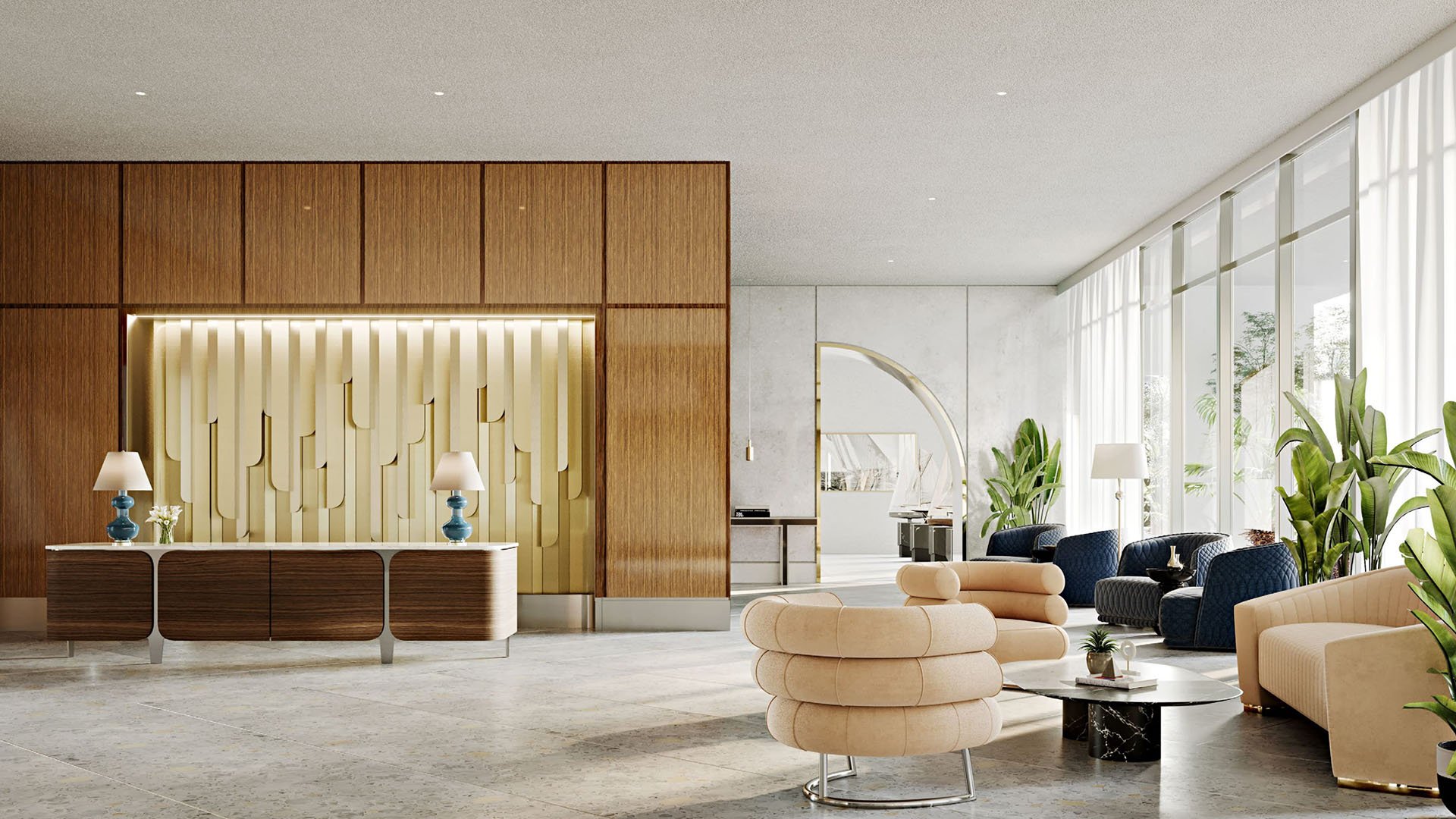
A private club inside a luxury residence is no longer judged solely by how beautiful the lounge appears on a tour. For South Florida buyers, the sharper question is whether the club improves life upstairs, protects privacy at the front door, and remains persuasive when the home eventually returns to market. The amenity can be seductive: a dining room without the commute, a social room without the hotel lobby, a wellness suite that feels more personal than commercial. Yet the best version of this idea is not simply more activity. It is controlled activity.
The distinction matters. A residence is first a place to live, sleep, recover, host family, and retreat. A club is designed to gather people, create energy, and deliver service. When both are placed under one roof, the development must reconcile two opposing instincts. Buyers should look beyond the renderings and study the invisible architecture: acoustic separation, access hierarchy, staffing policy, guest limits, reservation rules, and the way amenity traffic moves through the building.
In Brickell, for example, a buyer comparing ORA by Casa Tua Brickell with other urban residences may be drawn to the convenience of a social atmosphere close to home. The due diligence question is whether that atmosphere has been designed as a resident privilege, or whether it risks feeling like another public-facing layer of the city.
Noise is the first test of a residential club because it travels emotionally as well as physically. A buyer may tolerate the sound of a restaurant in a hotel; the same sound beneath a primary bedroom can feel like a breach of contract. The most desirable club concepts understand that quiet is not the absence of amenity, but evidence of careful planning.
Start with placement. A club space near the lobby, pool deck, or podium can succeed if elevators, corridors, terraces, and mechanical systems are isolated from private residences. Problems begin when the social heart of the building shares too much circulation with the residential core. Buyers should ask how guests arrive, where they wait, which elevators they use, and whether music, kitchen operations, service carts, or late departures have any path toward residential floors.
Pool programming deserves its own scrutiny. Pool areas can be serene in the morning and animated by afternoon, especially when food, drinks, cabanas, and guests are involved. The question is not whether a pool deck is beautiful. It is whether the building can moderate hours, sound, and capacity without making the experience feel overpoliced.
Oceanfront residences add another layer of nuance. Ocean air, terraces, and open-air club spaces create the lifestyle buyers want, but outdoor sound can move unpredictably. A refined building treats acoustics as part of hospitality, not as an afterthought.
The second issue is access. A private club can make a building feel more exclusive, but only when access is legible and disciplined. Residents should not feel as if they are negotiating with their own amenity. Nor should they feel that the building is quietly inviting too many outsiders into spaces presented as residential privileges.
A strong access plan answers several questions in advance. Who may use the club? Are privileges tied to ownership, residency, membership, or invitation? Can guests arrive without a resident present? Are private events permitted, and if so, where do attendees enter? Are staff trained to recognize residents while maintaining standards? These details shape the daily atmosphere more than the marble, lighting, or wine list.
Boutique buildings often have an advantage because scale can make access easier to personalize. A smaller resident population may create a more intimate rhythm, though it can also concentrate operating costs among fewer owners. Larger towers may offer more elaborate programming, but they must be especially precise about circulation and guest management.
In Miami Beach, a buyer considering Shore Club Private Collections Miami Beach would naturally focus on the relationship between privacy, hospitality, and arrival sequence. The premium lifestyle is not only what happens inside the club. It is how discreetly one moves from valet to residence, and from residence to amenity, without friction.
Resale value is rarely created by the word club alone. It is created when future buyers can immediately understand what the club is, who controls it, what it costs, and why it will remain desirable. Ambiguity is expensive. If privileges are difficult to explain, transferable only under certain conditions, or dependent on policies that can change without resident confidence, the amenity may become a question mark rather than a premium.
Resale buyers tend to reward simplicity. A club that reads as resident-first, quiet, well managed, and financially transparent is easier to underwrite emotionally. A club that feels crowded, inconsistent, or too open to nonresidents may reduce the sense of sanctuary luxury condominium buyers expect.
Investment logic should therefore include more than projected market appreciation. Investment value depends on how the building will be perceived in five or ten years: as a calm residential address with exceptional private amenities, or as a property where the amenity program became louder than the homes it was meant to serve.
This is why club governance deserves as much attention as finishes. Buyers should review the rules that shape hours, events, guest counts, operating costs, and resident priority. Even when a concept is elegant, poor governance can erode the very exclusivity the club was designed to create.
South Florida buyers often seek a blend of resort ease and residential control. That tension is especially visible in club-oriented living. The region’s appeal comes from outdoor entertaining, boating culture, wellness, dining, and social connection, but the highest-end buyer still wants the ability to close the door and disappear.
A property such as Shell Bay by Auberge Hallandale may prompt buyers to think carefully about how club identity, recreation, and residence coexist within a broader lifestyle setting. The same is true in more secluded environments. At The Residences at Six Fisher Island, the conversation naturally shifts toward controlled arrival, privacy expectations, and the appeal of an address where access itself is part of the luxury language.
The right club can deepen a building’s identity. It can help residents entertain without overexposing their home, meet neighbors without surrendering privacy, and enjoy service without the unpredictability of a public venue. The wrong club can create operational noise, social ambiguity, and future buyer hesitation.
The most useful questions are practical. Where is the club located in relation to residences? What separates active uses from quiet floors? Are outdoor spaces subject to firm hours? How are vendors, members, guests, and event attendees screened? What happens when resident demand exceeds capacity? Can club costs rise independently from ordinary building expenses? Are rights transferable at sale?
The best answers will be specific without being defensive. Luxury buyers should be cautious when a sales conversation relies only on atmosphere. Atmosphere matters, but operating documents, access plans, acoustic strategy, and management culture determine whether the atmosphere lasts.
A private residential club should feel like an extension of the home, not a competing institution inside the building. When the balance is right, the amenity adds everyday pleasure and long-term distinction. When the balance is wrong, even a beautiful room can become a liability.
Do private clubs inside residences always improve resale appeal? No. They improve resale appeal when privileges are clear, resident-focused, well governed, and consistent with the building’s privacy expectations.
What is the first due diligence question buyers should ask? Ask how club users move through the property, including arrival, elevators, corridors, valet, service areas, and guest access.
Can a club make a residence noisier? It can if active spaces, music, outdoor gatherings, kitchens, or event traffic are not properly separated from private residences.
Are smaller buildings better for private clubs? Not automatically. Smaller buildings can feel more intimate, while larger buildings may support more programming if access and operations are disciplined.
Should buyers worry about guest policies? Yes. Guest policies define whether the club feels genuinely private or gradually shifts toward a more public atmosphere.
How do operating costs affect the appeal of a club? Buyers should understand whether the club creates separate fees, changing obligations, or cost exposure that could affect future demand.
What makes a residential club feel truly private? Controlled arrival, resident priority, discreet staffing, limited outside access, and quiet separation from homes all support privacy.
Is a restaurant-style club different from a lounge? Yes. Food service, reservations, vendors, hours, and guest flow can create more operational complexity than a quiet resident lounge.
Can club privileges be important at resale? Yes. Future buyers will want to know whether privileges transfer, what they include, and how easily they can be explained.
What is the ideal role of a private club in a luxury residence? It should enrich daily life while preserving the calm, discretion, and control that make the residence valuable.
To compare the best-fit options with clarity, connect with MILLION.
If branded residences are on your mind — as a home or as an allocation — we would be glad to share what we are seeing, privately.
Begin a quiet conversation