A buyer-oriented comparison of Aventura and Bay Harbor Islands for families weighing everyday convenience against boutique waterfront privacy in South Florida.
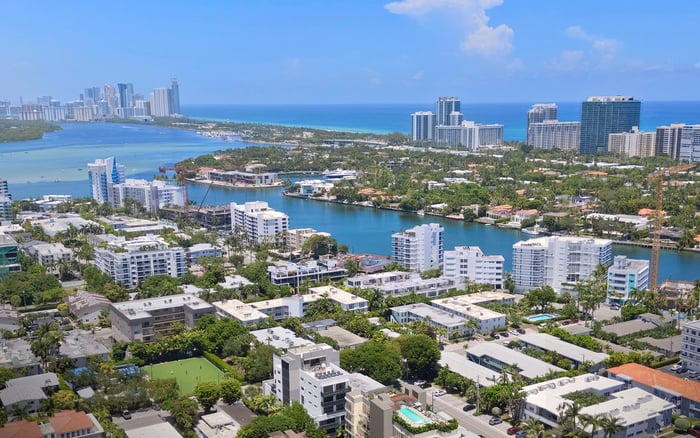
For luxury buyers comparing Aventura with Bay Harbor Islands, the decision is less about which address reads as more impressive and more about which rhythm feels sustainable. Aventura is typically understood as the practical choice: family convenience, easier routine-building, and a residential environment that can absorb the logistics of children, guests, errands, and second-home use. Bay Harbor Islands, by contrast, is defined through a more intimate lens: boutique waterfront privacy, a quieter sense of arrival, and a mood that favors discretion over scale.
Neither answer is universal. A household that wants a frictionless weekly calendar may find Aventura more intuitive. A buyer who prioritizes a calmer waterfront setting and a more tucked-away lifestyle may lean toward Bay Harbor Islands. The strongest purchase begins with a candid assessment of daily life, not a purely aesthetic preference.
Aventura’s appeal lies in its ability to make family life feel more manageable. For buyers moving within South Florida, relocating from the Northeast, or considering a seasonal home, that practicality matters. The area is often chosen by households that want a polished residential base with access to services, dining, wellness, shopping, and everyday support close enough to keep the week moving.
This is where the Aventura proposition becomes especially compelling. It is not only about the residence itself. It is about how the residence functions when multiple generations arrive, when children have different schedules, when a visiting grandparent needs ease, or when a second-home owner wants minimal complication between airport arrival and the first evening at home.
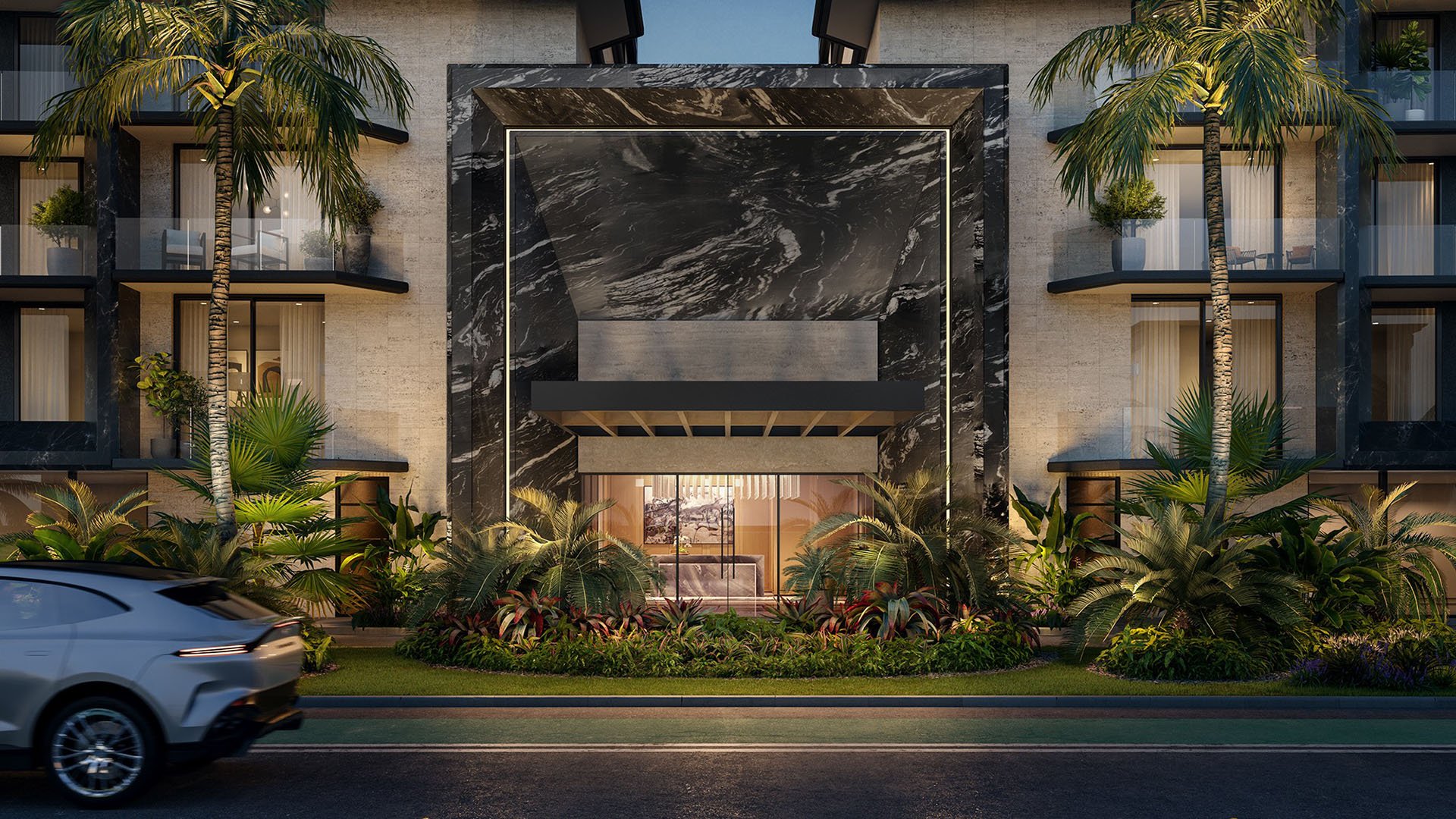
For buyers who want a contemporary local reference point, Avenia Aventura reflects the area’s continued relevance among shoppers seeking a residential product tied to Aventura’s convenience-oriented identity. The broader question is whether that identity matches the buyer’s private life. If the home must support movement, errands, appointments, and family hosting, Aventura often feels like the more forgiving choice.
Bay Harbor Islands speaks to a different instinct. The draw is not necessarily maximum exposure or the busiest waterfront scene. It is the feeling of being slightly removed, with a residential character that can feel more personal and less declarative. Bay Harbor privacy is the shorthand many buyers use when they want water, calm, and a neighborhood scale that does not feel overproduced.
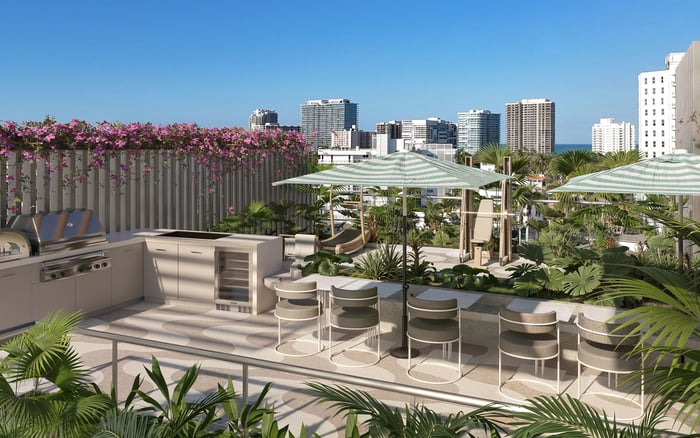
That mood is particularly relevant for buyers who prize discretion. A smaller, quieter residential environment can make everyday life feel more composed. The approach to home is part of the appeal: fewer theatrical gestures, more emphasis on proportion, view, terrace life, and the ability to decompress after moving through the city.
The area’s new and boutique condominium conversation is visible through projects such as Alana Bay Harbor Islands and Bay Harbor Towers, both of which give buyers recognizable local points of comparison. For the right household, Bay Harbor Islands offers a more intimate luxury language, one aligned with privacy rather than performance.
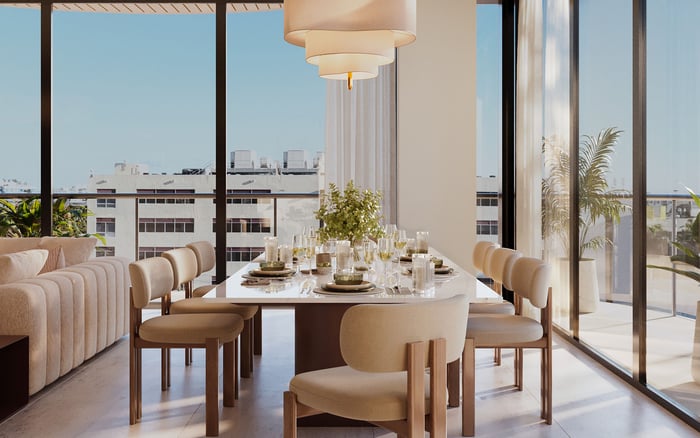
A useful way to compare the two areas is to imagine an ordinary Tuesday rather than a perfect Saturday. Where is the grocery run easiest? How does the school routine feel? How quickly can the household pivot from work call to children’s activity to dinner? Where do guests park, gather, and settle without disrupting the home?
Aventura tends to win when the buyer places a premium on infrastructure around the residence. Families often value a setting where daily needs can be handled with less planning. This does not make the lifestyle less luxurious. In many cases, it makes the luxury more usable. A home that reduces friction is often the home that is lived in most confidently.
Bay Harbor Islands answers the family question differently. It may suit a household that is more compact, more privacy-driven, or more willing to trade certain conveniences for a calmer residential atmosphere. The question is not whether families can thrive there. It is whether the family’s rhythm values serenity more than immediate access to a wider menu of services.
Waterview living is not one thing. In Aventura, buyers may be drawn to broader residential convenience, with water or skyline outlooks forming part of a larger lifestyle package. In Bay Harbor Islands, the water often feels more central to the emotional proposition. The setting invites a slower visual cadence: morning light, terrace dinners, and a more residential relationship with the shoreline.
Scale also matters. Some buyers feel most comfortable in a full-service environment with a larger amenity ecosystem and a more active building culture. Others prefer a boutique atmosphere where the building feels more private, the arrival more contained, and the social exposure less pronounced.
That is why projects such as La Baia North Bay Harbor Islands and Onda Bay Harbor are useful to study alongside Aventura options. They help clarify whether the buyer is responding to the idea of waterfront privacy itself or simply to the broader cachet of a desirable Miami-area address.
New-construction thinking should begin with lifestyle fit, not finishes. Finishes can seduce quickly, but the daily pattern of the address determines long-term satisfaction. In Aventura, the buyer may prioritize floor plan flexibility, storage, parking practicality, and the ability to support a busy family life. In Bay Harbor Islands, the buyer may place more weight on terrace proportion, privacy, water orientation, and a quieter arrival sequence.
Both profiles can be highly sophisticated. The Aventura buyer is not necessarily choosing convenience over beauty. The Bay Harbor Islands buyer is not necessarily choosing privacy over practicality. The distinction is hierarchy. What must the home do first: simplify the family calendar or protect the private mood?
For investors and end users alike, that hierarchy matters. A residence that aligns with the household’s true operating style is easier to own, easier to justify, and often easier to hold through changing market cycles.
Choose Aventura if your household wants a polished base that supports movement, services, and frequent family use. It is well suited to buyers who host often, manage children’s routines, or want a residence that feels efficient without sacrificing a luxury environment.
Choose Bay Harbor Islands if your priority is privacy, waterfront atmosphere, and a more intimate sense of place. It suits buyers who want the home to feel like a retreat, who are comfortable with a quieter residential cadence, and who value discretion as part of the luxury experience.
The best decision may come after touring both in the same day. Aventura will often reveal itself through ease. Bay Harbor Islands will often reveal itself through feeling. The stronger choice is the one that still feels correct after imagining the least glamorous parts of ownership: errands, school mornings, houseguests, service access, and quiet nights at home.
Is Aventura better for families than Bay Harbor Islands? Aventura may suit families that prioritize daily convenience, services, and a more flexible residential routine. Bay Harbor Islands may suit families that value privacy and a quieter waterfront setting.
Is Bay Harbor Islands more private than Aventura? Bay Harbor Islands is often chosen for a more boutique and discreet residential mood. Buyers seeking a calmer waterfront atmosphere may find it more aligned with that goal.
Which area is better for a second home? Aventura can work well for owners who want convenience when arriving and departing. Bay Harbor Islands can be compelling for owners who want a more retreat-like setting.
Should buyers focus on the building or the neighborhood first? Start with the neighborhood rhythm, then evaluate the building. A beautiful residence in the wrong daily context can feel less satisfying over time.
Does Aventura offer a more practical lifestyle? For many buyers, Aventura’s appeal is its convenience-oriented residential character. That practicality can be especially valuable for families and frequent hosts.
Does Bay Harbor Islands feel more boutique? Yes, the area is commonly associated with a more intimate waterfront residential mood. That can appeal to buyers who prefer discretion over scale.
How important are views in this comparison? Views matter, but they should be weighed with privacy, floor plan, terrace usability, and daily access. The best waterview is the one that supports how the household actually lives.
Is New-construction the safest choice? Not automatically. New-construction can be attractive, but layout, location, privacy, and long-term livability should carry equal weight.
Can both areas work for luxury buyers? Absolutely. Aventura and Bay Harbor Islands simply express luxury differently, with one leaning toward convenience and the other toward boutique waterfront privacy.
What is the smartest way to decide between them? Tour both with a clear list of daily needs, then compare how each address handles routine, privacy, guests, and quiet time.
If you'd like a private walkthrough and a curated shortlist, connect with MILLION.
If branded residences are on your mind — as a home or as an allocation — we would be glad to share what we are seeing, privately.
Begin a quiet conversation