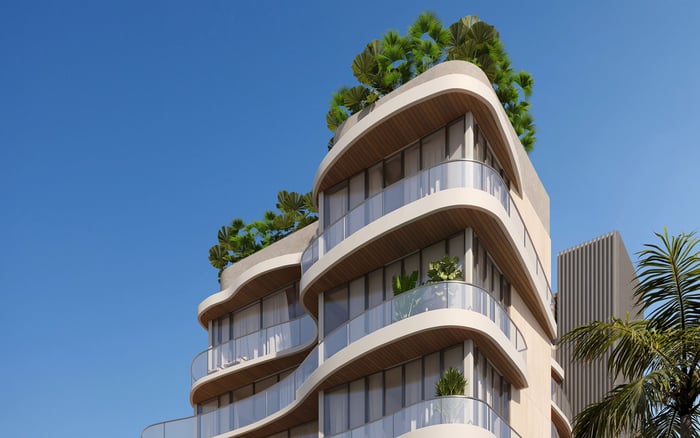
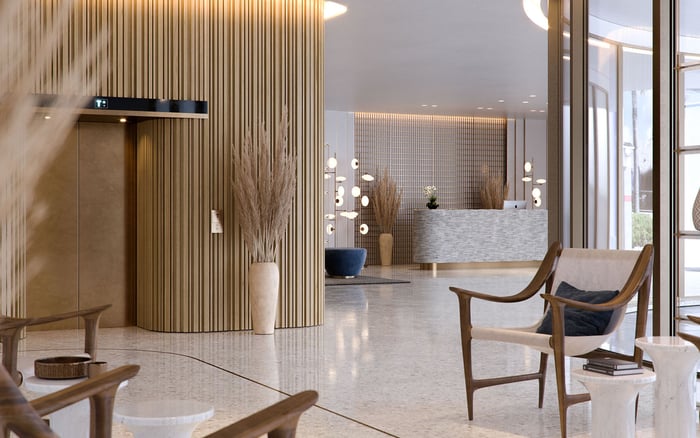
A practical, luxury-minded guide for buyers weighing a North Miami pied-à-terre against the responsibilities of a detached house.
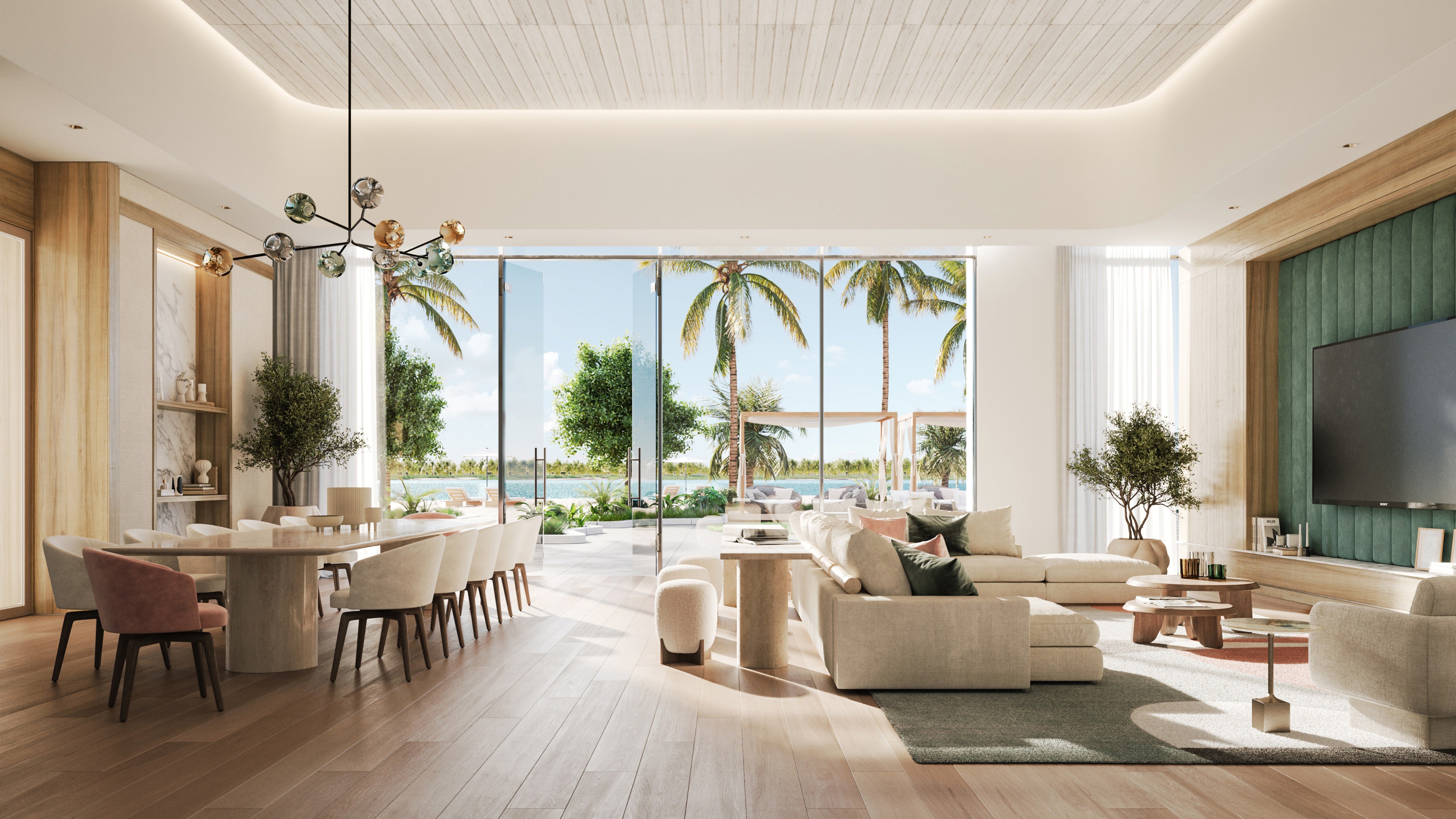
For the South Florida buyer who comes and goes with intention, a pied-à-terre can be the more refined answer than a house. The appeal is not simply less square footage. It is the choreography of arrival, use and departure. A well-chosen residence should feel effortless after a late flight, secure during weeks away and generous enough to host a weekend without becoming a second full-time household.
North Miami attracts buyers who want access to the broader Miami lifestyle without accepting the upkeep rhythm of a detached property. A house asks for landscape oversight, exterior maintenance, vendor coordination, weather preparation and a more hands-on operating plan. A pied-à-terre, by contrast, can consolidate many of those responsibilities within a managed building environment, provided the association, staff model and rules align with the way you intend to live.
This is the central question: are you buying space, or are you buying ease? For many buyers, the answer points toward a lock-and-leave residence with privacy, parking, a calm arrival sequence and enough flexibility for family, guests or occasional remote work.
Before comparing finishes or views, define the use pattern. A couple visiting for long weekends has a different ideal floor plan than a family spending school breaks in South Florida. A business owner who needs a quiet work zone may prioritize separation between the primary suite and living area. A buyer who entertains may accept a more compact bedroom count in exchange for a stronger main room, terrace and kitchen flow.
Second-home ownership rewards clarity. Decide how often you will be in residence, whether you will keep a car locally, how many guests may stay at once and whether your schedule is seasonal or spontaneous. The strongest pied-à-terre purchase is rarely the largest unit in the budget. It is the one that removes friction from the way you actually travel.
Buyers considering North Miami should also compare the immediate context with nearby condominium markets. One Park Tower by Turnberry North Miami is a natural reference point for those wanting a North Miami address, while Solana Bay North Miami offers another approved North Miami project to evaluate within the same broad decision set.
A pied-à-terre is a precision purchase. The right home should live larger than its measurements because circulation, storage and outdoor space are working hard. A gracious entry, a proper coat or luggage zone and bedrooms that do not open directly into entertaining areas can matter more than a marginal increase in interior area.
For South Florida use, the terrace is not an afterthought. It becomes the private breakfast room, the evening lounge and the place where the residence feels connected to the climate. Yet buyers should be disciplined. A terrace that is difficult to furnish, uncomfortably exposed or disconnected from the living room may photograph well and live poorly.
Parking and arrival are equally important. A pied-à-terre should not require a complicated handoff every time you arrive. Consider the experience from the garage, valet or lobby to the residence. Is it discreet? Is it intuitive for guests? Does it feel secure when arriving alone at night? These details shape ownership far more than a decorative upgrade package.
A detached house offers autonomy. You can control the exterior, create private outdoor rooms and avoid many shared-building protocols. For a full-time resident, that freedom can be worthwhile. For an occasional resident, it can become a management obligation.
The house owner must think like an operator. Who checks the property between visits? Who handles landscaping? How quickly can a repair be addressed when you are not in town? What is the plan before an extended absence? These questions are not deterrents, but they are real.
The pied-à-terre buyer accepts building governance in exchange for convenience. That trade must be examined carefully. Review association rules, pet policies, guest procedures, renovation guidelines, rental restrictions and any expectations around deliveries or service personnel. A beautiful residence in the wrong building culture can feel restrictive. A slightly more modest residence in the right building can feel seamless.
In the luxury market, discretion is an amenity. The best pied-à-terre buildings understand that owners may arrive irregularly, host selectively and value privacy over spectacle. Staff should be professional without being theatrical. Common areas should feel maintained, not over-programmed. The building should support your life, not demand your attention.
Lifestyle is where the choice becomes personal. Some buyers want a wellness-forward environment, while others want proximity to dining, boating, beaches or family in surrounding neighborhoods. The residence should act as a base, not a compromise. In this sense, North Miami can be part of a broader northern Miami-Dade search that also includes North Bay Village, Bay Harbor Islands and Aventura.
For buyers comparing island and bay-adjacent alternatives, Continuum Club & Residences North Bay Village may be considered alongside North Miami options, while Onda Bay Harbor gives buyers another nearby point of comparison. The goal is not to chase every new address. It is to understand which setting best supports your preferred rhythm.
Waterfront exposure has enduring emotional power in South Florida, but buyers should separate beauty from utility. A view may justify a premium when it is central to daily enjoyment, difficult to replicate and supported by a floor plan that actually takes advantage of it. If the main living areas do not orient toward the view, the premium may be less compelling.
Privacy also deserves scrutiny. A residence can have a lovely outlook and still feel exposed from neighboring buildings or shared amenity areas. Visit at different times when possible, and study how the unit receives light. The most livable pied-à-terre is not always the most dramatic. It is the one that feels calm in the morning, comfortable in the afternoon and intimate at night.
Waterfront should be evaluated with the same discipline as any other attribute. Consider association preparedness, maintenance standards and the long-term comfort of the building environment. A premium location is only as valuable as the ownership structure supporting it.
New construction often appeals to the pied-à-terre buyer because it can offer contemporary layouts, current building systems and a more turnkey first impression. Resale may offer immediacy, established building operations and the ability to understand the lived reality of the property before committing.
Neither category is automatically superior. A new residence may require patience, customization and a careful review of delivery expectations. A resale residence may require renovation, furniture planning or a deeper look at building reserves and rules. The correct choice depends on timing, tolerance for decisions and how quickly you want the home to function.
The most important advice is to underwrite lifestyle first and aesthetics second. A pied-à-terre should not become a design project unless you genuinely want one. If your goal is immediate ease, prioritize residences that can be furnished, staffed and operated with minimal disruption.
The comparison between a house and a pied-à-terre should include ongoing carrying costs, not just acquisition price. In a condominium, association dues may cover shared services and building operations. In a house, similar responsibilities are often paid separately through vendors, contracts and individual oversight.
A sophisticated buyer will also consider insurance posture, reserves, special assessment history where applicable, and the cost of keeping the residence ready between visits. Furniture, storage, vehicle arrangements, cleaning, technology, security and local management all belong in the ownership budget.
The best purchase is not necessarily the one with the lowest monthly cost. It is the cleanest alignment between cost, service and use. If the building meaningfully reduces personal management, higher dues may be rational. If you rarely use the amenities or need more autonomy, a house or townhouse may deserve a second look.
Choose the pied-à-terre if you value predictability, privacy, building support and a simplified South Florida presence. Choose the house if control, land and private outdoor life outweigh the burden of oversight. For many North Miami buyers, the answer is found by testing the week-in, week-out reality of ownership rather than the fantasy of a single showing.
A well-bought pied-à-terre should feel like a key that opens the city at your pace. It should be easy to enter, easy to close and satisfying in every season of use.
Is a pied-à-terre better than a house for part-time North Miami use? It can be, especially if you value lock-and-leave convenience and reduced maintenance oversight. The decision depends on how often you visit and how much control you want.
What is the first thing to define before buying? Define your actual use pattern. Frequency of visits, guest needs, parking and work-from-home requirements should guide the search.
Should I prioritize views or floor plan? Prioritize the floor plan first, then evaluate the view premium. A beautiful outlook matters most when the residence is designed to enjoy it daily.
Are association rules important for a pied-à-terre? Yes. Guest procedures, rental limits, pet policies and renovation rules can materially affect how easily the home functions.
Is new construction always better for a second home? No. New construction may offer a turnkey feel, while resale may offer immediacy and a clearer understanding of building culture.
How should I compare North Miami with nearby areas? Compare lifestyle, access, privacy, building quality and the ease of arrival. Aventura, Bay Harbor Islands and North Bay Village may offer useful contrasts.
Does waterfront always justify paying more? Not always. Waterfront is most compelling when the view, privacy and floor plan work together and the building is well managed.
What carrying costs should I consider? Look beyond the mortgage and purchase price. Include association dues, insurance, cleaning, storage, technology, furniture and local management.
Can a pied-à-terre work for entertaining? Yes, if the main living area, terrace and guest flow are well planned. Bedroom count alone is not the best measure of entertaining quality.
What is the simplest rule for choosing correctly? Buy the residence that removes the most friction from your South Florida life. Ease, privacy and repeatable comfort should lead the decision.
To compare the best-fit options with clarity, connect with MILLION.
If branded residences are on your mind — as a home or as an allocation — we would be glad to share what we are seeing, privately.
Begin a quiet conversation