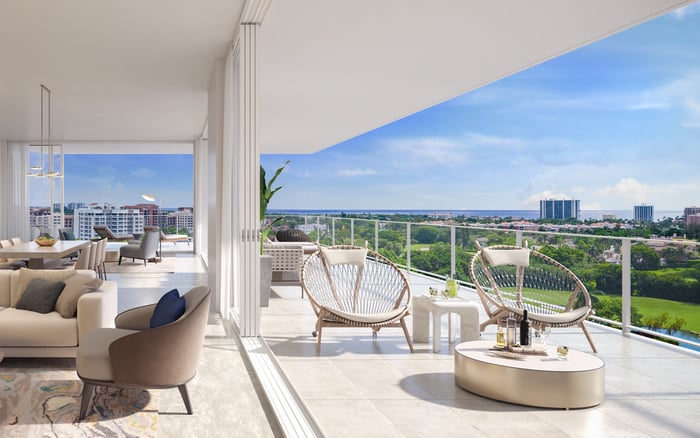
A practical, discreet guide for full-time owners comparing Boca Raton and Coconut Grove living through the lens of boating convenience, bridge clearance, and hurricane preparedness.
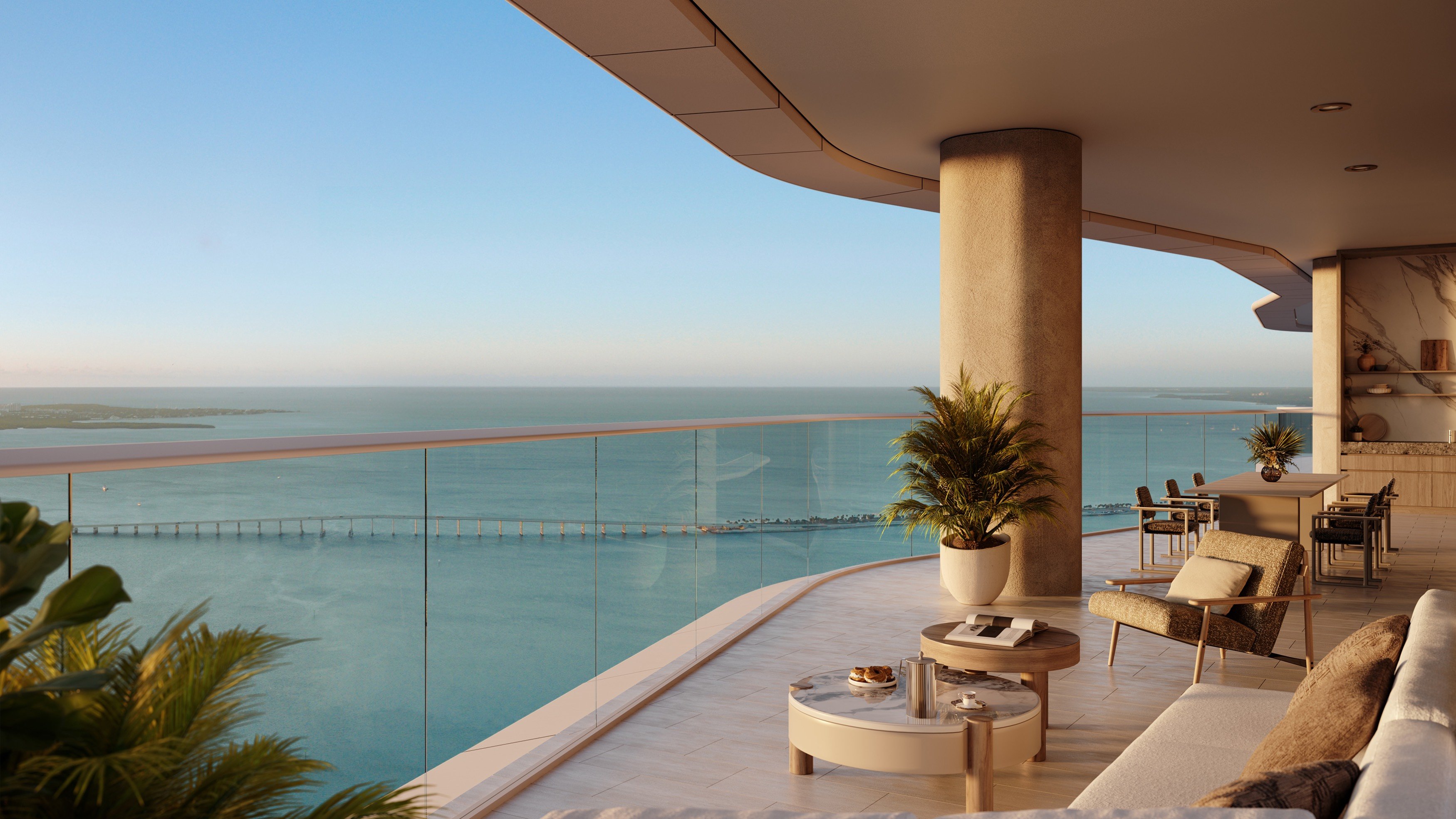
For a full-time owner, boating convenience is not defined by a pretty view or a weekend promise. It is defined by repetition: how quickly one can leave home, reach the boat, clear the route, return at the end of the day, and secure everything when weather turns. The Residences at Mandarin Oriental Boca Raton and Arbor Coconut Grove speak to two different South Florida sensibilities, yet both sit within a broader coastal ownership culture where the water is part amenity, part responsibility.
That distinction matters. A residence may be beautifully positioned for daily life, while boating still depends on separate decisions around slips, marinas, tendering, bridge routes, storage, crew, insurance, and storm protocols. Full-time owners should treat the boating plan as an extension of the residence itself, not as a casual add-on settled after closing.
In practical shorthand, the search often combines Boca Raton, Coconut Grove, marina, boat slip, water view, and new-construction considerations, but each term must be translated into daily operating detail. A glamorous lifestyle feels effortless only when the logistics have already been pressure-tested.
The Residences at Mandarin Oriental Boca Raton will naturally appeal to buyers who want a polished Boca Raton base with a high-service residential atmosphere. For boaters, the question is less about the name on the door than the route from residence to vessel. If the boat is kept off-site, the decisive factors become driving time to the marina, parking, loading access, fuel availability, service relationships, and the owner’s tolerance for small frictions that accumulate over a season.
Arbor Coconut Grove belongs to a different urban rhythm. Coconut Grove is often associated with lush streets, bay proximity, and a less formal pace than many vertical luxury districts. Still, buyers should not assume that Grove living automatically equals instant boating. The meaningful question is where the vessel will be kept, whether the owner is prioritizing sailing, cruising, fishing, or tender access, and how that choice interacts with traffic patterns, family schedules, and storm-season planning.
For full-time residents, the sharper comparison is not simply Boca versus Grove. It is whether the household’s boating life is spontaneous or scheduled, owner-operated or crew-supported, short-hop or offshore, and whether the residence supports those habits gracefully throughout the year.
Bridge clearance is one of the least romantic and most consequential details in South Florida boating. A vessel that seems perfectly suited to a lifestyle can become inconvenient if its air draft conflicts with fixed bridges, if departures must be timed around openings, or if tide and wind conditions alter practical comfort. Owners should not rely on general neighborhood reputation. They should map the exact path from slip to open water, then test it against the actual vessel profile.
The key measurements are straightforward: air draft, beam, length overall, draft, electronics height, tower configuration, antenna position, and any removable or collapsible features. Yet the lived experience is more nuanced. A captain may be comfortable with a route that an owner-operator finds stressful. A bridge opening that feels acceptable on a quiet weekday may feel tedious during peak weekend use. A few minutes on paper can become the reason a boat is used less often.
This is where luxury buyers should be especially unsentimental. If boating is central to the ownership thesis, bridge exposure should be reviewed before emotional attachment forms around a floor plan, finish palette, or terrace view. The more often the boat will be used, the more valuable an unobstructed or low-friction route becomes.
Securing a slip is not the same as building a boating plan. Full-time owners should consider how the slip functions during ordinary use, service events, guest arrivals, and storms. Is there adequate power for the vessel? Is the dock suitable for the owner’s boarding style? How protected is the basin in typical weather? Is there a waiting list, a transfer policy, or restrictions tied to vessel size? Are fueling, pump-out, provisioning, detailing, and mechanical support convenient?
The answers can shift the value equation between The Residences at Mandarin Oriental Boca Raton and Arbor Coconut Grove, even without either residence needing to be defined by a private dock. A buyer with a professionally managed yacht may prize proximity to specialized marine services. A family using a smaller boat several times a week may prize ease, parking, and quick loading. A sailor may evaluate wind, mast height, and marina culture differently from a sportfishing owner.
The most successful owners tend to solve the water side of the lifestyle with the same discipline they apply to architecture and design. They do not simply ask, “Where is the boat?” They ask, “How does the boat fit into Tuesday morning, a holiday weekend, and a named storm?”
Hurricane planning begins long before a storm track becomes urgent. It involves the residence, the vessel, the marina, the insurer, the captain or caretaker, the association rules, and the owner’s travel habits. Full-time residents have an advantage because they are present and engaged, but presence alone is not a plan.
Owners should know whether their boat will remain in-water, move to a haul-out facility, relocate inland, or be managed under a captain’s storm protocol. They should understand how much notice is required, who has authority to move the vessel, where keys and documentation are kept, and how the plan changes if the owner is out of town. The same clarity should extend to the residence: balcony furniture, terrace planters, shutters or impact systems, backup power expectations, elevator protocols, pets, vehicles, and post-storm access.
Insurance deserves early attention. Marine insurance, flood considerations, association coverage, personal property coverage, and deductibles can interact in ways that are not always obvious during a purchase conversation. The goal is not anxiety. The goal is composure. A well-planned owner can enjoy the season because the difficult decisions have already been made.
A refined purchase process should include a boating due-diligence file. For Boca Raton buyers, that may mean identifying preferred marinas, routes, bridge constraints, service providers, and storm storage options before selecting the final residence. For Coconut Grove buyers, it may mean distinguishing between the charm of bay-oriented living and the exact logistics of keeping and using a specific vessel.
The file should include vessel dimensions, marina correspondence, route notes, insurance requirements, hurricane contacts, storage alternatives, and a written checklist for pre-storm action. Owners should also spend time at the relevant marina during the hours they expect to use it. Morning departures, school-day logistics, club traffic, bridge openings, and weekend congestion can each reveal more than a polished brochure ever will.
The central lesson is simple: buy the residence for the life it enables, then verify the systems that protect that life. The most elegant South Florida ownership is not effortless because it is casual. It is effortless because it is prepared.
Does either residence automatically solve boating convenience? Not by itself. Boating convenience depends on where the vessel is kept, how the owner reaches it, and the route from slip to open water.
Why is bridge clearance so important for full-time owners? It can determine whether boating feels spontaneous or scheduled. The vessel’s exact profile should be compared with the actual route.
Should buyers verify bridge routes before selecting a unit? Yes. If boating is central to the lifestyle, route friction should be evaluated before the residence decision becomes emotional.
Is a nearby marina enough for a serious boater? Not always. Owners should also assess dock configuration, services, storm procedures, parking, loading, and vessel-size rules.
How should hurricane planning be handled for a boat? The owner should have a written plan covering relocation, haul-out, captain authority, insurance obligations, and emergency contacts.
Do full-time owners have an advantage during storm season? They can respond quickly, but only if responsibilities are clear. Presence helps most when paired with a rehearsed protocol.
What should a Coconut Grove buyer pay special attention to? The buyer should separate the area’s boating identity from the exact marina, route, vessel, and storm plan that will be used.
What should a Boca Raton buyer pay special attention to? The buyer should focus on marina access, bridge exposure, service convenience, and how the boating routine fits daily life.
Is boating convenience more important than a water view? For frequent boaters, often yes. A beautiful view is passive, while a low-friction boating plan shapes how the home is lived.
When should insurance be reviewed? Early in the purchase process. Marine, property, flood, and association obligations should be understood before closing.
When you're ready to tour or underwrite the options, connect with MILLION.
If branded residences are on your mind — as a home or as an allocation — we would be glad to share what we are seeing, privately.
Begin a quiet conversation