Private-chef access can be a meaningful residential privilege, but only when the promise is supported by staffing, scheduling, kitchen infrastructure, service standards, and clear financial terms. The discerning buyer should separate culinary atmosphere from operational substance before assigning value.
Private-chef access has become one of the more seductive phrases in luxury residential marketing. It suggests discretion, ease, and the fantasy of restaurant-caliber dining without leaving home. For the South Florida buyer comparing waterfront towers, branded residences, club-style communities, and boutique enclaves, the phrase can sound like shorthand for a fully serviced life.
It is not always that simple. In some residences, culinary access is a genuine lifestyle asset supported by trained staff, reservable dining rooms, event kitchens, vetted chefs, and concierge coordination. In others, it may amount to a third-party referral, a catered dinner at market rates, or use of a shared amenity kitchen when available.
The distinction matters because private-chef language can shape perceived value. A buyer need not dismiss the concept, but should examine it with the same discipline applied to views, ceiling heights, elevator privacy, parking, reserves, and management quality.
The first question is linguistic. Does the residence employ a chef, contract with a culinary provider, maintain relationships with chefs, or simply help residents find one? Each model carries a different level of reliability.
A true in-house culinary program typically has defined personnel, service standards, operating hours, menus or custom-order protocols, and a reservation process. A referral model may still be useful, but it is not the same amenity. It leaves availability, pricing, substitutions, gratuity, cleanup, insurance, and service recovery largely to the resident or an outside provider.
A discerning buyer should ask for the exact service description in writing. If the answer leans on mood words such as curated, bespoke, elevated, or chef-driven without explaining who cooks, where they cook, when they are available, and how charges are handled, the promise may be more atmospheric than operational.
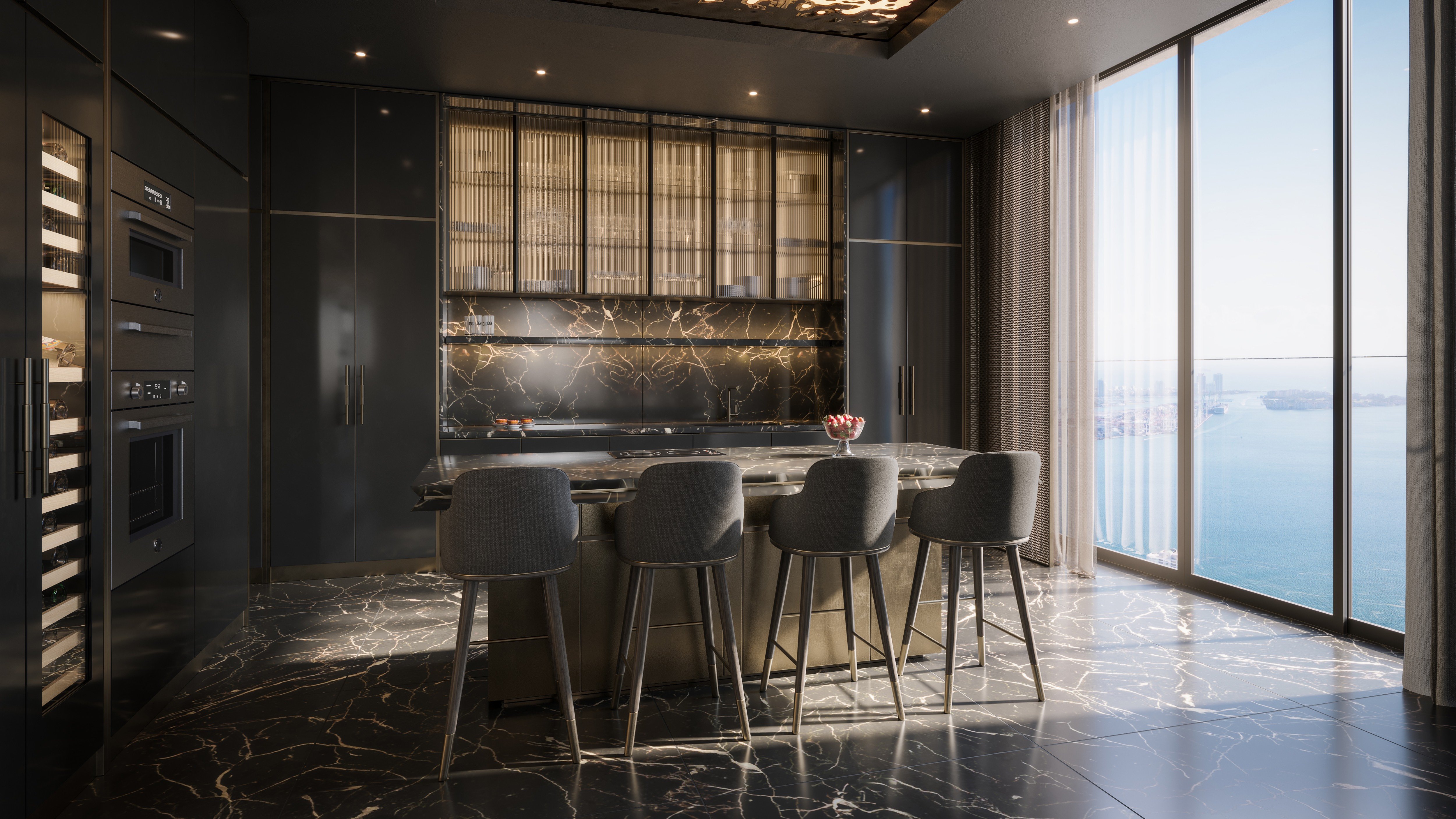
A culinary promise requires physical infrastructure. A beautiful private dining room is not automatically a working culinary amenity. Ask whether the building has a catering kitchen, finishing kitchen, demonstration kitchen, back-of-house access, cold storage, service elevators, dishwashing capacity, and protocols for food delivery.
The most polished private dinner can be undermined by ordinary logistics. Where does the chef unload? Is there a separate path for staff? Can wine service be coordinated? Is there enough refrigeration for a multi-course dinner? Who cleans the room afterward? Are residents allowed to bring outside chefs, or must they use an approved vendor?
These questions may feel unromantic, but this is where luxury becomes tangible. The best residential service often feels invisible because the operational design has already anticipated friction.
Marketing may imply effortless access, but actual use depends on the calendar. If a building has many residences and one prized dining venue, access may be limited on weekends, holidays, and high-season evenings. A private-chef amenity becomes more valuable when the reservation policy is clear and priority rules do not create confusion.
Pricing is just as important. Some buyers hear private-chef access and assume the service is included. Often, food, beverage, labor, gratuity, corkage, cleanup, rentals, and special requests are separate charges. That is not inherently negative. Many excellent services are à la carte. The issue is transparency.
Ask for a sample event budget, cancellation terms, minimum spend, guest limits, deposit requirements, and whether service charges flow through the association, a hotel operator, a club, or an independent vendor. If the numbers are vague before purchase, they may remain vague after closing.
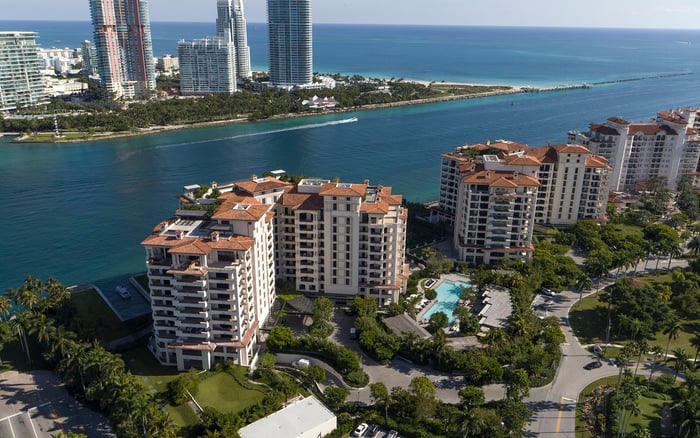
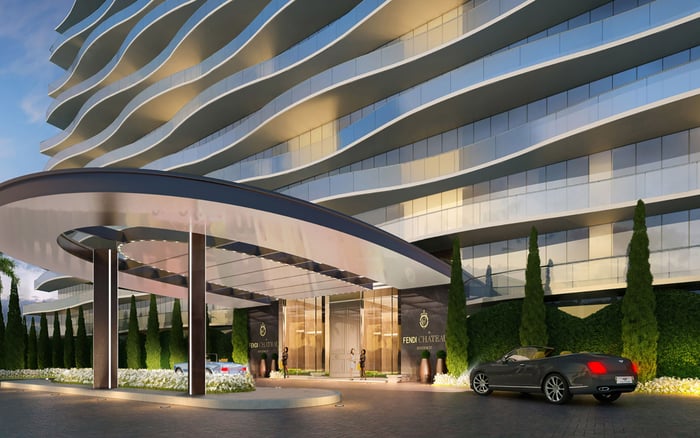
South Florida buyers often encounter hospitality language across very different residential formats. A high-service tower in Brickell may position culinary access as part of an urban concierge lifestyle. A Miami Beach residence may frame it around entertaining, wellness, and beach-adjacent leisure. In Sunny Isles, Surfside, or Fisher Island, the same phrase may be tied to privacy, resort-style service, or estate-like convenience. In a new-construction context, it may be part of a broader amenity narrative before the building is fully operating.
The location and brand context can make the promise sound more persuasive, but the underwriting should remain consistent. What is controlled by the residence? What is guaranteed to residents? What depends on future staffing? What changes if an operator changes, a chef departs, or demand exceeds capacity?
A buyer should value the amenity only to the degree it is durable. Hospitality polish is appealing, but real estate value is strengthened by systems that survive beyond a launch campaign.
Marketing theater often reveals itself through imbalance. There may be lavish renderings of plated dinners but no explanation of operating hours. There may be language about access to culinary talent without a roster, criteria, or booking process. There may be a chef’s table shown in imagery but no meaningful policy for how residents reserve it.
Other warning signs include unclear guest limits, no sample pricing, no answer on insurance, no distinction between communal dining and in-residence service, and no written protocol for outside chefs. If the sales presentation treats these questions as secondary, that is useful information.
The strongest culinary amenities tend to be described calmly. They do not need exaggerated language. They can explain the room, the staff, the schedule, the charges, and the resident experience in practical terms.
Real value is not necessarily defined by grandeur. It may be found in a modest but well-run program that lets a resident host eight guests with confidence, have groceries handled, coordinate wine service, and return to a restored kitchen afterward. It may also appear in larger residences where owners can bring in trusted chefs while relying on building protocols for access, delivery, and support.
The best version of private-chef access offers control. It respects privacy, accommodates dietary preferences, handles service recovery, and gives residents clear expectations before they host. It should feel less like an event gimmick and more like an extension of how the property is managed.
For buyers, the practical test is simple: could you use the service three months after closing without renegotiating every detail from scratch? If the answer is yes, the amenity may deserve consideration. If the answer is uncertain, treat the promise as ambiance until proven otherwise.
What does private-chef access usually mean? It can mean anything from an in-house culinary program to a concierge referral. The exact structure should be confirmed in writing.
Is private-chef access typically included in association fees? Not always. Food, labor, gratuity, service charges, and special requests may be billed separately.
What is the most important question to ask first? Ask who is actually responsible for cooking and service. The answer reveals whether the amenity is operational or merely referential.
Should I value a chef’s table as a major amenity? Only if reservation rules, staffing, capacity, and costs are clear. A beautiful room without service structure has limited practical value.
Can I bring my own private chef into the building? Some residences may allow outside chefs, while others may restrict vendors. Ask about approval, insurance, access, cleanup, and kitchen use.
Why does back-of-house design matter? Private dining depends on delivery, storage, prep, service routes, and cleanup. These details determine whether hosting feels effortless.
Are branded residences more likely to have real culinary service? A brand may signal hospitality intent, but the documents and operating plan matter more than the name attached to the residence.
What should I request before purchase? Request the service description, sample pricing, reservation policy, guest limits, cancellation terms, and vendor rules.
Is private-chef access mainly about entertaining? Entertaining is one use, but the best programs also support privacy, dietary control, family routines, and special occasions.
How can I tell if the language is mostly marketing? If the promise cannot be translated into staff, schedule, space, cost, and procedure, it should be treated as marketing rather than value.
When you're ready to tour or underwrite the options, connect with MILLION.
If branded residences are on your mind — as a home or as an allocation — we would be glad to share what we are seeing, privately.
Begin a quiet conversation