For affluent buyers, Miami is often evaluated through the lens of Florida residency, estate planning, ownership structure, privacy, and long-term family governance.
For many affluent buyers, a Miami purchase no longer begins with a view corridor, a preferred architect, or a coveted dining reservation. It begins in a quieter room, where estate counsel, tax advisors, family office executives, and trustees ask whether Florida residency should be part of a broader wealth plan.
That shift changes the nature of the search. A residence intended to support Florida domicile is evaluated differently from a pure vacation apartment, a legacy pied-à-terre, or a portfolio asset held for flexibility. The question is not simply where one wants to spend the winter. It is whether the home can credibly support a life organized around family governance, privacy, succession, and long-term control.
In that context, Miami real estate becomes both lifestyle and infrastructure. The right property must satisfy emotion, but it also must withstand practical review: how title may be held, how often the owner expects to be present, how heirs will use the asset, and whether the residence harmonizes with existing trusts, family partnerships, or cross-border planning.
Florida residency is often discussed as if it can be solved by a closing statement. In practice, serious buyers tend to treat it as a broader pattern of life. The home must support daily routines, medical care, travel, entertaining, family visits, and the sense that Miami is not merely a stopover, but a true center of gravity.
This is why location matters. Brickell appeals to buyers who want financial district convenience, private club energy, and immediate access to restaurants and offices. A residence such as St. Regis® Residences Brickell can fit buyers seeking a formal urban base with services that make extended occupancy feel seamless rather than improvised.
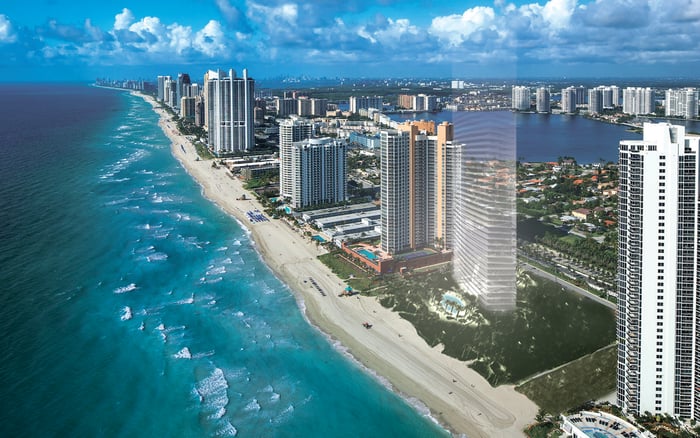
Miami Beach answers a different version of the same residency question. For some families, proximity to the ocean, wellness routines, and a recognizable social rhythm make the home easier to use consistently. That consistency can influence whether a property feels like a true residence or a beautiful exception to ordinary life.
Estate-planning questions can also influence the type of asset a buyer selects. Before contracts are signed, sophisticated purchasers often review whether the home will be held personally, through a trust, through an entity, jointly with a spouse, or within another structure coordinated by counsel. The answer can affect privacy preferences, financing conversations, association approvals, and the timing of deposits and closing documents.
A pre-construction condominium may require different coordination than a completed resale. A branded tower may involve a detailed association process. A waterfront house may raise maintenance, staffing, and insurance conversations that a full-service condominium absorbs differently. None of these considerations is a reason to avoid a purchase. They are reasons to match the product to the plan.
For a buyer drawn to Miami Beach, The Perigon Miami Beach may represent the kind of primary-caliber residence where privacy, design, and daily use converge. In Coconut Grove, Four Seasons Residences Coconut Grove speaks to a quieter version of permanence, where canopy streets, bay access, and a residential neighborhood cadence can matter as much as formal amenities.
Florida homestead considerations often bring the conversation from aspiration into detail. Buyers may ask whether the Miami property is intended to function as a principal residence, how that status interacts with family planning, and whether the home should be selected for long-term occupancy rather than occasional use.
Those questions can shift the search radius. A buyer who initially imagines a dramatic penthouse may later prioritize elevator privacy, storage, staff circulation, or a floor plan suitable for adult children and grandchildren. Another buyer may move from a dense urban setting toward a quieter waterfront environment if the goal is to create a family anchor rather than a seasonal retreat.
For Estates & Single-Family buyers, the same analysis can point toward privacy, gates, gardens, docks, and the ability to host several generations. For condominium buyers, it may point toward security, concierge depth, wellness facilities, and the ease of leaving the residence in professional hands while traveling.
Miami attracts families whose assets, heirs, businesses, and residences may span several jurisdictions. For these buyers, estate-planning questions can become more complex. A Florida residence may need to coordinate with foreign wills, existing trusts, succession rules abroad, philanthropic commitments, and the expectations of family members who do not all live in the same country.
This is where the decision to buy becomes less about square footage and more about control. Who may use the property? Who will inherit it? Should it be sold, retained, or transferred if circumstances change? How should privacy be maintained? What happens if the owner becomes incapacitated? These are not abstract questions at the very top of the market. They often determine whether a purchase proceeds cleanly.
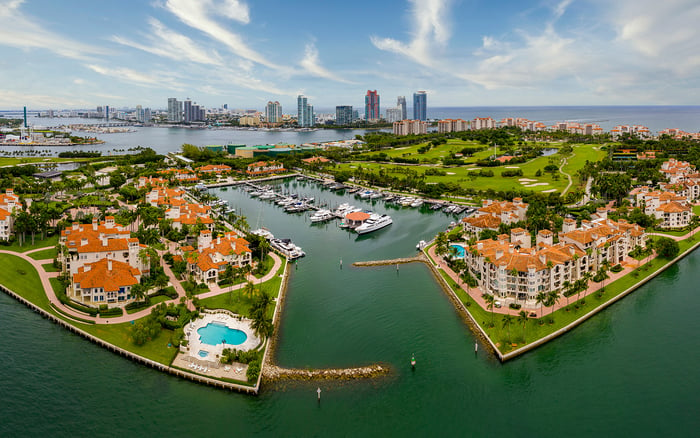
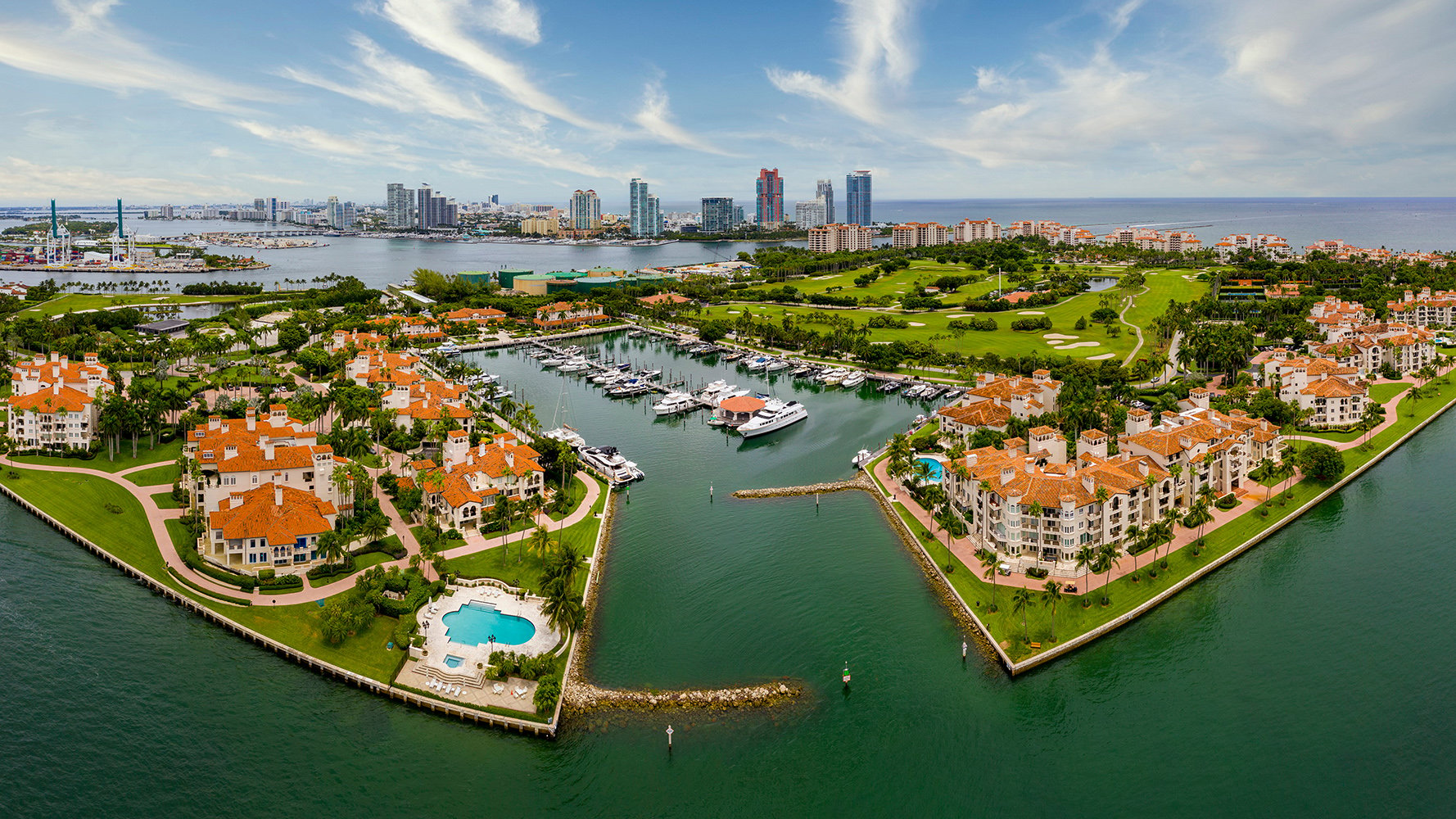
Fisher Island is a useful example of how location can align with planning priorities. A residence such as The Residences at Six Fisher Island may appeal to buyers who value controlled access, separation from the mainland, and a residential environment that feels discreet by design.
The phrase second home can understate the complexity of the decision. A Miami property might begin as a seasonal address, then become a primary residence as family, business, or tax planning evolves. Conversely, a buyer considering Florida residency may still want flexibility if professional obligations require time elsewhere.
That ambiguity should be addressed before the search becomes emotional. If the property may become a primary residence, it should be selected for daily comfort, not just dramatic arrival. Kitchens, closets, service areas, parking, private outdoor space, pet logistics, guest accommodations, and building culture become more important. A trophy property that works beautifully for ten nights may not work as elegantly for ten months.
Investment thinking also becomes more refined. The question is not only whether Miami property may appreciate over time. It is whether the ownership structure, carrying costs, intended use, and exit strategy align with the family’s broader plan. A residence that is perfect for entertaining may be less ideal if the next generation lives elsewhere. A more understated home may be better if the family wants durability, liquidity, and low friction.
The most disciplined buyers start with a coordinated conversation before touring too widely. Estate counsel can clarify planning objectives. Tax advisors can frame residency considerations. The real estate advisor can then translate those priorities into neighborhoods, building types, contract timing, and due diligence questions.
A practical approach begins with deciding whether the Miami home is meant to be a true residence, a flexible family base, or a strategic asset. Buyers should also identify who will use the home, how long they expect to hold it, whether privacy is paramount, and what level of service reduces friction. In Miami, the best purchase is rarely just the most impressive one. It is the one that makes the intended life easier to document, easier to inhabit, and easier to pass on.
When estate planning and real estate strategy are aligned, the property search becomes more precise. The buyer sees fewer homes, but better ones. The closing process becomes calmer. The residence itself becomes part of a larger architecture of wealth, family, and place.
Should I speak with estate counsel before buying in Miami? Yes. Buyers considering Florida residency should coordinate legal, tax, and real estate advice before contracts and deposits are finalized.
Does buying a Miami property automatically establish Florida residency? No. A purchase may support a residency plan, but residency is usually evaluated through a broader pattern of life and intent.
Why does ownership structure matter? Title held personally, in trust, jointly, or through an entity can affect privacy, succession planning, financing, and closing logistics.
Can estate planning influence which Miami neighborhood I choose? Yes. A buyer seeking a daily residence may prioritize different areas than one seeking a seasonal retreat or family-held asset.
Is a condominium easier for residency planning than a house? Not necessarily. Condominiums may offer service and security, while houses may offer privacy and control, depending on the plan.
Why do cross-border families need extra coordination? Assets, heirs, and legal documents in multiple jurisdictions can create planning issues that should be reviewed before purchase.
Should heirs be considered before buying? Often, yes. Future use, inheritance, sale plans, and family governance can all influence the right property choice.
Can a seasonal home later become a primary residence? It can, but buyers should select a property that supports daily life if that transition is a realistic possibility.
How does privacy factor into estate planning? Privacy can influence title structure, building choice, staff logistics, access control, and the desirability of certain locations.
What is the best first step for a buyer? Define the intended role of the Miami residence, then align counsel, tax advisors, and real estate strategy around that objective.
For a discreet conversation and a curated building-by-building shortlist, connect with MILLION.
If branded residences are on your mind — as a home or as an allocation — we would be glad to share what we are seeing, privately.
Begin a quiet conversation