A discreet buyer’s guide for Zurich-based clients evaluating Fort Lauderdale homes where view quality, development context, and long-term sightline confidence matter as much as design.
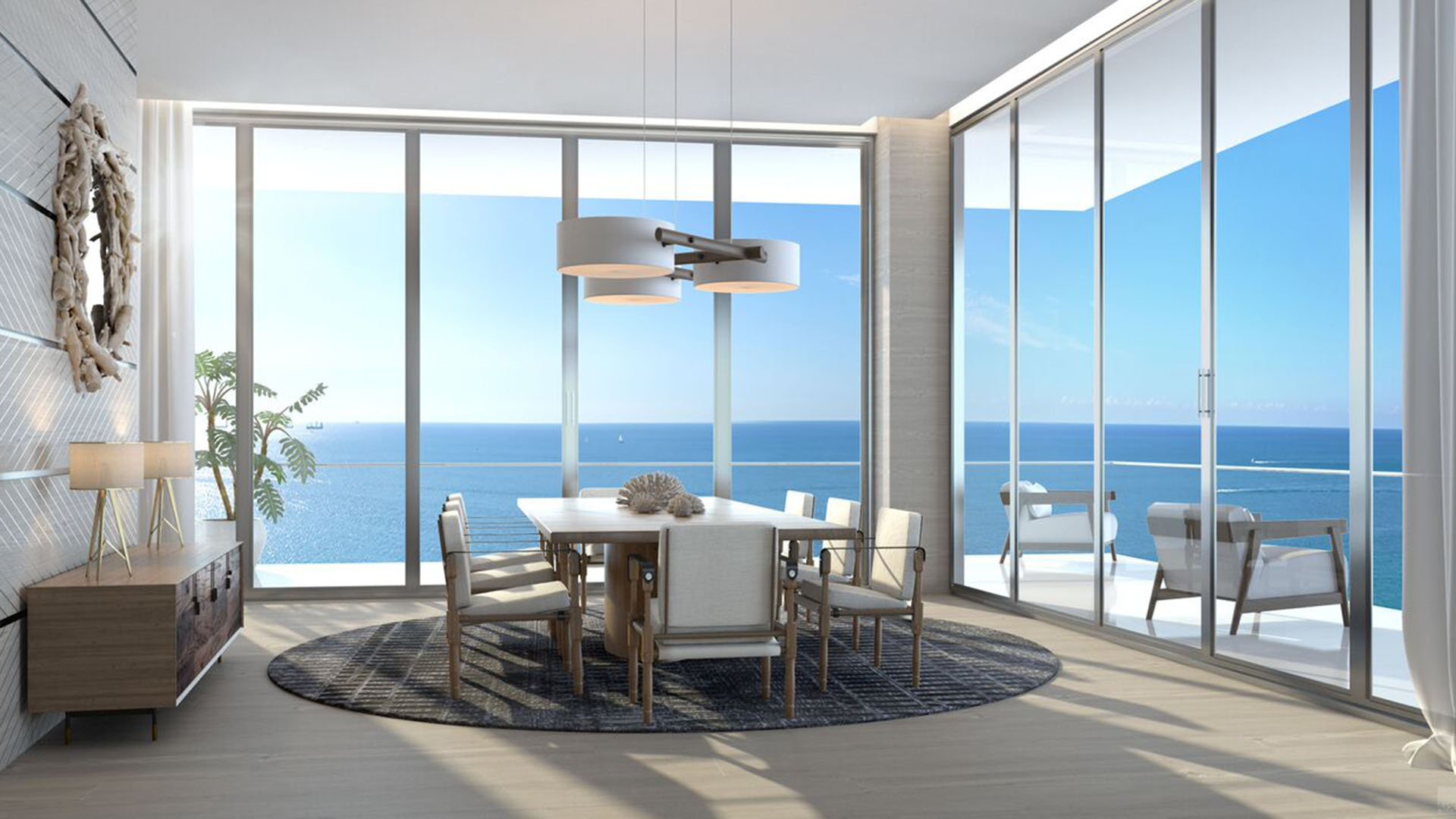
For a Zurich buyer, the phrase “protected view corridor” carries particular weight. It suggests order, permanence, and an expectation that the outlook from a home has been considered as part of the asset itself. In South Florida, the idea requires a more nuanced reading. A view may feel protected because of water, a park, a marina basin, a roadway, a civic setback, or the practical limits of nearby parcels. It may also be less protected than it appears.
That distinction matters in Fort Lauderdale, where lifestyle is inseparable from horizon, water, and light. A residence can make a dramatic first impression from the terrace, yet the real question is whether that view is defensible over time. For international buyers accustomed to careful urban planning and long-horizon capital preservation, the selection process should move beyond the postcard image. It should examine what sits in front of the glass, what could be built nearby, and how each sightline performs throughout the day.
This buyer’s-guide approach is not about chasing the highest floor blindly. It is about identifying views with structural logic behind them.
In practical terms, a protected view corridor is not simply a beautiful outlook. It is a sightline with reasons to endure. Those reasons may be physical, such as a wide waterway, or planning-related, such as open public space, established street alignment, or parcel geometry that makes future obstruction less likely. The strongest corridors usually combine more than one form of protection.
A Zurich buyer should ask three questions at the outset. First, what exactly is the view being valued: ocean, Intracoastal, river, marina, skyline, garden, or sunset exposure? Second, what lies between the residence and that view? Third, who controls the land, air, or development rights in that path? The answers may change the premium one is willing to pay.
In Fort Lauderdale, the most persuasive sightlines often involve water, but waterfront position is not a guarantee by itself. A broad water exposure may offer lasting openness, while a narrow angle between neighboring towers may be vulnerable. Waterview premiums should therefore be evaluated as geometry, not just scenery.
Fort Lauderdale offers several distinct view environments. Fort Lauderdale Beach has the obvious emotional appeal: sand, sunrise, resort energy, and immediate coastal identity. A residence such as Four Seasons Hotel & Private Residences Fort Lauderdale fits the buyer who wants the view to feel connected to hospitality, beach access, and a polished waterfront rhythm.
The marina and boating districts create a different kind of outlook. Here, the value is less about a single horizon and more about movement: vessels, water reflections, evening light, and proximity to the nautical life that defines the city. St. Regis® Residences Bahia Mar Fort Lauderdale is naturally read through that lens, where the surrounding marine setting becomes part of the residential experience.
Along river-oriented corridors, the mood shifts again. The outlook may be more architectural, layered with bridges, gardens, passing boats, and the downtown skyline. Riva Residenze Fort Lauderdale speaks to buyers who prefer a quieter waterside composition over a pure beachfront posture. Near the urban core, Sixth & Rio Fort Lauderdale may appeal to those who want a more connected daily pattern, with the view serving as part of a walkable city life rather than a retreat from it.
High floors can be useful, but they are not a universal answer. A higher residence may clear nearby roofs and capture a broader horizon, yet it can also feel removed from the water or garden that gives a view its intimacy. Lower and mid-level homes may offer a more cinematic relationship with boats, trees, and reflections, provided the forward corridor is credible.
The more disciplined approach is to compare specific sightlines at multiple elevations. A buyer should stand in the principal rooms and ask where the eye naturally rests. Does the primary view align with the living room, the main bedroom, the terrace, or only a corner of the plan? Does the outlook remain compelling while seated, or only when standing at the glass? Does glare make the view difficult at certain times of day?
For a Zurich client, this is where restraint becomes an advantage. The best purchase is not always the most spectacular view in a sales presentation. It is the residence whose everyday outlook remains graceful, legible, and comfortable.
Before assigning meaningful value to a view, a buyer should review the immediate development context. The key is to understand nearby parcels, approvals, permitted massing, setbacks, and the practical likelihood of future construction. In a maturing luxury market, the empty lot, aging low-rise building, or underused frontage can matter more than the skyline itself.
The terrace should be treated almost like a survey instrument. Look straight ahead, then diagonally. Identify every parcel in the view cone. Consider whether a new building could sit directly in the primary line of sight or merely at the edge. A partial impact may still matter if it interrupts the best sunrise, sunset, or water angle.
Buyers should also separate legal protection from perceived protection. A road, waterway, or public open space may create durable openness, but every condition deserves verification. The goal is not to eliminate all uncertainty. It is to price uncertainty correctly.
International buyers often begin with images and floor plans, but view selection benefits from a more tactile process. If possible, visit at different times of day. Morning light, afternoon glare, evening reflections, and nighttime skyline presence can transform the same residence. If travel timing is limited, request a viewing sequence that includes direct daylight and twilight.
Currency, tax, ownership structure, and estate planning may shape the purchase, but the home itself should still pass a simple test: would the view feel valuable if resale were not discussed for years? The most resilient choices tend to have multiple forms of appeal. A water corridor plus strong architecture. A skyline view plus privacy. A beach setting plus service. A marina outlook plus convenience.
For Broward buyers comparing Fort Lauderdale with other South Florida enclaves, the city’s appeal is its range. It can be resort-like, nautical, residential, or urban within a compact geography. The right protected corridor is the one that supports the life the buyer actually intends to live.
Protected views are not only about what one sees. They are also about what one does not see: neighboring terraces too close to the glass, future construction cranes in the main axis, or a corridor that depends on a parcel remaining unchanged. Privacy is often the silent partner of view quality.
The most sophisticated buyers weigh four elements together: openness, privacy, light, and planning risk. A home with a slightly less dramatic but more secure corridor can be preferable to one with a sensational but fragile outlook. In this sense, Fort Lauderdale rewards patience. The city offers many beautiful views, but only some have the combination of geometry and context that a Zurich buyer should regard as truly investment-grade.
What is a protected view corridor in Fort Lauderdale? It is a sightline with a reasonable basis for long-term openness, often supported by water, open space, setbacks, parcel shape, or planning context.
Is an ocean view always more protected than an Intracoastal view? Not necessarily. The durability of any view depends on what sits within the view cone and what could reasonably change there.
Should Zurich buyers prioritize high floors? High floors can improve exposure, but the best choice depends on the exact sightline, privacy, glare, and relationship to water or landscape.
How should a buyer evaluate a Waterview premium? Treat it as a combination of angle, width, permanence, and everyday usability rather than a simple label.
Is Fort Lauderdale Beach the best area for protected views? It may be ideal for buyers seeking coastal identity, but marina, river, and downtown-adjacent settings can also offer compelling corridors.
Can a view be protected without being legally guaranteed? Yes. Physical conditions such as water or public space may create practical protection, though verification remains essential.
What should be checked before paying more for a view? Review nearby parcels, potential development, setbacks, approvals, and the exact direction of the primary rooms and terrace.
Do lower floors ever offer better views? Yes. Lower or mid-level homes can feel more connected to boats, gardens, and reflections when the forward corridor is sound.
How many visits are ideal before choosing a residence? Multiple viewings at different times of day are preferred, especially when light, glare, and nighttime ambience influence value.
What makes a view investment-grade? It combines beauty with credible durability, privacy, livable light, and a setting that supports long-term desirability.
To compare the best-fit options with clarity, connect with MILLION.
If branded residences are on your mind — as a home or as an allocation — we would be glad to share what we are seeing, privately.
Begin a quiet conversation