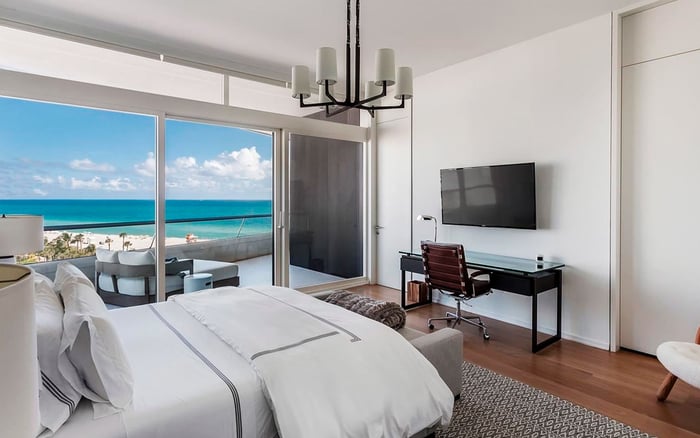
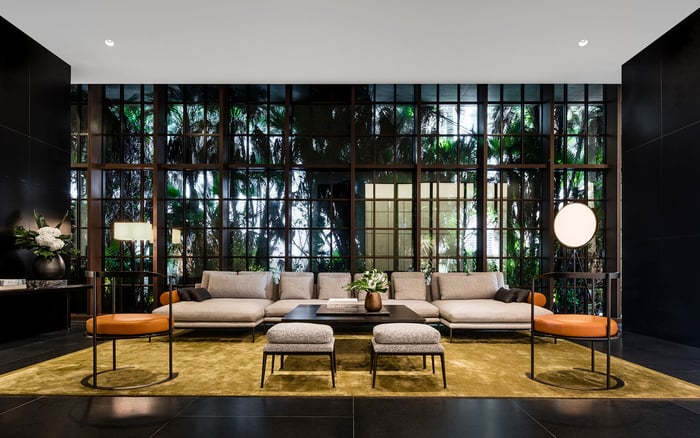
For multigenerational buyers in South Florida, the decision between bayfront calm and direct oceanfront exposure is less about spectacle than fit. The strongest choice depends on daily routines, privacy, mobility, terrace comfort, and how grandparents, parents, children, and guests actually use the residence.
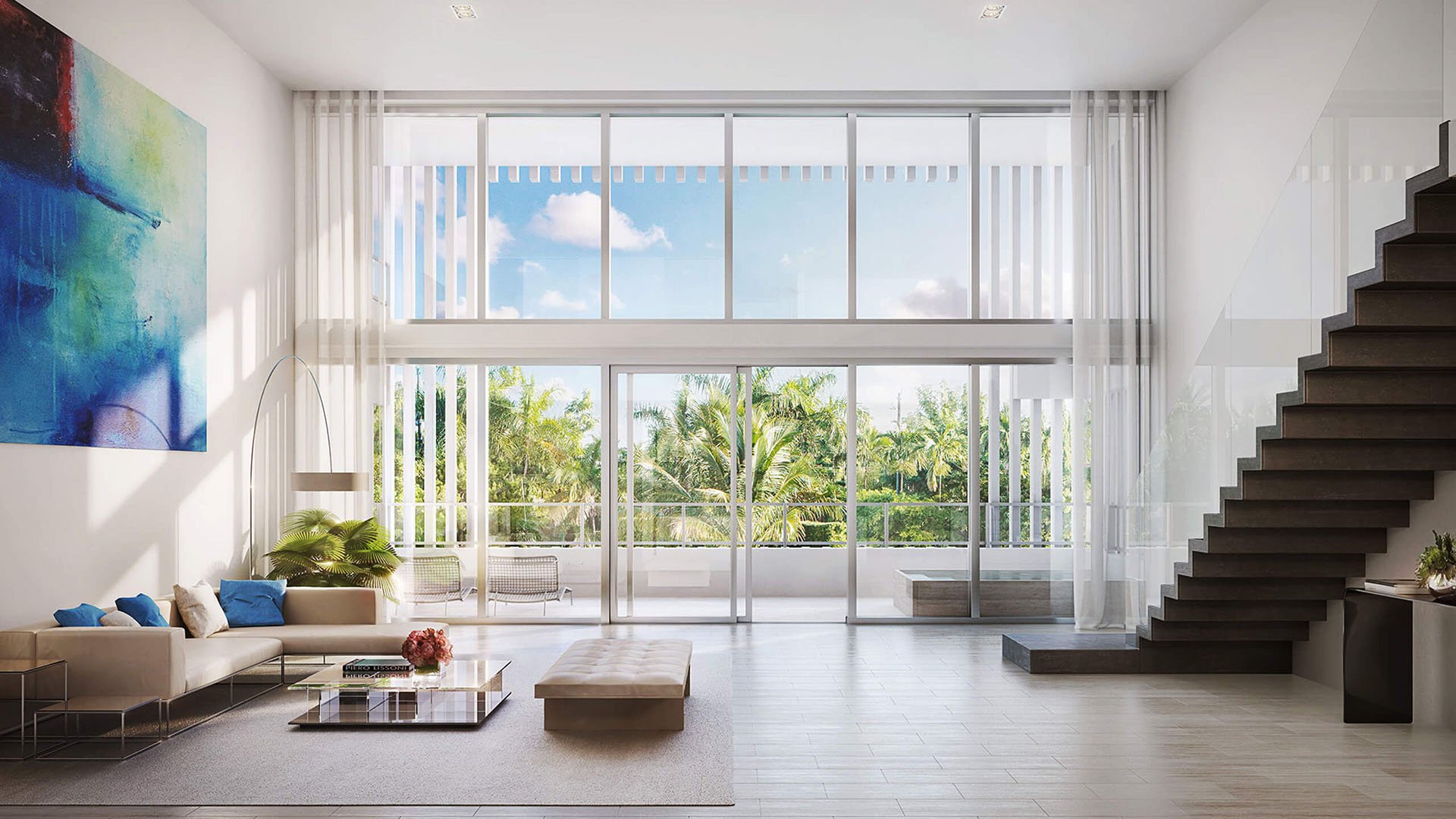
For multigenerational families, South Florida waterfront real estate is rarely a simple contest between bay and ocean. Direct oceanfront living carries the romance: horizon, surf, sunrise, and a sense of occasion each time the doors open. Bayfront living offers another form of luxury: softer water, a gentler visual tempo, and a calmer backdrop for daily life.
The better choice depends less on prestige than on household choreography. A family with grandparents in residence, adult children visiting seasonally, grandchildren moving between pool, beach, school, and dinner, and guests arriving for long weekends needs a home that remains composed under pressure. Waterfront beauty matters, but it must support privacy, mobility, sleep, service, entertaining, and the ordinary rituals that make a residence livable.
In that sense, the buyer’s guide begins with a quieter question: will the property be used as a stage, a sanctuary, or both?
Bayfront settings often suit families who want water without constant intensity. The visual field is layered: passing boats, reflected light, evening color, and a more residential rhythm. For grandparents or younger children, that softness can be meaningful. The experience feels less elemental and more domestic, especially when terraces are used for breakfast, reading, homework, and informal dinners.
Bayfront residences also tend to appeal to households that prioritize flexibility. In areas such as Bay Harbor Islands, North Bay Village, Coconut Grove, Edgewater, and parts of Brickell, buyers can often balance water views with proximity to schools, dining, medical appointments, cultural districts, and private clubs. A buyer considering Onda Bay Harbor, for example, may be thinking about how a quieter island setting supports a family moving across Miami Beach, Bal Harbour, Surfside, and the mainland during a typical week.
Bayfront calm is not necessarily modest. It can be deeply refined. The distinction is emotional: it emphasizes ease, continuity, and a sense of being protected from the full force of the coast.
Direct oceanfront property is compelling for families who want the beach to define the day. The appeal is immediate: morning walks, ocean air, open horizon, and a resort-like cadence that makes even a short stay feel restorative. For families gathering during holidays or school breaks, the ocean can become the organizing principle for the entire household.
This is where Miami Beach and Sunny Isles Beach remain especially powerful in the luxury imagination. A residence such as The Perigon Miami Beach speaks to buyers who want the Atlantic as a central presence, not a distant view. Farther north, St. Regis® Residences Sunny Isles naturally enters conversations for families drawn to a full coastal lifestyle with the ocean at the front door.
The tradeoff is that oceanfront exposure can feel more dramatic. Wind, sun, sound, and salt air are part of the identity. For some families, that is precisely the point. For others, especially those with older relatives who prefer gentle terraces and predictable outdoor comfort, bayfront may feel more livable over time.
The most successful family purchase begins with use patterns. Does one generation live there full time while others visit? Are grandparents independent, or will they need a quieter suite with easy access to elevators and common areas? Do children need a beach routine, or is the priority a pool, shaded terrace, and walkable neighborhood?
A true multigenerational residence should allow togetherness without forcing it. That means separation between primary and secondary suites, flexible dens, discreet service circulation where available, acoustic privacy, and enough gathering space for a long dinner without turning every evening into an event. The best waterfront address is one where the household can expand and contract gracefully.
Bayfront properties often perform well for this reason. They can feel more residential and less performative, making it easier for different generations to keep different schedules. Oceanfront homes excel when the family’s shared identity is built around beach life and seasonal retreat. Neither is inherently superior. The right answer is the one that creates fewer daily compromises.
In the ultra-premium market, buyers sometimes over-index on the first view and underweight the fiftieth day of ownership. A spectacular water view is important, but it should not distract from plan logic. Where is the kitchen in relation to the terrace? Can an older family member reach the pool comfortably? Is there a quiet room away from the main entertaining space? Does the elevator arrival preserve privacy when multiple guests are staying?
Terrace usability deserves particular attention. A deep, shaded terrace that can be used comfortably at different times of day may be more valuable to a family than a more exposed outdoor space with a dramatic outlook. The same is true of parking, staff access, storage, pet routines, and guest suite placement. Luxury is not only what is seen. It is what works without being discussed.
This is where a bayfront address such as Vita at Grove Isle can enter a family’s analysis differently from a pure beach residence. The decision is not simply water versus water. It is how the home supports ordinary days within extraordinary surroundings.
A family with frequent visitors may prefer the energy of an oceanfront corridor, where beach days, dinners, and hotel-style services can shape the week. Another family may want a quieter base that allows easy hosting without the feeling of constant resort activity. Lifestyle is personal, and in South Florida it is highly seasonal.
The smartest buyers map a full year, not a weekend. Winter holidays may favor oceanfront drama. School-year routines may favor bayfront convenience. Summer visits may shift the value toward pools, shade, marina adjacency, or larger indoor common areas. A residence that feels perfect for two adults may not work as elegantly when three generations arrive at once.
For families comparing The Residences at Mandarin Oriental, Miami with beachfront or barrier-island options, the question becomes one of rhythm. Is the home a cosmopolitan waterfront base, a beach retreat, or a hybrid for a family whose members want different things at different hours?
Bayfront calm matters more when the home is primarily about continuity: full-time living, aging-in-place considerations, school-year stability, quiet evenings, and easy movement across the region. Direct oceanfront exposure matters more when the home is primarily about escape: beach identity, seasonal gathering, dramatic views, and a sense of arrival that never becomes ordinary.
For multigenerational families, the strongest purchase is rarely the most theatrical one on paper. It is the residence that makes grandparents comfortable, children engaged, parents relaxed, and guests welcome without compromising privacy. The water should elevate the household, not dominate it.
Is bayfront living better for multigenerational families? It can be, especially when calm, convenience, and terrace usability matter more than direct beach access.
Is direct oceanfront always more valuable? Not always. Value depends on location, building quality, residence layout, privacy, and how the family uses the property.
What should older family members consider first? Elevator access, quiet bedroom placement, shaded outdoor areas, and easy movement to amenities should come before view preference.
Does oceanfront living work well with children? Yes, particularly for families who want beach routines, outdoor activity, and a strong vacation rhythm.
Why do some families prefer bay views? Bay views often feel softer and more residential, which can make daily living feel calmer and more flexible.
How important is terrace depth? Very important. A usable terrace can shape daily life more than a dramatic view that is uncomfortable at certain times.
Should buyers prioritize Miami Beach or Sunny Isles Beach? Both can work, but the decision should reflect commute patterns, family routines, privacy needs, and preferred beach character.
Can a bayfront home still feel luxurious? Absolutely. Luxury is defined by design, service, privacy, finish, and livability, not only by direct ocean exposure.
What is the biggest mistake families make? Choosing the most dramatic view without testing whether the floor plan supports three generations at once.
How should a family make the final decision? Walk through a normal week, a holiday week, and a guest-heavy weekend, then choose the residence that performs best in all three.
To compare the best-fit options with clarity, connect with MILLION.
If branded residences are on your mind — as a home or as an allocation — we would be glad to share what we are seeing, privately.
Begin a quiet conversation