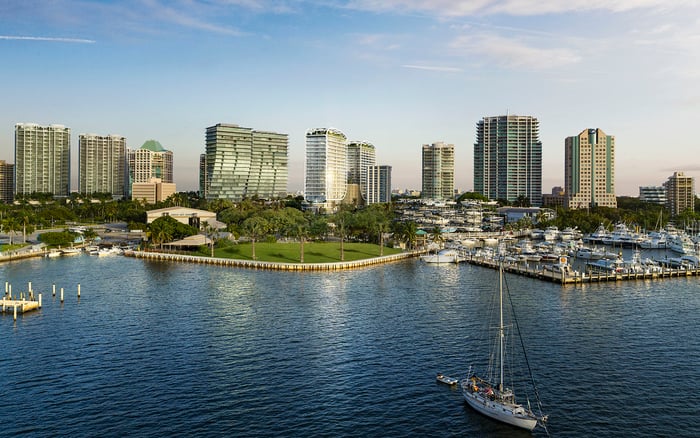
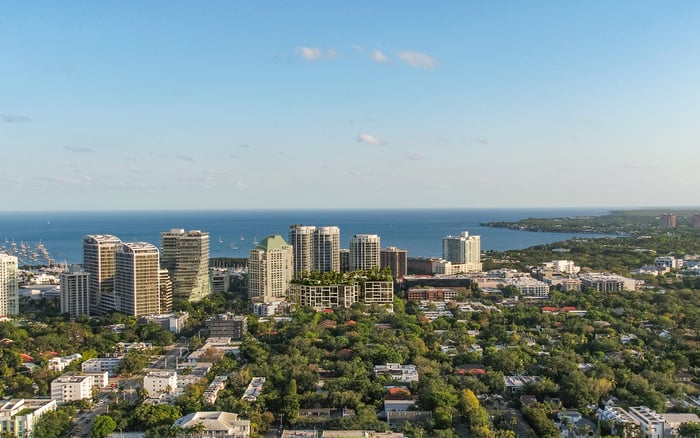
Mr. C Tigertail Coconut Grove belongs in the second-home conversation because it reframes Grove ownership around branded service, neighborhood access, and lower-maintenance private use rather than conventional estate management or waterfront trophy positioning.
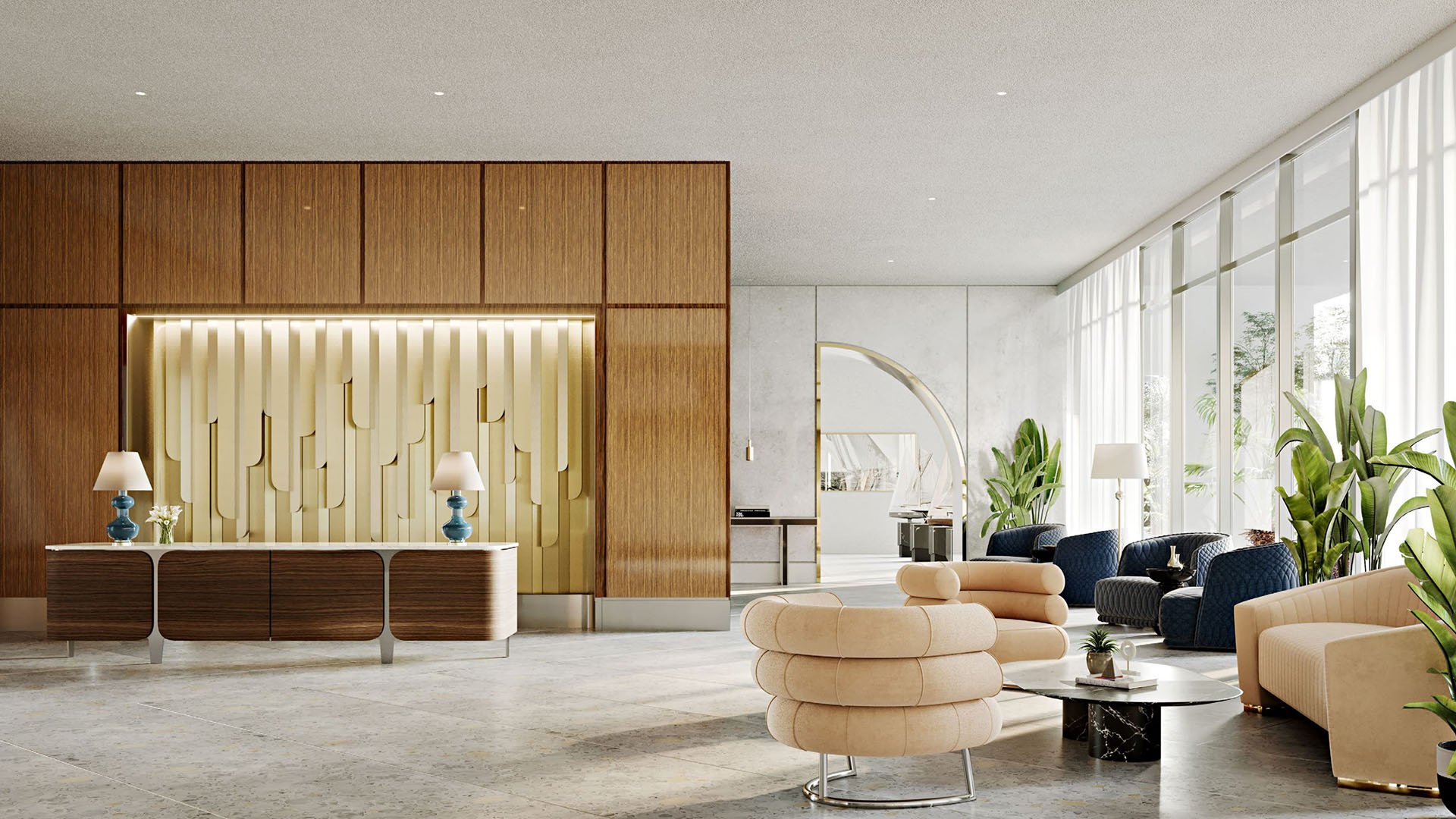
For affluent buyers considering a Miami base, the question is no longer simply where to buy. It is how the residence will function when the owner is away, how quickly it can be used on arrival, and whether it supports a multi-home lifestyle without becoming another operating burden. In that context, Mr. C Tigertail Coconut Grove enters the Coconut Grove conversation as a branded residential project built around hospitality-driven ownership rather than the conventional unbranded condominium model.
That distinction matters. A second residence in South Florida can be emotional, financial, and practical at once. The strongest choice is often the one that feels effortless: easy to access, easy to maintain, and easy to return to after weeks or months away. Mr. C Tigertail Coconut Grove fits that thesis through a serviced-residence format that pairs private ownership with the operational sensibility associated with a hospitality brand.
For buyers who already own a primary residence elsewhere, or who divide their time among several homes, this type of offering addresses a clear need. The property is not best understood as a pure trophy acquisition. Its appeal is tied to livability, service, neighborhood access, and the ability to use Miami on the owner’s own schedule.
The phrase lock-and-leave is often overused, but in second-home strategy it remains highly relevant. A seasonal home or pied-a-terre should not require the same attention as a stand-alone estate. It should be ready when the owner arrives, secure when the owner departs, and supported by a residential structure that reduces friction.
Mr. C Tigertail’s proposition is strongest when viewed through that lens. Its serviced-residence model supports owners who want a Miami address without the broader responsibilities of managing a single-family property. In Coconut Grove, where traditional estates can offer privacy and character but may also demand a more hands-on approach, a branded residence provides a different path: private use with a higher degree of operational ease.
This does not make one format superior to another. It clarifies buyer fit. The estate buyer may want land, autonomy, and a more traditional Grove compound. The serviced-residence buyer may want a refined Miami base that can be used part-time, seasonally, or throughout the year with fewer moving parts.
Coconut Grove’s second-home appeal is rooted in atmosphere. It offers a village-like setting that feels distinct from Miami’s more vertical, resort-driven submarkets. The rhythm is more residential, more shaded, and more neighborhood-scaled. For a buyer building a portfolio of homes, that tone can matter as much as square footage or skyline views.
Mr. C Tigertail Coconut Grove sits comfortably within this idea of neighborhood-scale luxury. Its value proposition is less about high-rise spectacle and more about the practical elegance of having a serviced home in a location designed for repeat use. The Grove’s appeal is not only that it can host a weekend escape; it can also support a longer seasonal stay, a working visit, or a last-minute trip without feeling overly transient.
That is why comparisons within the Grove should be made carefully. Buyers looking at Four Seasons Residences Coconut Grove may be drawn to branded prestige and private residential polish. Those considering Arbor Coconut Grove may be evaluating a more intimate Grove expression. Mr. C Tigertail adds another angle to the set: branded hospitality as a daily-use convenience tool for a second-home strategy.
The rise of branded residences has changed how luxury buyers think about second homes. The brand is not merely aesthetic. At its best, it signals a standard of service, consistency, and ease that can be especially valuable for owners who are not in residence full time.
Mr. C Tigertail’s hospitality-driven concept gives it a different value proposition from traditional Coconut Grove single-family estates. For some buyers, the key question is not whether they can own a larger or more private property. It is whether they want to manage one. A lower-maintenance residence can be the more strategic asset when the intended use is seasonal, part-time, or opportunistic.
This is where lifestyle becomes inseparable from operations. A second home should make the owner’s life feel more fluid, not more complicated. The residence needs to be comfortable enough for longer stays, polished enough for entertaining, and practical enough that departure does not trigger a list of unresolved tasks.
Within the broader Grove market, The Well Coconut Grove speaks to buyers focused on wellness-oriented living, while Vita at Grove Isle occupies a different conversation around island-style privacy. Mr. C Tigertail stands apart by placing the service experience and neighborhood access at the center of the ownership case.
The likely strategic buyer for Mr. C Tigertail is not looking to recreate a primary residence in Miami. More often, the buyer wants a refined base that can be activated easily: a seasonal home, a pied-a-terre, or a flexible part-time residence. The attraction is privacy without isolation, service without a hotel-room mindset, and Coconut Grove access without the complexity of estate management.
For multi-home owners, that balance can be decisive. A Miami residence must compete not only with other properties in South Florida, but with the owner’s existing homes, travel patterns, family commitments, and business calendar. A property that reduces friction earns more actual use. That is the quiet power of the serviced-residence model.
Mr. C Tigertail is therefore best framed as a lifestyle and convenience play. It is not dependent on the same logic as a waterfront trophy condominium or a legacy single-family estate. Its strongest angle is the combination of branded service, Grove location, and ease of ownership.
For second-home buyers, the first question is usage. If the goal is to spend extended periods in Miami and maintain a more autonomous household, a traditional home may still be compelling. If the goal is frequent, lower-friction access to Coconut Grove, a serviced residence may better match the real pattern of use.
The second question is identity. Some buyers want a residence that feels resort-like. Others want something quieter and more neighborhood-based. Mr. C Tigertail aligns with the latter, while still using the hospitality language of a recognized brand.
The third question is maintenance tolerance. A part-time owner should be honest about how much time they want to devote to upkeep, staffing, oversight, and readiness. A second home should expand freedom. It should not become another managerial responsibility.
What is Mr. C Tigertail Coconut Grove? It is a branded residential project in Coconut Grove, Miami, positioned around Mr. C’s hospitality-driven residential concept.
Why does it matter for second-home buyers? It fits buyers seeking a Miami base that can function as a seasonal home, pied-a-terre, or part-time residence with operational ease.
Is the appeal mainly waterfront positioning? No. Its second-home appeal is tied more to services, neighborhood access, and lower-maintenance ownership than to trophy waterfront identity.
How does it differ from a Coconut Grove estate? A traditional estate may offer more autonomy and land, while Mr. C Tigertail emphasizes branded service and a serviced-residence format.
Does the project suit a lock-and-leave strategy? Yes. Its format supports owners who want private ownership with less friction when arriving, departing, or using the home seasonally.
Who is the ideal buyer? The fit is strongest for affluent multi-home owners who prioritize convenience, privacy, livability, and year-round usability.
Why is Coconut Grove relevant to this strategy? Coconut Grove’s village-like setting creates a softer Miami base, with neighborhood-scale luxury rather than a more resort-condo identity.
Is this primarily an investment story? It is better framed as a lifestyle and convenience decision, although each buyer should evaluate personal ownership goals carefully.
Should buyers compare it with other Grove projects? Yes. Comparing service model, location, maintenance expectations, and intended use can clarify whether Mr. C Tigertail is the right fit.
What is the main takeaway? Mr. C Tigertail Coconut Grove is compelling when the goal is a serviced Miami residence that feels easy to own and easy to use.
When you're ready to tour or underwrite the options, connect with MILLION.
If branded residences are on your mind — as a home or as an allocation — we would be glad to share what we are seeing, privately.
Begin a quiet conversation