A discreet, buyer-oriented guide to aligning legal, tax, estate, financing, and lifestyle considerations before purchasing a West Palm Beach residence from a Greenwich base.

For Greenwich families considering a residence in West Palm Beach, the purchase is rarely only about square footage, views, or the elegance of a lobby. It is about how a Florida home fits within a broader balance sheet, calendar, estate plan, family governance structure, and privacy strategy. The most polished acquisitions often begin before the first showing, with a discreet review of title, control, financing, insurance, and succession.
This is where cross-border ownership planning becomes essential. The border may be domestic, but the implications can be meaningful. A buyer who lives, works, owns, gives, borrows, and travels across state lines should understand how each decision may affect the next. In the ultra-premium market, the right residence and the right ownership structure should be designed together.
The principle is consistent: the earlier the planning, the cleaner the purchase. When a buyer waits until contract stage to ask who should own the property, who should sign, how funds should move, or how the residence will be used by family members, avoidable friction can enter a transaction that should feel composed.
Greenwich buyers often approach West Palm Beach with a clear lifestyle brief: warmer months, easier access to Palm Beach, proximity to dining and culture, a more fluid winter rhythm, or a residence that supports children and guests without the demands of a larger estate. Those preferences matter. They should not, however, be confused with ownership decisions.
A lifestyle decision answers how the property will be enjoyed. An ownership decision answers who owns it, who controls it, who has access to it, how it is financed, how expenses are paid, and what happens if circumstances change. A second home can be simple in use and sophisticated in structure. The best planning keeps those two ideas aligned without allowing one to overwhelm the other.
For example, a buyer comparing Alba West Palm Beach with other residences may be focused on layout, views, building character, and daily convenience. In parallel, counsel may be reviewing whether the home should be held personally, in trust, through an entity, or within another structure suited to the family's objectives. Both tracks should move together.
Before a buyer becomes emotionally attached to a residence, several questions deserve attention. Will this be a personal retreat, a family gathering place, a legacy asset, or a flexible hold? Will adult children use it independently? Will guests stay when the principal owners are away? Will the home ever be rented, loaned, refinanced, gifted, or transferred?
The answers can influence more than title. They can shape insurance, household staffing, association approvals, financing documentation, tax reporting, privacy expectations, and future estate administration. A buyer pursuing an investment angle may approach the same residence very differently from a buyer seeking a long-term family base.
There is no universal structure that suits every high-net-worth household. A plan should reflect the buyer's residence profile, family composition, tolerance for disclosure, liquidity preferences, debt strategy, and long-term intentions. If the home is intended to remain in the family, estate counsel should be involved early. If the home is part of a broader portfolio strategy, tax and financial advisors should be equally close to the conversation.
A move from Greenwich to West Palm Beach can be physical, seasonal, financial, or symbolic. Planning should clarify which one is intended. Some buyers want a winter residence while preserving established ties elsewhere. Others may be considering a deeper relocation. Those are different objectives, and they require different levels of documentation and discipline.
Residency planning is not established by enthusiasm for a destination. It is built through consistent facts, records, behavior, and advisor coordination. Buyers should discuss travel patterns, family routines, club memberships, voting, vehicles, professional offices, medical relationships, charitable commitments, and other practical ties with their advisors before assuming that a property purchase alone resolves the question.
This is especially relevant for households that expect to move gradually. A buyer may close on a residence, furnish it beautifully, spend increasing time there, and still need a clear record that supports the intended position. The property is an anchor, but the surrounding conduct matters.
Luxury residential ownership is also a family governance issue. Who can use the residence? Who approves guests? Who pays carrying costs? What happens if siblings have different schedules or priorities? If the property is owned in a trust or entity, who has authority to make decisions quickly when repairs, assessments, or sales questions arise?
These matters are easier to settle when everyone is calm and the residence is still a planning concept. Once a family has memories attached to a home, governance can become more emotional. Clear documents do not diminish the romance of ownership. They protect it.
Privacy should be considered in the same spirit. Some buyers prefer personal ownership for simplicity. Others may value a structure that supports discretion, continuity, or estate objectives. The best answer depends on the household. A residence such as Forté on Flagler West Palm Beach may be evaluated for lifestyle first, but the ownership wrapper should be evaluated with equal seriousness.
Even cash-capable buyers should decide whether cash is the preferred tool. Financing can preserve liquidity, support portfolio strategy, or align with broader planning. It can also introduce underwriting timelines, entity review, insurance requirements, and documentation requests. If an entity or trust will own the property, lenders may need additional information before issuing terms.
Closing readiness matters in competitive luxury transactions. A buyer who has already aligned advisors, verified funds, reviewed entity documents, and clarified signing authority is easier to work with. That composure can matter when a desirable residence becomes available.
Insurance should also be part of the early conversation. Buyers should understand coverage, deductibles, building requirements, personal property needs, and the relationship between association coverage and individual responsibility. Waterfront preferences can add beauty and complexity, so protection should be treated as part of the acquisition strategy rather than a closing-week task.
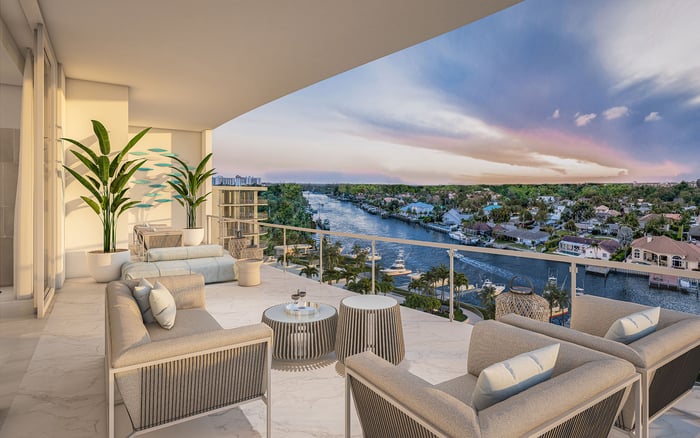
West Palm Beach offers a refined alternative for buyers who want proximity to Palm Beach without necessarily choosing the island itself. The appeal is not only residential. It is the rhythm: access, restaurants, culture, offices, marinas, and a growing sense of year-round sophistication.
That does not mean every residence serves the same planning purpose. A lock-and-leave condominium may suit a household that values simplicity. A larger residence may better serve extended family use. A building with a strong service culture may support a buyer who travels frequently. A boutique environment may appeal to those who prioritize discretion and familiarity.
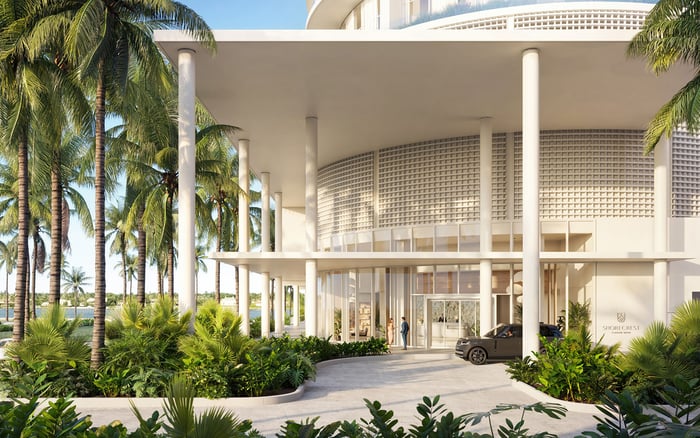
When reviewing Shorecrest Flagler Drive West Palm Beach and The Ritz-Carlton Residences® West Palm Beach, the strongest buyers will look beyond finishes. They will ask how the residence functions during peak season, how guests are accommodated, how household staff access is managed, how storage and parking support daily life, and whether the building culture fits the intended use.
Begin with intent. Decide whether the residence is a seasonal retreat, primary base, family asset, or portfolio holding. Then align title, tax, estate, lending, and insurance advisors before the search becomes urgent.
Next, establish decision authority. Know who signs, who approves offers, who communicates with counsel, and how quickly funds can move. Clarify whether the buyer will purchase personally or through a structure, and confirm that any structure is ready to transact.
Finally, match the building to the plan. The most beautiful residence may not be the best fit if its rules, service model, or ownership requirements do not support the way the household intends to live. Precision is the quiet luxury in this process.
Should Greenwich buyers form an entity before shopping in West Palm Beach? They should discuss it early with legal and tax advisors. The correct answer depends on privacy, estate, financing, and family-use goals.
Is a West Palm Beach purchase enough to establish a new residency position? A property purchase alone should not be treated as a complete residency plan. Buyers should align conduct, records, and advisor guidance.
Can a trust own a luxury condominium? In many planning scenarios, trusts are considered, but the structure must be reviewed against financing, association, tax, and estate objectives.
Should financing be arranged before identifying a property? Yes, if financing may be used. Early lender review can reduce delays, especially when trusts, entities, or complex balance sheets are involved.
What should families decide before closing? They should address use rights, guest policies, expense sharing, decision authority, and future transfer intentions before emotions complicate governance.
How important is insurance in the planning process? It is central. Coverage, deductibles, association requirements, and personal property protection should be reviewed before closing.
Should buyers prioritize Palm Beach or West Palm Beach? The better choice depends on lifestyle, access, privacy, building preferences, and how the residence fits the broader ownership plan.
Can a second home also be an investment? It can be evaluated through both lenses, but personal use, liquidity goals, and potential income considerations should be analyzed separately.
When should estate counsel become involved? Estate counsel should be involved before contract if the residence may become a family or legacy asset.
What is the biggest mistake buyers make? They fall in love with the property before aligning the structure. The best acquisitions pair emotional conviction with disciplined planning.
To compare the best-fit options with clarity, connect with MILLION.
If branded residences are on your mind — as a home or as an allocation — we would be glad to share what we are seeing, privately.
Begin a quiet conversation