A discreet guide to Armani/Casa Residences Pompano Beach as a quieter South Florida pied-à-terre, framed around design restraint, coastal rhythm, privacy, and selective access to the region’s larger luxury circuit.
For a certain buyer, the ideal South Florida pied-à-terre is no longer measured by proximity to the loudest dining room, the tallest skyline, or the most photographed lobby. It is measured by how quickly life becomes composed. Morning should begin with light, water, and privacy. Afternoon should allow for work, wellness, or a discreet lunch without logistical friction. Evening should offer choice, not pressure.
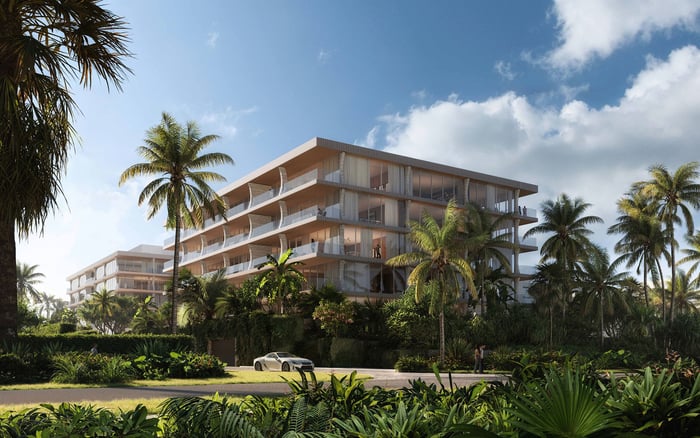
That is the lifestyle lens through which Armani Casa Residences Pompano Beach becomes especially relevant. Rather than framing Pompano Beach as a lesser-known substitute for Miami Beach or Brickell, the stronger interpretation is more intentional: a coastal base for buyers who want access to South Florida without adopting its most accelerated rhythm.
The residence sits within a broader shift in luxury demand. Pompano Beach is emerging as a discreet coastal market, fashion-house branded residences continue to shape buyer expectations, and affluent seasonal owners are increasingly seeking homes that support ritual, calm, and low-maintenance living. In that context, Armani Casa Residences Pompano Beach reads less like a conventional beach condo and more like a design-led operating system for a quieter second-home life.
Pompano Beach occupies a useful position in South Florida’s luxury geography. It is coastal, but not as symbolically charged as Miami Beach. It is connected, yet less defined by the density and spectacle associated with Brickell. It sits between better-known markets such as Fort Lauderdale, Boca Raton, and Palm Beach County, giving buyers regional access without requiring them to live at the center of every scene.
For the pied-à-terre buyer, that distinction matters. A second home should not feel like another demanding address. It should reduce decision fatigue. Pompano Beach can function as an acoustic buffer, a place where the broader metropolis remains available but not ever-present. The point is not isolation. The point is calibration.
This is where the Pompano Beach lifestyle becomes compelling. It offers Atlantic beachfront access with a more restrained daily rhythm than denser urban cores. A buyer can think in terms of morning water, local convenience, selective dinners, and easy movement through the region when desired. Beach access, in this context, is not simply a recreational amenity. It is part of the architecture of daily life.
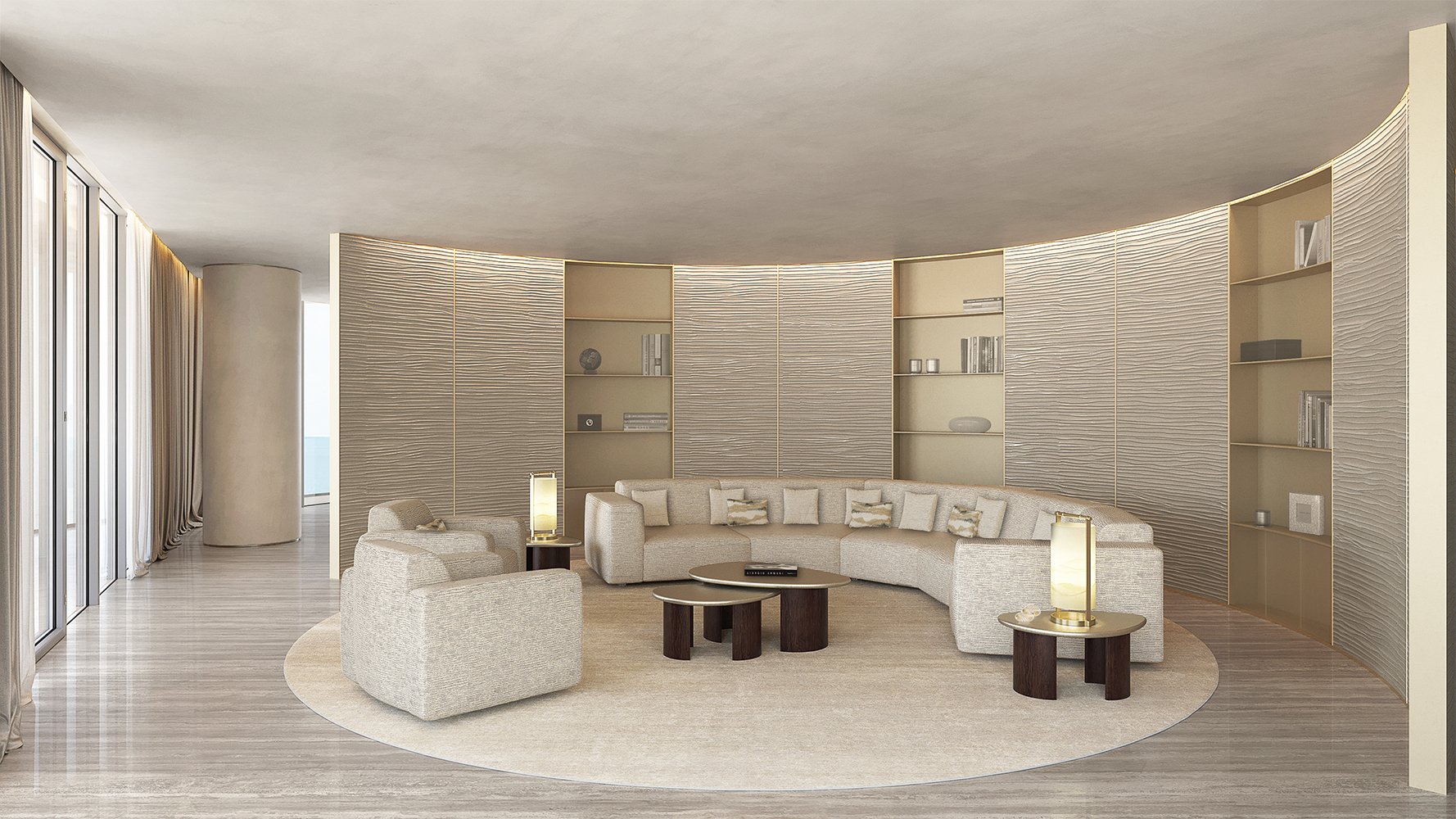
The Armani/Casa name carries a particular design implication. Its appeal is not based on ornament for ornament’s sake, but on controlled elegance, sensory restraint, and curated calm. For a buyer who already understands interiors, fashion, proportion, and material atmosphere, that distinction is important.
In many luxury markets, branded residential living can become theatrical. The brand announces itself loudly, asking to be recognized before it is lived in. The Armani/Casa interpretation is better understood through composure. It supports a buyer who wants the residence to feel refined without becoming performative.
That aligns naturally with the Pompano Beach thesis. The setting does not call for a nightlife-driven resort product. It supports a quieter form of luxury, where the residence, the beach, and the daily routine work together. A design-aware owner may value the absence of excess as much as the presence of refinement.
The most useful way to evaluate Armani Casa Residences Pompano Beach is not as a simple oceanfront purchase, but as a lifestyle system. The buyer profile is affluent, design-aware, and interested in privacy, ritual, and low-friction seasonal living. That means the property should be judged by how it supports patterns, not only by how it appears in a rendering or sales conversation.
The ideal owner may arrive for long weekends, seasonal intervals, or flexible work periods. The home must be easy to reenter. It should not require a social reset every time the owner lands in South Florida. It should allow for immediate continuity: unpack, open the view, resume the ritual.
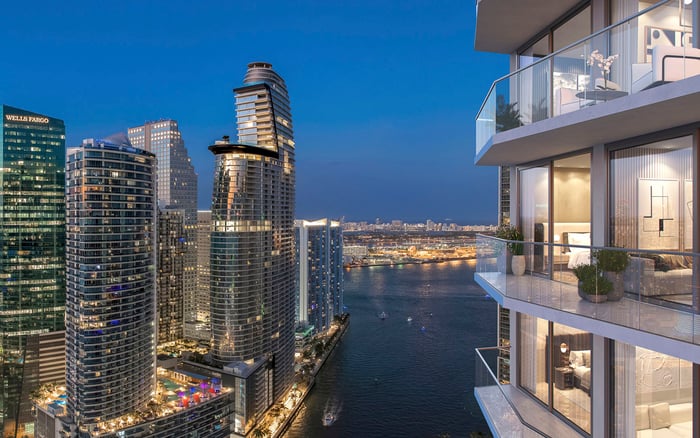
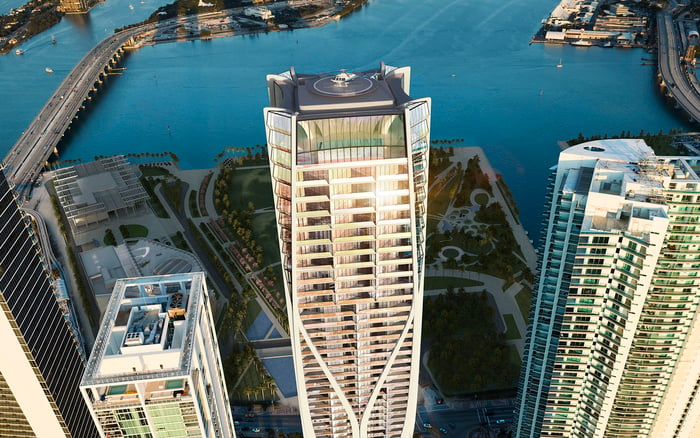
This is why Pompano Beach has a different kind of appeal from Brickell. In Brickell, buyers often pursue energy, verticality, finance, restaurants, and urban immediacy. Projects such as 888 Brickell by Dolce & Gabbana speak to that metropolitan, fashion-forward appetite. Pompano Beach speaks to a buyer who may admire that world and visit it when useful, but prefers not to sleep inside its intensity.
Miami Beach remains one of South Florida’s great luxury references, especially for buyers who want cultural magnetism, architectural identity, and a social waterfront setting. A residence such as 57 Ocean Miami Beach belongs to that broader conversation around oceanfront prestige and Miami Beach presence. Yet not every buyer wants the same sensory register.
The Pompano Beach buyer may already know Miami well. They may have stayed in South Beach, dined in Brickell, and explored the established luxury circuit. Their decision to look north is not a retreat from quality. It is a refinement of preference.
For this buyer, quiet is not emptiness. It is the ability to choose when to participate. The residence becomes a controlled base from which the region remains accessible. Fort Lauderdale, Boca Raton, and Palm Beach County are part of the surrounding mental map, while the home itself stays oriented toward privacy and routine.
Armani/Casa is not operating in a vacuum. Pompano Beach is increasingly part of a broader luxury conversation, with multiple residential concepts helping define the market’s next chapter. The Ritz-Carlton Residences® Pompano Beach reflects the hospitality-led side of branded living, while W Pompano Beach Hotel & Residences suggests a different lifestyle cadence within the same coastal city.
That diversity is useful for buyers. It allows Pompano Beach to be understood not as a single-project story, but as a maturing residential environment with multiple interpretations of luxury. Armani/Casa’s particular role is to articulate the quiet-luxury lane: composed, design-focused, and less dependent on spectacle.
Nearby alternatives also help clarify buyer intent. Waldorf Astoria Residences Pompano Beach may appeal to those who read luxury through classic hospitality identity. Armani/Casa, by contrast, is most persuasive for those who read luxury through atmosphere, restraint, and the daily choreography of living well.
The right questions for this purchase are not only financial or architectural. They are behavioral. How do you want to arrive? How much social energy do you want immediately outside your door? Do you want your South Florida home to intensify your calendar, or edit it?
A quieter pied-à-terre is not about opting out of the region. It is about owning the terms of access. Pompano Beach can place the buyer close to the cultural and transportation advantages of greater South Florida while preserving a softer daily tempo. That is a rare combination in a market where many luxury addresses compete by becoming louder.
For the second-home buyer, lifestyle may be the decisive category. If the residence can make seasonal living more graceful, if it can support privacy without loneliness and access without overstimulation, then it has achieved something more valuable than mere convenience.
Who is Armani Casa Residences Pompano Beach best suited for? It is best suited for affluent, design-aware buyers seeking a quieter South Florida pied-à-terre focused on calm, privacy, and routine.
How does Pompano Beach differ from Miami Beach for this buyer? Pompano Beach offers a more restrained coastal rhythm, while Miami Beach is often associated with greater spectacle, density, and social intensity.
Is this a nightlife-driven residence concept? No. Its strongest positioning is quiet luxury, with emphasis on design restraint and low-friction seasonal living rather than nightlife energy.
Why does the Armani/Casa brand matter here? Its design language supports controlled elegance and sensory calm, aligning with buyers who seek refinement without overt display.
Is Pompano Beach isolated from the rest of South Florida? No. It is positioned within reach of the broader region while allowing owners to keep that energy at a comfortable distance.
What makes this useful as a pied-à-terre? The appeal lies in maintaining a composed second-home routine with beachside calm, convenience, privacy, and selective access.
Should buyers compare it with Brickell residences? Yes, but as a lifestyle contrast. Brickell suits buyers seeking urban energy, while Pompano Beach favors a quieter coastal base.
Does Pompano Beach fit a branded residences strategy? Yes. The market’s emerging luxury profile makes it a compelling setting for branded residences with a more discreet identity.
What should buyers evaluate beyond the residence itself? They should evaluate daily rhythm, privacy, arrival experience, local convenience, and how often they want to engage the wider region.
What is the best way to shortlist comparable options for touring? Start with location fit, delivery status, and daily lifestyle priorities, then compare stacks and elevations to validate views and privacy.
For a discreet conversation and a curated building-by-building shortlist, connect with MILLION.
If branded residences are on your mind — as a home or as an allocation — we would be glad to share what we are seeing, privately.
Begin a quiet conversation