A practical closing guide for seasonal buyers at 2200 Brickell, focused on building operations, absence planning, governance, storm readiness, and urban Brickell logistics.
For a year-round resident, a luxury condominium is tested every day. For a seasonal owner, it is tested most sharply at arrival, during absence, and upon return. That distinction is especially relevant at 2200 Brickell, where the appeal of a Brickell address comes with the realities of an urban corridor, condominium governance, and the practical demands of maintaining a Miami residence from afar.
Seasonal ownership is not simply second-home ownership with fewer nights in residence. It is a more operational form of ownership. The buyer must understand how the building functions when they are not there, how decisions are made when access is needed, and how the association balances privacy with convenience. In Brickell, where traffic, nightlife, deliveries, valet movement, construction activity, and elevator usage can shape the daily rhythm, these questions belong before closing, not after.
2200 Brickell is positioned for buyers who value a luxury residential setting in the Brickell corridor, with particular appeal for those drawn to privacy, space, and a more residential feel than some very large amenity-heavy towers. That boutique sensibility can be compelling, but it also places a premium on due diligence. Staffing depth, operating budgets, reserves, service resilience, and building protocols deserve the same attention as finishes and views.
New-construction buyers often focus on floor plans, exposures, materiality, parking, and the arrival experience. At 2200 Brickell, seasonal buyers should widen the lens to the condominium documents, association budget, insurance posture, reserve planning, rental restrictions, and management protocols. This is the unglamorous side of ownership, but it is where the seasonal experience is either made effortless or made fragile.
A prospective owner should clarify who may enter the residence, under what circumstances, and with which approvals. Maintenance access, emergency entry, contractor coordination, and service scheduling all matter when the owner is away for months at a time. The question is not whether the building is elegant. The question is whether it can act predictably when the owner is absent.
This is also where a buyer’s-guide mindset becomes useful. A seasonal purchaser should build a pre-closing checklist that includes guest permissions, family use, third-party access, leasing limits, delivery procedures, amenity reservation rules, and contractor rules. Even if the residence is intended for personal use only, the owner still needs to understand how occasional guests, adult children, household staff, designers, housekeepers, and repair vendors will be handled by the building.
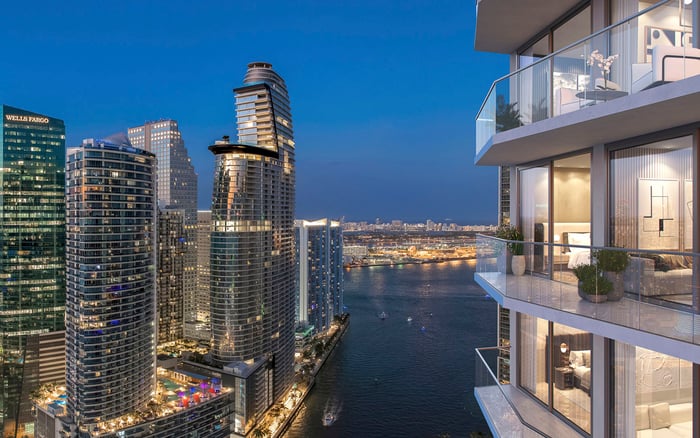
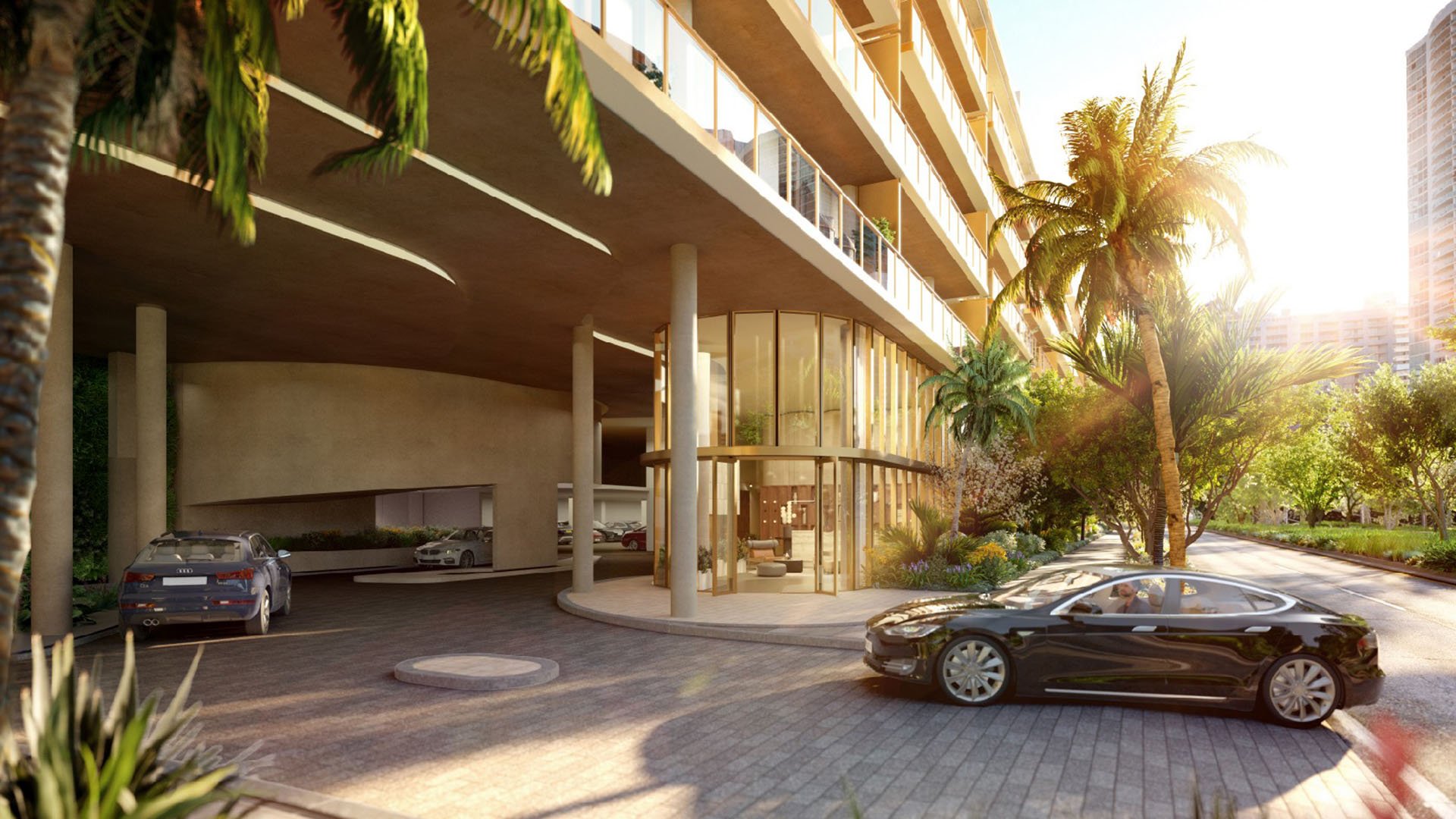
Brickell’s density is one of its luxuries. It places restaurants, offices, waterfront paths, cultural energy, and financial-district convenience close together. Yet density also creates friction. Seasonal owners arrive with luggage, vehicles, family members, pets, packages, art, wine shipments, service providers, and sometimes very little patience after a flight. The building’s procedures for valet, front desk, loading dock, elevators, package rooms, and contractor access should be understood in detail before closing.
This matters more for intermittent users than for residents who settle into a daily routine. A full-time resident learns the quietest arrival times, the most efficient loading windows, and the personalities of the staff. A seasonal owner may arrive during winter, holiday weeks, major events, or other high-demand periods when many owners return at once. The staffing model should be evaluated through that peak-season lens.
Buyers comparing 2200 Brickell with other Brickell addresses such as Cipriani Residences Brickell, St. Regis® Residences Brickell, or The Residences at 1428 Brickell should resist comparing only architecture, brand energy, or amenities. The more precise comparison is operational: how each building receives owners, moves service providers, protects privacy, and handles congestion when demand is concentrated.
Many seasonal buyers want the reliability of a five-star hotel without the impermanence of a hotel. That expectation is understandable, but a condominium association is not a hospitality operator in the same sense. It functions through governance, budgets, rules, boards, management agreements, and resident obligations. The best ownership experience comes when a buyer respects that distinction from the start.
At 2200 Brickell, the key is to understand how convenience is delivered without compromising privacy. Deliveries, guests, repairs, amenity reservations, and package handling all require rules. Too little structure creates inconsistency. Too much rigidity can make a seasonal home feel difficult to use. Before closing, ask how the building handles recurring service vendors, last-minute arrivals, owner representatives, and situations where the owner cannot be reached immediately.
The owner should also think carefully about communication. Who receives building notices? Who is authorized to respond? Does the owner have a local representative? Are emergency contacts current? Are vendors properly registered? These details are mundane until they are urgent.
Miami’s climate rewards careful stewardship. An unoccupied residence still needs attention to HVAC, humidity, leaks, appliance issues, access control, and routine inspections. Seasonal owners should plan for in-unit monitoring and response systems before closing. The goal is not surveillance for its own sake. It is to prevent a small maintenance issue from becoming an expensive, disruptive event.
A practical plan may include regular visual checks by an authorized representative, clear instructions for air-conditioning settings, leak detection protocols, and a pre-approved process for emergency repairs. The building’s role should be clear. So should the owner’s responsibility. Associations may provide access procedures, but the owner still needs a private plan for the contents, finishes, and systems inside the residence.
The same discipline applies to vendors. Designers, installers, housekeepers, AV technicians, and maintenance contractors may need elevator reservations, insurance certificates, loading-dock scheduling, and identification. A seasonal owner who waits until the week of arrival to coordinate these items may discover that a luxury building operates on rules, not improvisation.
Because Miami is a coastal market, storm preparation is not theoretical. Seasonal owners should ask about storm procedures, flood exposure, wind mitigation, insurance coverage, and post-storm access protocols before closing. The most important question is not only how the building prepares, but how an absent owner receives information, authorizes action, and returns after an event.
This includes practical matters such as furniture and balcony protocols where applicable, emergency communications, elevator operations, access limitations after severe weather, and the sequence for inspections. It also includes understanding the association’s insurance posture and how it interacts with the owner’s individual coverage. Legal and insurance professionals should review the relevant documents, because assumptions made before closing can be costly later.
A seasonal owner who prepares well can enjoy the residence with far less anxiety. The aim is not to dramatize risk. It is to make the ownership experience resilient.
Is 2200 Brickell suitable for seasonal owners? It can be, provided the buyer evaluates building operations, access rules, storm procedures, and absence planning before closing.
What should seasonal buyers review first? Start with the condominium documents, budget, reserves, insurance posture, rental restrictions, and management protocols.
Why do guest and family-use rules matter? Seasonal owners often allow relatives, guests, or staff to use the residence, so permissions and access rules should be clear.
Should I expect hotel-style service? Expect a professionally managed condominium environment, not a hotel model; rules, governance, and budgets shape the experience.
What Brickell logistics should I test before closing? Review valet, elevator, loading dock, package, delivery, contractor, and front-desk procedures, especially for peak arrivals.
How should an absent owner handle maintenance? Establish local contacts, access authorizations, HVAC guidance, leak response, inspection routines, and emergency repair protocols.
Are storm procedures important for seasonal buyers? Yes. Owners should understand storm preparation, communications, insurance responsibilities, and post-storm access procedures.
What makes smaller luxury buildings appealing? They may offer privacy and a residential feel, but buyers should still examine staffing depth and operational resilience.
Can leasing rules affect a seasonal owner? Yes. Even if the residence is mainly for personal use, rental limits and guest-use rules can affect flexibility.
When should these questions be asked? They should be addressed before closing, while documents, procedures, and ownership expectations can still be reviewed carefully.
For a discreet conversation and a curated building-by-building shortlist, connect with MILLION.
If branded residences are on your mind — as a home or as an allocation — we would be glad to share what we are seeing, privately.
Begin a quiet conversation