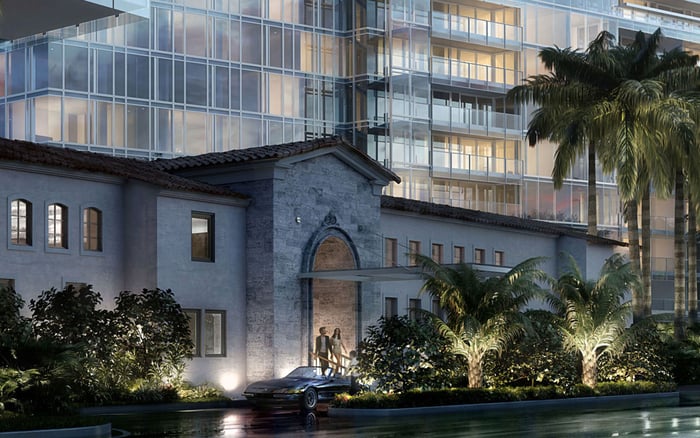
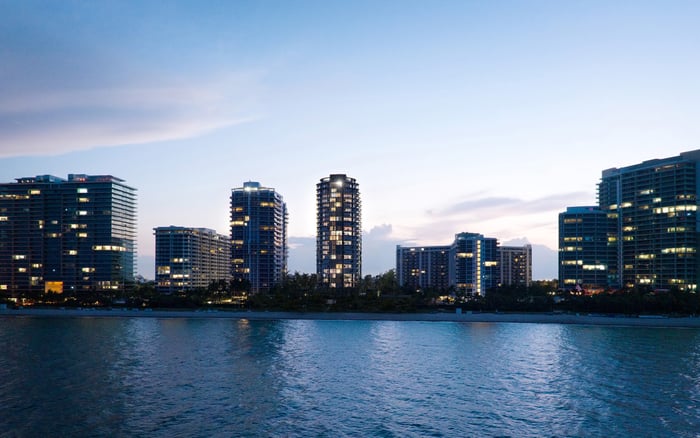
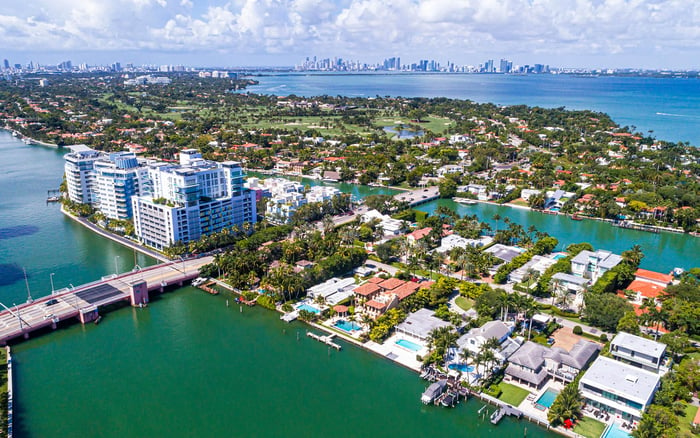
A buyer-oriented editorial look at Mila Bay Harbor Islands and the broader design-forward ownership conversation shaping boutique residential demand in Bay Harbor Islands.
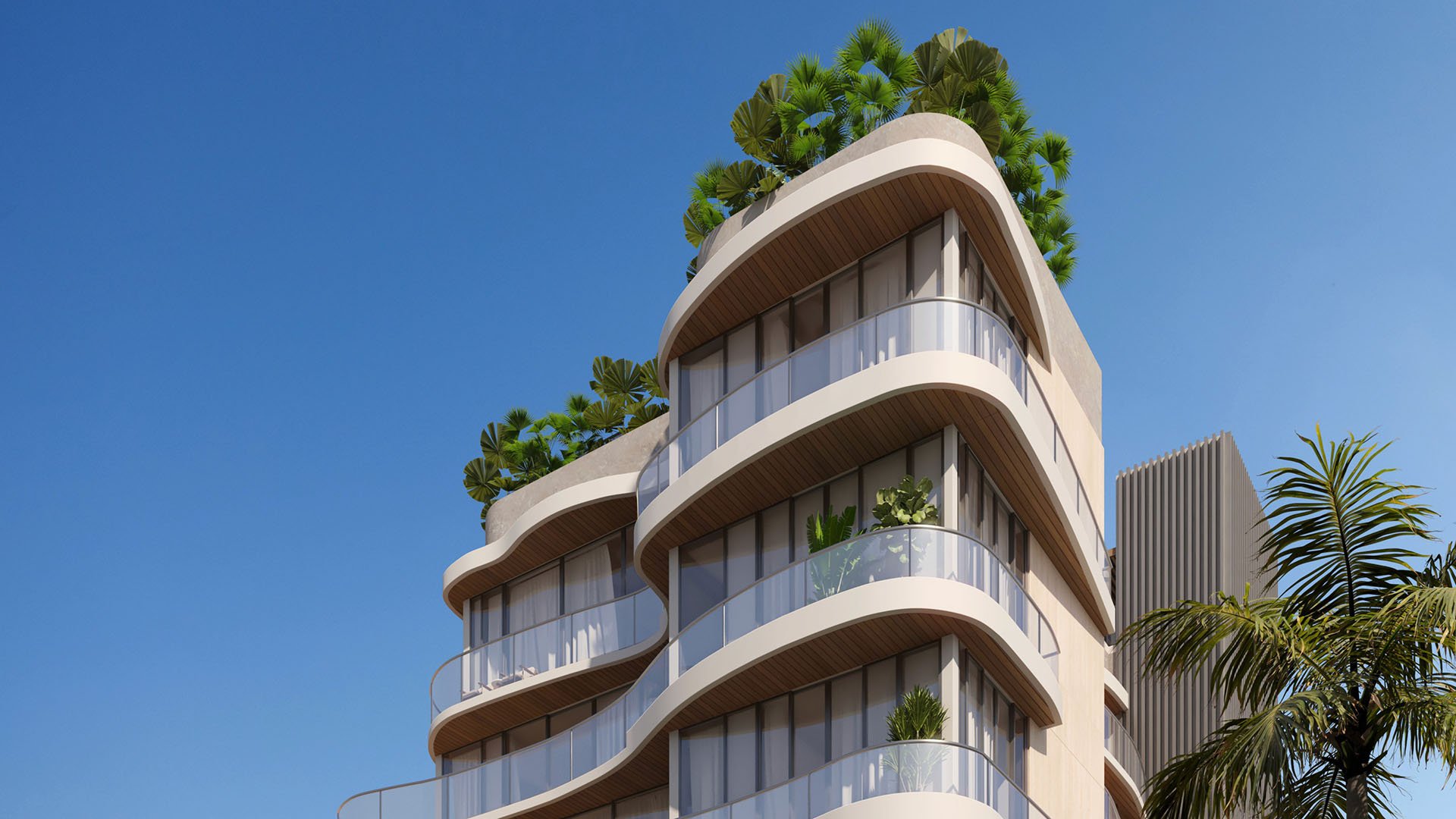
Bay Harbor Islands has become a compelling setting for buyers who want South Florida luxury without its most obvious signals. In that context, Mila Bay Harbor Islands belongs to a more nuanced conversation: ownership shaped by design, privacy, proportion, and a quieter relationship to place.
The appeal is not simply that a residence is new, polished, or well located. The sharper question is whether it feels considered. Design-forward ownership asks how a building receives light, how circulation feels, how common spaces support real daily routines, and whether the architecture will remain graceful after the first wave of attention has passed. In Bay Harbor Islands, where the luxury buyer often values discretion as much as visibility, that question carries particular weight.
In a headline market, spectacle can carry a project. In a more intimate residential setting, design has to do more work. It must create confidence before a buyer steps into the sales narrative. It must make the private residence feel calm, the arrival feel composed, and the ownership experience feel personal rather than performed.
This is where boutique residential thinking becomes important. Smaller-scale luxury is not automatically more refined; it becomes refined when choices are edited. Materials, lobby sequence, amenity programming, landscape, and residence planning all need to speak the same language. A buyer considering Mila is likely asking not only what the building offers, but whether its design posture aligns with a life that is elegant, efficient, and intentionally understated.
That is also why Bay Harbor searches increasingly feel different from broader South Florida searches. The buyer is not always chasing the tallest tower, the largest amenity deck, or the loudest brand association. Often, the preference is for residential clarity: a building that feels architecturally current, yet still belongs to its neighborhood.
Mila sits within a growing field of projects that make Bay Harbor Islands a useful laboratory for design-conscious ownership. A buyer may naturally compare it with Alana Bay Harbor Islands when thinking about scale, identity, and the mood of boutique living. The comparison is less about declaring one project superior and more about understanding how each residence frames the everyday ritual of coming home.
A second comparison might include La Maré Bay Harbor Islands, particularly for buyers attentive to how Bay Harbor Islands continues to mature as a luxury address. In markets like this, the most informed buyers do not look only at floor plans. They study the total residential proposition, including architectural language, arrival experience, amenity restraint, privacy, and how the project may feel in five or ten years.
Other local references, such as Onda Bay Harbor and The Well Bay Harbor Islands, help frame how varied the ownership conversation has become. Some buyers will prioritize wellness sensibility. Others will focus on waterfront considerations, neighborhood quiet, or the relationship between indoor living and the subtropical setting. The important point is that Bay Harbor Islands now invites comparison through design values, not location alone.
The first filter is architectural restraint. A design-forward building does not need to announce itself loudly. In many cases, the stronger luxury gesture is control: balanced massing, well-composed entries, coherent interiors, and amenity spaces that feel useful rather than excessive.
The second filter is livability. A residence can photograph beautifully and still fall short in daily use. Buyers should study how rooms connect, how private and social areas are separated, how terraces or outdoor moments are incorporated, and whether storage, service areas, and parking logistics support the way they actually live. In the new-construction segment, the best buying decisions often come from looking beyond finishes and asking how the plan will perform on an ordinary Tuesday morning.
The third filter is neighborhood fit. Bay Harbor Islands rewards buildings that understand scale. A project that feels too anonymous can miss the intimacy many buyers seek here. A project that feels too stylized can age quickly. The ideal middle ground is a residence with enough architectural conviction to feel special, and enough restraint to remain composed.
Design & Architecture are not cosmetic considerations for the luxury buyer. They are part of value protection, emotional attachment, and resale logic. A thoughtfully designed residence is easier to understand, easier to live in, and often easier to explain when the time comes to reposition it in the market.
This does not mean every buyer wants the same aesthetic. Some prefer warmth and softness; others prefer a cleaner, gallery-like environment. What matters is coherence. Mila’s relevance in the conversation is that it belongs to a buyer mindset that treats design as a primary ownership criterion rather than a decorative layer added at the end.
That mindset is also visible in comparisons beyond Bay Harbor Islands. Buyers may be looking at Bal Harbour, Surfside, Miami Beach, or other coastal enclaves, then returning to Bay Harbor Islands because the ownership proposition feels more private and residential. The decision often becomes less about maximum visibility and more about the right kind of daily luxury.
The strongest argument for Mila is not that it should be viewed in isolation. It is that it participates in a larger shift toward residential discernment. The modern luxury buyer is increasingly fluent in design. They understand that amenities should be edited, that architecture should age well, and that a home should feel effortless without becoming generic.
For Bay Harbor Islands, this is an important evolution. The area can appeal to buyers who want proximity to established luxury corridors while retaining a calmer residential rhythm. Projects that understand this balance can feel especially relevant: polished, but not theatrical; contemporary, but not cold; private, but still connected to the larger South Florida lifestyle.
Mila belongs in that discussion as a project to study through the lens of design-forward ownership. The buyer’s task is not to be seduced by a single rendering, phrase, or amenity promise. It is to ask whether the residence, the building, and the neighborhood collectively support a life of taste, ease, and discretion.
What does design-forward ownership mean in Bay Harbor Islands? It means evaluating a residence through architecture, proportion, privacy, livability, and long-term aesthetic relevance, not only location or finishes.
Why is Mila Bay Harbor Islands part of this conversation? Mila is relevant because it sits within a Bay Harbor Islands market where buyers are increasingly attentive to boutique scale and design intent.
Is Bay Harbor Islands more understated than some nearby luxury areas? For many buyers, Bay Harbor Islands offers a quieter residential rhythm while remaining connected to South Florida’s broader luxury landscape.
Should buyers compare Mila with other Bay Harbor Islands projects? Yes. Comparing design language, ownership feel, amenity approach, and neighborhood fit can clarify which project best matches a buyer’s lifestyle.
What should matter most beyond finishes? Floor plan logic, arrival sequence, privacy, natural light, storage, service flow, and the daily usability of amenities should all be evaluated.
Does boutique always mean better? Not automatically. Boutique living is strongest when scale, design, service, and privacy are thoughtfully aligned.
How should a buyer think about amenities here? The best amenities are those that feel useful, calm, and consistent with the building’s residential identity rather than excessive.
Is design important for long-term resale? Strong design can help a residence remain legible and desirable over time, especially when the architecture feels coherent and restrained.
Can Bay Harbor Islands work for a second-home buyer? It can, particularly for buyers seeking a refined South Florida base with a more residential and discreet ownership character.
What is the best way to evaluate Mila before buying? Study it alongside comparable projects, review the residence plan carefully, and consider how the building’s design supports daily life.
For a discreet conversation and a curated building-by-building shortlist, connect with MILLION.
If branded residences are on your mind — as a home or as an allocation — we would be glad to share what we are seeing, privately.
Begin a quiet conversation