A buyer-focused look at how Miami’s luxury residences approach pet-friendly living, from building circulation and outdoor access to policies, privacy, staff etiquette, and long-term livability.

In Miami’s upper tier of residential real estate, pet-friendly living has evolved from a permissive clause in the condo documents into a meaningful part of the ownership experience. The question is no longer simply whether a building allows dogs or cats. Sophisticated buyers now ask how well a residence supports daily routines with discretion, comfort, and minimal friction.
Pets influence how a home is entered, serviced, cleaned, furnished, and enjoyed. A private elevator foyer may matter as much to an anxious dog as it does to a privacy-minded owner. A shaded walking route can be as valuable as a water view. For households that move seasonally within South Florida, the best buildings make pet care feel seamless rather than improvised.
The most successful pet-friendly homes begin with the floor plan. Open living areas, durable flooring, and easy transitions to terraces can reduce wear while preserving the elegance expected in a high-end residence. Buyers with larger dogs often look for wide corridors, fewer awkward thresholds, and space for beds or feeding areas without disrupting the visual calm of the interiors.
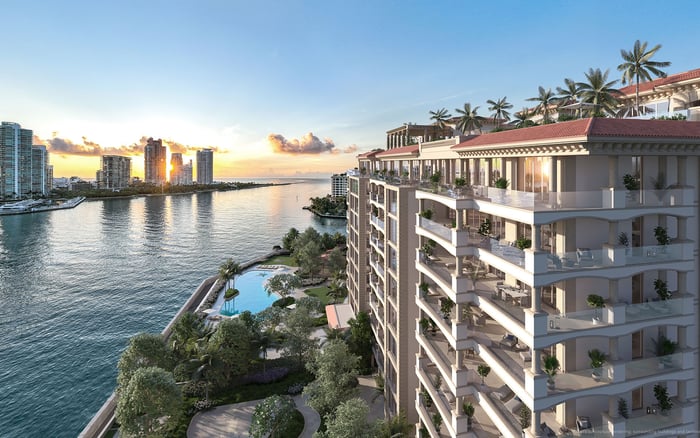
Outdoor space is equally important, but not all terraces serve the same purpose. A deep, shaded terrace may be useful for supervised fresh air, while a narrow balcony may be more atmospheric than practical. In waterfront and high-rise settings, buyers should consider wind, railing design, heat exposure, and the ease of cleaning after storms or salt air.
Finishes also matter. Highly polished stone, pale rugs, delicate wall coverings, and custom millwork can coexist with pets, but they require planning. In this segment, the goal is not to make a home look utilitarian. It is to select materials and maintenance routines that allow a residence to remain composed even with daily movement, grooming, toys, and visitors.
A pet-friendly building is often defined by its circulation. Service elevators, garage access, lobby expectations, and designated walking paths can shape the rhythm of everyday life. The most comfortable arrangements limit unnecessary lobby crossings while maintaining the dignity of arrival for residents and guests.
For urban buyers considering 2200 Brickell or other Brickell residences, the practical questions are immediate: how quickly can an owner reach outdoor space, how busy are the elevators during peak hours, and how intuitive is the route from residence to street. In a vertical neighborhood, convenience is not a luxury add-on. It is part of the architecture of daily living.
Staff protocol is another subtle differentiator. Pet-friendly service should feel warm but controlled, with clear expectations around leashes, carriers, deliveries, grooming appointments, and visiting trainers. The best experience is neither overly casual nor restrictive. It preserves the building’s quiet residential tone while acknowledging that pets are part of the household.
Different Miami neighborhoods support different pet routines. Brickell offers density and immediacy, which can suit owners who prefer a lock-and-leave lifestyle and frequent short walks. Coconut Grove provides a softer residential rhythm, with a more gardened atmosphere and a sense of shade that many pet owners value. Coastal settings add breezes, views, and access to waterside promenades, but they also require attention to heat, sand, salt, and seasonal crowds.
In Coconut Grove, residences such as The Well Coconut Grove appeal to buyers who want a calmer cadence without leaving the city’s cultural and culinary orbit. For pet owners, that neighborhood character can be as important as the residence itself.
On the coast, buyers comparing options such as The Perigon Miami Beach often focus on access, exposure, and privacy. Miami Beach living can be exceptional for owners who want proximity to the ocean, but it rewards a disciplined understanding of building rules, beach regulations, and the realities of warm-weather walks.
Farther north, The Ritz-Carlton Residences® Sunny Isles represents the type of high-rise coastal lifestyle where elevator planning, staff coordination, and terrace usability become central to pet-friendly comfort. Sunny Isles buyers should pay close attention to how a building handles arrivals, departures, and outdoor access throughout the day.
In luxury condominiums, pet rules are not decorative language. They can affect the suitability of a residence as directly as ceiling height or view orientation. Buyers should review restrictions on number of pets, size, breeds, registration, elevator use, common areas, insurance requirements, and guest pets before making assumptions.
A dog park amenity can be appealing, but it should not be the only measure of pet compatibility. Some owners prefer nearby outdoor space, efficient elevators, and discreet service access over highly visible pet facilities. Others value a designated relief area, washing station, or building culture that openly welcomes animals. The right choice depends on the pet’s temperament and the owner’s lifestyle.
Buyers should also ask how rules are enforced. A building may be technically pet-friendly yet culturally sensitive to noise, lobby etiquette, or common-area cleanliness. In a luxury setting, clarity is a benefit. It protects pet owners, non-pet owners, staff, and the long-term tone of the property.
Pet-friendly decisions can support resale when they are thoughtful and invisible. Durable flooring, washable textiles, integrated storage, air purification, and well-planned terrace maintenance can preserve the home’s condition without making the residence feel designed around a pet. The strongest interiors remain elegant first, with pet accommodations folded quietly into the background.
For investors and second-home buyers, pet policies can also affect the future buyer pool. A residence that balances flexibility with order may appeal to a broader set of households, especially in South Florida, where many owners treat pets as inseparable travel companions. The most desirable buildings understand that hospitality now extends beyond the human guest.
Before contract, buyers should request the current pet policy, confirm any approval process, and understand whether rules differ for owners, tenants, guests, or service providers. They should walk the actual route from parking or lobby to residence, noting elevator wait times, surfaces, shade, and access to safe outdoor areas.
Inside the residence, consider where food, grooming supplies, crates, litter, leashes, and cleaning products will live. In larger homes, service corridors and laundry rooms can simplify daily routines. In more compact residences, storage discipline becomes essential. A beautiful pet-friendly home is rarely accidental. It is planned with the same care as lighting, art placement, and entertaining flow.
Are Miami luxury condos generally open to pets? Many are receptive to pets, but each building sets its own rules. Buyers should review the current condo documents before relying on assumptions.
What pet rules should buyers verify first? Confirm limits on number, size, breed, registration, common-area access, guest pets, and any approval requirements before contract.
Is a private elevator useful for pet owners? It can make daily life more discreet and reduce stressful encounters. It is especially helpful for large dogs or pets sensitive to crowds.
Do terraces make a residence more pet-friendly? They can, if they are shaded, safe, and easy to maintain. Buyers should evaluate railing design, exposure, and cleaning needs.
Should pet owners prioritize a dog park? A dog park can be convenient, but circulation, elevator access, and nearby walking routes may matter more every day.
Is Brickell practical for dog owners? Brickell can work well for owners who value short urban walks and convenience. The key is understanding building access and peak elevator patterns.
Why do some buyers prefer Coconut Grove with pets? Coconut Grove offers a softer residential rhythm and a more shaded atmosphere. That can suit owners seeking calmer daily routines.
What should coastal buyers consider with pets? Heat, salt air, sand, wind, and seasonal crowds all affect daily comfort. Building rules and outdoor access should be reviewed carefully.
Can pet-friendly design still feel elegant? Yes. Durable materials, concealed storage, and disciplined maintenance can support pets without compromising a refined interior.
Do pet policies affect resale? They can influence the buyer pool and day-to-day appeal. Clear, balanced rules often make a building easier to understand and enjoy.
For a confidential assessment and a building-by-building shortlist, connect with MILLION.
If branded residences are on your mind — as a home or as an allocation — we would be glad to share what we are seeing, privately.
Begin a quiet conversation