A discreet buyer’s guide to evaluating security protocols before purchasing luxury real estate in Miami Design District, from access control and staffing to privacy, deliveries, garages, elevators, and emergency planning.
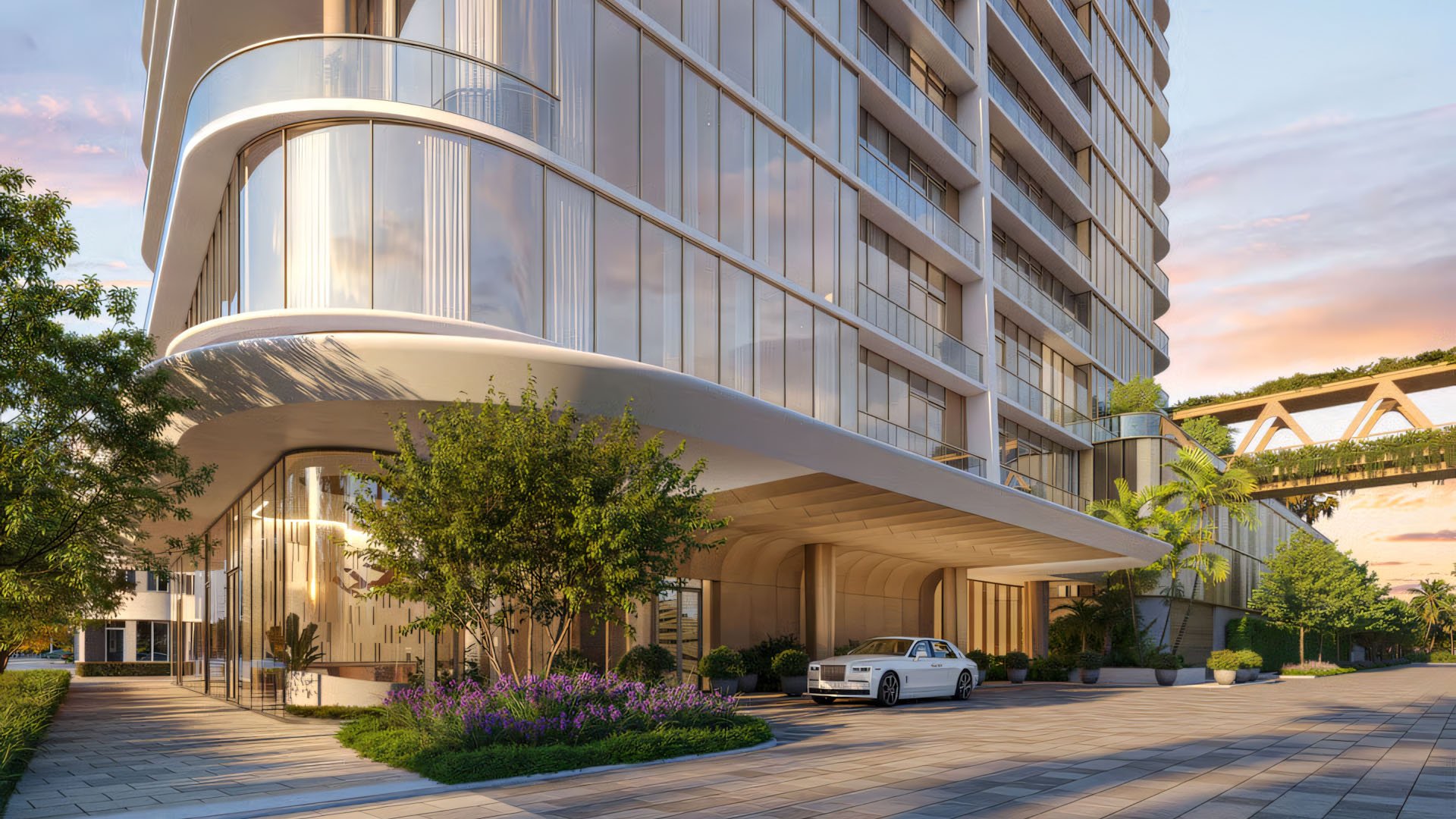
In the Miami Design District, luxury is often expressed through architecture, materials, art, service, and proximity to culture. For a serious buyer, however, the quieter question can be the more consequential one: how does the building protect privacy, movement, and peace of mind without making daily life feel guarded?
This is not a conversation to leave until after contract. Security protocols affect how guests arrive, how staff enter, how packages move, how elevators are controlled, how cameras are governed, and how emergencies are handled. In a boutique or highly serviced residential environment, these details can shape the lived experience as meaningfully as the floor plan.
A polished lobby is not, by itself, a security system. The most relevant diligence is operational. Ask who is present, what they are trained to do, how procedures are documented, and how exceptions are handled when the building is busy, understaffed, or under pressure.
The first question is simple: who can enter, and how? A buyer should ask how resident access is authenticated, whether the building uses staffed entry, controlled elevators, credentialed parking access, or visitor pre-clearance. The specific technology matters less than whether the protocol is consistent, auditable, and practical for residents who may travel frequently or host selectively.
Ask how guests are announced, verified, escorted, or released to residential floors. A luxury building should be able to distinguish clearly between an expected guest, a recurring service provider, a delivery person, and an unknown visitor. The more precise the distinction, the more confidence a buyer can have in the daily protocol.
For buyers comparing Design District and Midtown options, Kempinski Residences Miami Design District and Miami Design Residences Midtown Miami may prompt similar questions about arrival sequence, lobby discretion, and how private residential circulation is separated from the public realm.
Security is only as reliable as the people who execute it. Ask whether staff are building employees, third-party personnel, or part of a broader hospitality operation. Ask who supervises them, how incidents are escalated, and whether written post orders exist for each position.
The point is not to interrogate individual employees. It is to understand the system behind them. A high-functioning residence should have clear protocols for shift changes, visitor logs, vendor access, unusual behavior, lost credentials, after-hours arrivals, and resident complaints.
This perspective is especially important for new-construction residences, where marketing language may be fully formed before building operations are tested by daily occupancy. If the property is not yet operating, ask to review the intended security plan, staffing assumptions, and governance framework.
In luxury condominiums, the most sensitive spaces are often transitional: the garage, elevator lobby, loading area, service corridor, and private elevator vestibule. Ask whether residential floors can be accessed only by authorized credentials. Ask how service providers move through the building, and whether there are separate routes for deliveries, maintenance, housekeeping, and resident guests.
Garage security deserves its own conversation. Ask how vehicles are identified, how valet or self-parking access is controlled, how rideshare pickups are handled, and whether license plates, credentials, or attendants are part of the access process. Also ask what happens when a resident lends a vehicle, changes cars, or hosts a driver.
These details are not merely technical. They define whether the building feels composed or porous. In urban luxury markets such as Brickell, where buyers may also consider projects like 888 Brickell by Dolce & Gabbana, the best questions are often about flow: who moves where, at what time, and under whose supervision.
Surveillance can be reassuring, but it should be governed. Ask where cameras are located, who monitors them, how footage is retained, who may access recordings, and under what circumstances footage is shared. A sophisticated buyer should look for clarity, not vague assurances.
Privacy is part of security. In the Design District, where residents may include executives, collectors, public figures, or frequent travelers, discretion can be as valuable as visibility. Ask whether staff receive privacy training, whether resident information is compartmentalized, and how the building handles media inquiries, uninvited visitors, or attempts to confirm residency.
If the residence uses apps, digital keys, biometric tools, smart-home integrations, or remote access functions, ask who administers those systems and what happens when a device is lost or a staff member changes. Cyber hygiene is now part of residential security, even when the conversation begins at the front desk.
Daily convenience can become a weak point if it is unmanaged. Ask how food deliveries, luxury retail deliveries, florists, stylists, contractors, movers, art handlers, pet care providers, and private chefs are admitted. The question is not whether a building can accommodate a luxury lifestyle. It is whether it can do so without eroding control.
Ask if vendors must be pre-registered, insured, escorted, or limited to certain hours. Ask how large deliveries are scheduled, where they wait, and whether service elevators are isolated from resident elevators. If you plan to renovate or customize a residence, ask how contractor access is handled during build-out or post-closing work.
Branded Residences and hospitality-led properties may offer a particularly service-rich environment, but service and security must be choreographed. The same is true when comparing Miami Beach options such as The Ritz-Carlton Residences® Miami Beach, where questions about privacy, staff training, and guest experience should be part of the same conversation.
A buyer should ask what happens when something goes wrong. How are medical emergencies handled? Who calls first responders? How are residents notified of building-wide issues? What is the protocol for fire alarms, power interruptions, severe weather, water intrusion, or suspicious activity?
Ask whether incident reports are prepared, who reviews them, and whether patterns are presented to the board or management. You are not asking for confidential resident details. You are asking whether the building learns from events and adjusts procedures accordingly.
Emergency planning should also account for residents who travel often, own multiple homes, or leave residences unoccupied for long periods. Ask if the building offers residence checks, key control policies, or protocols for authorized representatives.
Security diligence should happen before you waive meaningful contingencies or commit emotionally to a residence. Ask your advisor to request documents that may include house rules, access policies, move-in procedures, vendor rules, insurance requirements, and any available security overview that management is willing to share.
During a private showing, observe quietly. How are you greeted? Were you expected? Did anyone verify your appointment? Were elevators freely accessible? Did staff discuss residents openly? Did the garage feel controlled? The best security cultures are often revealed in small moments.
A luxury purchase in the Design District should feel elegant, not exposed. When protocols are thoughtful, they disappear into the rhythm of the building. When they are weak, they appear as friction, uncertainty, or over-familiarity. The right questions reveal the difference.
What is the first security question to ask before buying? Ask how access is controlled for residents, guests, vendors, deliveries, and vehicles. The answer should be procedural, not merely aesthetic.
Should I ask to see the building’s full security plan? You may not receive every confidential detail, but you can ask for an overview of protocols, staffing structure, access rules, and emergency procedures.
How important is elevator control in a luxury building? It is highly important because elevators determine who can reach residential floors. Ask whether access is credentialed, monitored, or otherwise restricted.
What should I ask about garage security? Ask how vehicles are admitted, how guests and drivers are handled, and whether garage access is separated from public or service areas.
Are cameras enough to make a building secure? No. Cameras are only one layer, and buyers should also evaluate staffing, visitor procedures, access control, incident response, and privacy rules.
How should deliveries be handled in a luxury residence? Deliveries should follow a defined process for registration, waiting, routing, and release. Ask whether food, retail, and oversized items are treated differently.
What privacy questions matter most? Ask who can access resident information, how staff are trained, and how the building responds to uninvited visitors or attempts to confirm residency.
Is security different in new-construction buildings? It can be, because operations may still be forming. Ask how protocols will be implemented once residents, staff, vendors, and guests are all active.
Should security influence resale value? Security can influence desirability because affluent buyers often value privacy, discretion, and controlled access. It should be considered alongside design and location.
Can my advisor help evaluate security protocols? Yes. A skilled advisor can help frame questions, request appropriate documents, and compare the answers across Design District, Brickell, and Miami Beach properties.
If you'd like a private walkthrough and a curated shortlist, connect with MILLION.
If branded residences are on your mind — as a home or as an allocation — we would be glad to share what we are seeing, privately.
Begin a quiet conversation