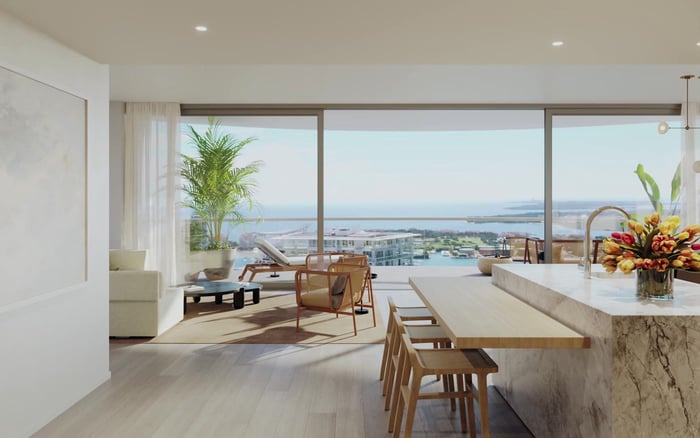
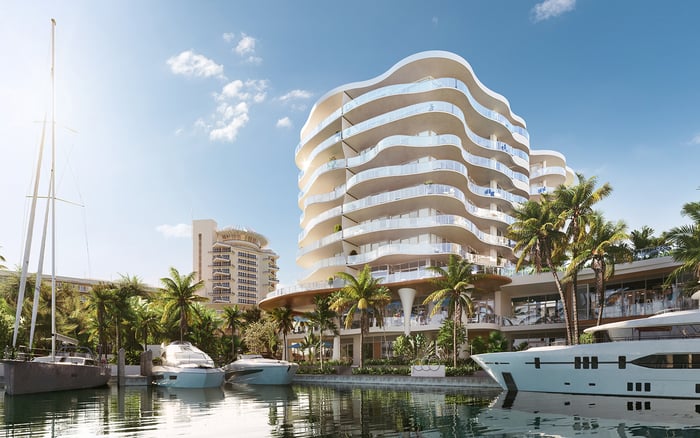
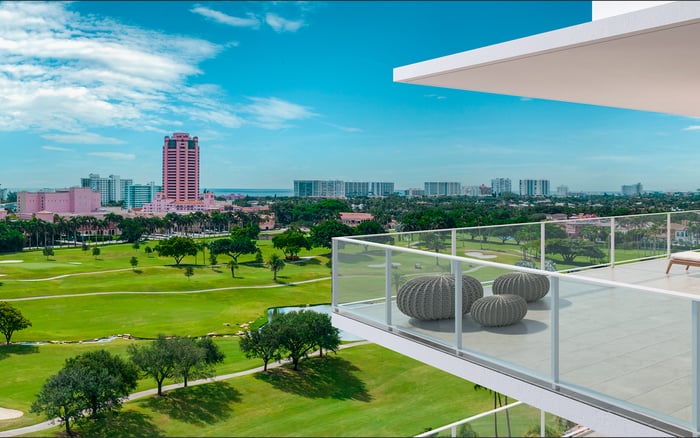
A buyer-focused look at how Ritz-Carlton residential branding can shape perceived value across Fort Lauderdale, Miami Beach, and Palm Beach Gardens through service expectations, design discipline, privacy, and long-term ownership confidence.
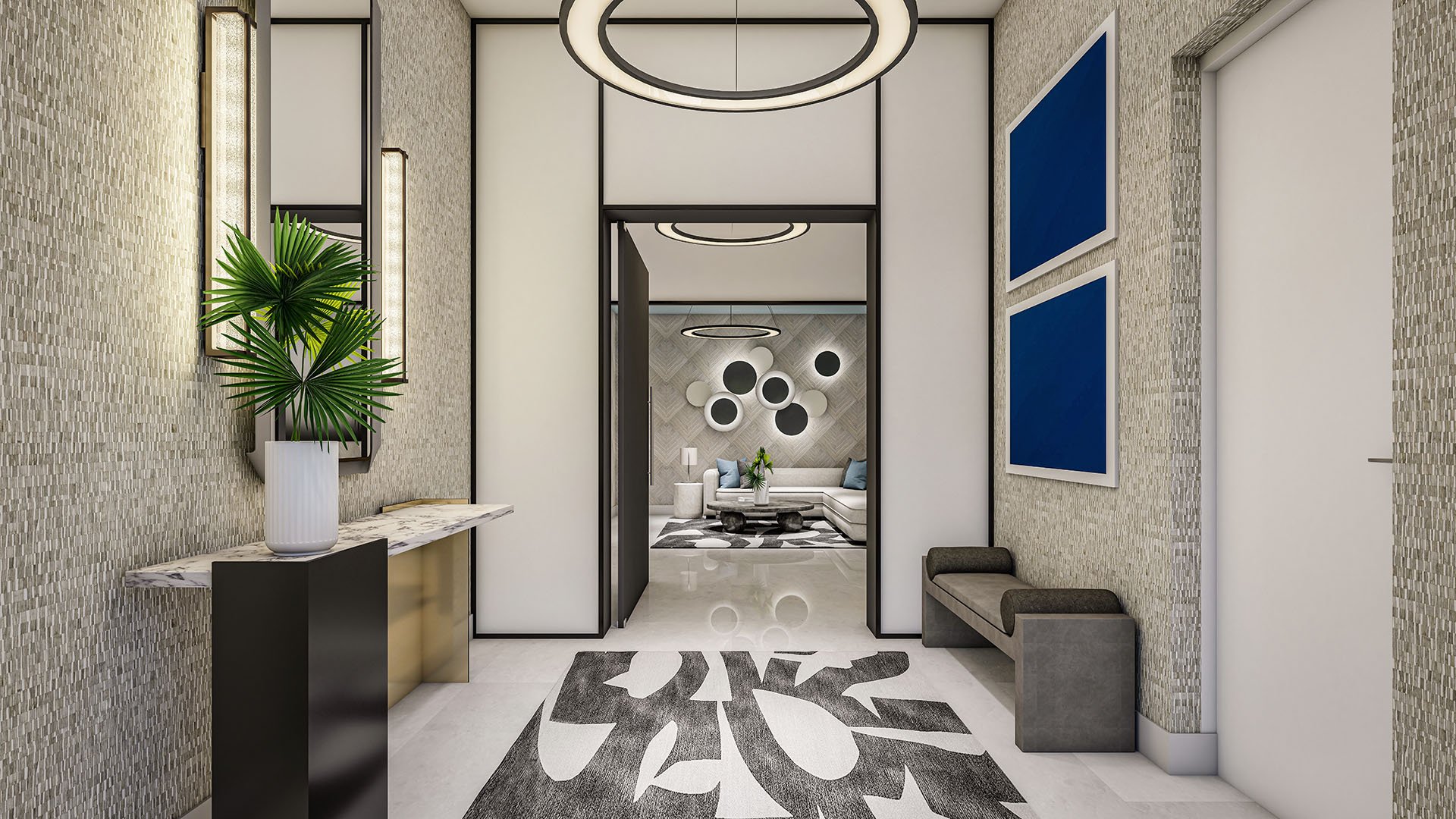
In South Florida luxury real estate, a name on the porte cochere is no longer enough. Sophisticated buyers are more exacting, and the most meaningful residential brands are judged by what they make easier, calmer, more private, and more reliable. That is the lens through which The Ritz-Carlton Residences® Fort Lauderdale, The Ritz-Carlton Residences® Miami Beach, and The Ritz-Carlton Residences® Palm Beach Gardens should be understood.
The conversation is not simply about hotel DNA translated into condominium form. It is about whether a residence can express the language of hospitality without feeling transient, overly programmed, or theatrical. The best Branded Residences do not announce luxury at every turn. They choreograph it quietly, from arrival sequence to staff culture, from amenity etiquette to the way an owner feels when returning home after a long flight.
For buyers evaluating The Ritz-Carlton Residences® Fort Lauderdale, the brand language is inseparable from the city’s evolving identity as a polished waterfront market. Fort Lauderdale has matured beyond a pure beach narrative into a setting where yachting, business access, and residential privacy can coexist. In that context, Ritz-Carlton’s value proposition is less about spectacle than a managed sense of ease.
Brand language becomes residential value when it reduces uncertainty. In an unbranded building, buyers must assess the developer, design team, service model, management culture, amenity plan, and long-term operating discipline as separate variables. A strong hospitality brand can unify those expectations into a more legible promise.
That promise still requires careful scrutiny. Buyers should ask how service is delivered, how privacy is protected, how staff interact with residents, and whether amenity programming supports everyday life rather than occasional showmanship. The Ritz-Carlton name may create a frame of expectation, but the true test is whether the residence feels effortless on an ordinary Tuesday, not just during a sales presentation.
This is where residential value becomes more subtle than price per square foot. A buyer may value the ability to host family without logistical friction, receive guests with discretion, rely on a staffed environment, or maintain a second home with confidence while away. These are not decorative benefits. They are operational benefits, and in the ultra-premium segment, operations increasingly influence perceived worth.
Fort Lauderdale speaks to a buyer who values water, movement, and daily practicality. The city’s luxury narrative often centers on access, whether to marinas, beaches, Las Olas, aviation, or the broader Broward and Miami corridor. In this environment, The Ritz-Carlton Residences® Fort Lauderdale can be read as an attempt to make waterfront ownership feel both elevated and controlled.
For this buyer, brand language should translate into predictability. The arrival should be composed. The service should be intuitive but not intrusive. The building should support a lifestyle that may include boating, entertaining, travel, and periods of absence. Value is created when the property feels like a private residence first, with hospitality operating as invisible infrastructure beneath it.
That distinction matters in Fort Lauderdale because buyers are often comparing multiple forms of luxury: waterfront single-family estates, established condominium buildings, and newer service-rich residences. A branded residential environment can compete when it offers the privacy associated with a home and the operational simplicity associated with a professionally managed setting.
Miami Beach carries a different emotional register. It is more internationally legible, more design-conscious, and more socially charged. Here, a branded residence must balance recognition with restraint. Too much visibility can undermine the private quality that many ultra-premium buyers actually seek.
At The Ritz-Carlton Residences® Miami Beach, the brand language is most compelling when interpreted through privacy, arrival, and residential calm. Miami Beach buyers may be drawn to culture, dining, water, and proximity to the city’s global lifestyle, but they also tend to place a premium on retreat. The residence must become a counterpoint to the energy around it.
That is where a hospitality brand can perform at its highest level: not by making home feel like a hotel, but by filtering the world outside. A resident should experience service as a form of protection: protection of time, privacy, standards, and continuity. In a market where design credentials and social relevance often dominate the conversation, the Ritz-Carlton proposition is strongest when it delivers quiet authority rather than visual noise.
Palm Beach Gardens introduces another interpretation of luxury. It is less about urban intensity and more about space, composure, and a Palm Beach sensibility adapted to contemporary living. Buyers here may be drawn to a calmer rhythm, with access to private clubs, golf culture, boating corridors, and the broader northern Palm Beach lifestyle.
For The Ritz-Carlton Residences® Palm Beach Gardens, residential value depends on whether the brand can support a lifestyle of ease without making the property feel resort-dependent. The most durable branded residences in quieter luxury markets understand that residents do not want constant activation. They want readiness, discretion, and a setting that can flex between seasonal use and full-time living.
This is especially important for buyers who may be relocating from larger homes or comparing condominium living with private estates. The appeal is not merely convenience. It is the possibility of retaining a sense of personal domain while exchanging maintenance complexity for curated support. In Palm Beach Gardens, that equation can be particularly persuasive when the residence feels serene, residential, and deeply managed.
A brand premium should never be accepted as a given. It should be earned through specific residential advantages. The first is service clarity: buyers should understand what is included, what is optional, and how service standards are maintained over time. The second is governance. A luxury residence depends on rules, staffing, budgeting, and owner alignment as much as architecture.
The third is privacy. In branded developments, privacy is not only a matter of elevators and entrances. It is also cultural: how staff are trained, how guests are handled, how amenities are reserved, and how the building protects the daily lives of residents. The fourth is design restraint. Luxury buyers are increasingly drawn to buildings that age gracefully, not interiors or amenity concepts that feel tied to a moment.
Finally, buyers should consider whether the brand fits the location. Fort Lauderdale rewards functional waterfront polish. Miami Beach rewards discretion within visibility. Palm Beach Gardens rewards calm, permanence, and service without overstatement. The Ritz-Carlton residential language can create value in each setting, but only when translated into local relevance rather than applied as a universal aesthetic.
South Florida has become one of the world’s most competitive laboratories for branded residential development. Buyers can compare hospitality brands, fashion houses, design-led towers, club communities, and legacy oceanfront buildings within a relatively compact region. In that environment, the strongest brands are those that clarify choice.
The Ritz-Carlton Residences® Miami Beach and The Ritz-Carlton Residences® Palm Beach Gardens show how the same brand can speak differently across submarkets. Fort Lauderdale adds a third reading, oriented toward waterfront utility and polished convenience. Together, they illustrate a broader point: residential value is no longer defined only by views, finishes, or address. It is increasingly defined by how well a property converts brand language into a dependable way of living.
For the ultra-premium buyer, the question is not whether a brand is famous. It is whether the brand makes ownership better. If the answer is yes, the value is felt in small moments repeated daily: the ease of arrival, the assurance of service, the calm of a well-run building, and the confidence that the residence will continue to feel relevant over time.
What does brand language mean in luxury residential real estate? It refers to the service, design, privacy, and operational cues that communicate a brand’s identity inside a residential setting.
Why are Branded Residences important to South Florida buyers? They can offer a clearer expectation of service culture, management discipline, and lifestyle positioning in a crowded luxury market.
How should buyers compare Ritz-Carlton residences in different cities? They should evaluate how the brand adapts to each location’s lifestyle, privacy needs, and daily-use expectations.
What makes Fort Lauderdale distinct for this type of residence? Fort Lauderdale often appeals to buyers who value waterfront access, mobility, and polished residential practicality.
What makes Miami Beach distinct for this type of residence? Miami Beach places a premium on privacy, design sensitivity, and calm within a highly visible lifestyle setting.
What makes Palm Beach Gardens distinct for this type of residence? Palm Beach Gardens emphasizes ease, composure, and a residential rhythm connected to the broader Palm Beach lifestyle.
Does a branded residence always command more value? Not automatically. The premium depends on service execution, governance, design longevity, and buyer confidence.
What should buyers ask about service before purchasing? They should ask what is included, what is optional, how staff are trained, and how standards are maintained.
Is privacy as important as amenities in this segment? Yes. For many ultra-premium buyers, privacy, discretion, and ease of access are as important as visible amenities.
How should a buyer begin evaluating these residences? Start with lifestyle fit, then study operations, ownership costs, service culture, and the long-term relevance of the location.
When you're ready to tour or underwrite the options, connect with MILLION.
If branded residences are on your mind — as a home or as an allocation — we would be glad to share what we are seeing, privately.
Begin a quiet conversation