A discreet framework for family offices assessing AI-enabled wellness rooms in South Florida luxury residences, with emphasis on privacy, design integrity, operations, risk, and long-term value.
For a private buyer, a wellness room is no longer a serene corner with a massage table and soft lighting. In South Florida’s highest tier of residences, it is increasingly framed as a dedicated environment for recovery, sleep optimization, breathwork, meditation, fitness support, air quality management, and biometric feedback. Artificial intelligence shifts the conversation from amenity to operating system.
Family offices should evaluate these rooms with the same discipline they apply to art storage, wine rooms, security suites, yacht logistics, and household staffing. The central question is not whether the room impresses during a presentation. It is whether the space can support the family’s health preferences, privacy standards, technical tolerance, and long-term ownership strategy without becoming intrusive or obsolete.
South Florida brings its own considerations. Climate, seasonal use patterns, waterfront living, multigenerational ownership structures, and reliance on service teams all shape how wellness technology should be selected and governed. A room that performs beautifully in a showroom may require a different level of scrutiny inside a Brickell penthouse, a Miami Beach oceanfront residence, a Coconut Grove estate, or a Palm Beach retreat.
The most expensive mistake is to begin with devices rather than behavior. A family office should first map how the household intends to use the wellness room. Is the priority post-travel recovery, daily meditation, pre-sleep wind-down, assisted stretching, training support, beauty rituals, respiratory comfort, or quiet isolation from a busy social calendar? A room built for daily solo use is different from one designed for visiting practitioners and scheduled treatments.
AI-enabled systems can be useful when they simplify choices. They may adjust lighting scenes, temperature, sound, ventilation, guided programming, or recovery routines based on selected preferences. But the technology should never overwhelm the experience. In a luxury residence, the best intelligence is often quiet, legible, and reversible. The user should always feel in control.
For family offices, the practical exercise is to create a written wellness brief. It should identify users, desired rituals, tolerance for data collection, practitioner access, staff responsibilities, preferred interfaces, and maintenance expectations. This brief becomes the filter for every proposed feature.
Any wellness room using sensors, cameras, microphones, biometric inputs, app-based personalization, or cloud-connected controls requires careful privacy review. The room may be one of the most intimate spaces in the residence. It can reveal stress patterns, routines, medical preferences, travel fatigue, sleep habits, and personal vulnerabilities.
Family offices should ask where data is processed, where it is stored, who can access it, how long it is retained, and whether the system can function locally with limited external connectivity. They should also confirm whether household staff, vendors, technicians, or practitioners can see usage histories or user profiles. A polished interface is not a substitute for a clear data governance policy.
The ideal approach is tiered. Some households may accept personalized dashboards and biometric learning. Others may prefer anonymized presets with no individual health tracking. Both can be legitimate luxury solutions. The key is alignment with the family’s risk posture.
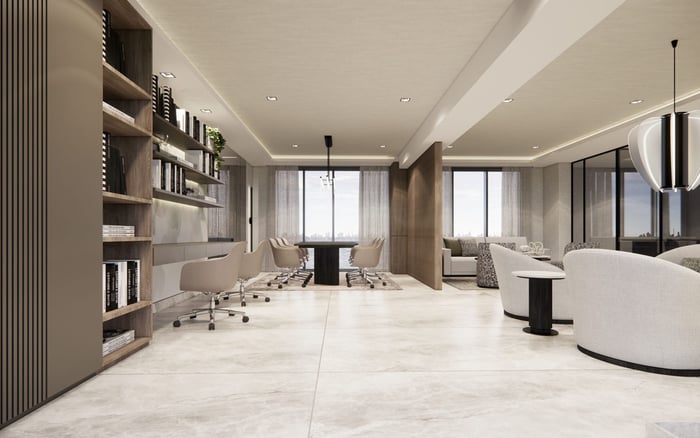
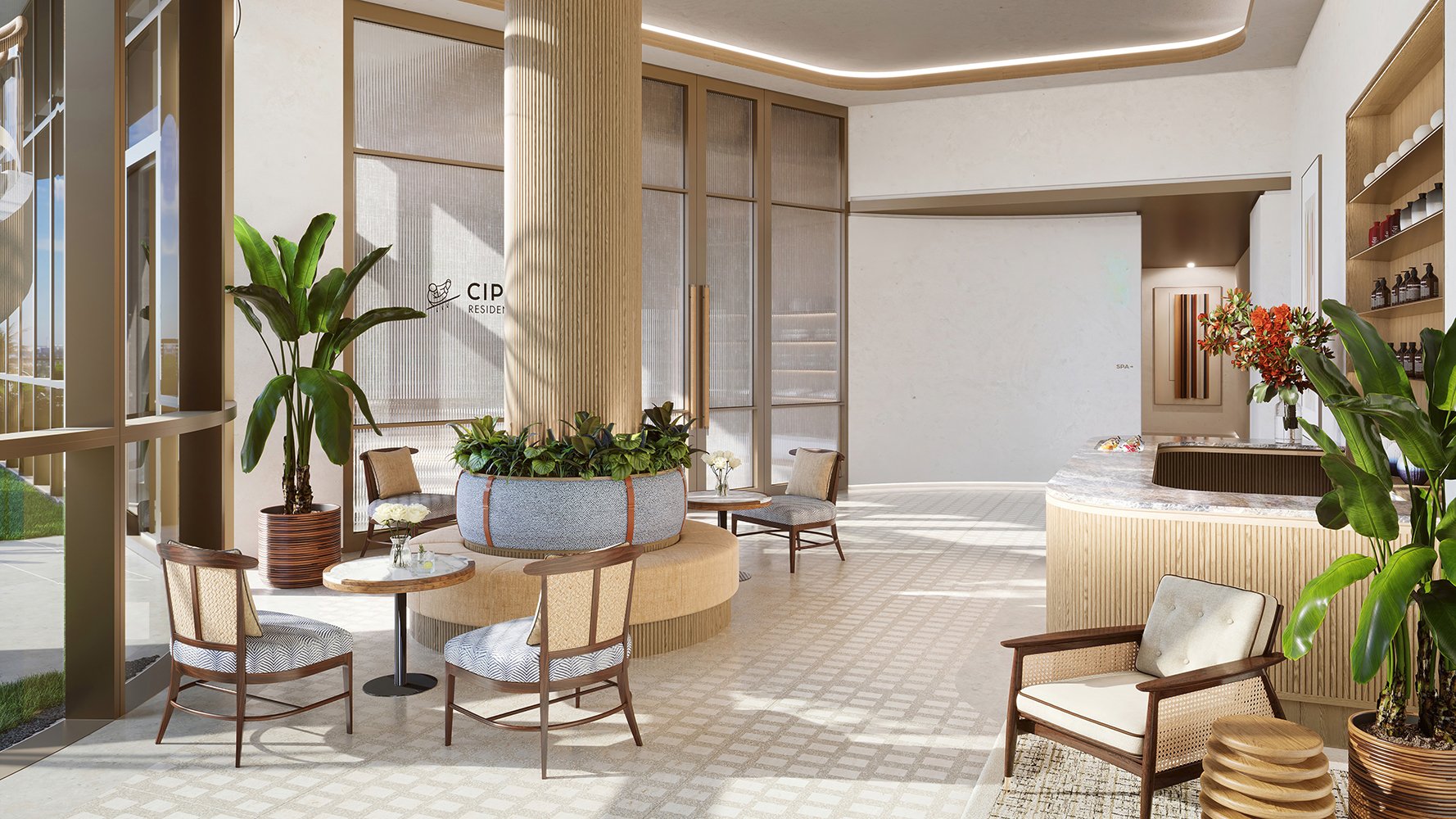
A wellness room should still read as architecture. AI-enabled features are most successful when they recede into lighting design, millwork, mechanical systems, acoustic treatments, discreet controls, and furniture planning. A crowded room of visible devices can feel clinical, dated, or performative.
Evaluate ceiling heights, ventilation paths, sound isolation, flooring, electrical capacity, humidity resilience, and service access before focusing on branded equipment. In South Florida, materials should be selected for durability and calm, not only visual warmth. Stone, wood, plaster, textiles, and concealed technology can create an environment that feels permanent rather than experimental.
The strongest rooms have multiple modes. A single space might support morning meditation, recovery after tennis, an afternoon practitioner visit, and deep relaxation in the evening. AI can help orchestrate these scenes, but the underlying spatial design must make them credible.
Family offices should assume that every intelligent room becomes part of the household’s operating manual. Someone must know how to reset systems, update software, book service, clean specialized surfaces, replace filters, manage access, and explain basic functions to guests or family members. If the room requires constant vendor intervention, it may fail the practicality test.
Before acquisition or build-out, ask for maintenance schedules, warranty terms, service response expectations, replacement part availability, and user documentation. Confirm whether the systems can be serviced by local technicians or require specialized remote support. For seasonal owners, remote monitoring may be valuable, but only when configured with disciplined access controls.
Staff training should be simple and documented. A house manager should not need to interpret complex health recommendations, but should understand operating sequences, safety limits, and privacy rules. The family office should also decide which settings are locked, which can be adjusted by staff, and which remain private to users.
Investment value deserves consideration, but not exaggeration. An AI-enabled wellness room may enhance a residence when it is thoughtfully integrated, beautifully designed, and easy to understand. It may also narrow buyer appeal if it feels overly personalized, medically coded, or dependent on technology that appears temporary.
The more permanent the construction, the more neutral and adaptable the room should be. Built-in ventilation, acoustic quality, lighting infrastructure, storage, water access where appropriate, and flexible electrical planning tend to age better than highly specific device ecosystems. Portable or replaceable equipment can evolve as the family’s preferences change.
In new-construction residences, family offices have the opportunity to influence infrastructure earlier, often before finishes are finalized. In resale acquisitions, the emphasis should shift to inspection, compatibility, documentation, and the cost of modernization. A wellness room should support liquidity by feeling intuitive to the next sophisticated buyer, not like a private laboratory that must be decoded.
The family office review should combine architectural, technical, legal, and operational questions. Start with the room’s purpose, then examine data privacy, control systems, environmental performance, service obligations, and reversibility. Request demonstrations that show everyday use, not presentation modes alone.
A useful test is the guest scenario. Can a family member use the room without instruction? Can a visiting wellness professional operate the basics without compromising private profiles? Can the house manager secure the room after use? Can the system be placed into a low-data or offline mode when desired?
Finally, assess emotional fit. The most successful wellness rooms reduce friction. They invite use because they are calm, beautiful, and intuitive. AI should make the room more personal without making it more demanding.
Should every luxury residence have an AI-enabled wellness room? No. It is most valuable when it reflects the family’s actual routines, privacy preferences, and staff capacity.
What is the first item a family office should review? Begin with the wellness brief: who will use the room, how often, and what outcomes matter most.
Are biometric features always necessary? Not always. Some households prefer simple preset environments without individual tracking or stored health data.
How should privacy be handled? Treat the room as a sensitive environment and clarify data access, storage, retention, and vendor permissions.
Can AI wellness technology become obsolete quickly? Yes, which is why adaptable infrastructure and replaceable equipment are usually preferable to rigid systems.
What matters most in South Florida residences? Climate resilience, ventilation, humidity control, acoustic comfort, service access, and privacy all deserve attention.
Should staff manage the wellness room? Staff can manage basic operations and maintenance, but personal profiles and health data should remain tightly controlled.
Does a wellness room improve resale value? It can support buyer appeal when it is elegant, intuitive, well documented, and not overly personalized.
Is new-construction better for these rooms? New-construction can allow cleaner integration of power, air, sound, lighting, and controls from the beginning.
What is the best way to shortlist comparable options for touring? Start with location fit, delivery status, and daily lifestyle priorities, then compare stacks and elevations to validate views and privacy.
If you'd like a private walkthrough and a curated shortlist, connect with MILLION.
If branded residences are on your mind — as a home or as an allocation — we would be glad to share what we are seeing, privately.
Begin a quiet conversation