A discreet, buyer-oriented guide for São Paulo families evaluating South Florida luxury real estate, from Palm Beach privacy to Miami connectivity and long-term ownership planning.
For a São Paulo family considering South Florida, the decision is rarely only about square footage, view corridors, or a recognizable address. It is a broader exercise in lifestyle design. The right residence must support travel patterns, family governance, education planning, privacy expectations, entertaining, wellness, and the quiet administration of a life lived across borders.
That is why the phrase “São Paulo to Palm Beach” is best understood less as a single route than as a spectrum of choices. Palm Beach speaks to discretion, tradition, and residential calm. Miami offers connectivity, design energy, dining, culture, and waterfront vertical living. Boca Raton, Fort Lauderdale, Coconut Grove, Surfside, Bal Harbour, and Sunny Isles each contribute a distinct version of coastal permanence. A buyer who begins with identity rather than inventory will make a more durable decision.
The first question is simple: is the home meant to be a primary base, a seasonal residence, a family retreat, or a long-hold asset? Each answer produces a different map.
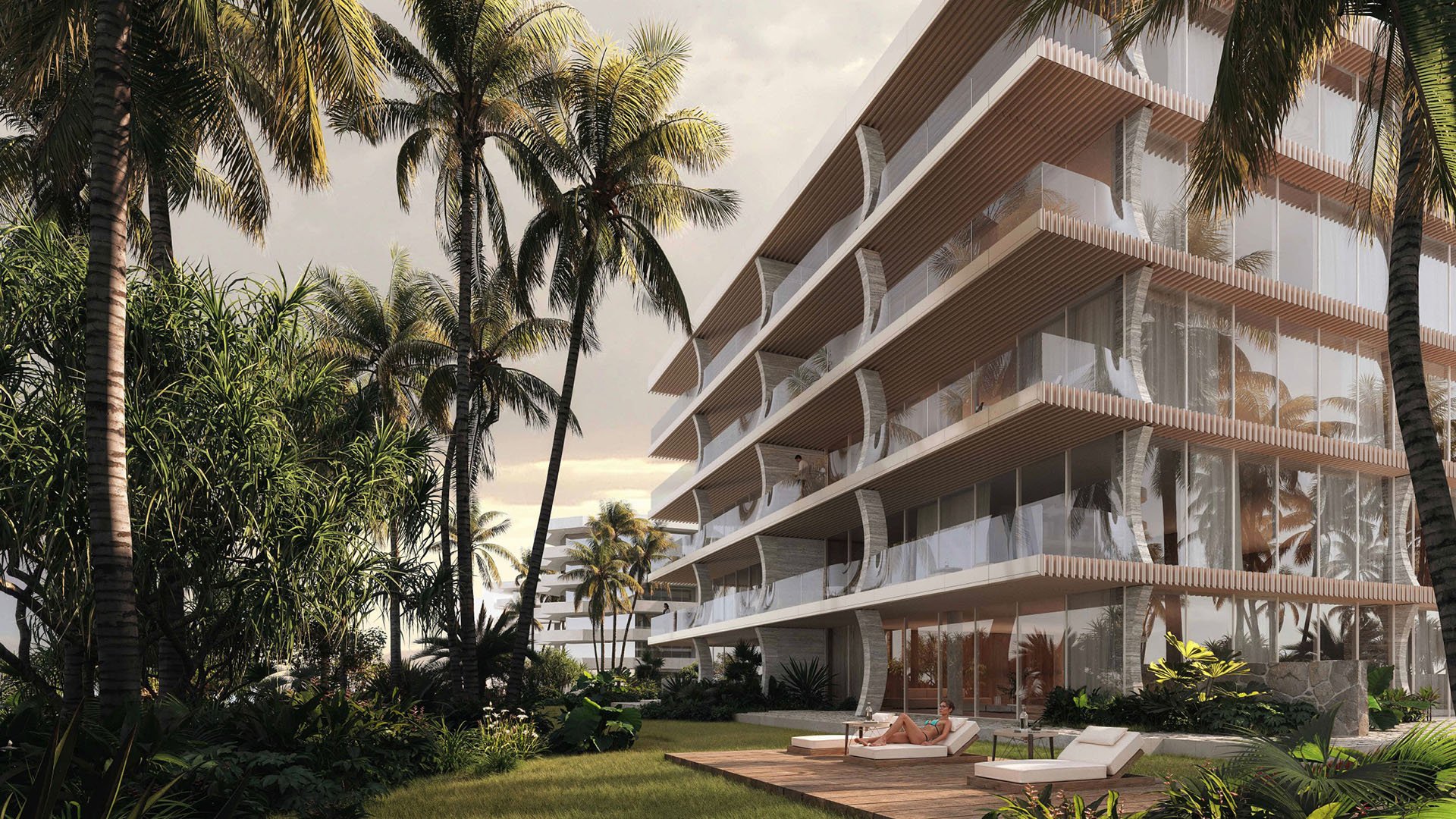
Palm Beach appeals to buyers who value quiet arrival, established residential rituals, and an atmosphere where understatement is part of the luxury. Across the Palm Beach corridor, the conversation often turns to privacy, building scale, access to the ocean or Intracoastal, and the ease of maintaining a residence while away.
West Palm Beach has become part of the same strategic conversation, especially for buyers who want proximity to Palm Beach with a more urban rhythm. A residence such as Palm Beach Residences may appeal to those who want the name recognition of the island market, while The Ritz-Carlton Residences® West Palm Beach speaks to buyers who place a premium on service, managed living, and lock-and-leave convenience.
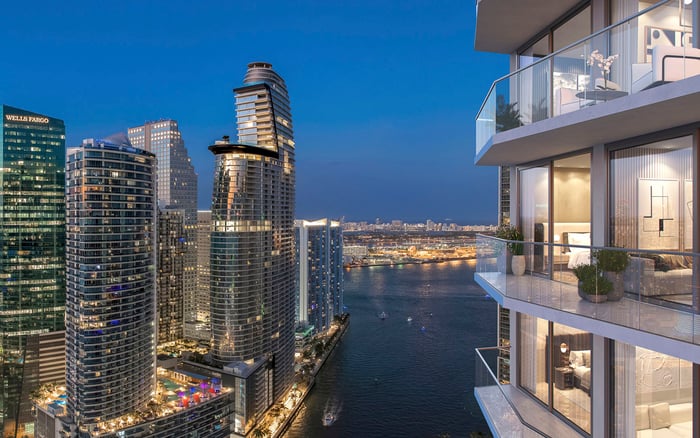
Miami, by contrast, is defined by momentum. Brickell is often the most direct fit for buyers who want a financial district atmosphere, high-rise living, restaurants, and efficient access to meetings and aviation. In that context, St. Regis® Residences Brickell offers the kind of branded-residence framework that can feel familiar to global families accustomed to staffed hotels, private clubs, and service standards that travel well.
For wealth migrating from São Paulo, service is not a decorative amenity. It is infrastructure. A residence that can be closed for part of the year, opened before arrival, maintained with discipline, and supported by a professional staff can reduce friction. This is why branded residences and highly managed boutique buildings often enter the conversation early.
The appeal is not only the logo. It is the operating culture behind the front desk, valet, concierge, spa, dining, security, and maintenance experience. A family that divides time among Brazil, Europe, New York, and South Florida may value predictability as much as spectacle. The best buildings do not simply impress guests. They make complicated lives easier.
Miami Beach buyers often approach the market through this lens. They may want the social energy of the beach, but not a building that feels transient or impersonal. The Perigon Miami Beach fits into the broader discussion of refined oceanfront living, where architecture, privacy, and direct coastal access can matter as much as resort-style amenity programming.
Before touring, serious buyers should align advisers on ownership structure, tax residency, succession, financing, insurance, and estate objectives. This is not glamorous, but it is central. A beautiful apartment purchased without the right structure can become unnecessarily complicated for a multi-generational family.
Investment discipline also matters. South Florida luxury property can serve many roles: lifestyle asset, dollar-denominated holding, family gathering point, future relocation option, or legacy residence. Each role suggests a different tolerance for carrying costs, liquidity, renovation, rental restrictions, and resale horizon. The most sophisticated buyers are not necessarily the fastest buyers. They are the clearest buyers.
This is especially true when comparing a waterfront condominium with a single-family home. A condominium may provide security, staff, amenities, and ease. A house may provide land, separation, gardens, and deeper control. Neither is universally superior. The right answer depends on how the family actually lives.
The most useful South Florida search begins with a week in the life. Where will the family land? Where will children or grandchildren spend time? How often will guests arrive? Is boating central or occasional? Does the buyer want a club culture, a beach culture, a financial district, or a village rhythm?
Coconut Grove offers a softer residential atmosphere, with canopy, marinas, schools, and a more established neighborhood texture. The name may sound like search shorthand, but the lifestyle it describes is specific: quieter than Brickell, greener than much of the urban core, and often more family-oriented in feel. A project such as Four Seasons Residences Coconut Grove belongs in that conversation for buyers who want service and calm without leaving Miami.
West Palm Beach, Brickell, Miami Beach, Palm Beach, and Coconut Grove should not be treated as interchangeable luxury labels. They are different answers to different private questions.
A buyer arriving from São Paulo should define five priorities before negotiating: privacy, service, mobility, holding period, and family use. If privacy leads, Palm Beach, Fisher Island, certain Surfside buildings, and estate-oriented enclaves may rise. If mobility leads, Brickell, Downtown Miami, and areas near major bridges or airport routes may become more compelling. If family life leads, schools, parks, clubs, and guest accommodations become decisive.
The offer itself should reflect patience. Luxury inventory is not always comparable unit to unit. Ceiling heights, exposure, building governance, staff quality, reserves, parking, elevator flow, service access, and renovation permissions can change the value of two residences that appear similar online. The best due diligence is architectural, legal, financial, and emotional at once.
Is Palm Beach the best fit for every São Paulo buyer? Not always. Palm Beach is compelling for privacy and established residential calm, while Miami may better suit buyers who want a more urban and internationally connected rhythm.
Should a buyer choose Miami or Palm Beach first? Start with lifestyle rather than geography. Once daily routines, privacy needs, and travel patterns are clear, the right market usually becomes easier to identify.
Are branded residences worth considering? They can be, especially for buyers who value service, security, maintenance, and predictable management while traveling. The brand should be evaluated alongside building quality and governance.
What matters most in a lock-and-leave residence? Staffing, security, maintenance protocols, access control, parking, and building management are essential. The goal is a home that functions gracefully whether occupied or closed.
How should buyers think about investment value? Treat the purchase as both lifestyle and capital allocation. Consider holding period, carrying costs, resale depth, and how the property fits broader family objectives.
Is a condominium easier than a single-family home? Often, yes, because services and maintenance are centralized. A single-family home may offer more control, land, and privacy, but usually requires more direct oversight.
Should buyers tour many neighborhoods in one trip? A focused itinerary is better than a broad one. Compare a few distinct lifestyles so each visit teaches something meaningful.
How important is building culture? Very important. Staff quality, resident profile, rules, and service expectations shape daily life as much as finishes or views.
Can a seasonal residence still feel personal? Yes, if the building supports advance preparation, trusted maintenance, and consistent service. Personalization depends on both design and operations.
What is the most common mistake in a cross-border search? Moving too quickly from attraction to negotiation. The strongest buyers align structure, lifestyle, and due diligence before committing.
For a tailored shortlist and next-step guidance, connect with MILLION.
If branded residences are on your mind — as a home or as an allocation — we would be glad to share what we are seeing, privately.
Begin a quiet conversation