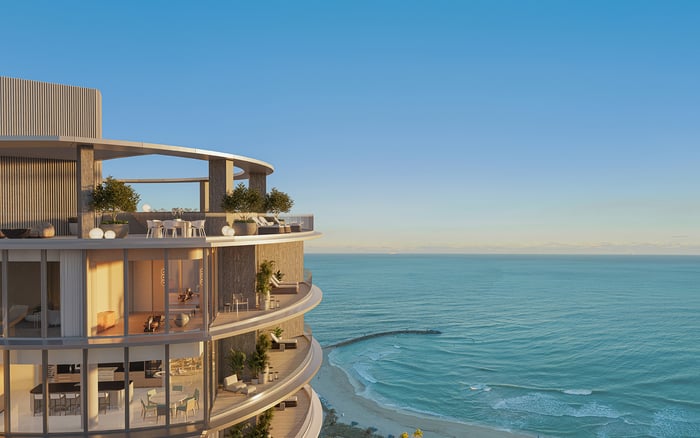
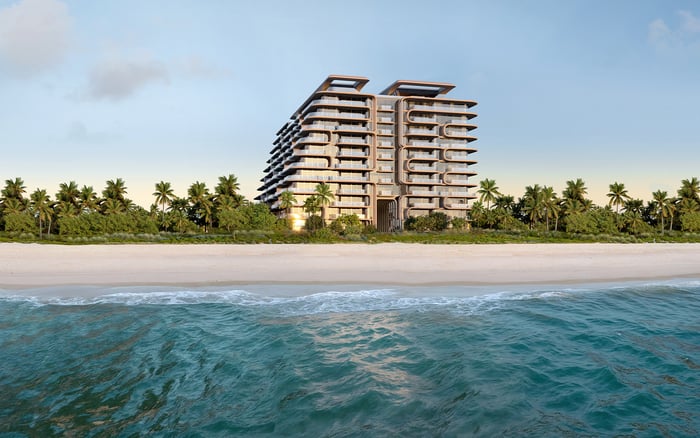
Design Miami can act as a useful filter for buyers reconsidering where a South Florida pied-à-terre should sit, how it should live, and what kind of design intelligence should define it. For Bal Harbour buyers, the stronger case is not simply ownership near the cultural circuit, but a more composed base that supports privacy, access and everyday ease.
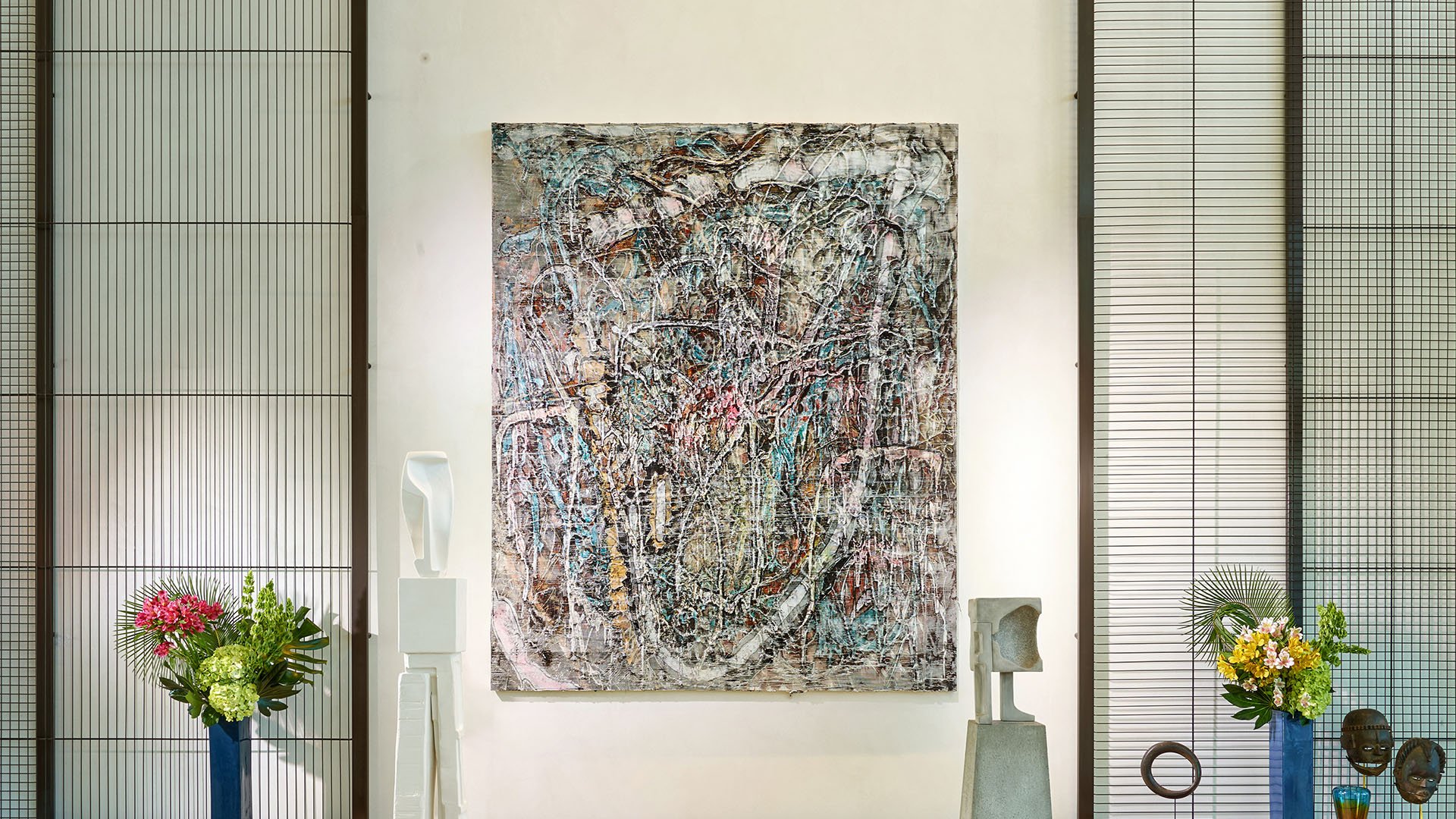
Design Miami has a way of clarifying what buyers truly want from South Florida. During the cultural high season, the region feels less like a single resort market and more like a network of highly specific lifestyles: oceanfront calm, private arrival, collector-grade interiors, restaurant convenience, gallery proximity, and the ability to move among them without sacrificing discretion.
For the Bal Harbour pied-à-terre buyer, that distinction matters. A second residence is no longer judged only by whether it is beautiful enough for a long weekend. It must be positioned well enough to make repeat use feel effortless. It should support the owner who arrives for a design week, stays through a private dinner circuit, hosts family, takes meetings, and then locks the residence with confidence until the next visit.
That is where Design Miami strengthens the case for a better-positioned pied-à-terre. The event sharpens the eye. It reminds buyers that placement, scale, materials, and service are not separate decisions. They are one decision, expressed through the way a residence lives.
Bal Harbour appeals to a buyer who values restraint. In a market where visibility can be mistaken for value, the stronger Bal Harbour argument is quieter: fewer compromises, a cleaner rhythm, and a location that can feel removed without feeling disconnected.
A pied-à-terre here should not behave like a hotel room with an ownership structure. It should feel like a private residence that is effortless to activate. The difference is subtle, but important. A true pied-à-terre has storage that anticipates repeat visits, interiors that support both solitude and entertaining, terraces that extend living rather than simply frame a view, and building services that reduce friction.
This is why a buyer evaluating Rivage Bal Harbour or Oceana Bal Harbour is not only comparing buildings. The deeper question is whether the residence supports the way an owner moves through South Florida during its most design-conscious moments. Can it serve as a retreat after a full evening? Can it host a small pre-dinner gathering without feeling overexposed? Can it absorb the practical demands of an owner who may arrive with little notice?
Design Miami makes these questions more urgent because it compresses the market’s cultural energy into a concentrated period. Buyers see more, compare more, and become less patient with residences that are merely decorative. Better positioning becomes a form of intelligence.
A sophisticated Bal Harbour search often widens before it narrows. Surfside and Miami Beach give buyers important reference points, not because they replace Bal Harbour, but because they clarify what Bal Harbour is being asked to do.
In Surfside, projects such as Arte Surfside and The Delmore Surfside invite the same design-led discipline. The comparison is useful: does the buyer prefer a quieter residential mood, a stronger architectural statement, or a more intimate daily pattern? The right answer depends on how often the home will be used and what role it plays in the owner’s larger portfolio.
Miami Beach adds another lens. A buyer looking at The Ritz-Carlton Residences® Miami Beach may be weighing a different kind of convenience, with a lifestyle more closely connected to the broader social and hospitality circuit. That can be compelling, particularly for owners who want a residence that functions as an extension of a highly active calendar.
The point is not to declare one address superior in every case. It is to define the hierarchy. Bal Harbour may be strongest for the buyer who wants a composed home base, Surfside for those drawn to an adjacent residential texture, and Miami Beach for those who prefer a more socially proximate rhythm. Design Miami helps reveal which instinct is most authentic.
The best pied-à-terre search begins with lifestyle sequencing. How does the owner arrive? How many nights will the residence be occupied in a typical season? Will guests visit often, or is privacy the primary luxury? Does the owner want to entertain, collect, work, restore, or simply disappear?
A design-aware buyer should also think beyond finishes. Material quality matters, but so do circulation, ceiling presence, acoustic comfort, lighting, wall space, and the relationship between indoor rooms and outdoor living. A beautiful residence can still be wrong if the plan does not support how the owner actually spends time.
Second-home thinking is especially important in South Florida because the pied-à-terre is often part of a broader pattern: a primary residence elsewhere, a family compound, a yacht schedule, a private aviation routine, or seasonal business commitments. The residence should not compete with those elements. It should make them easier.
The word boutique can be useful when it describes privacy, intimacy, and a more personal residential experience, but it should not become shorthand for limited amenity depth or operational thinness. Likewise, a large building can feel discreet if arrivals, service, and resident flow are carefully handled. The refined buyer is not buying adjectives. The refined buyer is buying ease.
Design Miami rewards the educated eye. It encourages buyers to look past spectacle and ask whether an object, room, or residence has endurance. That same discipline belongs in a Bal Harbour pied-à-terre search.
Value is not only resale logic or scarcity language. It is also the likelihood that the home will be used often, maintained easily, and loved without constant renegotiation. A residence that makes every visit simpler has a value that spreadsheets can miss. A residence that requires compromise every time an owner arrives eventually becomes ornamental, regardless of its address.
The strongest South Florida pied-à-terre is the one that feels inevitable after the buyer has compared the alternatives. It does not need to shout. It needs to make sense.
Why does Design Miami matter to a Bal Harbour pied-à-terre search? It sharpens a buyer’s sensitivity to design, proportion, privacy, and daily rhythm. Those qualities are central to a residence intended for repeat seasonal use.
Is Bal Harbour best for every South Florida second-home buyer? Not always. It is strongest for buyers who prioritize calm, discretion, and a composed home base over constant social intensity.
Should I compare Bal Harbour with Surfside? Yes. Surfside can help clarify whether you prefer a similar coastal mood with a different residential texture.
Should Miami Beach be part of the same search? For many buyers, yes. Miami Beach may suit owners who want a pied-à-terre closer to a broader hospitality and social circuit.
What makes a pied-à-terre different from a vacation condo? A pied-à-terre is usually judged by repeat-use efficiency, privacy, and ease of ownership. It should feel ready whenever the owner arrives.
How important is interior design in this decision? Very important, but not as decoration alone. The plan, light, storage, acoustics, and flow matter as much as finishes.
Is a boutique building always better for privacy? Not necessarily. Privacy depends on arrival sequence, service culture, resident flow, and how the building is operated.
Can a larger residence be too much for a pied-à-terre? Yes, if it creates unnecessary maintenance or underused space. The right scale should match the owner’s actual pattern of visits.
What should buyers prioritize first? Start with the use case: arrival, length of stay, guest patterns, entertaining needs, and desired level of discretion.
How does Design Miami influence long-term satisfaction? It encourages more disciplined choices. Buyers become better at separating memorable design from short-lived novelty.
For a tailored shortlist and next-step guidance, connect with MILLION.
If branded residences are on your mind — as a home or as an allocation — we would be glad to share what we are seeing, privately.
Begin a quiet conversation