A yacht owner’s South of Fifth purchase depends less on romance and more on the building’s operating culture, arrival sequence, storage logic, staff discretion, and the owner’s daily transfer from residence to vessel.
For a yacht owner, South of Fifth is rarely a simple neighborhood decision. It is an operating decision. The apartment may frame water, the lobby may feel serene, and the address may carry the right social weight. Yet the true test begins in the sequence between residence, car, crew, tender, luggage, provisioning, guests, and privacy.
That is why South of Fifth can work exceptionally well for the right buyer, yet feel frustrating for another. The difference is not only floor height, exposure, or interior finish. It is whether the building understands the cadence of a person whose home life and boat life are intertwined.
A yacht owner is not simply buying a place to sleep near the water. They are buying a base of operations. The building must absorb movement without making it visible. It must accommodate arrivals that are not always leisurely, departures that may be weather-driven, and guests who may move between dinner, residence, and vessel without feeling managed by logistics.
This is where established South Beach names such as Apogee South Beach and Continuum on South Beach often enter the conversation. Not because every yacht owner wants the same thing, but because buyers in this category tend to compare buildings through a service lens as much as a design lens.
The best buildings for yacht owners make arrival feel uneventful. That is a compliment. A refined arrival sequence reduces friction rather than announcing complexity.
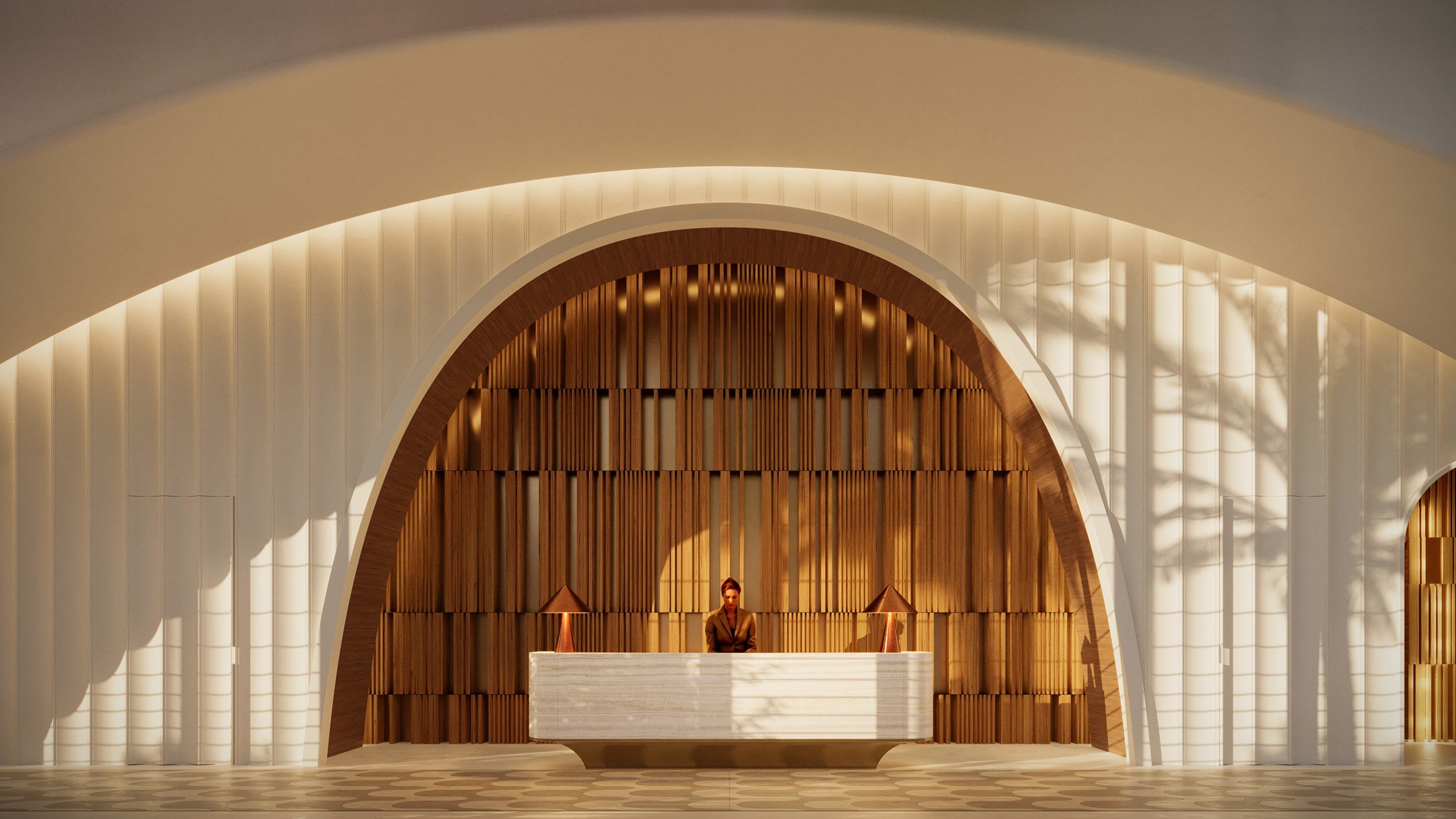
Consider the path from vehicle to residence. Is the valet choreography calm at peak moments? Is there a logical way to move luggage, garment bags, provisions, flowers, wine, or marine gear without turning the lobby into a stage? Does the staff understand when guests should be greeted formally and when they should simply be allowed to pass through with quiet confidence?
The yacht owner’s day can involve more transitions than a traditional second-home owner’s day. There may be an early run to the vessel, a midday return to change, a late dinner, and an overnight guest arrival. If each transition requires explanation, permission, or improvisation, the residence begins to feel less private.
In a well-run building, these details are anticipated. Elevators, service corridors, loading behavior, package handling, and staff communication all become part of the luxury experience. The buyer may never discuss them at a cocktail party, but they will feel them every week.
Yacht owners accumulate specialized items. Not all of them belong in a pristine residence, and not all of them should be left to a vessel. The question is how the condominium handles the in-between world.
A building that works well for this buyer profile should have a sensible answer for recurring personal equipment, seasonal items, guest luggage, and the small practical objects that support life on and off the water. The issue is not merely square footage. It is access, cleanliness, discretion, and reliability.
Marina thinking often focuses on the boat first. Residential thinking often focuses on the apartment first. The yacht owner needs both disciplines to meet. A boat slip may solve one layer of ownership, but it does not solve the residential choreography around provisioning, changing, hosting, and returning after a long day at sea.
This is why the building interview should be as serious as the unit tour. A flawless terrace cannot compensate for awkward operations. A beautiful lobby cannot offset a staff culture that treats every nonstandard request as an exception.
South of Fifth has an unusually intimate feel for a high-profile buyer, but intimacy only becomes privacy when the building is trained to protect it. Discretion is not a design style. It is a practice.
The relevant questions are simple. Who sees guests arrive? How are service providers handled? Can staff communicate without overcommunicating? Are family members, captains, drivers, assistants, and house managers recognized in a manner that feels secure but not theatrical?
A SoFi buyer with a yacht may have a more layered household than the floor plan suggests. There may be principals, children, visiting friends, crew coordination, and occasional staff support. The building does not need to be showy to handle this well. In fact, the most desirable operational cultures are often quiet, consistent, and almost invisible.
Nearby comparisons may include The Ritz-Carlton Residences® South Beach for buyers who want a service-forward residential conversation, or Five Park Miami Beach for those weighing a broader Miami Beach lifestyle radius while still prioritizing access, staff fluency, and ease of movement.
The most successful yacht-owner residences do not try to feel nautical. They feel composed. The residence should offer decompression after the vessel, not a theme.
That means generous circulation, places to host before or after a boat day, bedrooms that can comfortably accommodate visiting guests, and finishes durable enough for real use. The ideal home supports linen changes, wardrobe shifts, casual breakfasts, formal dinners, and quick departures without making any of it feel improvised.
Outdoor space matters, but not only for the view. A terrace can become a private pause between the social intensity of the water and the public energy of Miami Beach. It can also help the owner remain connected to the marine atmosphere without needing every moment to occur on board.
In this category, buyers often evaluate 57 Ocean Miami Beach not as a South of Fifth substitute, but as part of a wider study of oceanfront calm, residential scale, and how different buildings interpret beach-adjacent living. The lesson for South of Fifth remains the same: beauty is expected, but operations decide daily satisfaction.
A yacht-oriented buyer should ask practical questions early. How does the building handle frequent guest arrivals? What are the expectations around deliveries and service providers? How is valet managed during high-demand periods? How are oversized or recurring items stored? What is the protocol for household staff, drivers, captains, or assistants?
These are not minor concerns. They reveal whether the property is accustomed to complex ownership patterns. A building does not need to advertise itself as yacht-friendly to be effective. It simply needs to operate with maturity.
The most telling answer is often not the answer itself, but the confidence with which it is delivered. A polished operations team will not be surprised by the questions. They will understand that luxury ownership involves coordination, not just amenities.
South of Fifth works best for the yacht owner who wants proximity to a sophisticated urban-beach lifestyle, values discretion, and prefers a residence that can function as both retreat and command center. It is less compelling for the buyer who expects the condominium to solve every marine need directly, or who has not considered how often they will move between residence and vessel.
The right building makes the neighborhood feel effortless. The wrong building can make even a prime address feel administratively heavy. That distinction is especially important in the ultra-premium market, where buyers are not only paying for space. They are paying for time, confidence, and the absence of avoidable friction.
In that sense, the best South of Fifth purchase is not the one that photographs most dramatically. It is the one that behaves correctly on an ordinary Thursday, when guests arrive, plans change, the boat calls, and the residence still feels composed.
Is South of Fifth automatically ideal for yacht owners? No. It can be excellent, but only when the building’s operations support frequent movement, privacy, staff coordination, and practical storage.
What should a yacht owner evaluate first in a condo building? Start with arrival logistics, valet behavior, service access, storage policies, and staff discretion before focusing only on views or finishes.
Does a boat slip make a residence yacht-friendly by itself? No. A boat slip may be valuable, but the residence must also handle the owner’s daily transitions, guests, luggage, and provisioning gracefully.
Why does staff culture matter so much? Yacht ownership often involves assistants, captains, drivers, vendors, and guests, so the building team must manage complexity without drama.
Should buyers prioritize waterfront views? Views matter, but they should not outrank operational ease, privacy, circulation, and the building’s ability to support real daily use.
Can a non-marina building still work for a yacht owner? Yes. If the building has strong logistics, discreet staff, and efficient access patterns, it may serve the lifestyle very well.
What makes South of Fifth different from other Miami Beach choices? Its appeal is the blend of residential calm, beach energy, and urban convenience, provided the specific building is run with precision.
Is SoFi better for full-time owners or seasonal owners? It can suit either, but seasonal owners should be especially focused on management, access, and how smoothly the home reactivates after absences.
How important is storage for yacht owners? Very important. The residence needs a sensible place for items that belong neither in the apartment nor permanently on the vessel.
What is the best way to compare buildings? Tour the residence, then interview the operation. The right questions will quickly reveal whether the property understands this lifestyle.
For a confidential assessment and a building-by-building shortlist, connect with MILLION.
If branded residences are on your mind — as a home or as an allocation — we would be glad to share what we are seeing, privately.
Begin a quiet conversation