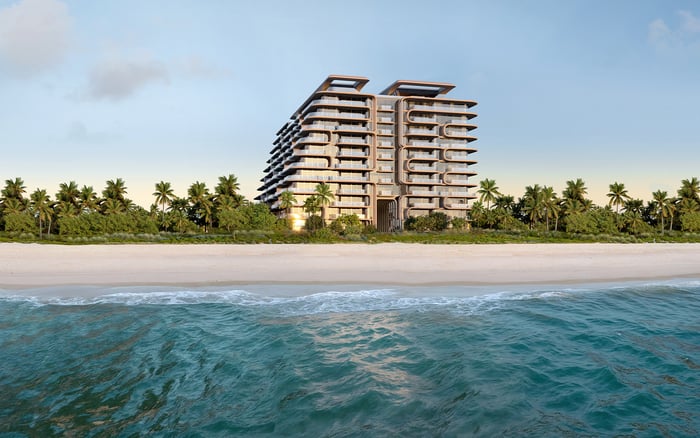
For luxury buyers weighing Surfside against Bal Harbour, family-zone planning shifts the conversation from prestige alone to school routes, caregiver flow, privacy, guest patterns, and the daily choreography of home.
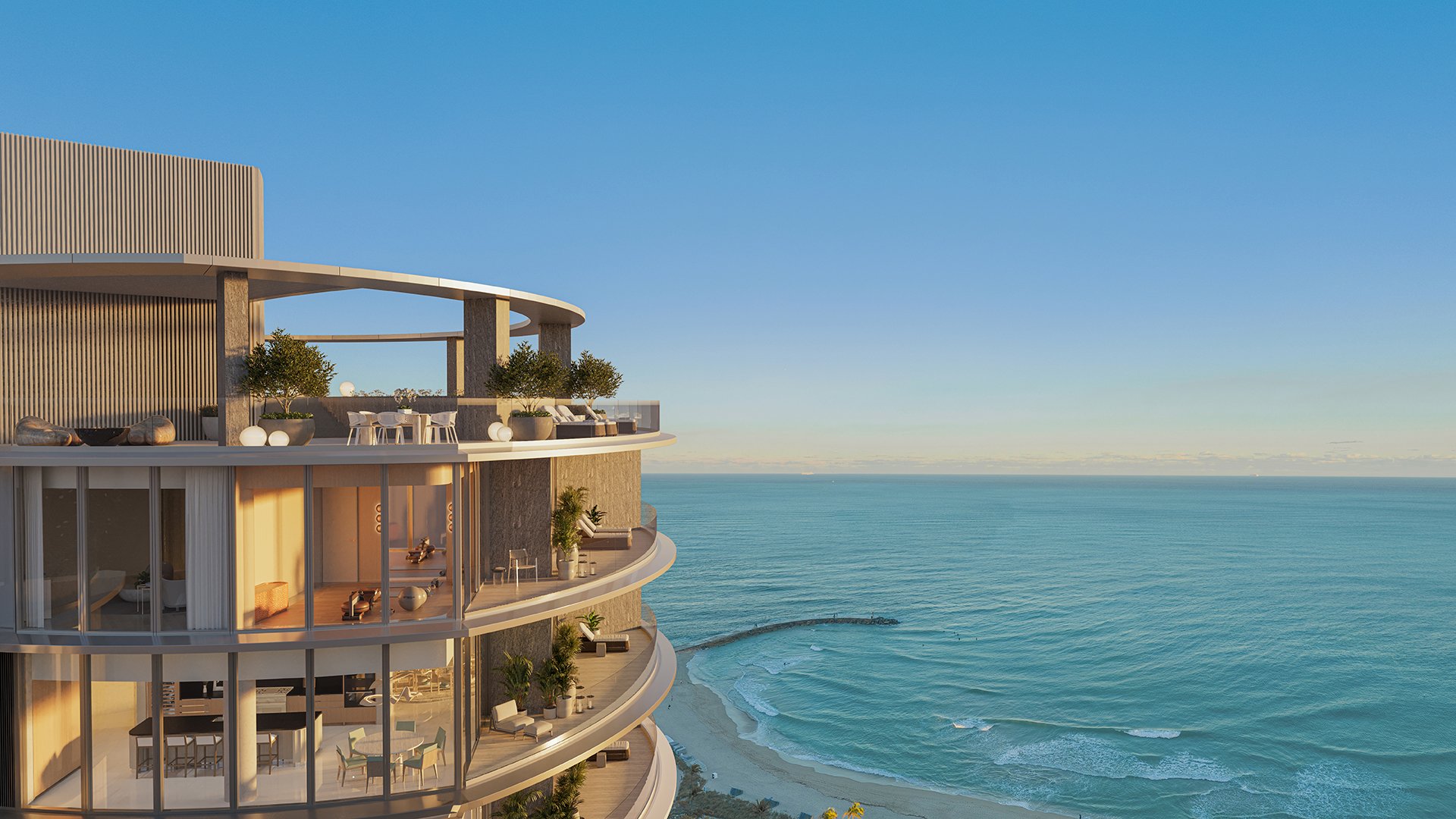
For a certain tier of South Florida buyer, the choice between Surfside and Bal Harbour is rarely about one address being more desirable than the other. Both occupy the rarefied north beach corridor, both speak to privacy, and both attract households that want coastal access without the performance of a busier resort district. The sharper question is how the home functions once children, guests, caregivers, tutors, drivers, pets, visiting grandparents, and weekend routines enter the frame.
That is the purpose of family-zone planning. It moves the conversation beyond a simple bedroom count and into the architecture of daily life. Where does a stroller wait without becoming visual clutter? Can a caregiver arrive without disrupting the family’s own arrival sequence? Is the family room close enough to the kitchen for weekday evenings, yet separate enough from the primary suite to preserve calm? How does the building feel at school-run hours, after dinner, during holidays, and on rainy afternoons?
In this context, Surfside and Bal Harbour begin to separate not by prestige, but by rhythm. The right choice is the one that makes the family’s ordinary day feel effortless.
Surfside often appeals to buyers who want the residence itself to carry the family experience. The beach, the building, the private terrace, and the interior plan become the center of gravity. For households with younger children, or for owners who expect extended family to visit often, the emphasis is usually on softness: easy transitions, generous living areas, and a sense of retreat once the elevator opens.
A buyer considering Arte Surfside might frame the visit around how the residence receives a family at different points in the day. The most revealing questions are not only about finishes, views, or design pedigree. They are about how a child comes in from the beach, where wet towels go, how dinner feels with guests at the table, and whether the primary suite remains meaningfully private when the home is full.
Surfside can also be compelling for families who want a more residential emotional register. In a building such as Ocean House Surfside, the value conversation should include how common areas, arrival points, and private interiors support a household that may move in layers rather than as a couple alone. A family-zone buyer is not simply purchasing square footage. They are buying a daily sequence.
Bal Harbour tends to enter the conversation when a family prizes a more polished, highly managed rhythm. The question becomes how easily the household can move from home to appointments, dining, shopping, wellness, school commitments, and airport departures without the day feeling fragmented. For some buyers, that convenience carries as much weight as a view line.
In Bal Harbour, residences such as Oceana Bal Harbour invite a different type of family-zone analysis. The buyer may ask how the building experience supports formal entertaining one evening and a quiet family breakfast the next morning. They may evaluate whether the elevator arrival feels suitably discreet when multiple generations are in residence, or whether staff and family circulation can coexist without friction.
The same is true for Rivage Bal Harbour, where the planning question is less about headline luxury and more about how the residence serves as a composed operating base. Families at this level often want elegance, but not at the expense of function. They need the home to absorb real life gracefully.
Family-zone planning begins with the plan, but it does not end there. A residence may have enough bedrooms and still fail the family test if circulation is too exposed, secondary rooms feel isolated, or there is no natural place for homework, breakfast, luggage, sports gear, or visiting relatives. The most successful homes create zones without making the family feel divided.
For Surfside buyers, the key may be whether the residence feels restorative after a full day outside. For Bal Harbour buyers, it may be whether the home can support a more complex calendar without strain. Neither is inherently better. They simply answer different versions of the same question: where does the family feel most composed?
This is why a second or third tour should be scheduled with a stricter lens. Instead of walking through as a buyer of luxury, walk through as a parent, host, spouse, child, and guest. Stand where backpacks would land. Imagine a tutor at the dining table. Picture a caregiver preparing lunch while guests arrive. Consider whether a teenager could have friends over without taking over the main living room. These details reveal more than a brochure ever can.
In ultra-premium buildings, privacy is often discussed as if it were automatic. For families, it is more nuanced. A private address still needs internal privacy. A household with young children may want the nursery close to the primary suite. A household with older children may want distance. A family that hosts grandparents for weeks at a time may need a guest zone that feels generous but independent.
At The Delmore Surfside, as with any serious Surfside contender, a buyer should consider how the residence supports both togetherness and withdrawal. In Bal Harbour, the same evaluation applies, though the priority may shift toward formal arrival, entertaining flow, and the ability to maintain a serene public face even when the household is busy behind the scenes.
The best family homes do not force a choice between beauty and utility. They allow both to operate quietly. Storage disappears. Service spaces feel intentional. Bedrooms have enough separation. Terraces extend daily life rather than simply decorating the floor plan. The home becomes intuitive.
The Surfside versus Bal Harbour decision changes when the buyer stops asking, “Which is more prestigious?” and starts asking, “Which one fits our family tempo?” Surfside may be the answer for households that want home, beach, and privacy to dominate the day. Bal Harbour may be the answer for families that want a more curated orbit around convenience, polish, and seamless movement.
The most sophisticated buyers do not treat family needs as a compromise. They treat them as the highest form of design intelligence. A residence that supports family-zone planning will feel calmer, live larger, and retain its emotional value long after the closing. In the luxury market, that may be the most important amenity of all.
What is family-zone planning in a luxury residence? It is the process of evaluating how a home supports children, guests, caregivers, privacy, storage, and daily movement, not just how it looks.
Does Surfside suit families better than Bal Harbour? Not automatically. Surfside may suit a more home-centered beach routine, while Bal Harbour may suit families prioritizing polished convenience.
What should parents study first during a showing? Begin with circulation. Watch how people would enter, gather, separate, rest, and move between private and shared spaces.
Are bedroom counts enough to compare residences? No. Bedroom placement, acoustic separation, storage, service access, and informal living areas often matter more than the number alone.
How should caregivers factor into the decision? Consider arrival routes, parking logistics, service spaces, and whether help can support the household without interrupting family privacy.
Why does Bal Harbour appeal to some family buyers? It can offer a composed lifestyle for families that value convenience, discretion, and a polished daily routine.
Why does Surfside appeal to some family buyers? It can feel especially compelling for buyers who want the residence and beach-oriented routine to anchor family life.
Should buyers tour at different times of day? Yes. Morning, afternoon, and evening visits can reveal how the building and residence feel during real family transitions.
How important is terrace planning for families? Very important. A terrace can extend living space, but it should feel usable, safe, and connected to the household’s daily rhythm.
What is the best way to choose between the two markets? Define the family’s daily tempo first, then select the address and residence that make that rhythm feel natural.
When you're ready to tour or underwrite the options, connect with MILLION.
If branded residences are on your mind — as a home or as an allocation — we would be glad to share what we are seeing, privately.
Begin a quiet conversation