A discreet buyer’s guide to choosing Miami Design District adjacent residences through the lens of private clubs, cultural access, privacy, daily rhythm, and long-term value.
For the Miami Design District buyer, private-club adjacency is less about one address than the choreography of daily life. The right residence should make movement feel effortless between home, dining, wellness, art, collecting, entertaining, and the quiet rituals that define a well-run week. In this segment of the market, convenience is not simply proximity. It is the absence of friction.
That distinction matters. A buyer who values private-club adjacency is rarely asking only, “How close is the building?” The sharper question is, “Can this home support the way I actually use Miami?” That may mean an elegant base near galleries and design showrooms, a larger residence with privacy for family stays, or a pied-à-terre that keeps the owner connected to dinners, previews, and member-only social rooms without making the home feel exposed.
The Design District’s appeal is its layered lifestyle. It sits within a broader cultural triangle that includes Wynwood, Midtown, Edgewater, and the urban core beyond. Buyers who understand this geography are not simply choosing a neighborhood. They are choosing the version of Miami they want to inhabit after sunset, between meetings, and during the weeks when the city is at its most social.
Private-club adjacency carries a premium because it offers access without requiring constant visibility. The most sophisticated buyers often want to be near the room, not always in the room. That can make a quieter residential setting more compelling than an address embedded directly in the busiest entertainment corridor.
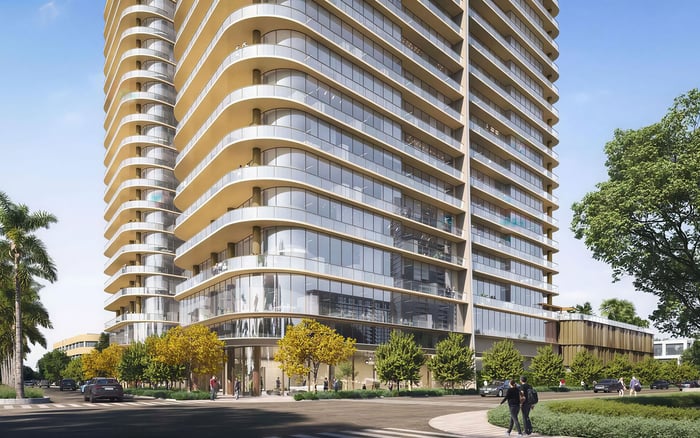
This is where the Design District conversation becomes more nuanced. A residence such as Kempinski Residences Miami Design District speaks to buyers who want a polished residential identity close to the district’s design, dining, and cultural energy. For some, that adjacency is the point: a home aligned with the area’s aesthetic language, yet still able to function as a private retreat.
Nearby Midtown also carries appeal for buyers who want the Design District lifestyle without surrendering to its most active edges. Miami Design Residences Midtown Miami can suit the buyer who values walkable urban texture, a strong food and retail radius, and a more immediate relationship to daily neighborhood life. It is a useful reminder that club-adjacent living is often about patterns, not prestige signaling.
Not every private-club-adjacent buyer uses Miami the same way. The collector may prioritize proximity to art fairs, gallery openings, design showrooms, and private previews. The host may care more about arrival experience, guest parking, elevator privacy, and the ease of moving from a dinner reservation to an after-hours setting. The wellness loyalist may want spa, fitness, recovery, and pool programming to feel like a natural extension of membership life.
Then there is the quiet regular: the buyer who belongs to the rooms that matter but prefers not to build a residence around constant entertaining. For this profile, the right home may be boutique in scale, with fewer corridors, less lobby theater, and a more residential sense of arrival. Boutique does not automatically mean smaller in ambition. It can mean more controlled, more personal, and more discreet.
The best purchase decision begins with an honest self-audit. How often will the owner be in Miami? Will the residence host guests? Is the home a primary base, seasonal retreat, or strategic city apartment? Is the owner drawn to dining and art, or to business networking and wellness culture? The answers change the ideal building, floor plan, and neighborhood edge.
Wynwood gives the buyer a more kinetic cultural backdrop. It can appeal to owners who want creative energy, galleries, restaurants, and nightlife within the broader orbit of the Design District. The tradeoff is that the most active streets may feel less residential to buyers who prize calm. A club-adjacent strategy here should weigh privacy, access control, and the quality of the building’s transition from public street to private home.
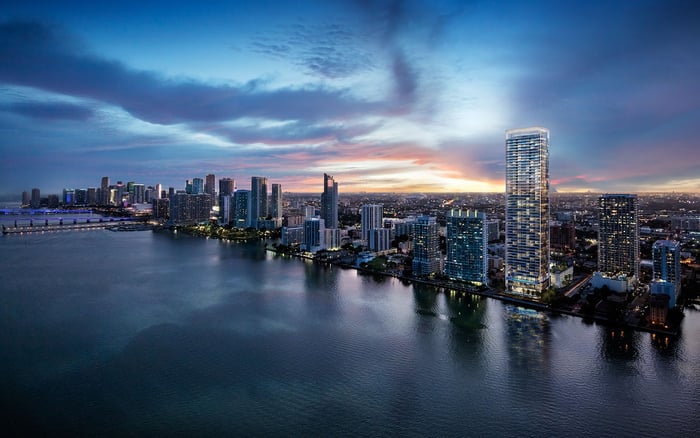
Edgewater offers a different proposition. It places buyers close to the urban cultural corridor while adding bayfront atmosphere and a more residential visual rhythm. For the owner who wants access to the Design District but prefers water, sky, and a softer end-of-day experience, Edgewater can be especially persuasive. EDITION Edgewater is relevant for buyers who want a branded residential environment in a neighborhood that bridges cultural access and waterfront calm.
Brickell is not Design District adjacent in the literal neighborhood sense, but it often enters the comparison for buyers whose private-club life is also tied to finance, dining, and high-level business socializing. A buyer considering 888 Brickell by Dolce & Gabbana may be choosing a more metropolitan, vertical, fashion-forward expression of the same desire: to live near the rooms where relationships are built. Brickell works best when the buyer’s club life and business calendar overlap.
New construction matters when the buyer wants current design language, modern wellness spaces, controlled arrival, and technology that supports a lock-and-leave lifestyle. It is also appealing when the residence is being acquired as a future-facing asset rather than simply a place to sleep between events. The most compelling buildings in this category understand that luxury now means privacy infrastructure as much as marble, views, and amenities.
Resale, however, should not be dismissed. Some established buildings offer larger layouts, proven service cultures, and a more settled sense of residential discretion. For a buyer who wants immediate use, existing inventory can be practical. The question is whether the building’s bones, staff culture, and resident profile still match the way private-club buyers live today.
From an investment standpoint, private-club adjacency can support demand when it is part of a larger lifestyle ecosystem: strong dining, cultural depth, design credibility, wellness access, and convenient movement across Miami’s core neighborhoods. The risk is overpaying for a fashionable address without assessing livability. A beautiful building in the wrong daily rhythm will rarely feel like a wise acquisition.
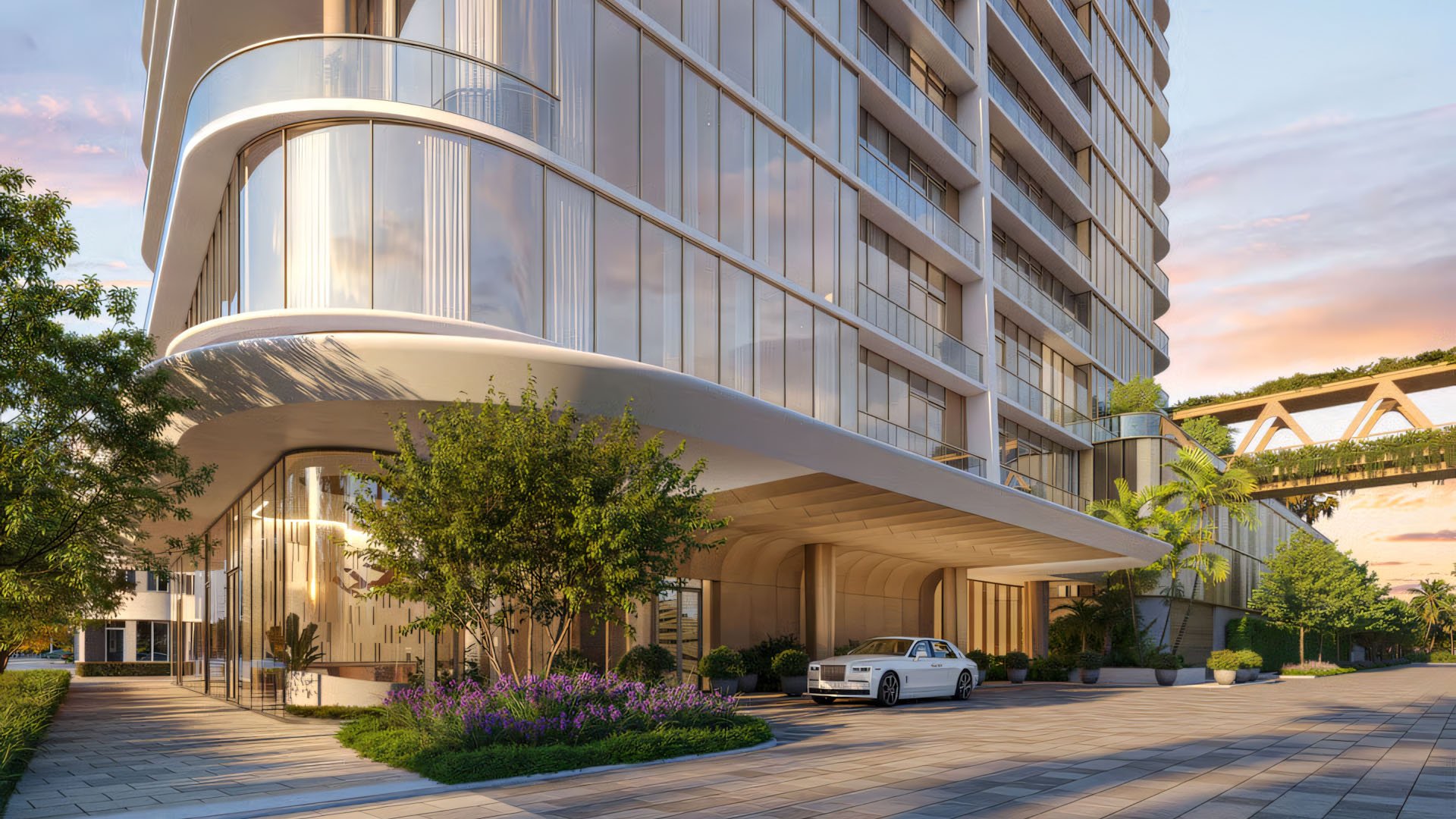
The lobby is the first test. It should feel composed, not chaotic. A club-adjacent buyer should study how residents, guests, staff, deliveries, and rideshare activity move through the building. The best residences separate these flows gracefully. Privacy begins before the elevator.
The second test is the floor plan. Open entertaining space may be valuable, but so is the ability to close off private quarters, house staff or guests comfortably, and maintain calm when the owner is hosting. Terraces matter when they extend the evening without making the residence feel performative. Views matter most when they reinforce the owner’s preferred mood: city energy, water calm, or architectural context.
The third test is the building’s social tone. Some buyers want a lively amenity culture, while others prefer a residence that stays quiet precisely because the city provides the theater. Neither approach is superior. The right answer is the one that protects the owner’s discretion while making the desired lifestyle effortless.
What does private-club adjacency mean for a Miami Design District buyer? It means choosing a residence that sits comfortably near private dining, wellness, cultural, and social settings without sacrificing privacy at home.
Is the best address always inside the Design District? Not necessarily. Many buyers prefer nearby Midtown, Wynwood, Edgewater, or Brickell depending on how they balance access, privacy, views, and daily routine.
Why do private-club buyers care about arrival experience? Arrival shapes discretion. Valet flow, lobby calm, elevator access, and guest handling can matter as much as finishes.
Should I prioritize a branded residence? A branded residence can be compelling when service, design, and hospitality align with your lifestyle, but the building must still feel livable.
Can a boutique building be better than a larger amenity tower? Yes. A boutique setting may offer a quieter resident profile and a more controlled sense of privacy.
How should I compare new construction with resale? New construction may offer current design and wellness programming, while resale may offer established service and immediate availability.
Is Wynwood too active for a discreet buyer? It depends on the street, building design, and privacy controls. Some buyers love the cultural energy, while others prefer nearby calm.
Why does Edgewater appeal to Design District buyers? Edgewater can combine access to the cultural corridor with bay views and a softer residential atmosphere.
When does Brickell make sense in this search? Brickell works when the buyer’s private-club life intersects with business, dining, finance, and a more vertical urban routine.
What is the best way to shortlist comparable options for touring? Start with location fit, delivery status, and daily lifestyle priorities, then compare stacks and elevations to validate views and privacy.
To compare the best-fit options with clarity, connect with MILLION.
If branded residences are on your mind — as a home or as an allocation — we would be glad to share what we are seeing, privately.
Begin a quiet conversation