A practical luxury buyer’s guide to assessing private dining, guest flow, terraces, staffing coordination, and entertaining support before purchasing in Pompano Beach.
In Pompano Beach, the most compelling residences are often evaluated through the familiar lenses of view, floor plan, finish, and location. For buyers who host, another layer deserves equal scrutiny: how well the property supports private dining and entertaining after closing. A beautiful dining room is only the visible part of the experience. The real test is whether the residence, building, and staff ecosystem can receive guests gracefully, protect privacy, support chefs and caterers, and make the evening feel effortless.
This matters for buyers considering a primary residence, seasonal home, or pied-a-terre where entertaining will be part of the lifestyle. The right home should allow a dinner for close friends, a family celebration, or a cocktail evening to unfold with control. The wrong home may look spectacular during a tour yet reveal friction later: limited staging space, awkward service routes, elevator constraints, terrace exposure, unclear rules for outside vendors, or guest arrival bottlenecks.
Buyers comparing Pompano Beach opportunities such as The Ritz-Carlton Residences® Pompano Beach and other new-construction residences should treat entertaining support as part of due diligence. It is not merely an amenity question. It is a question of daily livability, discretion, and long-term enjoyment.
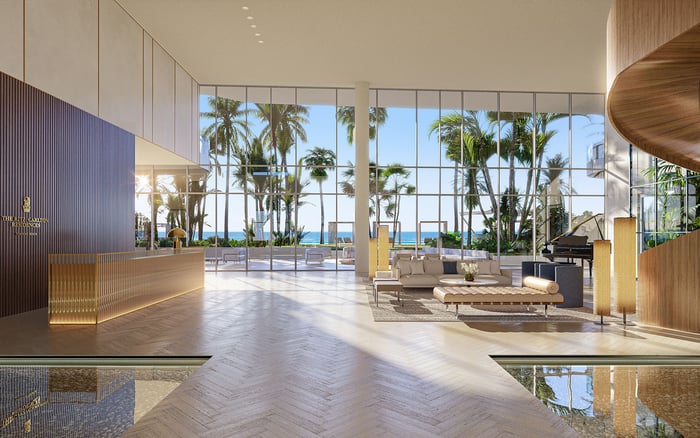
The clearest way to evaluate entertaining support is to walk through an imaginary evening in sequence. Start with guest arrival. Where does a car stop? How does a guest move from curb or valet to lobby, elevator, residence, dining space, terrace, powder room, and eventual departure? A luxury building can feel very different when twelve guests arrive within a short window.
Ask whether guests can be received without crowding the main lobby. Understand how private elevators, controlled-access elevators, front desk procedures, and security protocols affect the rhythm of arrival. If the residence will host older relatives, visiting executives, or out-of-town guests, the sequence should feel intuitive and dignified rather than procedural.
Within the residence, study circulation. A strong entertaining plan separates guest movement from service movement where possible. The kitchen should not become a visual or functional choke point unless it is intentionally designed for open, informal hosting. Powder rooms should be accessible without requiring guests to pass through private bedroom corridors. Coat storage, floral staging, bar setup, and glassware access matter more than many buyers expect.
This is where lifestyle becomes architecture. A residence may photograph beautifully, but the purchase decision should reflect how people move, gather, dine, and depart.
A private dining experience depends on much more than premium appliances. Buyers should evaluate whether the kitchen supports the type of entertaining they actually plan to do. A couple who hosts plated dinners with a private chef has different requirements than a family that prefers buffet-style holidays or terrace cocktails.
Look for preparation surfaces, refrigeration capacity, warming options, dish storage, pantry organization, and proximity to the dining area. If the kitchen is open to the living room, consider whether cooking aromas, noise, and cleanup will be visible during the event. If there is a secondary prep area, service pantry, or concealed storage, evaluate how it would work during a real evening rather than a staged showing.
Buyers should also ask building management direct questions about outside chefs and caterers. Are vendors required to submit insurance documents in advance? Are there approved hours for load-in and load-out? Can catering teams use service elevators? Is there a dedicated area for temporary staging or delivery drop-off? These are not glamorous questions, but they determine whether private dining feels seamless or improvised.
For buyers considering design-led residences such as Armani Casa Residences Pompano Beach, the evaluation should balance aesthetics with backstage performance. A refined interior is most successful when it allows service to disappear.
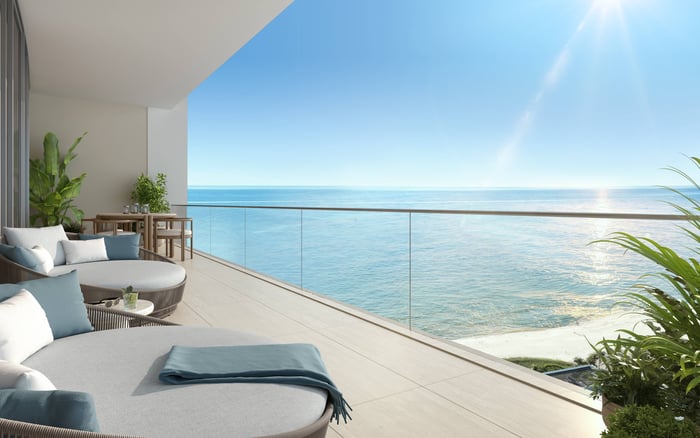
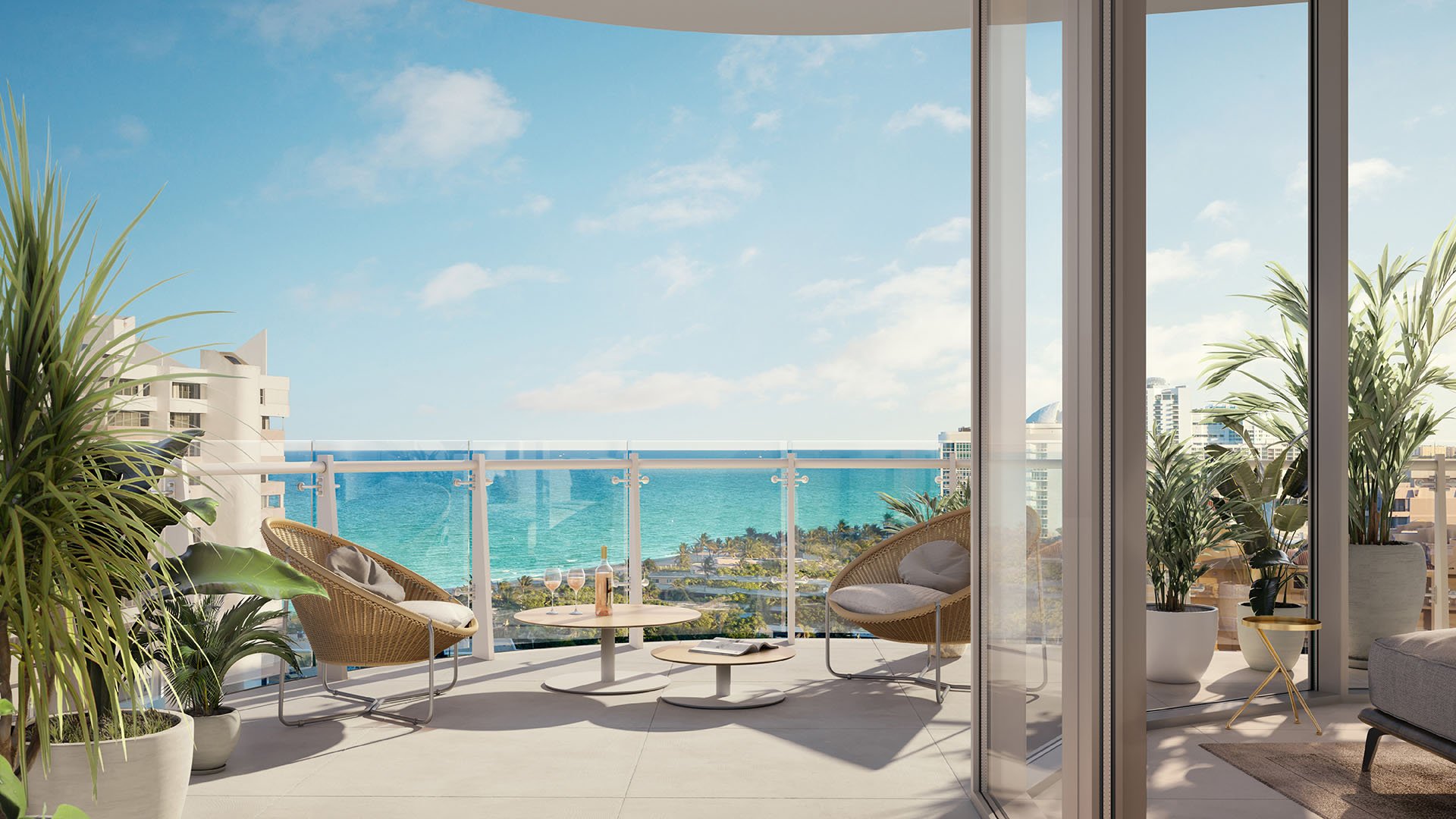
In coastal South Florida, a terrace can be the emotional center of an evening. It may frame the first cocktail, the after-dinner conversation, or the quiet moment that makes a residence memorable. Yet terrace entertaining requires practical examination.
Study depth, furniture placement, covered versus uncovered zones, lighting, power access, wind exposure, railing height, privacy from neighboring residences, and connection to the interior dining area. A narrow terrace may be beautiful for two people at sunrise but difficult for a standing reception. A deeper terrace may accommodate lounge seating, a service station, or a dining table, but only if circulation remains comfortable.
Buyers should also ask about grill policies, music restrictions, outdoor furniture rules, and event-hour guidelines. These details can shape how a home is used. A waterfront view is not the same as functional outdoor entertaining. The strongest residences make it easy to shift from dining room to terrace without interrupting the experience.
This is where waterfront, terrace, and marina considerations become practical, not decorative. If guests may arrive after boating, or if the evening may extend outdoors, the residence and building should support that rhythm without friction.
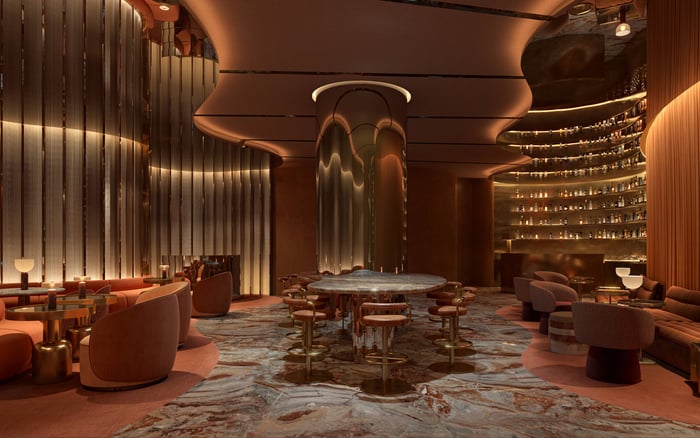
Private dining is not limited to the residence itself. In many luxury condominiums, building-level spaces extend the entertaining program. Private dining rooms, lounges, catering kitchens, club rooms, rooftop areas, pool decks, and outdoor terraces can be valuable, provided their rules and reservation systems are clear.
Ask how far in advance spaces can be reserved, whether deposits are required, how many guests are allowed, what catering restrictions apply, and whether staff assistance is available. Clarify cleanup responsibilities, audiovisual capabilities, restroom access, and whether residents can host events with nonresident guests. A beautiful common room is less valuable if the booking process is opaque or availability is limited during peak season.
Buyers comparing hospitality-influenced projects such as W Pompano Beach Hotel & Residences or Waldorf Astoria Residences Pompano Beach should look beyond brand language and ask how entertaining is operationally supported. Who coordinates reservations? What services are available to residents? Which spaces are private, shared, or subject to separate policies?
A building may offer impressive amenities, but ownership satisfaction comes from access, reliability, and discretion.
The best entertaining residences respect both host and neighbor. Buyers should pay attention to acoustic separation between living areas, bedrooms, adjacent units, hallways, and outdoor spaces. Open plans can be elegant, but sound travels differently when guests gather, music plays softly, or doors open to a terrace.
Privacy is equally important. Consider sightlines from neighboring balconies, pool decks, beachwalks, and adjacent towers. If a residence is intended for intimate dinners or discreet business hospitality, exposure should be studied at different times of day. Evening lighting can change the privacy equation substantially.
Ask for house rules before committing. Restrictions on guest counts, music, terrace use, delivery timing, and amenity reservations should align with your lifestyle. These rules are not merely limitations. In a well-run building, they protect the calm and value of the property. The key is alignment between the buyer’s hosting style and the building’s culture.
For some Pompano Beach buyers, entertaining may begin or end near the water. Even when a residence is not directly tied to a boat slip, a waterfront lifestyle can influence how guests arrive, how evenings are planned, and how storage or service needs are handled.
If boating is part of your routine, ask specific questions about marina access, guest coordination, loading zones, proximity to docks, and policies for deliveries related to onboard or waterfront entertaining. If guests may transition from boat to residence, the route should be considered with the same care as valet-to-table arrival.
Projects such as Ocean 580 Pompano Beach may attract buyers who value the broader coastal setting. In any waterfront or near-waterfront purchase, the buyer should separate view appeal from operating convenience. The best home is not only beautiful from the terrace. It also supports the way the owner actually entertains.
Before signing, buyers should request the condominium documents, amenity policies, vendor rules, and any available guidance on private events. They should ask management how residents typically reserve spaces, how outside vendors are approved, what guest procedures apply, and whether service elevators or loading zones can be scheduled.
Inside the residence, measure dining capacity honestly. Confirm where a chef would prep, where staff would stand, where empty glassware and used plates would go, and how guests would move if the weather shifts indoors. Walk the route from elevator to kitchen. Open closets. Test the terrace layout mentally. Imagine the end of the evening, when cleanup often reveals whether a home truly works.
For luxury buyers, the goal is not to maximize the number of guests. It is to preserve ease. The finest private dining residences create a calm sequence: arrival, welcome, aperitif, dinner, conversation, departure. Nothing feels crowded. Nothing feels improvised. The service is present when needed and invisible when not.
Why should private dining matter when buying in Pompano Beach? It affects how the home functions in real ownership, especially if hosting is part of your lifestyle.
What is the first entertaining feature buyers should evaluate? Start with guest flow from arrival to dining, terrace, restroom access, and departure.
Should buyers ask about outside chefs and caterers? Yes. Vendor approval, insurance, service elevators, and delivery rules can shape the entire experience.
Is a large terrace always better for entertaining? Not necessarily. Depth, coverage, privacy, wind exposure, and circulation matter as much as size.
How important are building amenity spaces? They can be highly valuable if reservations, guest policies, catering rules, and access are reliable.
What should buyers review in condominium documents? Review rules for guests, noise, terraces, deliveries, amenity reservations, and private events.
Can waterfront living complicate entertaining? It can, if access, wind, guest routes, or marina logistics are not considered before purchase.
What makes a residence feel discreet during events? Controlled arrival, acoustic comfort, thoughtful sightlines, and separated service movement all help.
Should buyers test the kitchen during a showing? They should assess prep space, storage, refrigeration, cleanup zones, and dining proximity carefully.
How can a buyer compare Pompano Beach residences for hosting? Compare the complete entertaining sequence, not only the view, finishes, or amenity names.
When you're ready to tour or underwrite the options, connect with MILLION.
If branded residences are on your mind — as a home or as an allocation — we would be glad to share what we are seeing, privately.
Begin a quiet conversation