A buyer-oriented look at how three distinct South Florida addresses can help frame a luxury search across Downtown Miami and West Palm Beach.
A serious South Florida search rarely begins and ends with one building. At the upper end of the market, buyers tend to study a set of addresses that clarifies priorities: the desired pace of daily life, the level of privacy, the role of design, the importance of service, and the practical question of how often the residence will be used. That is why Faena Residences Miami Downtown Miami, One Thousand Museum Downtown Miami, and Nora House West Palm Beach can sit together on a thoughtful short list, even though each points to a different residential mood.
The exercise is not about declaring one address superior. It is about understanding what each represents within a broader South Florida decision. Downtown Miami offers an urban, vertical, internationally legible setting. West Palm Beach offers a different cadence, with a growing luxury audience studying walkable districts, cultural access, and a refined residential scale. For buyers considering a primary residence, pied-à-terre, or second home, the comparison can be highly revealing.
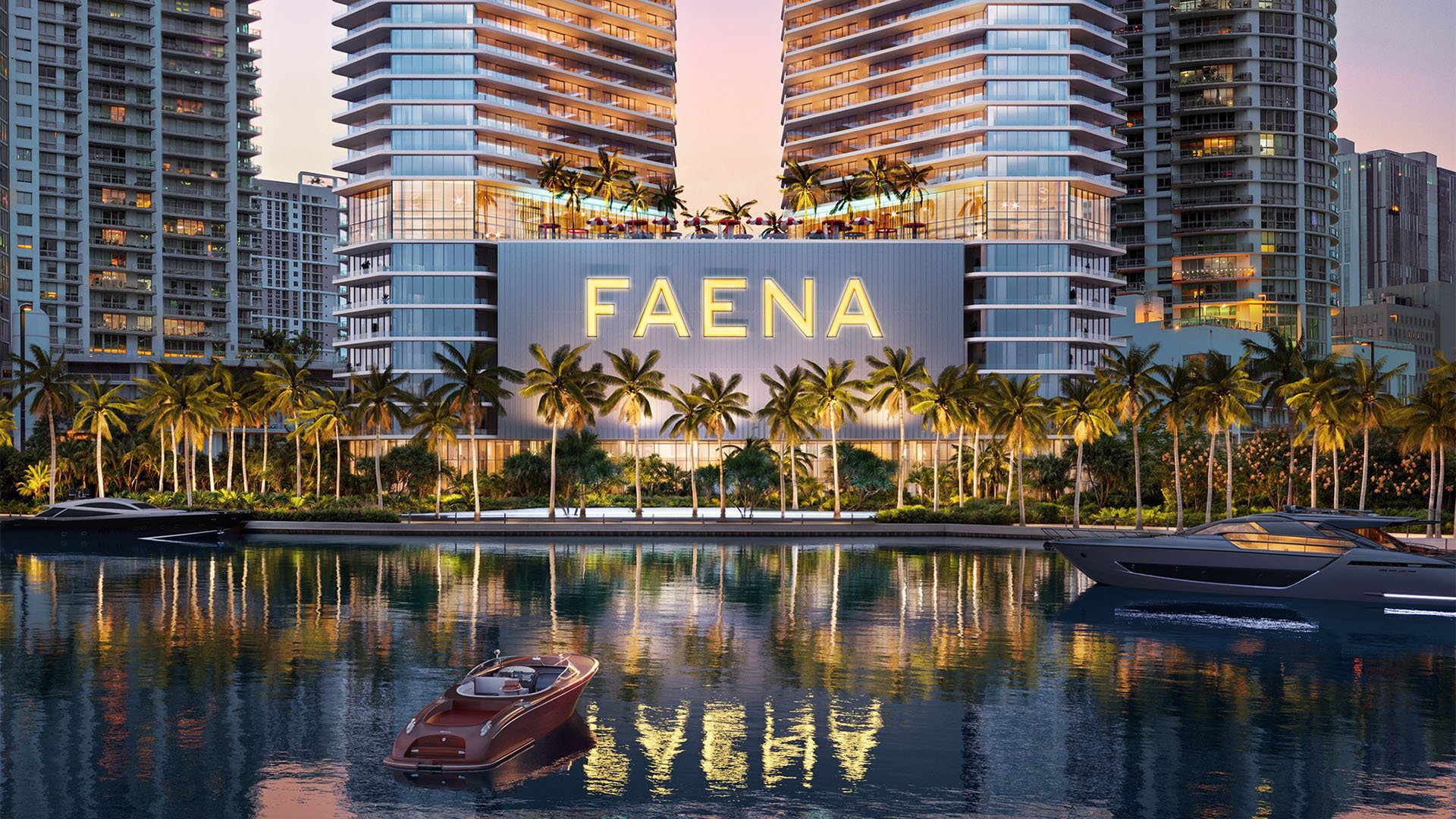
Downtown Miami has become one of the clearest places to evaluate vertical living in South Florida. The district appeals to buyers who want proximity to the city’s business, dining, arts, and waterfront energy without adopting a purely resort-style frame. In that context, Faena Residences Miami Downtown Miami may be studied by buyers drawn to a branded residential concept and the way a project’s identity can shape daily experience.
For many buyers, brand is not simply a name. It can influence expectations around arrival, amenity tone, hospitality sensibility, visual language, and the overall social atmosphere of the building. Those elements matter when a residence is used for entertaining, seasonal stays, or as an urban base connected to a larger lifestyle portfolio.
One Thousand Museum Downtown Miami enters the conversation from a different angle. One Thousand Museum Downtown Miami is often considered by buyers who want to understand how a highly recognizable Downtown Miami tower fits into the city’s luxury hierarchy. A buyer studying it alongside a newer or branded offering is effectively asking whether the premium should be placed on architectural presence, building culture, current availability, service structure, or future positioning.
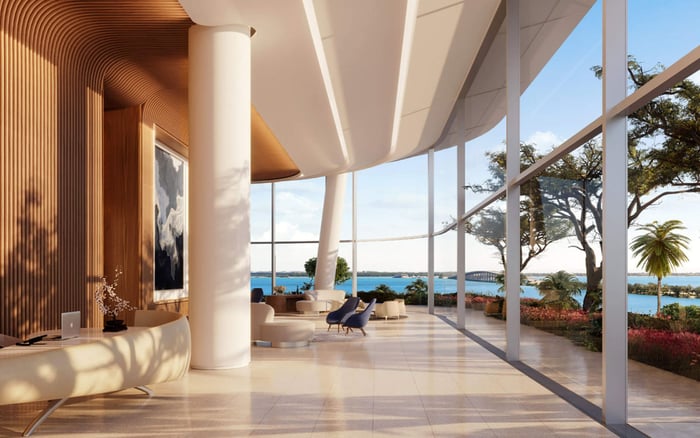
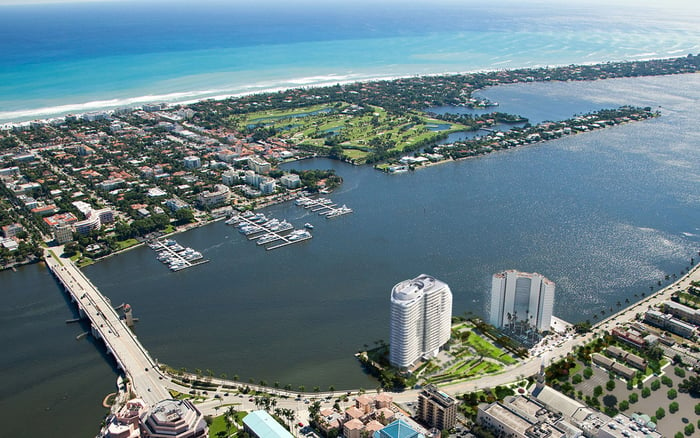
West Palm Beach brings another dimension to the short list. Buyers who include Nora House West Palm Beach are often considering whether Palm Beach County can deliver the right combination of neighborhood ease, access, and discretion. The question is less about replicating Miami and more about deciding whether a more measured daily rhythm better supports the way the residence will be used.
In that light, Nora House West Palm Beach gives the search a useful counterpoint. A buyer may be comparing the intensity of Downtown Miami with a West Palm Beach setting that feels more residential in tempo. For some, that shift can make the residence easier to use throughout the week. For others, Miami’s immediacy remains essential.
The best comparison does not reduce West Palm Beach to a secondary market. It treats it as its own choice, with its own lifestyle logic. Buyers should consider how they will move through the day, where they expect to dine, whether they prefer a quieter return home, and how often guests will be hosted. The answers can be more important than a headline price or a familiar skyline.
A disciplined comparison starts with use case. A full-time resident may prioritize storage, parking flow, building governance, school or office access, and the ease of daily errands. A seasonal buyer may focus more on arrival experience, lock-and-leave confidence, guest accommodations, and whether the building feels effortless after weeks away. An investor-minded owner will examine demand depth, rental rules, carrying costs, and resale liquidity.
Then comes the question of service. Luxury buyers often assume amenity volume is the measure of quality, but the more important issue is whether the service model matches the household’s expectations. Some owners want a highly active building with visible hospitality. Others prefer a more discreet residential environment where privacy dominates. The right answer depends on the buyer, not the brochure.
Design should also be evaluated with restraint. A dramatic lobby or view corridor can be persuasive, yet long-term satisfaction often rests on quieter details: ceiling feel, bedroom separation, terrace usability, acoustic comfort, elevator experience, and how the floor plan behaves when guests are present. In a new-construction search, it is especially important to separate rendered aspiration from lived utility.
The value of studying these three projects together is that each can sharpen a different question. Faena Residences Miami Downtown Miami can help a buyer assess the pull of brand, culture, and Downtown Miami energy. One Thousand Museum Downtown Miami can help frame the appeal of a recognizable tower environment in the same urban setting. Nora House West Palm Beach can test whether a calmer Palm Beach County rhythm is more aligned with the buyer’s long-term habits.
This is where buyer’s-guide thinking becomes useful. Instead of asking, “Which building is best?” a sophisticated buyer asks, “Which building best fits my real pattern of use?” That pattern includes work, guests, travel, family, privacy, wellness, entertaining, and eventual exit strategy. A residence that looks ideal on paper may feel less compelling if it complicates everyday life.
Carrying costs deserve equal attention. Monthly obligations, reserves, insurance, assessments, and building policies can influence the true cost of ownership. Governance matters as well. A beautifully positioned building still requires clarity on rules, renovation policies, pet policies, leasing restrictions, and how decisions are made by the association or project leadership.
South Florida’s luxury market is not one single lifestyle. It is a collection of highly specific residential cultures. Downtown Miami, Brickell, Miami Beach, Coconut Grove, Surfside, Fort Lauderdale, Boca Raton, and West Palm Beach can all attract affluent buyers, yet each operates with a distinct emotional and practical vocabulary. The smartest short list compares not just buildings, but the life each building makes easier.
For a buyer deciding among Faena Residences Miami Downtown Miami, One Thousand Museum Downtown Miami, and Nora House West Palm Beach, the next step is not to rush toward a favorite. It is to walk the surrounding streets at different times of day, study actual layouts, review building documents, compare total ownership costs, and decide which environment feels natural rather than merely impressive.
The strongest purchase is usually the one that remains compelling after the initial theater fades. It should feel right on a quiet weekday morning, during a hosted dinner, after a long flight, and in the practical moments that define ownership. That is the standard ultra-premium buyers should bring to every South Florida short list.
Why compare Downtown Miami and West Palm Beach in the same search? They offer different residential rhythms. Comparing both helps buyers decide whether urban intensity or a more measured daily setting better fits their life.
Is this short list only for primary residents? No. It can be useful for primary buyers, seasonal owners, and second-home purchasers who want to clarify how they will actually use the residence.
How should buyers think about branded residences? Brand can influence service expectations, design language, and building atmosphere. Buyers should still verify the practical details behind the experience.
What matters most in a Downtown Miami condominium search? Buyers should weigh location, floor plan, views, service model, building culture, and total ownership costs together rather than isolating one feature.
Why might a buyer study One Thousand Museum Downtown Miami? It can help frame expectations for a recognizable Downtown Miami tower and how that type of address fits a broader luxury portfolio.
Why include Nora House West Palm Beach in the comparison? It introduces a West Palm Beach perspective, which may appeal to buyers seeking a different pace and neighborhood experience.
Should amenities drive the final decision? Amenities matter, but they should support daily life. The better test is whether the building’s services and spaces match the owner’s habits.
What documents should buyers review before committing? Buyers should review association materials, budgets, rules, leasing policies, insurance context, and any relevant purchase documents with qualified advisors.
Can a short list include very different buildings? Yes. A varied short list often reveals priorities faster than comparing only similar properties within one neighborhood.
What is the best next step after narrowing the list? Schedule private tours, compare real carrying costs, and revisit each location at different times to test how the setting feels in practice.
When you're ready to tour or underwrite the options, connect with MILLION.
If branded residences are on your mind — as a home or as an allocation — we would be glad to share what we are seeing, privately.
Begin a quiet conversation