A practical buyer’s guide to the insurance binder questions luxury purchasers should ask before committing to Hallandale Beach real estate, with emphasis on timing, documentation, lender coordination, and closing risk.
In Hallandale Beach, even the most elegant purchase can hinge on an unglamorous detail: when the insurance binder can be issued. For high-value coastal real estate, the question is not simply whether coverage appears available. It is whether the buyer can deliver acceptable proof of coverage at the precise moment the lender, title team, association, and closing schedule require it.
A binder is typically treated as temporary evidence that coverage is in place or ready to be placed, subject to the terms of the carrier and the transaction. For a luxury buyer, the timing of that document can affect financing, escrow comfort, and the ability to close without last-minute renegotiation. It deserves the same attention as inspection windows, condominium documents, and deposit milestones.
That is especially true when the residence is Oceanfront, Waterfront, or within a building where association-level insurance and unit-level coverage must align. In a market shaped by privacy, architecture, amenities, and views, disciplined insurance sequencing is part of sophisticated ownership.
The first question is direct: at what point can the binder be issued, and what must happen before that date? A casual assurance that coverage is “not a problem” is not the same as a calendar-specific answer. Buyers should ask whether the carrier needs a completed application, lender clause, inspection details, association documents, proof of prior coverage, payment, or other underwriting items before a binder can be released.
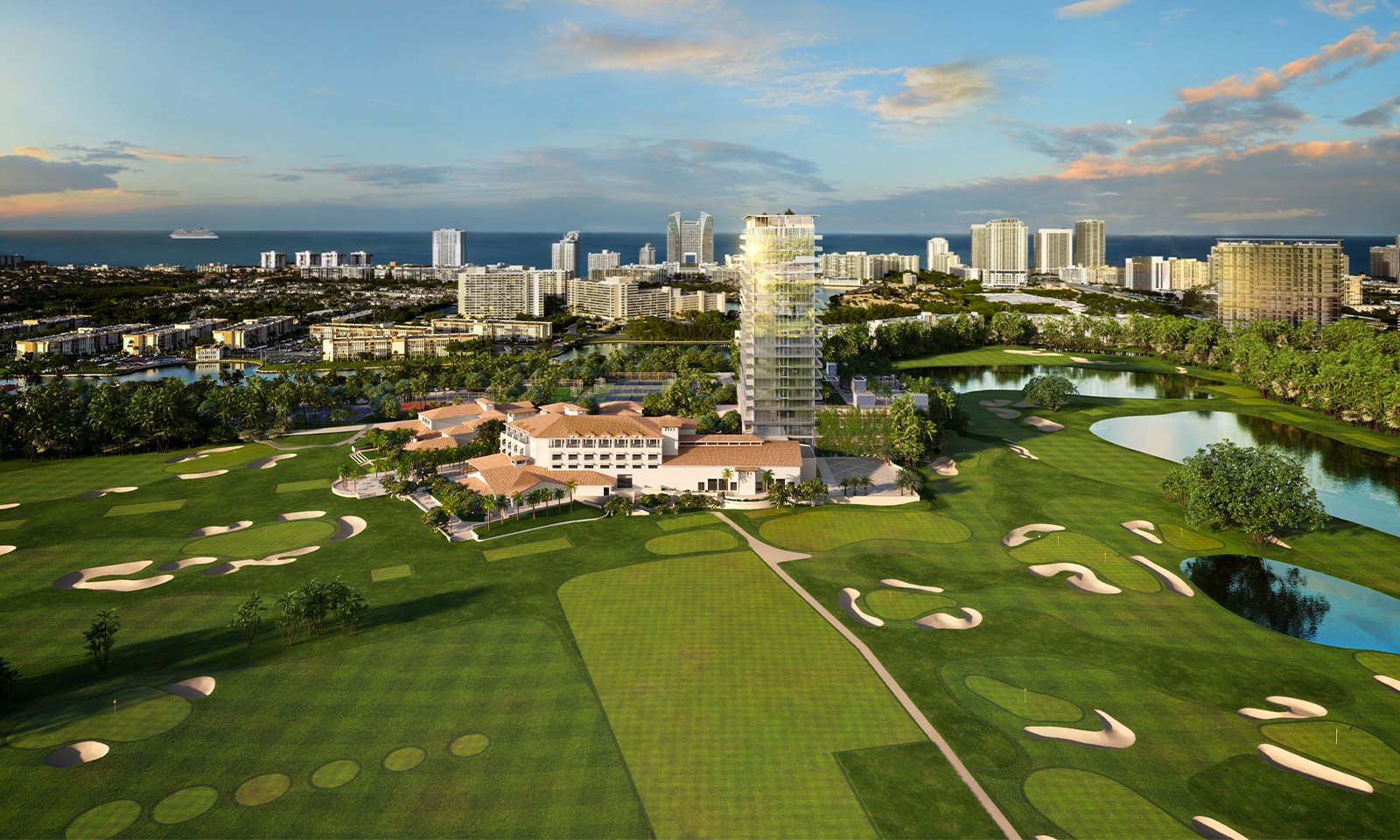
In Hallandale Beach, where buyers may be comparing trophy condominiums and club-oriented residences such as Shell Bay by Auberge Hallandale, the binder conversation should begin before the contract becomes emotionally fixed. The more complex the asset, the more important it is to understand which documents are needed, who controls them, and how quickly they can be obtained.
A prudent buyer asks for the anticipated binder date in writing from the insurance adviser, then compares it with the financing contingency, association approval process, and closing deadline. If those dates do not align, the contract team should know early.
Different parties may need different forms of insurance evidence. A lender may require one set of details. A title or escrow team may request another. A condominium association may have separate requirements for owner coverage, master policy information, or additional documentation before closing.
The key question is: who must receive the binder, by what date, and with what exact wording? Luxury buyers should not assume that a general quote, summary page, or informal email will satisfy every party. Ask whether the mortgagee clause is correct, whether the insured name matches the purchasing entity, and whether any trust, LLC, or family office structure changes the paperwork.
At 2000 Ocean Hallandale Beach and other upper-tier Hallandale settings, buyers often focus on finish level, exposure, and lifestyle. Those details matter, but the closing file still needs precision. A name mismatch or missing lender language can create friction when everyone expects a seamless final week.
For condominium purchases, the unit owner’s policy is only part of the picture. Buyers should ask when the building’s master insurance information will be available, who will provide it, and whether the lender has already reviewed it. The goal is not to interpret the association’s policy without professional guidance. The goal is to avoid discovering late that someone still needs documentation.
A buyer should ask whether the insurance adviser has reviewed the association materials alongside the proposed unit coverage. If the purchase involves a renovation plan, designer build-out, valuable contents, art, or temporary occupancy, those intentions should be disclosed before binding. The binder should reflect how the residence will actually be owned and used, not merely the minimum needed to pass a closing checklist.
For Broward buyers considering luxury coastal alternatives, the same discipline applies beyond Hallandale. Residences such as Auberge Beach Residences & Spa Fort Lauderdale may appeal to those drawn to resort-caliber oceanfront living, but the insurance file still needs building-level and owner-level coordination.
A binder may depend on payment timing. Buyers should ask when premium funds must be delivered, whether payment must clear before the binder is effective, and whether the policy can be cancelled or revised if underwriting later identifies an issue. The cleanest closing is one where the buyer knows exactly what must be paid, when it must be paid, and what happens after closing.
This question matters for cash buyers as well as financed buyers. A cash purchase may remove lender requirements, but it does not remove the owner’s need for thoughtful risk planning. In a high-value residence, self-insuring by accident is not a strategy. It is an avoidable gap created by timing.
Ask also whether the binder period comfortably covers the scheduled closing date, including any expected extension. Luxury closings can move because of association approvals, entity documents, international wires, or final walk-through concerns. Insurance timing should be flexible enough to accommodate the realities of a significant transaction.
The best time to address binder timing is before deposit exposure becomes meaningful. Buyers should consider asking their real estate adviser and attorney how insurance deadlines interact with the contract’s contingency structure. If proof of insurability is important, it should be discussed before the buyer is relying on optimism.
In a Hallandale Beach purchase, a practical sequence may include requesting early insurance indications, gathering association documents quickly, confirming lender requirements, and setting a binder target several days before closing. The exact sequence will vary by transaction, but the principle is constant: insurance should not be compressed into the final hours.
For buyers comparing Hallandale with nearby Pompano Beach, properties such as Armani Casa Residences Pompano Beach illustrate why coastal elegance and insurance preparation belong in the same conversation. The more refined the residence, the less tolerance there should be for administrative uncertainty.
Before buying, ask your insurance adviser these questions: when can the binder be issued, what documents are still missing, who must approve the file, what could delay binding, and what date should be treated as the latest safe deadline? Then ask your lender what evidence is acceptable, your title team when it needs the binder, and your attorney whether the contract gives enough room to resolve insurance issues.
Ask the association or seller-side team how quickly building insurance information can be delivered. Ask whether any planned renovation, rental, vacancy period, valuable personal property, or ownership entity needs to be disclosed before binding. Ask whether changes between contract and closing could require a binder revision.
Hallandale buyers should treat these questions as due diligence, not afterthoughts. The objective is simple: enter closing week with the insurance file already aligned, rather than asking a carrier, lender, and association to move in perfect unison at the last minute.
What is an insurance binder in a luxury real estate purchase? It is temporary evidence that insurance coverage is in place or prepared for the transaction, subject to the terms of the insurer and policy.
When should I start asking about binder timing? Begin before or immediately after contract execution, especially if financing, association approval, or a tight closing date is involved.
Is binder timing different for a condominium? It can be, because the buyer’s unit coverage may need to coordinate with the building’s master insurance information and lender requirements.
Should cash buyers still care about binder timing? Yes. Without lender pressure, the owner still needs coverage to be thoughtfully arranged before taking title.
Who should confirm the binder deadline? Your insurance adviser, lender, title team, and attorney should all understand the deadline and the form of evidence required.
Can an ownership entity affect the binder? It may. If a trust, LLC, or other structure is buying, ask early how the insured name and documentation should be prepared.
What documents might be needed before a binder is issued? Ask about applications, lender information, association insurance materials, payment details, and any property-specific underwriting items.
Should renovation plans be disclosed before binding? Yes. Planned renovations, occupancy changes, or valuable contents can affect how coverage should be structured.
What is the biggest binder timing mistake? Waiting until closing week to discover that a lender, association, or insurer still needs information before accepting the file.
How should Hallandale buyers approach insurance timing overall? Treat it as a core due-diligence item, aligned with contract dates, financing deadlines, and the closing calendar.
If you'd like a private walkthrough and a curated shortlist, connect with MILLION.
If branded residences are on your mind — as a home or as an allocation — we would be glad to share what we are seeing, privately.
Begin a quiet conversation