A discreet buyer’s guide to evaluating whether Key Biscayne truly improves the private-aviation routine, from rehearsed transfers to building-level logistics and lifestyle tradeoffs.
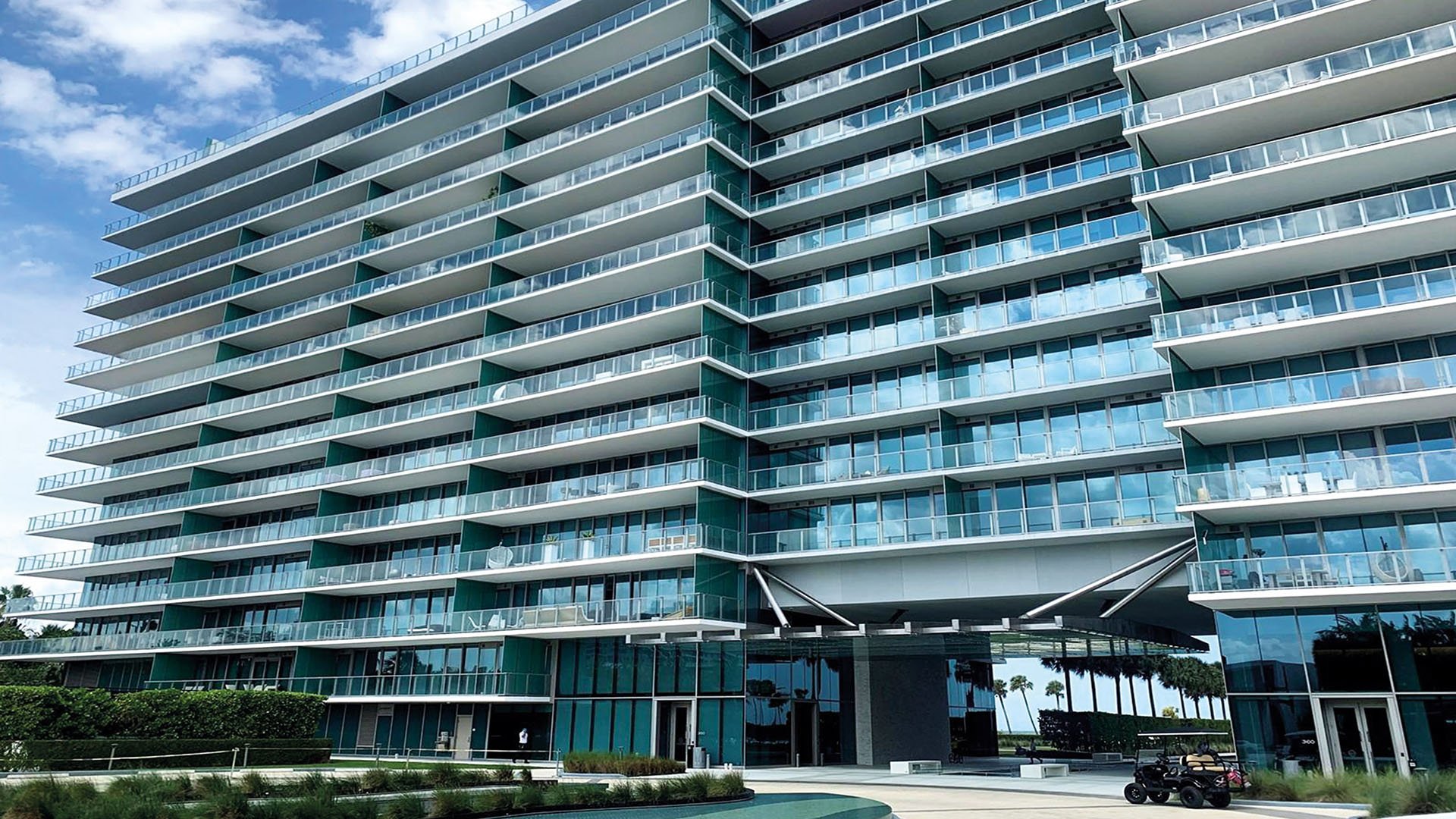
For many high-net-worth buyers, Key Biscayne has immediate emotional appeal: a quieter island rhythm, a sense of separation from the city, and a residential setting that can feel more private than Miami’s denser corridors. For a buyer whose calendar is shaped by private aviation, however, the more important question is not simply whether the drive is shorter. It is whether the full routine becomes easier, more discreet and more dependable.
A shorter private-aviation routine is a chain of small decisions. It begins inside the residence, continues through the building or estate arrival sequence, moves into the car, and then flows through traffic, security, luggage handling, crew coordination and the final walk to the aircraft. If any link feels uncertain, the headline convenience may not translate into lived ease.
That is why a buyer considering Oceana Key Biscayne or any other Key Biscayne residence should evaluate aviation as a lifestyle system, not a commute. The strongest purchase decision is the one that aligns island calm with the way the buyer actually departs, returns, hosts and moves.
The most useful test is not a polished showing-day drive. It is a realistic rehearsal. A buyer should simulate the journey with the same luggage, family members, staff, pets, security protocols and vehicle preferences that would be used on a real travel day. If the household typically leaves early, returns late, travels with children or coordinates with assistants, those conditions should be part of the test.
A single pleasant route can be misleading. Run the transfer on a weekday, on a weekend, during a dinner-hour return and after a social event. Notice whether the experience remains composed or depends on perfect timing. Private aviation is often valued because it removes friction from the travel day. The residence should not quietly reintroduce that friction before the aircraft is reached.
Buyers should also test the reverse journey. The return trip can reveal issues the outbound transfer conceals: fatigue, delayed baggage handling, driver access, guest confusion, parking constraints and the need for privacy after a long flight. A residence that feels glamorous at departure but awkward at arrival is not truly optimized for aviation.
Key Biscayne may be the right answer for buyers who want residential quiet as the reward for frequent travel. Yet every purchase should be measured against the full Miami map. If a buyer’s business, dining, school, wellness or cultural routine is concentrated elsewhere, the shorter aviation transfer may be offset by daily movement across the city.
This is where comparison becomes clarifying. A buyer who values immediate urban access may use The Residences at 1428 Brickell as a benchmark for a Brickell lifestyle, then ask whether Key Biscayne’s calm is worth the trade. A buyer drawn to a softer residential setting may compare the island with Vita at Grove Isle and the broader Coconut Grove rhythm. Those seeking an even more insulated island profile may place The Residences at Six Fisher Island in the conversation.
None of these comparisons should be reduced to a map pin. The real evaluation is personal: where does the buyer feel most restored after travel, most protected before travel and most efficient between trips? Waterfront views, garden privacy, club life, school access and social gravity all matter because aviation is only one part of the owner’s weekly architecture.
Before focusing on price, a serious buyer should create a private-aviation scorecard. The categories should be practical and specific. How predictable is the door-to-aircraft sequence? How private is the vehicle staging? Can luggage move without drawing attention? Is the arrival path intuitive for guests? Does the building or estate support a staffed household without improvisation?
The scorecard should also include emotional criteria. Does the routine feel calm? Does the buyer arrive at the aircraft composed, or already depleted? Does the return home feel gracious, or does it require too much coordination? Ultra-prime real estate is not only a financial asset. It is an instrument for preserving time, focus and energy.
For a second-home buyer, consistency can be more valuable than occasional speed. If the property will be used seasonally, by family members or by guests arriving independently, the routine must be easy to explain and repeat. The best address is one that functions smoothly even when the owner is not personally managing every detail.
In condominium living, the aviation routine begins long before the car reaches the street. Buyers should ask how vehicles are received, where drivers wait, how luggage is handled, how service elevators function and whether staff can coordinate departures without disrupting privacy. A beautiful residence can still be compromised by an awkward loading sequence.
In single-family settings, the questions are different but equally important. Is there comfortable covered arrival? Can multiple cars stage discreetly? Can security, household staff and guests move without congestion? Does the garage configuration support the vehicles used for airport transfers? The answer may determine whether a shorter route actually feels shorter.
Attention should also be paid to guests. Many Key Biscayne owners host family, friends and business associates. If guests will arrive by private aircraft, the home should make their transfer feel effortless. Clear directions, simple arrival choreography and a gracious first impression are part of the property’s value.
Aviation convenience can justify stronger interest, but it should not replace due diligence. A buyer should treat the shorter routine as one component of the total value picture, alongside privacy, views, building quality, residence layout, long-term desirability and personal fit. If the aviation sequence is demonstrably better than the alternatives, it can become a meaningful reason to move decisively.
The most disciplined approach is to document the routine before negotiations. Record the experience, not just the timing. Was the transfer serene? Were there bottlenecks? Did the home support preparation and return? Did the buyer feel that the property improved life beyond the aircraft schedule? These impressions are often more revealing than any abstract promise of convenience.
For Key Biscayne, the strongest case is not merely that it can feel close to the aviation routine. It is that it may allow a buyer to return from the world into a setting that feels genuinely removed. That sense of arrival, if confirmed by real-world testing, is the luxury worth underwriting.
Should I buy in Key Biscayne solely for a shorter private-aviation routine? No. Treat aviation convenience as one important factor within the broader purchase decision, including privacy, lifestyle, views and daily movement.
How should I test the route before buying? Rehearse the full journey under real conditions, using the same car, luggage, staff and family arrangements you would use on an actual travel day.
Is the return trip as important as the departure? Yes. Late arrivals, baggage handling and privacy on return often reveal whether the residence truly supports frequent travel.
What should condominium buyers ask about? Ask about vehicle staging, luggage movement, service elevators, guest access, staff coordination and privacy during departures and arrivals.
What should single-family buyers examine? Study covered arrival, garage usability, car staging, security flow and whether the property can handle multiple travelers discreetly.
How does Brickell compare with Key Biscayne for aviation-minded buyers? Brickell may suit buyers who prioritize urban access, while Key Biscayne may appeal to those who want a calmer residential return.
Why compare Coconut Grove with Key Biscayne? Coconut Grove can offer a softer residential rhythm, making it a useful reference point for buyers weighing island quiet against mainland access.
Does waterfront living matter to the aviation routine? Waterfront living matters if the view, privacy and sense of decompression improve the owner’s experience before and after travel.
Should guest arrivals be part of the evaluation? Yes. If family or business guests will arrive often, the transfer should be simple, discreet and easy for staff to coordinate.
What is the best way to shortlist comparable options for touring? Start with location fit, delivery status, and daily lifestyle priorities, then compare stacks and elevations to validate views and privacy.
When you're ready to tour or underwrite the options, connect with MILLION.
If branded residences are on your mind — as a home or as an allocation — we would be glad to share what we are seeing, privately.
Begin a quiet conversation