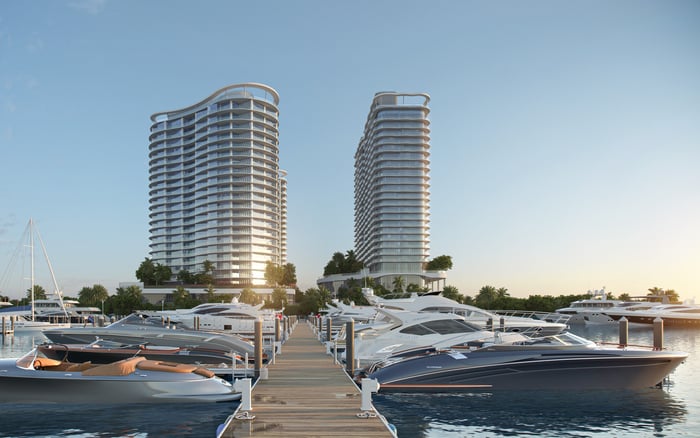
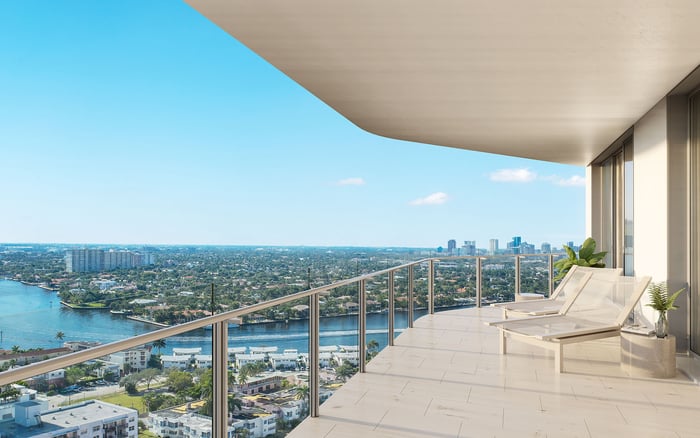
A discreet buyer’s guide to understanding special-assessment culture at Riva Residenze Fort Lauderdale, from reserves and minutes to waterfront capital planning.
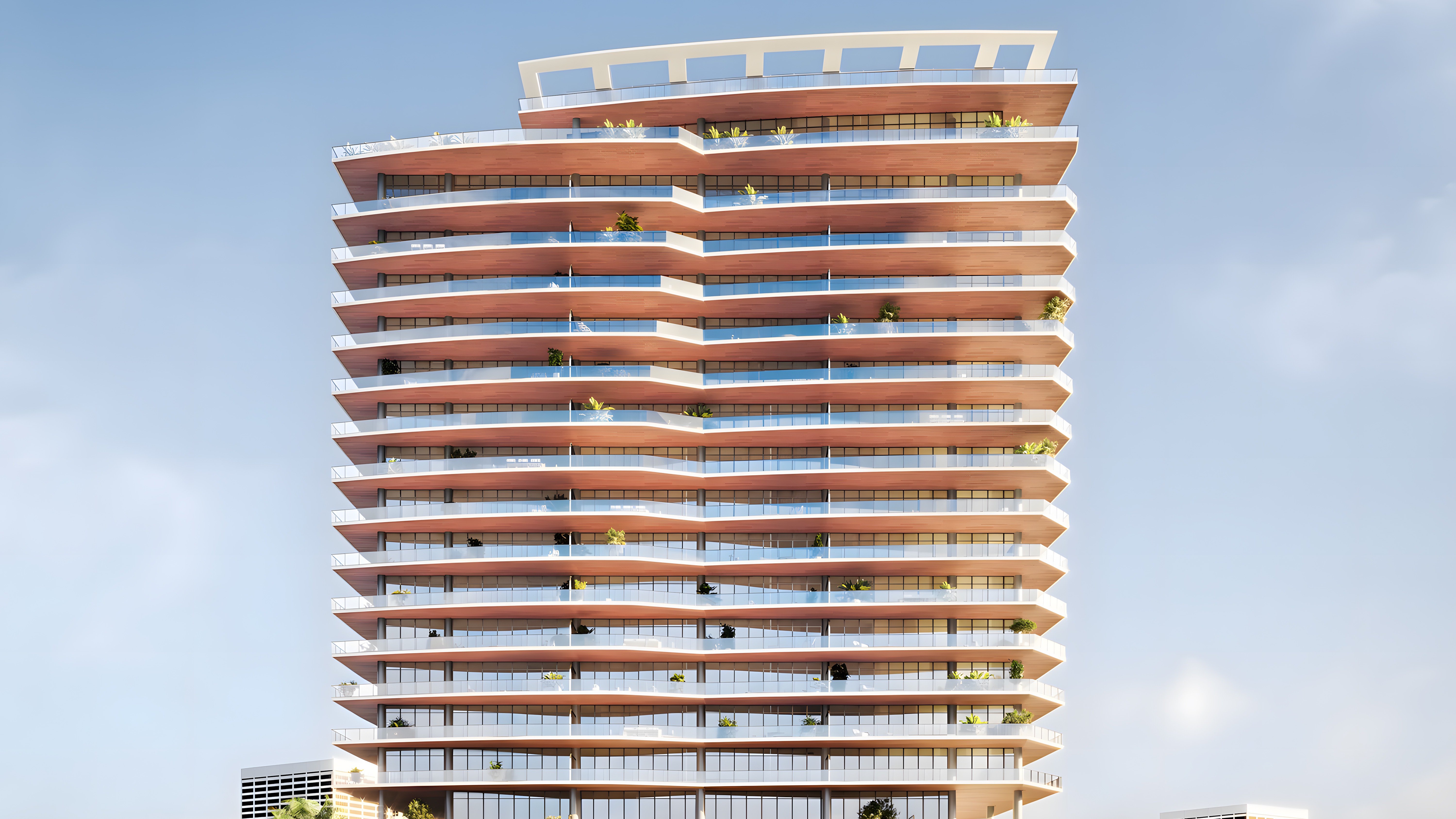
For a buyer considering Riva Residenze Fort Lauderdale, the sharper question is not simply, “Has there ever been a special assessment?” It is, “How does this condominium community approach capital needs, owner communication, and long-term stewardship?” That is the difference between a line item and a culture.
Special-assessment culture is the pattern behind the numbers. One building’s assessment history may reflect disciplined planning, with owners funding necessary work through advance notice and clear documentation. Another may reveal a less comfortable rhythm: low monthly dues, delayed decisions, urgent repairs, and surprise funding requests. For a luxury buyer, especially one accustomed to institutional-grade asset review, that distinction matters.
Riva is positioned as a boutique luxury waterfront condominium in Fort Lauderdale rather than a large hotel-branded oceanfront tower. That boutique profile is part of its appeal, but it also makes due diligence more intimate. In a smaller association, major projects are spread across fewer residences, which can make each owner’s exposure more meaningful than it might be in a much larger tower.
Begin with a complete history of special assessments. The request should cover dates, amounts, stated reasons, payment terms, and whether each assessment was planned or urgent. A simple yes-or-no answer is not enough. The pattern is the point.
Ask whether prior assessments were connected to emergency repairs, deferred maintenance, insurance increases, amenity upgrades, regulatory compliance, or reserve shortfalls. Each category tells a different story. An assessment for essential waterproofing or mechanical work may signal prudent protection of the asset. An assessment caused by a funding gap may call for closer review of budgeting habits. An assessment for discretionary improvements may be entirely rational if owners chose to keep the building competitive, but buyers should understand whether that appetite is likely to continue.
This is where Fort Lauderdale comparisons can be useful, not as a ranking exercise, but as context. Buyers looking across the city may also evaluate resort-oriented options such as Four Seasons Hotel & Private Residences Fort Lauderdale or marina-focused luxury settings such as St. Regis® Residences Bahia Mar Fort Lauderdale. Riva’s appeal is different, so its association documents should be interpreted through its own scale, waterfront setting, and owner profile.
The reserve study, current reserve balances, reserve-funding policy, and any board discussion of future funding gaps should be reviewed as a single package. Too often, buyers receive condominium documents in fragments and miss the relationship between them. The budget may appear manageable, while minutes point to upcoming projects. Reserve balances may seem adequate until engineering comments identify near-term work.
The key question is whether the association has historically kept monthly dues artificially low and relied on assessments later, or whether it has budgeted proactively for capital needs. Luxury buyers often prefer predictability, even when monthly carrying costs are higher. A well-funded reserve posture can be less dramatic than a low-fee building that later asks owners to fund large projects outside the regular budget.
Ask for the condominium documents, budget, financial statements, reserve materials, insurance information, estoppel certificate, and recent board minutes together. This is the financial anatomy of the building. No single document can answer the culture question alone.
Board minutes and owner-meeting minutes reveal how decisions are discussed. Look for whether special assessments were raised early, whether alternatives were considered, whether owners received advance notice, and whether the board explained its reasoning clearly.
Transparency is not the absence of disagreement. In high-value condominiums, serious capital decisions often involve debate. What matters is whether the association communicates in a timely, organized, and credible way. Minutes that show thoughtful planning, owner engagement, and clear sequencing can be reassuring. Minutes that show repeated last-minute action deserve closer questions.
This is especially relevant in Broward’s luxury condo market, where sophisticated buyers are not only purchasing finishes, views, and amenities. They are buying into governance. For discerning buyers, that governance layer is often where long-term satisfaction is protected.
Riva’s waterfront setting makes certain due-diligence topics particularly important. Storm exposure, flood risk, drainage, seawall, dock, and exterior-maintenance planning should not be treated as generic footnotes. They are part of the property’s capital profile.
Ask whether any engineering, structural, waterproofing, facade, roofing, elevator, mechanical, garage, or pool-deck reports identify upcoming repair costs. Then ask whether those costs are already funded, likely to be funded through reserves, or potential candidates for a future special assessment.
A waterfront building’s beauty is inseparable from its maintenance obligations. The same setting that provides views, breezes, and boating proximity can also require disciplined attention to exterior systems and water-facing infrastructure. That is not a reason to avoid the asset. It is a reason to underwrite it intelligently.
Buyers comparing Riva with nearby lifestyle-driven projects such as Sixth & Rio Fort Lauderdale should keep the conversation specific to each building’s structure, setting, and association responsibilities. The right questions are less about broad neighborhood preference and more about how each property plans for its own capital future.
Not all assessments carry the same meaning. A necessary infrastructure assessment may be a sign of responsible ownership if the work protects the building and preserves long-term value. A discretionary amenity assessment may reflect a community that wants to maintain a competitive luxury experience.
The risk is confusion. Buyers should distinguish between work that must be done and work owners choose to do. Common-area finish upgrades, amenity refreshes, and lifestyle enhancements may be attractive, but they can also indicate a culture that is comfortable asking owners for additional capital to elevate the resident experience.
That culture may suit some buyers. Others may prefer a more conservative association focused primarily on core building systems. Neither approach is automatically superior. The key is alignment between the buyer’s expectations and the association’s historical behavior.
Before inspection and contract deadlines, the seller, association, and property manager should be asked to disclose any pending, approved, proposed, or rumored assessments. The phrasing matters. “Pending” and “approved” may not capture early-stage board discussions or owner chatter about likely needs.
Ask whether insurance premium increases, higher deductibles, or uncovered losses have ever triggered or may trigger a special assessment. Insurance is an increasingly important part of condominium budgeting, and buyers should understand whether the association has absorbed increases through regular dues, reserves, or owner assessments.
A careful buyer should also request a multi-year capital plan covering major building systems, common-area finishes, waterfront elements, and amenities. If the association can articulate what is likely ahead, when it may occur, and how it expects to fund the work, that speaks to planning discipline.
For buyers also surveying broader South Florida luxury options, other Fort Lauderdale and Broward condominium communities can help frame how different buildings present their lifestyle and asset-management priorities. Still, the final decision at Riva should rest on Riva’s own documents, meetings, reserves, and capital plan.
Special assessments are not automatically red flags. In a well-run condominium, they can be part of a deliberate capital strategy. The concern is not the existence of assessments, but the absence of planning, clarity, owner buy-in, or adequate reserve discipline.
At Riva Residenze Fort Lauderdale, the most refined due diligence is both financial and cultural. It asks how the association makes decisions, how early it communicates, how honestly it budgets, and how carefully it maintains a waterfront asset. A luxury residence is not only a private interior. It is a shared building, a shared balance sheet, and a shared standard of care.
What is special-assessment culture in a condominium? It is the pattern of how an association plans, communicates, funds, and gains owner support for costs outside regular dues.
Should I avoid Riva if there has been a prior assessment? Not necessarily. The reason, timing, documentation, and owner communication behind any assessment matter more than its mere existence.
What documents should I request first? Ask for condominium documents, budgets, financial statements, reserve materials, insurance information, estoppel materials, and recent minutes together.
Why are board minutes important? Minutes can show whether assessment discussions were transparent, timely, and tied to a credible capital plan.
How does Riva’s boutique scale affect assessment risk? Major projects may be shared among fewer residences, which can make each owner’s share more meaningful.
What waterfront items deserve special attention? Ask about storm exposure, flood risk, drainage, seawall, dock, waterproofing, exterior maintenance, and related capital planning.
Are amenity assessments different from repair assessments? Yes. Necessary infrastructure work protects the asset, while discretionary amenity upgrades reflect owner choices about competitiveness and lifestyle.
What should I ask about reserves? Request the reserve study, current balances, funding policy, and any board discussion of future gaps.
Can insurance costs lead to assessments? They can, so buyers should ask whether premium increases, deductibles, or uncovered losses have triggered or may trigger owner funding.
When should these questions be asked? Ask before inspection and contract deadlines, while there is still time to evaluate disclosures and negotiate appropriately.
For a discreet conversation and a curated building-by-building shortlist, connect with MILLION.
If branded residences are on your mind — as a home or as an allocation — we would be glad to share what we are seeing, privately.
Begin a quiet conversation