A discreet buyer’s guide to evaluating outdoor kitchen durability in Fisher Island luxury real estate, from marine-grade materials and appliance protection to terrace drainage, warranties, and long-term service access.

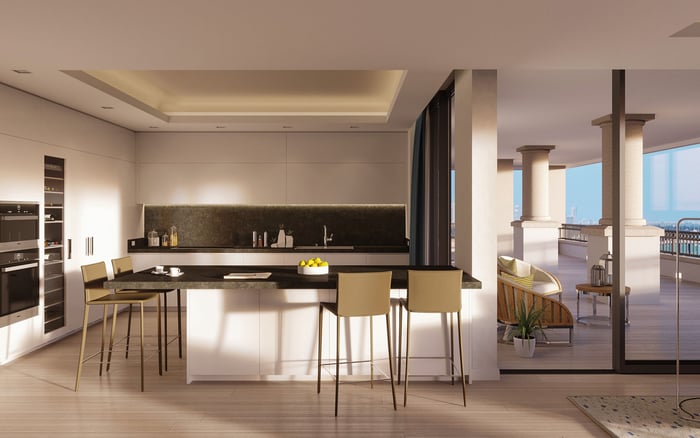
On Fisher Island, an outdoor kitchen is not a casual amenity. It is part of how a residence lives: morning coffee after a swim, quiet family dinners, catered evenings, and long views over the water. It is also among the most exposed elements of a luxury property. Salt air, bright sun, heat, wind, and repeated use can turn a beautiful installation into a maintenance liability when details were chosen for appearance rather than endurance.
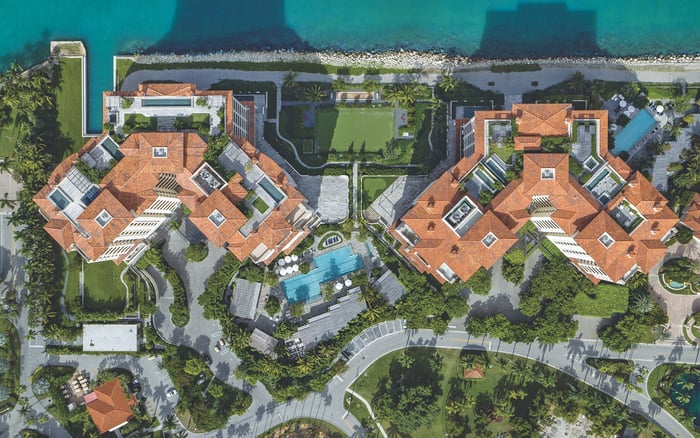
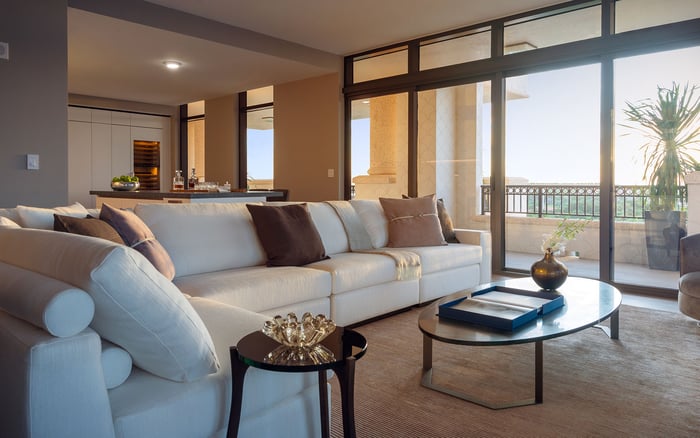
For buyers, the right question is not simply whether the outdoor kitchen looks new. The sharper question is whether it was specified, installed, protected, and maintained for a waterfront environment. That distinction matters across condominium terraces, penthouse entertaining areas, and estate-style residences. Whether touring The Residences at Six Fisher Island or comparing private-home opportunities such as The Links Estates at Fisher Island, outdoor cooking space deserves the same scrutiny as millwork, glazing, mechanical systems, and structural condition.
This belongs on the practical side of MILLION Buyer's Guides: ask precise questions early, request documentation, and separate showroom polish from long-term resilience.
A durable outdoor kitchen begins with the materials you cannot easily change. Ask what the cabinetry is made of, how it is framed, and whether hinges, pulls, tracks, and fasteners were selected for exterior use. In a high-end residence, the cabinetry may appear monolithic and seamless, but the hardware behind it often determines how gracefully it ages.
Stone and countertop surfaces deserve the same scrutiny. Ask whether the slab is appropriate for heat, moisture, staining, and ultraviolet exposure. If the counter has visible seams, ask how they were sealed and whether movement, water intrusion, or discoloration has appeared over time. A dramatic stone surface may photograph beautifully, but its performance depends on porosity, finish, installation, and care.
Also ask about backing materials, substrate, and waterproofing. Buyers often focus on the grill, wine cooler, or pizza oven while overlooking the enclosure that supports them. The most expensive appliance will not compensate for a poorly protected cabinet cavity.
An outdoor kitchen should be evaluated appliance by appliance. Ask whether each component is rated for exterior use, including grills, refrigeration, ice makers, warming drawers, sinks, ventilation, lighting, and outlets. Do not assume that a sleek stainless finish means the appliance was designed for continual exposure.
Request model numbers, manuals, warranty cards, and maintenance records. A seller who has cared for the space should usually be able to produce a service history or at least identify who has maintained the equipment. Ask whether replacement parts are readily available and whether the appliance brand has local service coverage. In a luxury transaction, convenience is part of value. Waiting months for a component can diminish the pleasure of an otherwise exceptional terrace.
For buyers looking at established Fisher Island residences such as Palazzo del Sol or Palazzo della Luna, the question is not whether the outdoor area is elegant. It is whether the specification, access, and service plan support the way you intend to use the home.
A terrace kitchen is only as strong as the surface and systems around it. Ask how water drains after heavy rain, rinsing, or poolside entertaining. Look for slope, drain placement, pooling, staining, and any evidence of repeated moisture at cabinet bases or wall connections. Water that lingers beneath an outdoor kitchen can create long-term issues that are expensive to correct after closing.
Ventilation is equally important. Ask how smoke, heat, and cooking odors are handled, especially on covered terraces or partially enclosed loggias. Confirm that grill placement is compatible with surrounding finishes, ceilings, railings, and neighboring outdoor areas. A kitchen may look well positioned in photographs yet perform poorly during a dinner party if smoke has nowhere graceful to go.
Electrical and plumbing access should be visible or clearly documented. Ask where shutoffs, outlets, drains, and service panels are located. If every access point is hidden behind stone or custom panels, future repairs can become invasive. Luxury design should conceal utility, not eliminate access to it.
Waterfront living rewards the eye and challenges materials. Ask how the current owner protects the outdoor kitchen when it is not in use. Are there fitted covers for the grill and appliances? Are cabinetry panels wiped down on a schedule? Are exposed metals cleaned with appropriate products? Is the space inspected after storms or long periods of absence?
Maintenance routines are not minor details. They reveal how the property has been lived in. A rarely used outdoor kitchen can still deteriorate if it is not protected. Conversely, a frequently used kitchen may remain in excellent condition when cleaning, covering, and servicing have been consistent.
Pool proximity adds another layer of diligence. Pool activity can mean more moisture, more towels, more foot traffic, and more frequent entertaining. Ask whether surrounding surfaces are slip-conscious, easy to clean, and resistant to staining from food, sunscreen, beverages, and daily outdoor living.
Before committing, request the outdoor kitchen plans if available, along with invoices, appliance specifications, warranties, service records, and any approvals relevant to alterations. In a condominium setting, ask whether the installation complied with association requirements and whether future replacements require review. In an estate setting, ask whether utilities, ventilation, and drainage were installed as part of the original design or added later.
A pre-closing walkthrough should include a live demonstration. Turn on the grill. Open every drawer and cabinet. Test refrigeration. Run water. Check lighting. Inspect outlets. Review covers. Look underneath counters and inside storage cavities. Note corrosion, swelling, staining, loose hardware, irregular odors, or doors that no longer align.
The goal is not to negotiate every sign of age. Outdoor kitchens are working spaces. The goal is to understand whether wear is normal, whether repair is straightforward, and whether the installation matches the value of the residence.
In Fisher Island, outdoor living is part of the acquisition thesis. A well-built outdoor kitchen can extend the home’s functional square footage and enhance entertaining, but only when durability supports design. Ask your advisor to treat the space as a system: materials, appliances, utilities, drainage, ventilation, maintenance, and approvals.
For a buyer comparing a condo residence, a penthouse, and a private estate, the same principles apply with different emphasis. In a tower, association rules, terrace logistics, and service access may matter most. In a private home, drainage, exposure, guest circulation, and replacement flexibility may take priority. In every case, precision protects enjoyment.
The best outdoor kitchens feel effortless because the hard decisions were made before the first dinner was served. For the buyer, those decisions should be visible in the documents, in the installation, and in the condition of every surface you touch.
What is the first thing to ask about an outdoor kitchen in Fisher Island? Ask what materials and appliances were specified for exterior use and how they have been maintained.
Should I request appliance model numbers before buying? Yes. Model numbers help confirm outdoor ratings, warranty status, service options, and replacement availability.
Why does drainage matter for an outdoor kitchen? Poor drainage can leave moisture around cabinetry, stone, electrical components, and concealed support areas.
Are stainless steel appliances always suitable outdoors? No. Stainless appearance alone does not confirm that an appliance is rated for continual exterior exposure.
What should I look for during a walkthrough? Test appliances, open cabinetry, inspect hardware, check drains, review covers, and look for corrosion or swelling.
Do warranties transfer to a new owner? Some may, but transferability depends on the warranty terms, product registration, and installation history.
Can an outdoor kitchen be upgraded after closing? Often, but approvals, access, utilities, ventilation, and existing construction can affect scope and cost.
How important are protective covers? They are a simple but meaningful part of preserving appliances, finishes, and exposed surfaces between uses.
Should outdoor kitchen condition affect an offer? It can. Material failure, nonfunctioning appliances, or unclear approvals may justify further review before closing.
Is this diligence different for condos and estates? Yes. Condos often require more attention to terrace rules, while estates may require broader site and utility review.
If you'd like a private walkthrough and a curated shortlist, connect with MILLION.
If branded residences are on your mind — as a home or as an allocation — we would be glad to share what we are seeing, privately.
Begin a quiet conversation