A buyer-oriented guide to using breakfast-room light as an early filter for South Florida luxury residences, before time is spent on private tours.
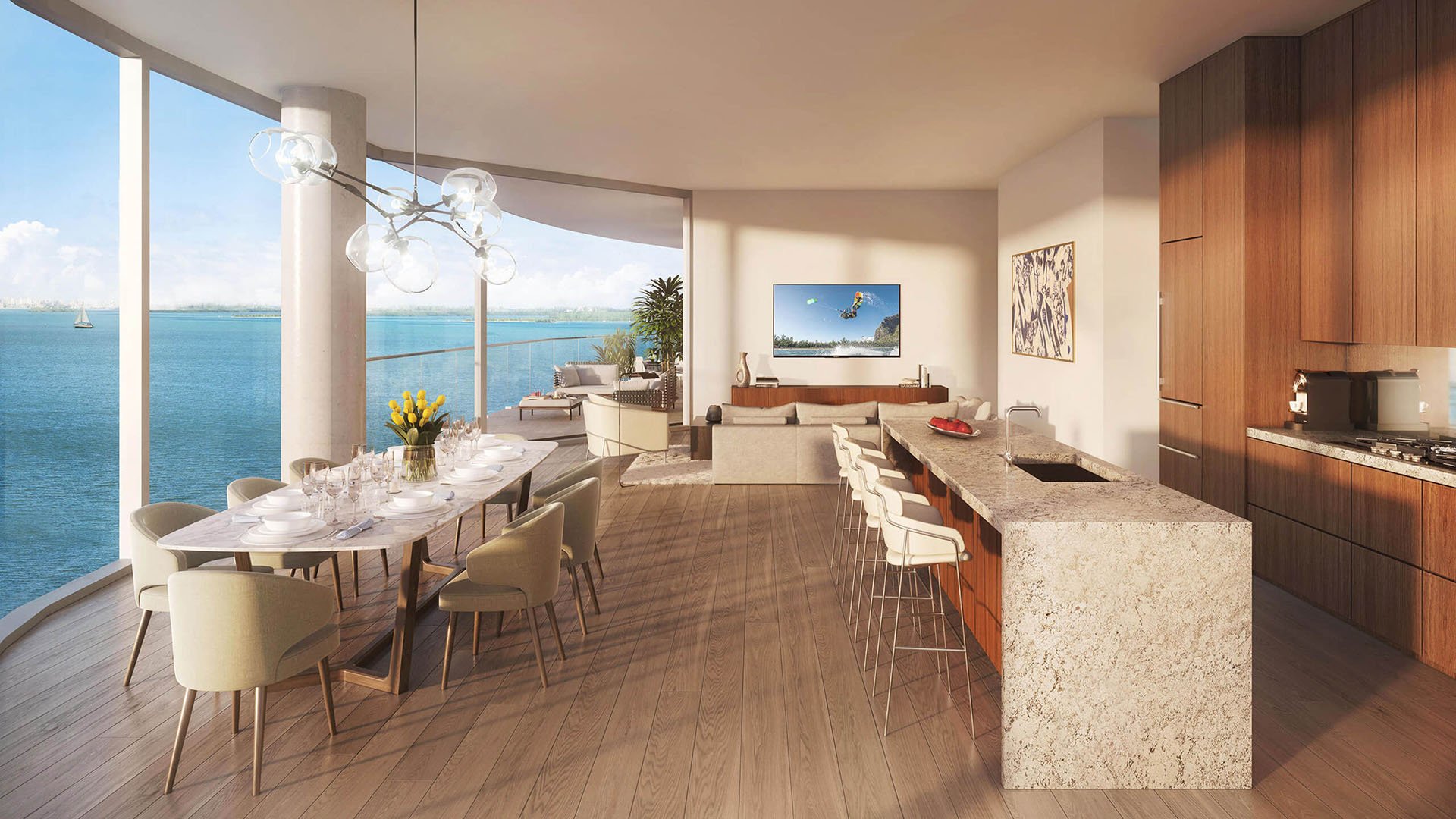
In South Florida luxury real estate, the most revealing room is often not the primary suite, formal salon, or sunset terrace. It is the breakfast room, or the breakfast end of an open kitchen, at the hour when the residence first becomes useful. Morning light is less theatrical than evening light, but it is more honest. It reveals how a home wakes up, how glass behaves, how a room holds privacy, and whether the day begins with softness or glare.
For a serious buyer, this should shape the shortlist before the first tour. The question is not simply whether a residence is bright. Almost every premium listing can be photographed that way. The better question is whether the light that reaches the breakfast setting supports the life you intend to live there. A family that starts early, a couple that reads quietly before the office, a host who prefers long weekend mornings, and a seasonal owner arriving from a darker climate will each experience the same exposure differently.
The breakfast-room lens is especially useful because it compresses several decisions into one daily ritual. It tests orientation, view corridors, adjacent tower conditions, kitchen placement, ceiling depth, terrace overhangs, and the relationship between inside and outside. Before touring, that lens can eliminate residences that are otherwise impressive but mismatched to the way the buyer actually uses mornings.
View light and breakfast light are related, but they are not the same. View light sells the first impression. Breakfast light determines whether the residence feels composed at 8 a.m. A bay panorama, ocean horizon, or city skyline may be compelling at any hour, yet the dining niche beside the kitchen can still feel too exposed, too dim, or too visually busy during the morning routine.
The breakfast area deserves special attention because it is usually where architecture meets habit. It may sit along a glass line, tuck behind a kitchen island, open to a terrace, or occupy a corner created by the floor plate. Each arrangement changes the quality of light. Direct sun can be glamorous in a photograph and demanding in daily use. Indirect light can feel quieter, more flattering, and easier to live with, especially when paired with pale stone, warm wood, or reflective water beyond the glass.
This is why a buyer should study floor plans and imagery for the breakfast zone before booking a tour. Where is the table likely to sit? Is the kitchen island blocking or bouncing light? Does the terrace above create shade? Is the glass facing open sky, neighboring architecture, landscape, water, or another balcony? These questions make the shortlist more intelligent long before the elevator doors open.
A breakfast room is rarely labeled with enough nuance. It may appear as part of the kitchen, family room, dining area, or great room. The task is to locate the morning seat, not the marketing label. If the kitchen is set deep into the plan, the breakfast experience may rely on borrowed light from the living area. If the kitchen and casual dining edge the facade, the morning experience may be more immediate, but also more affected by sun angle and glare.
Corner conditions often deserve priority because they can balance brightness with depth. A single glass wall can deliver drama, while two exposures may soften the day and reduce dependence on artificial light. Still, a corner is not automatically superior. If the breakfast setting sits too close to a glass corner without enough wall, storage, or furniture depth, the space may feel like a passage rather than a place to remain.
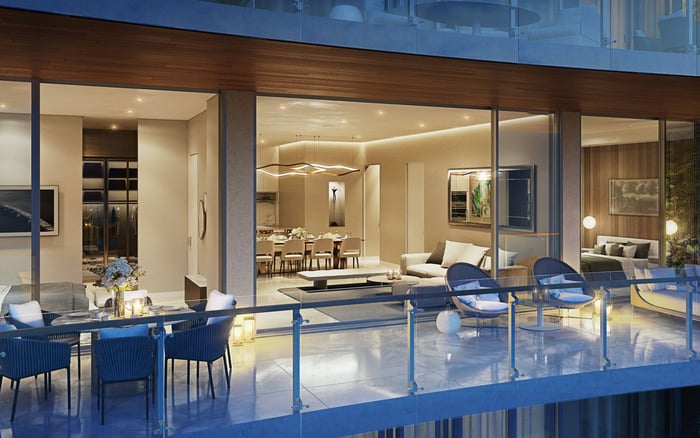
Terrace geometry matters as much as exposure. A deep terrace can create a graceful shaded room inside, especially in a climate where comfort is as important as brilliance. A shallow terrace may allow stronger light, which some buyers welcome and others avoid. The key is to decide whether the residence should begin the day with a crisp, sunlit edge or a more filtered atmosphere.
Different South Florida markets encourage different morning expectations. In Brickell, a buyer may want the breakfast setting to feel calm despite urban energy. The goal is often a controlled interior mood that can absorb city movement without becoming visually restless. A buyer comparing options such as The Residences at 1428 Brickell should look closely at where the casual dining moment sits in relation to glass, kitchen, and skyline.
In Miami Beach, morning light often carries a resort sensibility, even when the residence is intended for full-time living. The breakfast room should not merely face beauty; it should manage it. Water, sky, and pale interiors can amplify brightness quickly. When considering names such as The Perigon Miami Beach, the useful question is whether the morning setting invites a slow start or demands shading before coffee.
Coconut Grove buyers often seek a more layered relationship with landscape, air, and privacy. The best breakfast rooms in that context tend to feel residential rather than performative, with greenery or filtered light doing as much work as the view. Around Four Seasons Residences Coconut Grove, the shortlist conversation can be framed around serenity, daily rhythm, and the degree of openness a buyer truly wants at breakfast.
For oceanfront searches, the breakfast-room test becomes even sharper. Ocean light can be magnificent, but it can also dominate finishes, screens, and seating. At a project conversation such as St. Regis® Residences Sunny Isles, a buyer should think beyond the postcard view and consider how the first meal of the day will feel when the room is fully awake.
A well-edited shortlist separates brightness from comfort. Exposure tells you when light arrives. Overhang tells you how much of it enters. Glass tells you how it is perceived. Together, these elements decide whether the breakfast room feels polished or punishing.
Some buyers assume that more glass is always better. In practice, the best breakfast setting may be the one that allows light to enter from the side, across a surface, or through a shaded plane. That kind of light gives dimension to stone, metal, linen, and wood without flattening the room. It also makes the space easier to use for reading, calls, and quiet work after breakfast.
Flow-through units can be appealing because they imply a broader conversation between exposures. Yet the breakfast area still needs its own evaluation. If cross-light benefits the main living room but bypasses the kitchen and casual dining, the daily experience may be less balanced than the plan suggests. Likewise, a terrace can be a gift or a filter, depending on its depth, orientation, and relationship to the breakfast seat.
Before committing to a tour, study the residence as if the breakfast table already exists. First, identify the likely table position. Then ask where the light comes from, what it touches first, and what sits between the table and the sky. If the answer is another building, a terrace edge, a neighboring balcony, or an uninterrupted horizon, each creates a different mood.
Next, consider privacy. Morning is the most intimate hour of the day. A residence can have extraordinary views and still feel too visible at breakfast. This is especially important in dense waterfront and urban settings, where neighboring glass can be close enough to change the emotional character of the room.
Finally, match the light to your routine. If breakfast is brief and functional, a dramatic, bright setting may be energizing. If mornings are slow, social, or family-centered, the better room may be softer and more protected. The shortlist should favor the residence that performs beautifully on an ordinary Tuesday, not only during a golden-hour showing.
Why should breakfast-room light matter before touring? It reveals how the residence will feel during a daily ritual, which is often more useful than judging the home by formal spaces alone.
Is morning sun always desirable in South Florida? Not always. Some buyers love direct brightness, while others prefer filtered light that feels cooler, softer, and easier to live with.
What should I look for in listing photos? Study the kitchen edge, casual dining placement, terrace depth, shadows, and whether the breakfast area receives direct or borrowed light.
Can a great view compensate for poor breakfast light? It depends on your lifestyle. A remarkable view may not solve glare, lack of privacy, or a breakfast area that feels disconnected from the morning routine.
How do terraces affect breakfast rooms? Terraces can soften and shade interiors, but they can also reduce brightness depending on depth, orientation, and the position of the table.
Are corner residences better for breakfast light? They can be, because multiple exposures may create balance. The furniture layout and privacy conditions still need careful review.
Should buyers prioritize oceanfront morning light? Oceanfront light can be extraordinary, but buyers should consider glare, heat, reflection, and how the room functions after the first impression.
Does this matter more for full-time residents than seasonal owners? Full-time residents may notice the issue more often, but seasonal owners also benefit from a home that feels right immediately each morning.
Can window treatments solve a difficult breakfast exposure? They can help, but they should refine the light rather than compensate for a room that is fundamentally mismatched to your routine.
What is the best way to shortlist comparable options for touring? Start with location fit, delivery status, and daily lifestyle priorities, then compare stacks and elevations to validate views and privacy.
For a tailored shortlist and next-step guidance, connect with MILLION.
If branded residences are on your mind — as a home or as an allocation — we would be glad to share what we are seeing, privately.
Begin a quiet conversation