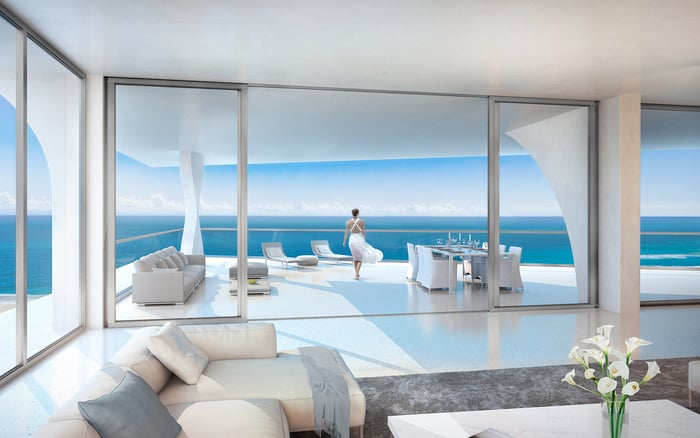
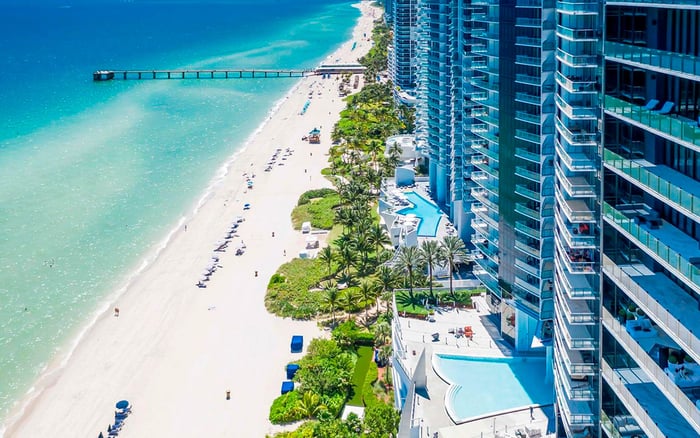
For seasonal buyers at Jade Ocean Sunny Isles Beach, renovation restrictions are not a post-closing detail. They shape offer strategy, winter occupancy plans, contractor access, and the feasibility of bespoke interiors in a glass-forward oceanfront condominium.
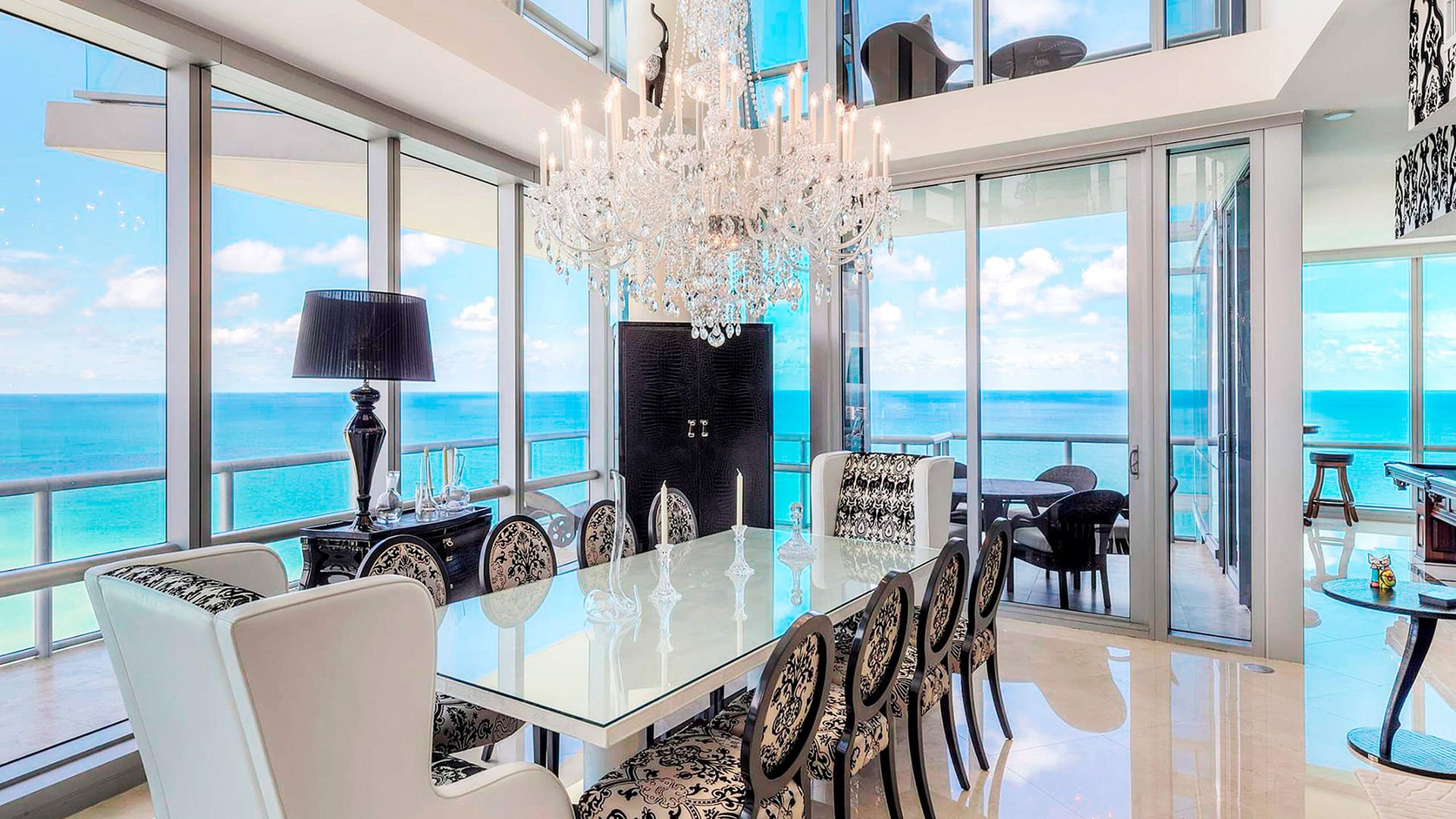
For seasonal buyers, Jade Ocean Sunny Isles Beach is compelling for reasons that are immediately clear: an oceanfront setting, direct Atlantic appeal, a glass-forward tower profile, floor-to-ceiling glazing, and a curved, sail-like presence on the Sunny Isles Beach shoreline. Yet the same qualities that make the building desirable also make renovation planning more delicate. In a luxury condominium, a buyer is not simply acquiring private space. The buyer is entering a vertical ecosystem of shared structure, building systems, approvals, access rules, and association oversight.
That distinction matters most for snowbirds, international owners, and second-home purchasers who expect a residence to be ready for a defined seasonal window. If the plan is to arrive in November and occupy through April, renovation timing is no longer a back-office detail. It can determine whether a unit is livable, partially complete, or still awaiting approvals when the season begins.
The core principle is straightforward: renovation feasibility should be evaluated before making an offer, not after closing. A beautiful floor plan may invite visions of a reworked kitchen, softer lighting, custom stone baths, concealed AV, upgraded smart-home systems, and new millwork. In a condominium setting, however, those ideas need to be tested against current documents, alteration procedures, insurance requirements, contractor rules, and the building’s review process. For seasonal buyers, this is a Sunny Isles, second-home, and oceanfront conversation as much as an interior design conversation.
At Jade Ocean, buyers should expect association oversight for alterations that affect the unit, common elements, shared infrastructure, or building systems. That does not mean every cosmetic refresh carries the same complexity. It does mean that meaningful custom work should be treated as an approval matter from the outset.
Kitchen and bath renovations are obvious candidates for review, particularly when plumbing, waterproofing, electrical work, exhaust, or layout changes are involved. Floor plan modifications may raise questions about structure, acoustics, sprinkler coverage, fire alarms, HVAC distribution, and access to shared risers. AV and smart-home upgrades can also become more involved than expected if they touch electrical systems, ceiling cavities, low-voltage pathways, or life-safety infrastructure.
The exterior envelope deserves particular caution. Jade Ocean’s glass-forward character is central to its appeal, but high-rise glazing, waterproofing, hurricane resilience, and façade integrity are not areas where owner preference typically controls the outcome. Alterations near windows, balcony conditions, penetrations, thresholds, or exterior-facing assemblies may be especially sensitive. Buyers should assume that anything touching the building envelope will require careful review and, in some cases, may be limited.
This is not unique to one luxury tower. Buyers comparing the Sunny Isles Beach market, from Jade Signature Sunny Isles Beach to Bentley Residences Sunny Isles, often focus on views, finishes, amenities, and arrival experience. For seasonal ownership, the equally important question is how the building governs construction once the purchase is complete.
Seasonal buyers often believe renovation can be placed neatly into the months they are away. In practice, that assumption should be tested. Disruptive construction may be best scheduled during an owner’s absence, but building rules can still control contractor hours, elevator use, deliveries, noise, staging, common-area protection, and access procedures. Without current rules in hand, the timeline is only a hope.
The November-to-April usage pattern creates a particular pressure point. A renovation that slips from summer into fall may collide with travel plans, family visits, holiday use, or rental expectations if applicable. Even if work is substantially complete, open inspections, delayed materials, change orders, or unresolved punch-list items can affect comfort and occupancy.
For international buyers, the friction can be greater. Time-zone differences, travel schedules, remote signatures, contractor coordination, and association communication all become part of the execution risk. A local representative, project manager, design professional, or attorney may be needed to coordinate approvals, contractor access, insurance certificates, inspections, and change orders while the owner is away.
Before finalizing renovation plans, buyers should request Jade Ocean’s current condominium documents, alteration agreement, renovation application procedures, contractor rules, and insurance requirements. These materials should be reviewed against the buyer’s actual intended scope, not treated as generic paperwork.
A purchaser planning only paint, furnishings, lighting selections, and soft décor will have a different risk profile from a purchaser intending to open walls, relocate plumbing, change floors, upgrade smart systems, modify ceilings, or redesign baths. The right question is not, “Can the unit be renovated?” The better question is, “Can this specific plan be approved, insured, scheduled, accessed, and completed before the owner’s intended occupancy date?”
Buyers should also look for the points where private ambition meets shared responsibility. Luxury customization can conflict with association mandates to preserve structural integrity, acoustics, waterproofing, building systems, and life-safety components. The more bespoke the design, the more important it becomes to align the designer, contractor, and owner representative with the building’s requirements from the beginning.
The same diligence applies across the upper tier of the coastline. A purchaser studying Turnberry Ocean Club Sunny Isles may be drawn first to architecture and lifestyle, but long-term ownership satisfaction often depends on how well private work is coordinated within a high-rise environment.
A renovation-minded buyer should bring the contractor or design team into the acquisition process early, subject to access and seller cooperation. The goal is not to overcomplicate the purchase. It is to separate what is cosmetic, what is likely approvable with proper documentation, and what may be expensive, slow, or constrained by the building.
Offer strategy can also reflect renovation risk. The buyer may want time for document review, professional consultation, and clarification of alteration procedures before becoming fully committed. Legal counsel can help frame appropriate review periods and evaluate condominium materials, while the design team can assess whether the intended scope is realistic.
For seasonal ownership, the most elegant renovation is not necessarily the most dramatic one. It is the one that respects the building, protects the calendar, and delivers the residence when the owner actually intends to live there.
Should Jade Ocean buyers review renovation rules before making an offer? Yes. Renovation feasibility should be evaluated before an offer becomes a post-closing surprise.
Can seasonal buyers assume work can happen while they are away? Not without checking current rules. Contractor access, deliveries, noise, elevators, and approvals may affect timing.
What types of work may need approval? Kitchen, bath, layout, AV, smart-home, plumbing, electrical, HVAC, sprinkler, and life-safety work may require review.
Why is glass architecture relevant to renovations? In a glass-skinned high-rise, exterior envelope, waterproofing, and hurricane-resilience concerns can limit owner changes.
Are specific renovation hours or fees confirmed? Buyers should rely on current association documents for any specific hours, fees, deposits, or timelines.
What should international owners plan for? They may need a local representative to coordinate approvals, access, inspections, contractors, and change orders.
Can a designer determine what is allowed? A designer can guide scope, but the building’s current documents and approval process should control expectations.
Why does the November-to-April season matter? Delays can interfere with the period when many seasonal owners expect to occupy their South Florida residence.
Should buyers review insurance requirements? Yes. Contractor insurance requirements should be reviewed before work is scheduled or contracts are finalized.
Is renovation planning part of luxury due diligence? Yes. For a seasonal condominium buyer, timing, approvals, and building systems are part of acquisition strategy.
If you'd like a private walkthrough and a curated shortlist, connect with MILLION.
If branded residences are on your mind — as a home or as an allocation — we would be glad to share what we are seeing, privately.
Begin a quiet conversation