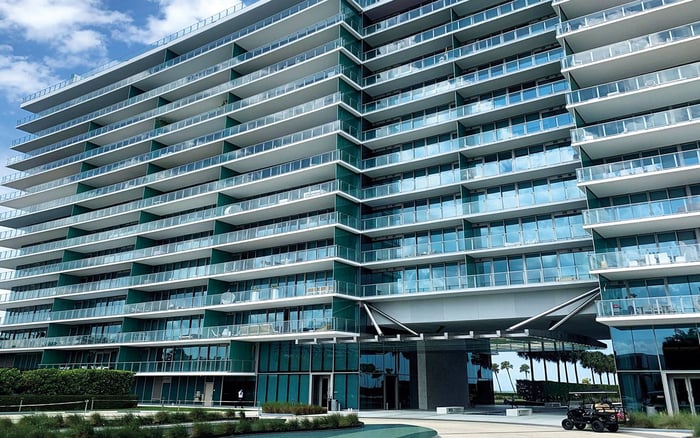
A buyer-focused comparison of Avenia Aventura and Oceana Key Biscayne through the practical lenses that shape long-term condominium ownership: flexibility, rules, governance, coastal risk, and day-to-day livability.
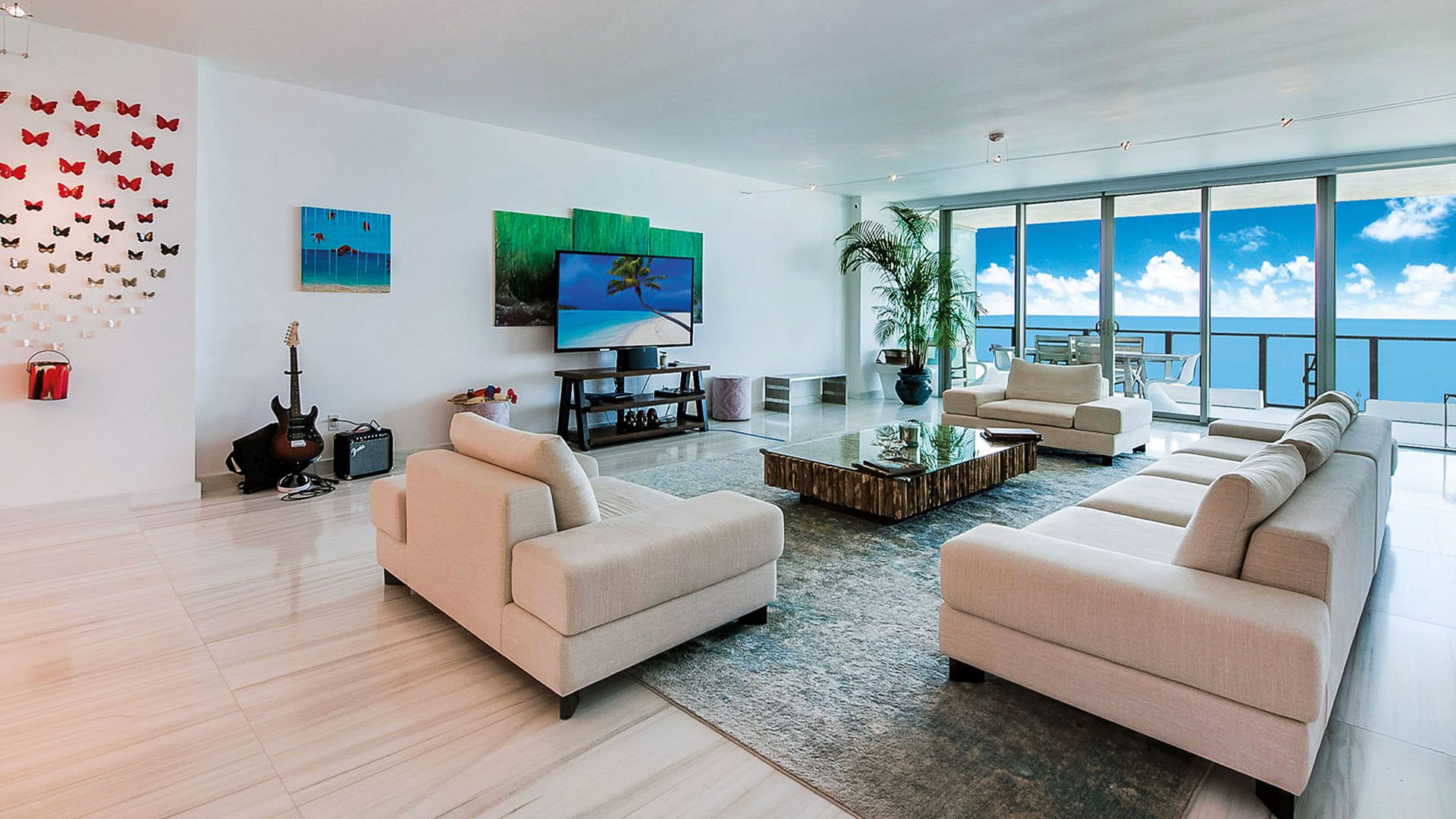
In South Florida luxury real estate, even the most elegant residence can become complicated if its ownership framework does not match the buyer’s life. Avenia Aventura and Oceana Key Biscayne are useful to compare not because they are interchangeable, but because they represent two distinct condominium mindsets. One sits within the Aventura luxury-condominium orbit, where convenience, access, and contemporary residential planning tend to shape expectations. The other is an established ultra-luxury oceanfront condominium reference point in Key Biscayne, where privacy, permanence, and coastal identity carry a different weight.
That contrast is why a careful buyer should begin with due diligence rather than décor. Avenia Aventura can be read as a contemporary proxy for the Aventura submarket, while Oceana Key Biscayne belongs to the rarer category of established island oceanfront ownership. The more sophisticated question is not which name sounds more prestigious. It is which ownership structure, rule environment, and resident culture can support the buyer’s intended use over many years.
Aventura attracts buyers who often value mobility within North Miami-Dade, proximity to services, and a condominium lifestyle connected to a broader urban-suburban rhythm. In that context, ownership flexibility matters intensely. A buyer may be considering seasonal use, family occupancy, future resale, or eventual leasing. The governing documents, association communications, and transfer procedures will determine how flexible that plan truly is.
For a buyer considering Aventura, the most important file is not only the floor plan. It is the full set of recorded condominium documents, house rules, leasing provisions, approval procedures, budget materials, insurance information, and recent association notices. These materials clarify whether the building’s operating culture aligns with an owner who wants convenience without losing control over future options.
Investment analysis in Aventura should therefore move beyond price per square foot. A unit that looks compelling on entry can still underperform an owner’s needs if leasing rules, approval timelines, pet policies, use restrictions, or association priorities conflict with the buyer’s expectations. None of those details should be inferred from marketing language. They should be verified directly before the contract becomes emotionally difficult to unwind.
Oceana Key Biscayne introduces a different kind of test. As an established ultra-luxury oceanfront condominium property, it appeals to buyers who may be less focused on raw optionality and more focused on residential quality, privacy, lifestyle consistency, and the feeling of an enduring coastal address. That does not make the due-diligence burden lighter. In some respects, it makes it more important.
Key Biscayne buyers should examine how the association balances exclusivity with adaptability. Strict rules can protect the residential environment, but they can also limit how an owner occupies, leases, renovates, or transfers a unit. The same rule that preserves quiet enjoyment for one resident may constrain another buyer’s intended ownership plan. That is why association rules belong in the first underwriting conversation, not at the end of closing.
For oceanfront and near-coastal ownership, long-term livability also involves physical and environmental realities. Coastal-risk dynamics, insurance pressures, maintenance needs, building condition, and capital planning all affect the lived experience. A residence can be beautiful and still require rigorous analysis of governance and infrastructure. Buyers considering other coastal benchmarks, such as Oceana Bal Harbour, should apply the same discipline rather than assuming ultra-luxury branding resolves operational risk.
Luxury buyers often know how to evaluate finishes, views, parking, terraces, and privacy. Fewer spend enough time on rules. Yet in condominium ownership, association rules are not secondary. They define the owner’s practical rights inside a shared residential corporation.
The review should start with occupancy and leasing. Can the unit be used as the buyer intends? Are there approval procedures? Are there limits on frequency or duration? Are there rules on guests, family use, pets, contractors, renovations, deliveries, amenities, or move-ins? The answer in any building can change as documents are amended or boards communicate new policies. A buyer should avoid relying on verbal summaries or outdated assumptions.
Financial governance is equally important. Budgets, reserves, insurance obligations, assessment history, and capital priorities shape the real cost of ownership. Post-Surfside condominium governance and building-safety concerns have made this part of the review unavoidable for serious South Florida buyers. The point is not to create alarm. It is to treat a luxury condominium as a long-duration asset whose performance depends on management, maintenance, and board culture as much as architectural appeal.
Prestige may bring a buyer to the showing. Livability determines whether the ownership experience remains satisfying after the novelty fades. In Aventura, livability may be tied to access, services, ease of movement, and a resident mix that supports daily convenience. In Key Biscayne, it may be tied to privacy, island rhythm, oceanfront presence, and a more settled sense of place.
Neither profile is automatically superior. Avenia Aventura and Oceana Key Biscayne simply answer different questions. One buyer may prioritize flexibility and connection to the broader city. Another may place greater value on a protected residential atmosphere and established coastal identity. The correct answer depends on how the owner plans to live, how often the residence will be used, whether family members will occupy it, and whether future leasing or resale is part of the plan.
The same analysis applies across South Florida’s premium condominium field. A buyer comparing Aventura with Surfside, for example, may also review residences such as The Delmore Surfside to understand how coastal luxury can vary by governance, neighborhood culture, and building age profile. The lesson is consistent: legal, physical, financial, and social factors all shape ownership.
Before committing, a buyer should request the current recorded condominium declaration, bylaws, rules and regulations, recent board communications, budget materials, insurance information, reserve-related disclosures, pending capital project information, and any available summaries of assessments or litigation. Counsel and qualified building professionals should review the file, especially where long-term ownership or substantial capital exposure is involved.
The buyer should also interview for lifestyle fit. How does the building manage service standards? How formal is the approval process? What is the tone around renovations? How are guests handled? Are owners primarily full-time residents, seasonal residents, or a mix? These social details are often absent from a brochure, but they can define the difference between a residence that feels effortless and one that feels restrictive.
For Avenia Aventura, the priority is to confirm whether the ownership framework supports the buyer’s need for optionality in Aventura. For Oceana Key Biscayne, the priority is to confirm whether the governance and physical stewardship support the buyer’s expectation of long-term oceanfront living. In both cases, the central discipline is the same: verify the documents, understand the association culture, and treat the purchase as a long-duration decision.
Is Avenia Aventura a direct substitute for Oceana Key Biscayne? No. Avenia Aventura represents an Aventura luxury-condominium lens, while Oceana Key Biscayne reflects established ultra-luxury oceanfront ownership.
Why are association rules so important in this comparison? Rules can affect occupancy, leasing, transfers, renovations, pets, guests, and daily use. They should be reviewed before a buyer relies on any general summary.
Should buyers assume rental policies are fixed? No. Rental and occupancy restrictions should be verified in current recorded documents and recent association communications.
What makes long-term livability different from prestige? Livability depends on governance, building condition, resident mix, operating rules, and maintenance priorities. Prestige alone does not answer those questions.
How should post-Surfside concerns affect due diligence? Buyers should pay close attention to building condition, governance, reserves, insurance, and capital planning. These issues are now central to South Florida condominium ownership.
Does oceanfront ownership require different analysis? Yes. Coastal-risk dynamics, maintenance exposure, insurance, and long-term building stewardship are especially important for oceanfront or near-coastal residences.
What documents should a buyer review first? Start with the declaration, bylaws, rules and regulations, budget, insurance materials, reserve disclosures, and recent association communications.
Is Aventura generally more flexible than Key Biscayne? Not automatically. The submarkets have different lifestyle expectations, but flexibility depends on the specific condominium documents and current association practices.
Can association culture affect resale value? Yes. Governance quality, rule clarity, and maintenance discipline can influence buyer confidence and the perceived durability of ownership.
Who should help review the due-diligence file? Buyers should involve experienced counsel and qualified building or financial professionals where appropriate. Luxury condominium ownership is both a lifestyle and a governance decision.
If you'd like a private walkthrough and a curated shortlist, connect with MILLION.
If branded residences are on your mind — as a home or as an allocation — we would be glad to share what we are seeing, privately.
Begin a quiet conversation