A buyer-focused editorial look at how Banyan Tree Residences West Palm Beach sits within the broader shift toward recovery-oriented residential design, where privacy, sensory calm, wellness routines, and daily decompression increasingly shape luxury decisions.
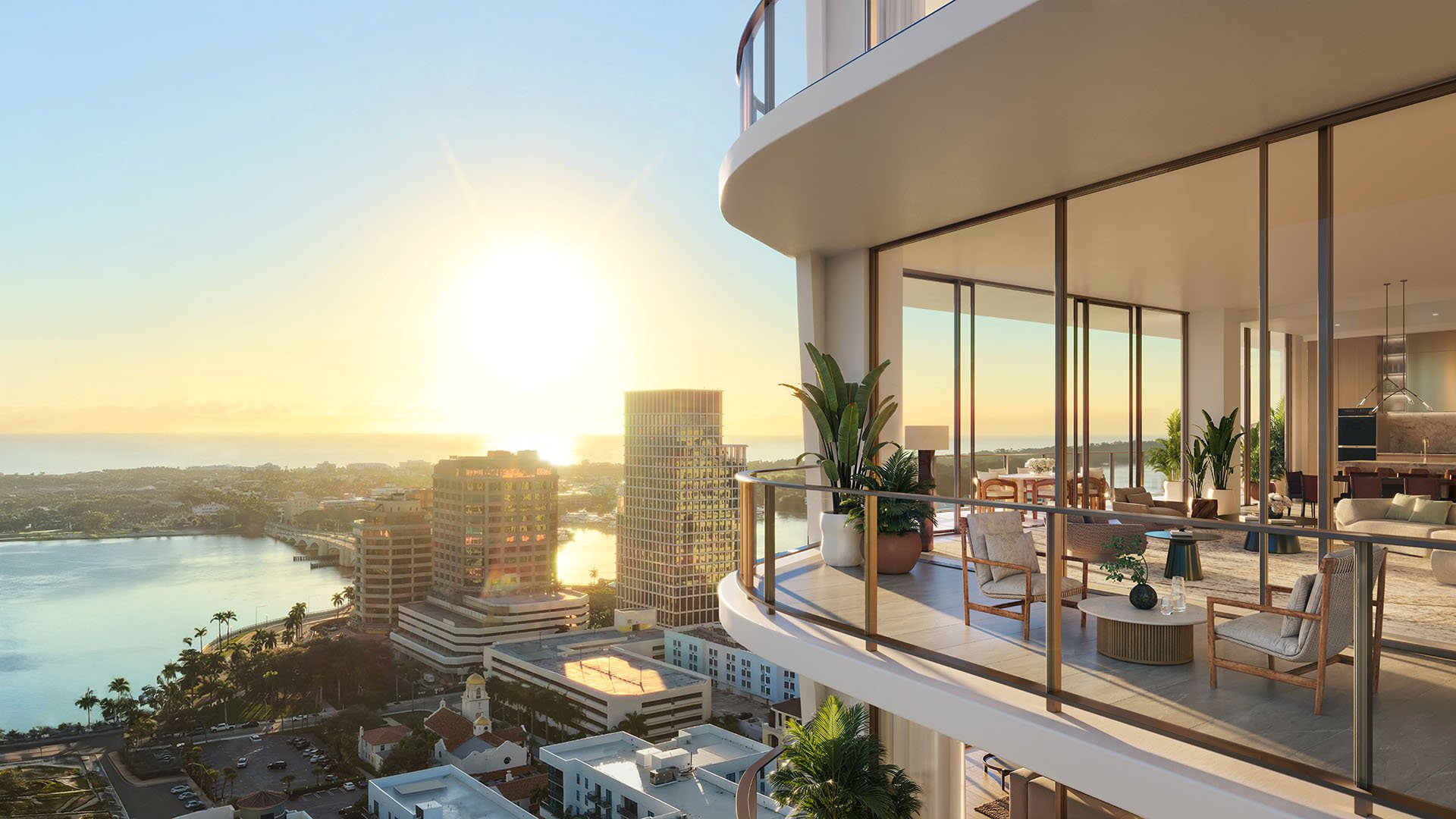
In West Palm Beach, the language of luxury residential design is becoming quieter, more exacting, and more personal. The conversation is no longer limited to arrival moments, skyline drama, or the scale of amenity programming. Increasingly, buyers are asking how a residence helps them recover from intensity: travel, work, entertaining, family logistics, heat, noise, and the constant compression of modern life.
That is the context in which Banyan Tree Resididences West Palm Beach becomes compelling. Without reducing the project to a single wellness label, its place in the market invites a more nuanced reading of what affluent buyers now value. Recovery-oriented residential design is not simply a spa, a gym, or a meditation room. It is the full choreography of a home and building around restoration, privacy, and the ability to return to oneself.
For a buyer comparing new residences in West Palm Beach, this lens can be more useful than a checklist. It asks whether daily life feels composed, whether the home can shift between hosting and retreat, and whether the building supports both vitality and stillness.
West Palm Beach has matured into a market where luxury is increasingly tied to rhythm. Residents may want cultural access, dining, waterfront proximity, and the energy of an evolving city, but they are also sensitive to the need for separation. A home must offer a clear transition from public life to private ease.
This is why recovery-oriented design resonates. It speaks to buyers who do not want wellness presented as spectacle. They want practical calm: good sleep, intuitive circulation, soft transitions, privacy from neighbors, generous outdoor moments where appropriate, and residences that feel livable across many seasons of ownership.
Within that setting, projects such as Alba West Palm Beach help illustrate how the city’s residential dialogue is expanding beyond traditional luxury cues. The larger question is not which building has the most amenities, but which building best supports a balanced daily life.
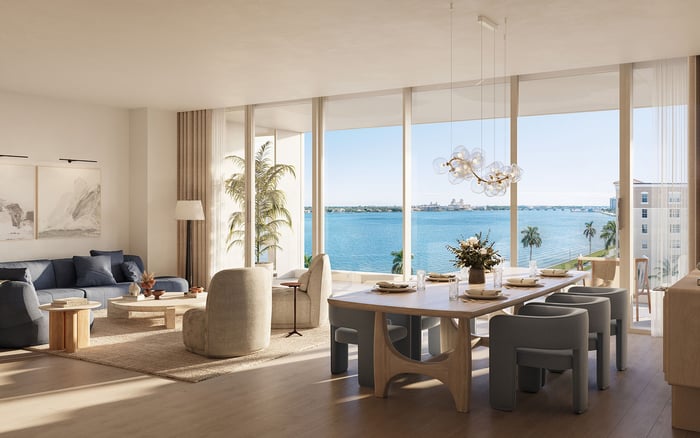
Recovery-oriented design begins with the senses. Light should be flattering rather than harsh. Materials should feel tactile, durable, and calming. Plans should allow owners to move naturally between cooking, dining, working, exercising, and resting without friction. Acoustics matter, especially in urban and waterfront-adjacent settings where tranquility can be as valuable as a view.
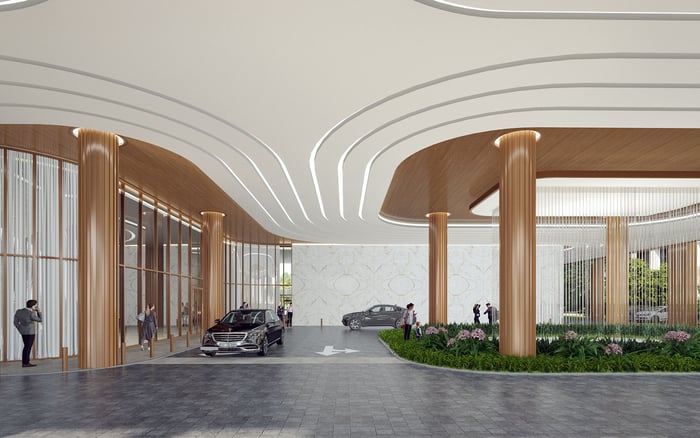
It also depends on thresholds. The best luxury homes understand arrival as a sequence: street to lobby, lobby to elevator, elevator to residence, residence to private room. Each moment should reduce pressure rather than add to it. When that sequence is handled well, the home feels less like a display environment and more like a private instrument for recovery.
In design and architecture terms, this is a disciplined form of restraint. It requires restraint in lighting, restraint in material contrast, restraint in amenity messaging, and restraint in how social spaces are separated from restorative ones. Buyers should look for whether a building creates genuine calm or merely photographs as calm.
Banyan Tree Residences West Palm Beach fits this conversation because the project’s positioning naturally draws attention to the emotional role of home. In a market where many buyers already have access to beautiful finishes and generous amenities, differentiation increasingly comes from how a residence makes life feel.
That does not mean every buyer will evaluate the building the same way. Some will focus on service, some on privacy, some on floor plan discipline, and others on how easily the residence supports wellness routines. The recovery-oriented lens gives those priorities a shared vocabulary.
It also places Banyan Tree within a broader West Palm Beach movement. New-construction buyers are not only purchasing square footage. They are purchasing atmosphere, pace, discretion, and the possibility of returning home to a setting that feels considered at every step. Viewed this way, recovery is not a niche preference. It is a central luxury expectation.
A common mistake is to equate wellness with an amenity count. For sophisticated buyers, the better question is whether amenities reduce decision fatigue or add to it. A serene residential experience may come from fewer but better-resolved spaces, clearer circulation, and services that feel anticipatory without being intrusive.
This is where comparison becomes valuable. A buyer considering Mr. C Residences West Palm Beach, for example, may be looking at hospitality-inflected living through one lens, while Banyan Tree invites another conversation around restoration and retreat. Both can be relevant to lifestyle priorities, but the lived experience may differ in tone.
The key is to tour with recovery in mind. Notice how the building handles arrival. Notice where social energy gathers. Notice whether private spaces feel genuinely protected. Ask whether the residence can host beautifully without compromising the rooms where one sleeps, works, or decompresses.
In the ultra-premium market, privacy is not merely a security concept. It is a wellness condition. A residence that constantly exposes its owner to noise, visibility, awkward circulation, or social obligation can be luxurious on paper and draining in practice.
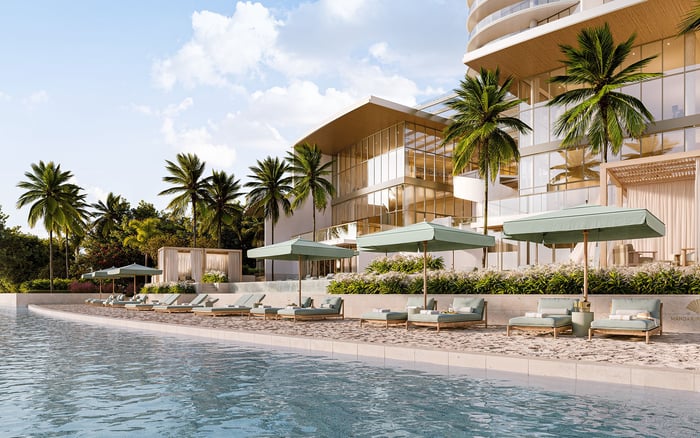
Recovery-oriented design therefore gives special importance to separation. Bedrooms should feel apart from entertainment zones. Work areas should not feel improvised. Outdoor spaces, when present, should feel usable rather than ceremonial. Common areas should offer polish without forcing performance.
This is also why buyers comparing Banyan Tree with The Ritz-Carlton Residences® West Palm Beach should look beyond brand familiarity alone. The better comparison is experiential: which environment best aligns with the owner’s preferred rhythm of arrival, privacy, service, and retreat?
The most practical way to assess recovery-oriented design is to imagine an ordinary week, not an exceptional weekend. Where does the day begin? How does the residence support a quiet morning? Where can calls happen without disturbing the rest of the home? How does the building feel after a late flight or a formal evening?
Buyers should also consider adaptability. A residence may need to serve as a primary home, seasonal base, remote work setting, entertaining venue, and family refuge. Recovery-oriented design is strongest when it supports all of those roles without making the home feel overprogrammed.
In West Palm Beach, this matters because the market attracts buyers with complex lives. The most valuable residence may be the one that simplifies those lives with grace. That is the deeper relevance of Banyan Tree Residences West Palm Beach: it belongs to a conversation in which luxury is measured not only by what a home contains, but by what it quietly removes.
The rise of recovery-oriented design signals a more mature stage for West Palm Beach residential development. Buyers are still drawn to beauty, location, service, and architectural presence, but they are increasingly fluent in the subtleties of livability. They can sense when a building is designed for marketing and when it is designed for a life well paced.
For Banyan Tree, the opportunity is to be read through that second lens. The project sits within a city where the most compelling residences are those that balance sophistication with calm. For buyers, the advantage is a more refined way to compare options: not simply bigger, newer, or more branded, but more restorative, more private, and more aligned with the way they actually intend to live.
What is recovery-oriented residential design? It is an approach to home and building design that prioritizes rest, privacy, sensory calm, and the ease of daily routines.
Why is it relevant in West Palm Beach? West Palm Beach attracts buyers who want urban access and cultural energy while preserving a private, restorative home life.
Does recovery-oriented design only mean wellness amenities? No. Amenities matter, but recovery also depends on light, acoustics, circulation, privacy, materials, and service rhythm.
How does Banyan Tree Residences West Palm Beach fit this theme? It enters a market conversation where buyers increasingly evaluate luxury by how well a residence supports calm and restoration.
What should buyers look for during a tour? They should study arrival sequences, bedroom separation, noise control, natural light, outdoor usability, and the feel of shared spaces.
Is privacy a wellness feature? Yes. Privacy helps reduce visual, social, and acoustic stress, which can make a residence feel more restorative.
How should buyers compare branded residences? They should look beyond brand recognition and compare the lived experience, service tone, spatial flow, and degree of personal calm.
Is new construction better for recovery-oriented design? New construction can offer current planning priorities, but buyers should still evaluate each building’s actual layout and atmosphere.
Does recovery-oriented design affect long-term appeal? It can, because homes that support comfort, flexibility, and privacy often remain relevant as buyer priorities evolve.
Who is the ideal buyer for this approach? The ideal buyer values refinement, discretion, and a residence that helps balance active South Florida living with genuine retreat.
For a discreet conversation and a curated building-by-building shortlist, connect with MILLION.
If branded residences are on your mind — as a home or as an allocation — we would be glad to share what we are seeing, privately.
Begin a quiet conversation