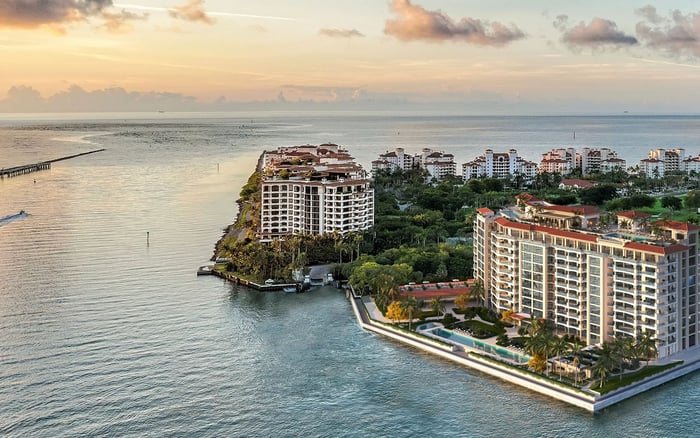
A discreet buyer’s guide to evaluating Miami Beach luxury condominium opportunities through governance, service, privacy, financial exposure, lifestyle fit, and long-term resale discipline.
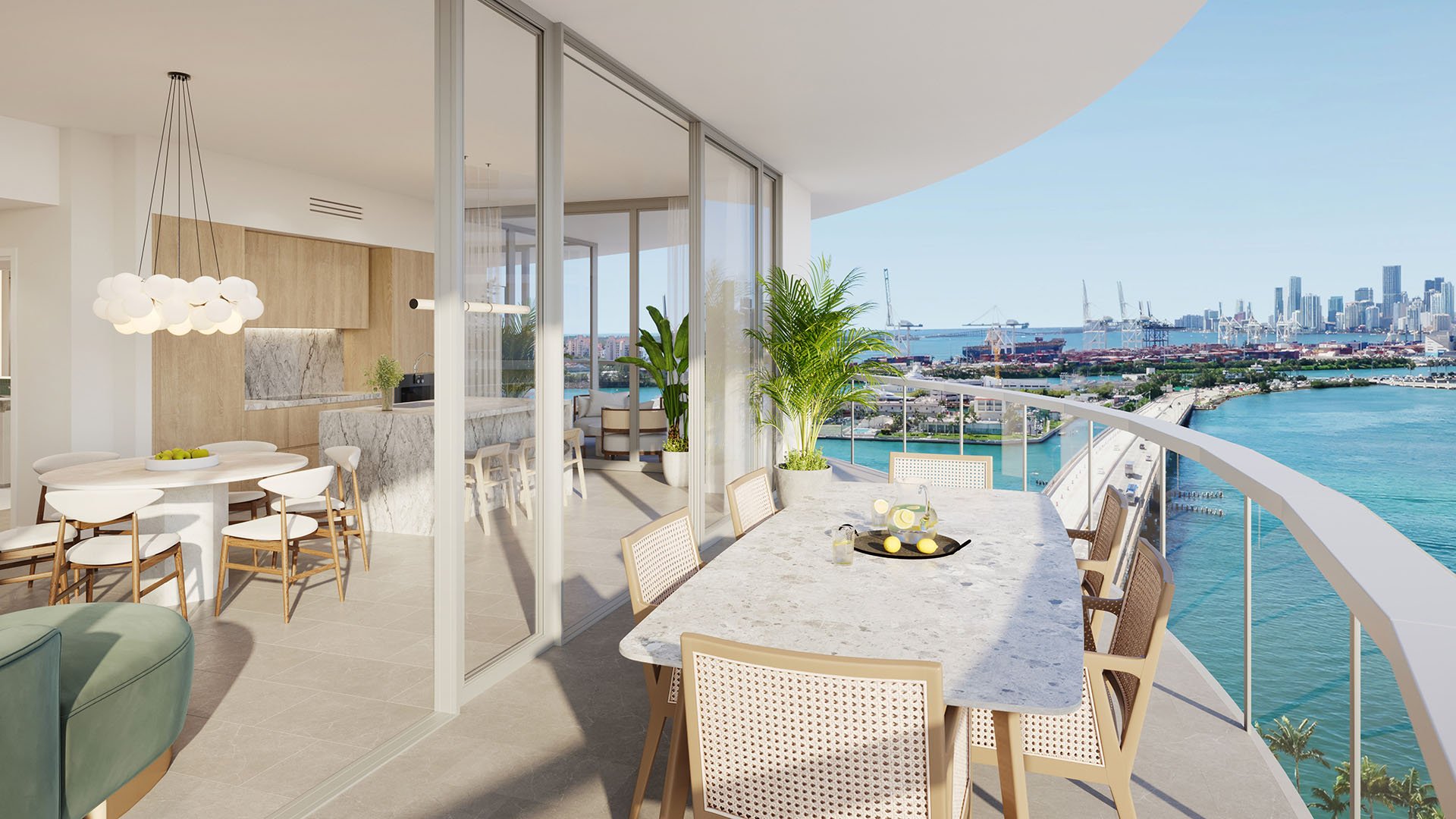
At the highest tier of Miami Beach condominium purchasing, due diligence begins before a buyer compares floor plans or negotiates terms. The first question is more personal: what kind of ownership experience is being purchased? A residence may promise privacy, hospitality, design pedigree, resort-level service, or proximity to the cultural rhythm of Miami Beach, but each promise carries its own governance, cost structure, and daily-life implications.
That is why buyers evaluating Five Park Miami Beach, Shore Club Private Collections Miami Beach, and The Ritz-Carlton Residences® Miami Beach should avoid a purely aesthetic comparison. These are not interchangeable luxury addresses. They should be studied through ownership structure, operating culture, building governance, privacy, access, fee discipline, and future resale depth.
For the sophisticated buyer, the strongest decision is rarely the loudest one. It is the one whose documents, financial assumptions, and lifestyle mechanics remain coherent after careful review.
The declaration, bylaws, purchase agreement, budget, rules, and related exhibits are not legal background noise. They are the operating architecture of the building. They determine how the property will live after closing, how flexible ownership will feel, and how disputes or changes may be handled over time.
A buyer should review rental restrictions, guest policies, pet rules, alteration procedures, storage and parking rights, service access, move-in rules, and the association’s authority to levy assessments. In a luxury setting, small language choices can have large lifestyle consequences. A residence that appears effortless during a sales presentation may still carry rules that shape everything from contractor access to private events.
For Miami Beach buyers, document review is also where climate, insurance, maintenance, and reserve questions become concrete. The most elegant purchase is still a shared-interest asset. Governance should therefore be treated as part of the product, not as a postscript.
Branded Residences can offer powerful appeal, especially for buyers who value service culture, consistency, and the assurance of a recognized hospitality standard. The due-diligence task is to separate the emotional value of the name from the mechanics of the relationship. What services are included? What services are à la carte? How are staffing standards maintained? What is the owner’s obligation if costs rise?
A buyer considering The Ritz-Carlton Residences® Miami Beach should focus on how the service model is expressed in the governing documents and budget. The same principle applies when comparing non-branded or differently positioned residences: a building’s identity must be financially and operationally sustainable, not merely well presented.
Service has a cost. Privacy has a cost. Low-density living has a cost. The question is not whether those costs are justified, but whether the buyer understands them clearly and values them personally.
Waterfront appeal is central to the Miami Beach imagination, but due diligence should examine how a residence functions in daily use. Arrival sequence, valet operations, lobby experience, elevator privacy, guest routing, service corridors, and ease of access all influence the feeling of ownership. A buyer who plans to use the residence seasonally may prioritize lock-and-leave simplicity. A full-time resident may care more about quiet circulation, staff familiarity, and predictable access during high-season periods.
Miami Beach also asks buyers to think beyond the unit line. Traffic patterns, neighborhood energy, proximity to dining and culture, and the distinction between resort atmosphere and residential calm can meaningfully change the ownership experience. A beautiful residence in the wrong micro-context can feel less luxurious than a more restrained home that perfectly matches daily rhythm.
Shore Club Private Collections Miami Beach, for example, may speak to a buyer who wants a highly curated Miami Beach presence, while Five Park Miami Beach may attract someone evaluating a different relationship between architecture, views, and neighborhood connection. The right comparison is not simply which project is more impressive. It is which one fits the buyer’s pattern of living.
At the top of the market, purchase price is only one part of the underwriting exercise. Buyers should model monthly carrying costs, taxes, insurance exposure, association fees, reserves, financing assumptions if applicable, closing costs, and the potential for future assessments. The more service-intensive a building is, the more carefully the buyer should understand its operating assumptions.
Budgets deserve a sober reading. Are fees aligned with the promised service level? Are there early-period estimates that could change after turnover? Are reserves addressed in a way that feels durable? How are shared amenities maintained, and how might future capital needs be funded?
Luxury buyers often have the capacity to absorb carrying costs, but capacity is not the same as conviction. A disciplined buyer wants the economics to feel rational in relation to the lifestyle received. That is especially important in Miami Beach, where insurance, building maintenance, and coastal resilience remain central to long-term ownership planning.
A primary residence, pied-à-terre, or legacy family home can still benefit from resale thinking. The strongest luxury purchases are emotionally satisfying and structurally liquid. Buyers should consider how broad the future audience may be for a particular floor plan, view orientation, service model, fee level, and location.
Rental flexibility is another key diligence theme, even for buyers who do not plan to rent. Restrictions may protect privacy and building character, but they can also narrow future options. A building that limits short-term use may feel more residential and controlled. A building with more flexibility may appeal to a different ownership profile. Neither is inherently better; the best answer depends on the buyer’s objectives.
Resale discipline also means evaluating whether the residence has enduring qualities rather than momentary novelty. Ceiling heights, outdoor space, natural light, privacy, parking, storage, service consistency, and a clear identity tend to matter across cycles. Miami Beach rewards properties that can remain desirable when fashion changes.
Before moving from interest to commitment, buyers should organize a focused diligence meeting with legal, tax, insurance, financing, and property advisory professionals. The agenda should be practical: contract contingencies, deposit structure, closing obligations, association governance, use restrictions, insurance assumptions, tax impact, ownership entity, and succession planning.
International buyers should add questions about currency exposure, estate planning, withholding rules, and practical management when away from South Florida. Domestic buyers should still think globally, because Miami Beach competes for capital on an international stage. A residence that appeals to a broad, well-capitalized audience may have stronger long-term positioning.
The final decision should feel calm. If a buyer understands the documents, believes in the service model, accepts the costs, and can articulate why one residence suits their life better than another, due diligence has done its work. In luxury real estate, clarity is the rarest amenity.
What is the first due-diligence step for a Miami Beach luxury condo buyer? Begin with the governing documents, budget, purchase agreement, and use restrictions so the lifestyle promise can be measured against the legal structure.
Should buyers compare these projects only by design and amenities? No. Design matters, but governance, service standards, privacy, fees, access, and resale depth are just as important.
Why do association fees deserve close review? Fees reveal how the building intends to operate, staff, maintain amenities, and support the service level promised to owners.
Are rental rules important if I do not plan to rent my residence? Yes. Rental flexibility or restrictions can affect future optionality, resale audience, and the residential character of the building.
How should buyers evaluate branded service? Buyers should confirm which services are included, which are optional, and how staffing and operating costs are handled over time.
What privacy questions should be asked before purchasing? Ask about elevator access, guest circulation, service routes, valet operations, amenity access, and protocols for staff and vendors.
Why does Miami Beach micro-location matter? Daily access, neighborhood energy, traffic patterns, and proximity to dining or culture can shape the residence as much as the unit itself.
Should buyers model future assessments? Yes. Even well-capitalized buildings may require future capital planning, so buyers should understand reserve and assessment provisions.
What makes a luxury residence more liquid on resale? Broad floor-plan appeal, privacy, views, manageable carrying costs, strong governance, and a durable building identity can support liquidity.
When should professional advisors become involved? Advisors should be engaged before key contract deadlines so legal, tax, insurance, and ownership-structure questions are addressed early.
For a confidential assessment and a building-by-building shortlist, connect with MILLION.
If branded residences are on your mind — as a home or as an allocation — we would be glad to share what we are seeing, privately.
Begin a quiet conversation