A practical luxury buyer’s guide to testing whether an Aventura neighborhood performs smoothly during the weekday routines that shape daily living, ownership confidence, and long-term satisfaction.
Aventura rewards buyers who look beyond the polished weekend showing. A residence may photograph beautifully, the lobby may feel serene, and the views may persuade. But the real measure of livability is how the neighborhood performs on an ordinary Tuesday morning, a rainy Thursday afternoon, or a compressed early evening when everyone is trying to move, park, deliver, dine, exercise, and return home.
For high-end buyers, this is not merely a convenience exercise. It is a way to understand whether a neighborhood supports the life you are actually buying. In Aventura, that means evaluating the daily choreography around towers, waterfront addresses, gated enclaves, retail corridors, school schedules, medical appointments, domestic staff, pet care, guest arrivals, and trips to nearby coastal destinations.
A smart weekday evaluation is quiet, disciplined, and repetitive. Visit more than once. Arrive at different hours. Drive the route you would actually use. Stand in the lobby when residents are leaving. Observe the porte cochere when deliveries arrive. Notice whether the building feels composed under pressure, or only elegant when empty.
A luxury showing should never be the only appointment on the calendar. Before seeing a property, map a full weekday around it. Start with the morning departure: where would you exit, which lane would you need, how easily could a driver or family member pick up passengers, and how does the garage feel when residents are leaving at the same time?
Then test the midday experience. If you work remotely, ask whether the neighborhood feels calm enough for concentration. If you host advisers, friends, or clients, consider whether guest parking and arrival protocol feel intuitive. If you rely on staff, drivers, trainers, or service providers, clarify how they enter, where they wait, and whether building procedures are efficient without feeling exposed.
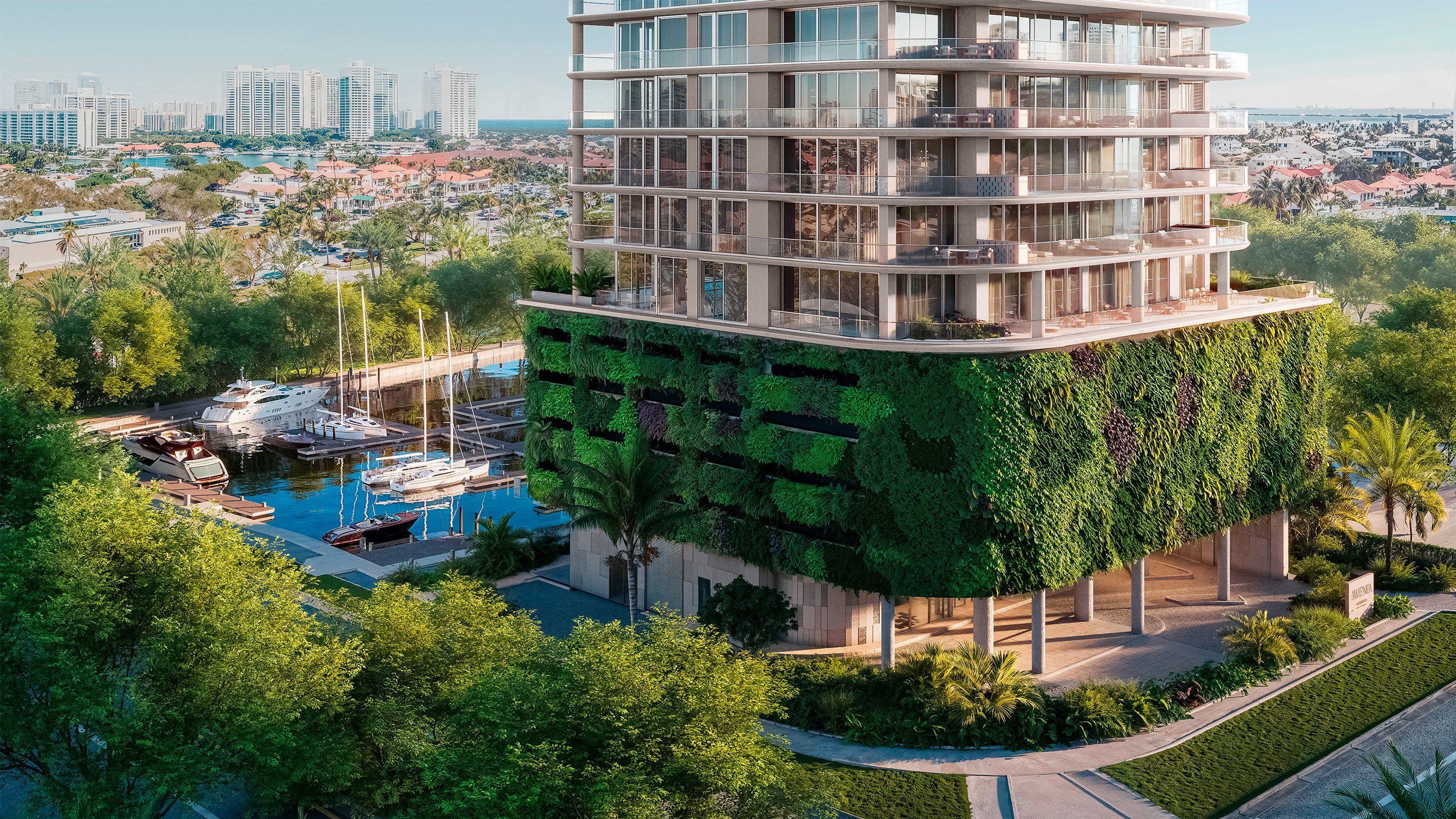
The same logic applies to evening. A neighborhood may feel convenient at noon and strained at 5:30 p.m. Walk nearby blocks, drive your return route, and see whether the area remains easy to use after the workday. Buyers considering Avenia Aventura, for example, should evaluate not only the residence but the weekday rhythm surrounding it, because daily performance is part of the asset.
In South Florida, luxury is often measured in time. A longer view, a larger terrace, or a more private arrival can be diminished if every weekday errand creates friction. The key is not to demand perfect traffic, which no prime market can promise, but to understand patterns before they become surprises.
Drive your essential routes in real conditions. If you split time between Aventura, Sunny Isles Beach, Hallandale Beach, Bal Harbour, Miami Beach, Brickell, or Fort Lauderdale, test those connections at the hours you expect to use them. Do not rely on a single navigation estimate. Repeat the route, especially during school windows, lunch periods, and early evening.
Also evaluate turning movements and building access. Is the approach intuitive for guests? Does the valet area back up? Are rideshare vehicles competing with residents? Is there enough space for a driver to wait discreetly? These details may seem small during a tour, but they become central to lifestyle once you live with them.
A building’s weekday rhythm is often more revealing than its finishes. Watch the front desk when residents are leaving, packages are arriving, dogs are being walked, contractors are checking in, and guests are asking questions. The best buildings feel calm not because nothing is happening, but because the staff knows how to manage movement without visible strain.
Ask practical questions in plain language. How are deliveries handled? Are service elevators adequate for the building’s volume? What is the procedure for household staff? How are contractors scheduled? Are there restrictions that could affect renovations, furniture installation, or recurring services? How does the building handle peak arrival periods?
For buyers comparing Aventura with waterfront alternatives, this same operational lens applies elsewhere. A residence such as Bentley Residences Sunny Isles may appeal to a buyer focused on coastal living, while Shell Bay by Auberge Hallandale may enter the conversation for those considering Hallandale Beach. The question remains consistent: does the property’s daily operation match the way you live from Monday through Friday?
Even buyers without school-age children should pay attention to weekday school flow. School traffic affects streets, timing, service providers, and the overall sense of movement. If education is part of the purchase decision, do not simply measure distance. Drive the route at drop-off and pick-up hours. If a caregiver or driver will handle the routine, test where they would wait and how predictable the return trip feels.
Medical appointments, wellness routines, grooming, veterinary care, dry cleaning, and grocery runs deserve the same scrutiny. A home that is five minutes from everything on a weekend may feel very different when every errand collides with weekday demand. Walk the neighborhood, not only the amenity deck. Aventura buyers should ask whether the surrounding environment supports a full day without requiring constant planning.
This is where buyer guidance can become too generic. The right question is not whether a location is desirable. It is whether it is desirable for your household’s actual operating model.
Noise changes throughout the day. Morning service activity, midday construction nearby, afternoon school movement, and evening traffic can each affect the character of a residence. During a showing, open doors and stand quietly. Listen from the primary suite, terrace, kitchen, and home office. If possible, return at a different weekday hour before making a final decision.
Privacy also deserves a weekday test. Does the terrace feel exposed when neighboring buildings are active? Can residents in adjacent towers see into living spaces during the day? Does the pool deck remain calm when the building is busy? Is the fitness center usable at the hour you would actually train?
Buyers comparing Aventura with Bay Harbor Islands, including boutique options such as Onda Bay Harbor, should apply the same standard. A smaller-feeling setting may suit one buyer, while a more connected Aventura address may suit another. The distinction only becomes clear when viewed through weekday use.
A beautiful home can create urgency, but weekday due diligence creates confidence. The strongest purchase decisions balance emotion with repetition: drive, walk, listen, wait, ask, and return. If the neighborhood still feels elegant when it is busy, and the building still feels composed when it is working, the property is more likely to satisfy beyond the first season of ownership.
For Aventura buyers, the goal is not to eliminate every inconvenience. It is to know which inconveniences are tolerable, which are structural, and which are deal-breakers for your household. The most luxurious address is the one that protects your time, preserves your privacy, and supports your daily life without constant negotiation.
Should I visit Aventura on a weekday before making an offer? Yes. A weekday visit shows commute pressure, building rhythm, service access, and neighborhood energy more clearly than a weekend tour.
What time of day is most useful for a weekday visit? Morning departure, school-adjacent hours, late afternoon, and early evening are the most revealing windows for daily livability.
Should I drive or walk the neighborhood? Do both. Driving tests access and timing, while walking reveals noise, shade, pedestrian comfort, and the feel of nearby services.
How many visits are enough before purchasing? More than one is ideal. Repeating the visit at different weekday hours helps separate isolated inconvenience from recurring patterns.
What should I ask the building staff? Ask about deliveries, guest arrival, service elevators, contractor access, valet flow, package handling, and staff procedures.
Does weekday traffic matter if I will use a driver? Yes. A driver helps with comfort, but timing, access, waiting areas, and predictable routes still affect daily efficiency.
How should remote workers evaluate a property? Test noise, light, privacy, cellular reception, internet options, and the feel of the building during active weekday hours.
Should second-home buyers do the same weekday testing? Yes. Even occasional owners benefit from understanding weekday services, arrivals, maintenance, and neighborhood movement.
Can a quieter weekend impression be misleading? It can be incomplete. Weekdays reveal how the neighborhood functions when residents, staff, guests, and services overlap.
What is the most important sign of a strong weekday neighborhood? It should feel composed under normal pressure, with access, privacy, staffing, and daily errands working without excessive friction.
For a discreet conversation and a curated building-by-building shortlist, connect with MILLION.
If branded residences are on your mind — as a home or as an allocation — we would be glad to share what we are seeing, privately.
Begin a quiet conversation