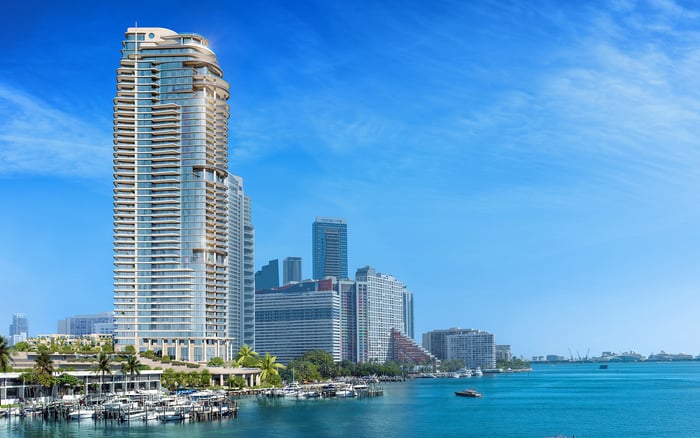
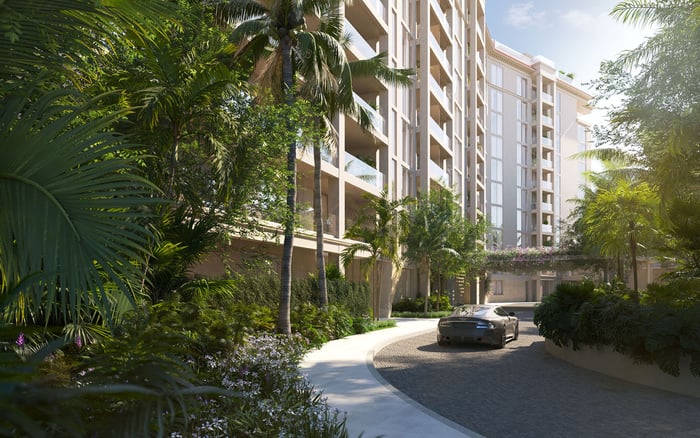
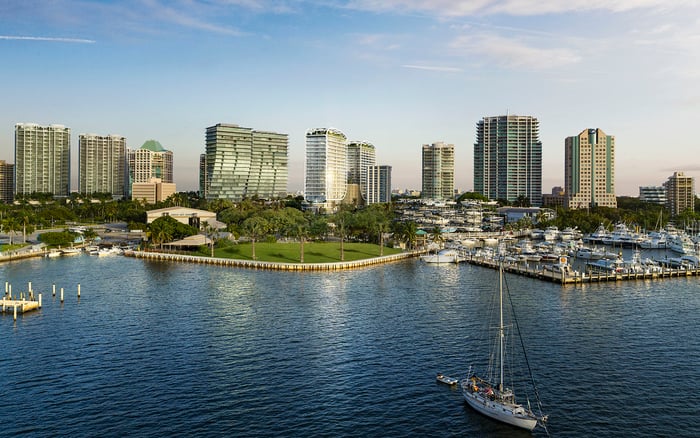
A discreet buyer’s guide for Houston residents weighing Miami Beach and greater South Florida, with a focus on walkability, privacy, building character, and daily ease.
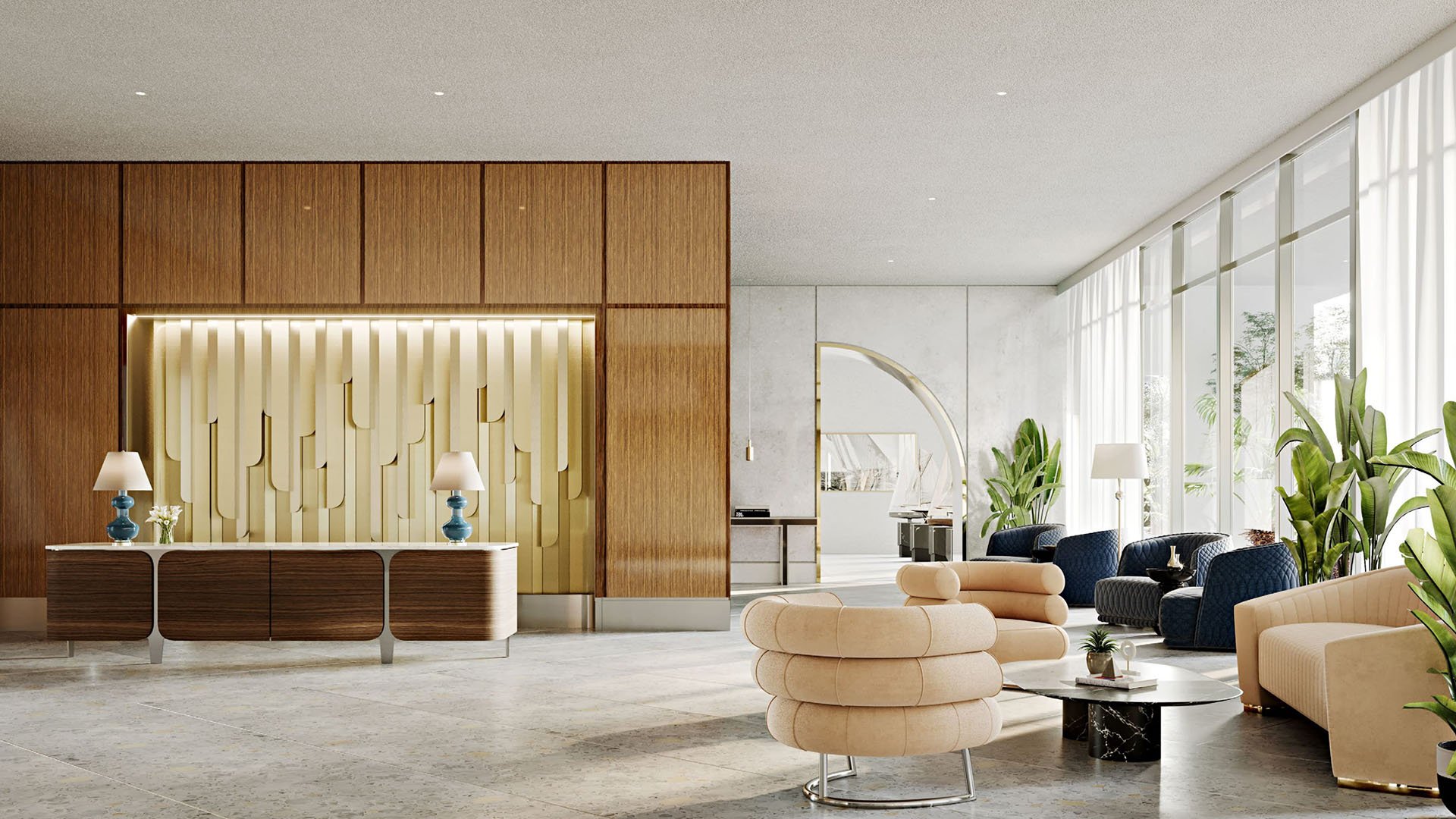
For a Houston buyer considering Miami Beach or the broader South Florida coastline, walkability is rarely about abandoning the car. It is about deciding which parts of life should feel effortless: morning coffee, the beach path, the school drop-off rhythm, the private club, the marina, the restaurant you can reach without planning, and the quiet return home. Those details matter more than any generic definition of convenience.
The mistake is to choose an address because it sounds lively, only to discover that the home itself feels exposed. In South Florida, the most successful luxury purchase often sits at the edge of energy rather than at its center. The goal is not maximum foot traffic. It is a refined daily radius with a controlled sense of retreat.
A walkability search should begin with a personal map. Mark the places you expect to use three or more times a week, then test whether each route feels gracious in heat, rain, evening light, and weekend congestion. A five-minute walk can feel elegant on a shaded residential street and draining along a service-heavy corridor. Privacy is not only what happens inside the residence. It begins at the sidewalk.
Luxury buyers often ask for privacy as if it were one amenity. In practice, it is a sequence of thresholds: street to porte cochere, lobby to elevator, elevator to residence, terrace to view corridor, bedroom wing to entertaining space. The more intentional each threshold feels, the easier it is to live near restaurants, parks, sand, or shops without feeling observed.
In a condominium, consider how many residences share an elevator bank, whether arrivals feel discreet, and whether staff circulation is separated from resident movement. In a single-family home, study hedge depth, gate placement, motor court geometry, neighboring sightlines, and how outdoor living areas are screened. Waterfront property adds another layer: the view is an amenity, but exposure from boats, bridges, or promenades can change the feeling of seclusion.
This is where Waterfront living becomes nuanced. A broad bay view can feel serene, while a highly trafficked waterfront edge can feel less private than expected. Similarly, a home several blocks from the water may offer superior calm if its approach, landscaping, and surrounding streets are more residential.
Miami Beach rewards precision. Some buyers want immediate beach access and a resort-like rhythm. Others want a quieter residential pocket, with dining and wellness close enough to enjoy but not close enough to dominate the lobby experience. The right answer depends on how often you entertain, how sensitive you are to seasonal traffic, and whether you prefer oceanfront drama or a more tucked-away residential cadence.
For buyers who want the beach to be part of daily life, buildings such as The Perigon Miami Beach illustrate the appeal of pairing a high-design residential environment with coastal proximity. The key is to evaluate not only the view, but also the arrival. Does the building feel calm when the neighborhood is active? Are common areas arranged for residents rather than spectacle? Does the residence allow a guest-forward entertaining plan while keeping the primary suite private?
Miami Beach can be exceptionally livable when the home is chosen with restraint. Look for streets that let you enjoy the island without placing your front door at the center of its busiest moments.
Brickell is the clearest option for buyers who want urban access, restaurants, fitness, offices, and services close at hand. The tradeoff is density. A private life in Brickell is possible, but it depends on building design more than neighborhood quiet. The residence must compensate for the intensity below.
At 2200 Brickell, the appeal for a walkability-minded buyer is the ability to live in a connected district while still prioritizing the internal experience of home. In this type of setting, buyers should pay particular attention to elevator structure, amenity placement, lobby scale, acoustic separation, and whether terraces feel usable rather than decorative.
Brickell is strongest for those who define privacy as vertical separation. You may trade a leafy approach for a secure, elevated residence with a highly serviced daily routine. For some Houston buyers, that shift feels liberating. For others, it may feel too public at the ground level. The only way to know is to tour during the hours you would actually arrive home.
Coconut Grove offers a softer version of walkability. The attraction is not only proximity to restaurants or the bay, but the feeling of moving through a neighborhood with mature landscaping, smaller streets, and a more residential temperament. It suits buyers who want daily access without the hard edge of a high-density urban core.
Projects such as Four Seasons Residences Coconut Grove speak to buyers who want service, design, and neighborhood character in the same decision. The Grove can work especially well for those who entertain privately, value outdoor rooms, and prefer a quieter return home after dinner.
Still, not every Grove address feels the same. Some locations sit closer to village activity, while others feel more removed. The best choice depends on whether your ideal walk is a daily ritual or an occasional pleasure. If privacy is the higher priority, choose the calmer street and accept a slightly longer stroll.
Surfside and Bal Harbour often appeal to buyers who want the benefits of a compact coastal lifestyle without the full intensity of Miami Beach. The rhythm can feel more residential, especially for those who prioritize beach access, refined retail proximity, and a lower-key evening atmosphere.
In Surfside, The Delmore Surfside represents the kind of consideration buyers often bring to this market: how to enjoy an intimate coastal setting while preserving a sense of personal space. In Bal Harbour, Rivage Bal Harbour aligns with the desire for a polished environment near luxury conveniences, yet away from the busiest entertainment corridors.
For this corridor, study the building’s relationship to neighboring towers, pedestrian paths, garage entry, and beach access. A quieter municipality does not automatically guarantee a private residence. The details still matter.
First, walk the neighborhood at three times: morning, late afternoon, and evening. Privacy changes with light, traffic, valet activity, and restaurant hours. Second, test the route you will use most often, not the route presented on a tour. Third, stand on the terrace and look sideways, not just outward. Lateral sightlines often reveal more than the primary view.
Fourth, ask how guests arrive. A home that feels private for owners can feel awkward if visitors move through busy shared spaces. Fifth, consider service access. Package rooms, housekeeping routes, pet circulation, and garage design all shape daily comfort. Sixth, compare the emotional difference between a slightly less walkable home on a calmer street and a more convenient home with a more public entry.
For a South Florida buyer, the most valuable insight is that walkability and privacy are not opposites. They are variables to balance. Miami Beach may offer the strongest beach lifestyle. Brickell may provide the most urban convenience. Coconut Grove may deliver the most textured neighborhood feel. Surfside and Bal Harbour may offer a more composed coastal pace. The right home is the one where your public life is close and your private life remains intact.
Should a Houston buyer prioritize Miami Beach first? Miami Beach is a strong starting point if beach access and island living are central to the move. If privacy is the priority, compare it with Coconut Grove, Surfside, and Bal Harbour.
Can Brickell feel private enough for a luxury buyer? Yes, if the building handles arrival, elevators, acoustics, and amenity flow with restraint. Privacy in Brickell is usually vertical rather than street-level.
Is walkability more important than waterfront exposure? Not always. A less walkable home with a calmer Waterfront setting may feel more luxurious than a busier address with every convenience nearby.
What should I look for during a private showing? Study the arrival sequence, elevator sharing, terrace sightlines, garage access, and the sound level inside the residence.
How do I compare a condo with a single-family home? Condos often offer service and lock-and-leave ease, while single-family homes may provide deeper control over landscaping, gates, and outdoor privacy.
Is Coconut Grove a good compromise? Coconut Grove can be an elegant midpoint for buyers who want neighborhood walkability, shade, dining, and a more residential atmosphere.
Does a quieter neighborhood always mean more privacy? No. Building placement, neighboring views, lobby design, and pedestrian patterns can matter as much as the neighborhood name.
How many times should I visit before deciding? Visit at different hours and on different days if possible. The same block can feel very different during morning routines and evening arrivals.
Are Surfside and Bal Harbour better for discretion? They can be, particularly for buyers seeking a compact coastal rhythm. The specific building and exposure still determine the lived experience.
What is the best way to shortlist comparable options for touring? Start with location fit, delivery status, and daily lifestyle priorities, then compare stacks and elevations to validate views and privacy.
When you're ready to tour or underwrite the options, connect with MILLION.
If branded residences are on your mind — as a home or as an allocation — we would be glad to share what we are seeing, privately.
Begin a quiet conversation