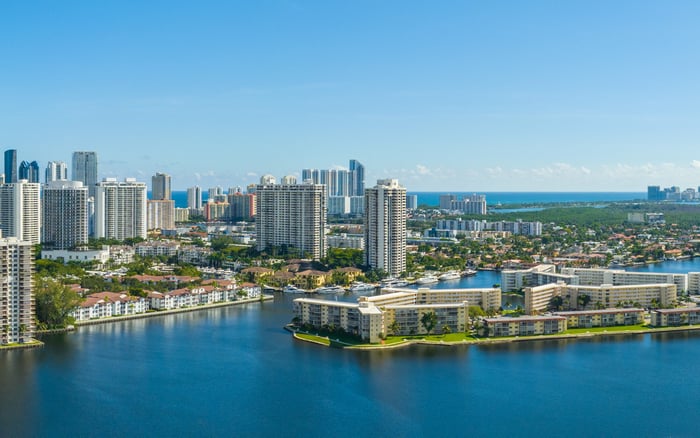
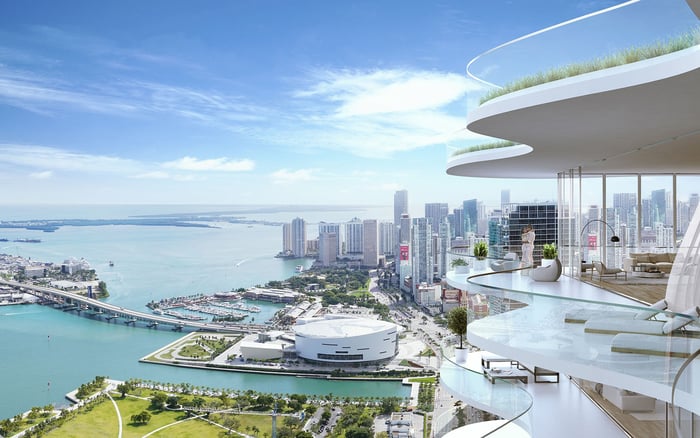
Aventura buyers should treat marina access as a disciplined ownership strategy, not a decorative amenity. The strongest purchase analysis begins with the boat, then tests slip rights, daily logistics, association rules, operating costs, and resale appeal against the residence itself.

For a buyer considering Aventura, a serious marina strategy should begin well before the showing. The question is not simply whether a residence feels close to the water, or whether a dock looks appealing in photographs. The sharper question is whether the boating experience, legal structure, daily routine, and long-term resale logic all support the way the buyer intends to live.
In the upper tier of South Florida real estate, marina access can be emotionally powerful. It suggests privacy, ease, movement, and a life that begins at the waterline. Yet the most sophisticated buyers treat it less as romance and more as infrastructure. A waterfront residence can be exceptional, but only if the water component is practical, protected, and aligned with the asset.
That is especially important in Aventura, where buyers may compare marina-oriented living with high-service condominium lifestyles, private residences, and nearby coastal alternatives. A project such as Avenia Aventura may enter the conversation because buyers want to understand how Aventura fits into a broader residential strategy, not because one amenity should decide the purchase alone.
The first mistake is evaluating the residence before defining the vessel. A buyer should begin with the boat’s length, beam, draft, height, boarding needs, and preferred cruising pattern. The residence may be beautiful, but if the marina environment does not fit the boat, the ownership experience will be compromised.
A boat slip is valuable only when its rights, dimensions, and transferability are clear. Buyers should ask whether the slip is deeded, assigned, leased, separately licensed, or subject to association approval. Each structure can affect financing, insurance, future saleability, and the ease with which the owner can upgrade or change vessels.
The smartest buyers also consider how they will actually board and use the boat. Is the path from residence to dock intuitive? Is loading discreet and convenient? Can guests arrive without creating friction with building security or valet operations? In luxury property, small transitions often determine whether an amenity becomes part of daily life or remains aspirational.
Marina value is never just physical. It is governed by documents, policies, and practical management. Before giving credit to any boating feature, buyers should review the association documents, marina rules, transfer provisions, use restrictions, guest policies, maintenance obligations, and any approval process tied to vessel ownership.
The key is to understand who controls access and under what conditions. A marina that appears private may still carry operating rules that limit use. A slip that seems convenient may not be transferable in the way a future buyer expects. A dock that feels suitable during a calm showing may require specialized maintenance, insurance, or service arrangements over time.
This is where a buyer’s advisory team matters. Real estate counsel, insurance professionals, marine surveyors, and property managers can each identify different risks. The goal is not to overcomplicate the purchase. It is to prevent the buyer from assigning premium value to a feature that is less controllable than it appears.
Aventura buyers often focus on view lines, finishes, arrival sequence, and building service. For marina-oriented purchases, they should apply the same scrutiny to the water routine. The daily experience should be mapped from residence to elevator, lobby, garage, storage, dock, and departure.
A strong marina strategy asks practical questions. Where are lines, fenders, coolers, and water toys stored? How is provisioning handled? Are there service providers who can access the vessel efficiently? Is there a place for guests to wait comfortably? Does the building culture welcome boating activity, or does it treat it as an inconvenience?
This analysis should also include weather, seasonal usage, and maintenance rhythm. The owner who uses a boat frequently will value different features than the owner who wants the option of occasional weekends. Neither approach is inherently better. What matters is that the residence and marina environment match the owner’s actual behavior.
Aventura should be evaluated on its own merits, but not in isolation. Buyers considering a marina strategy may also look at North Miami, Sunny Isles Beach, Bay Harbor Islands, Hallandale Beach, Fort Lauderdale, or other waterfront submarkets. Each area can offer a different balance of water access, privacy, architecture, service, and lifestyle.
A buyer who wants a broader comparison might study One Park Tower by Turnberry North Miami as part of a nearby waterfront conversation, then compare the feeling of Aventura with coastal towers such as Bentley Residences Sunny Isles. The point is not to rank them abstractly. The point is to understand whether the buyer wants marina utility, ocean proximity, a vertical resort lifestyle, or a quieter residential cadence.
Bayfront alternatives can also sharpen the decision. For some buyers, a residence such as Onda Bay Harbor may help frame the difference between a boating-centric purchase and a water-view purchase. Those are not the same thesis. One is about active use. The other may be more about atmosphere, outlook, and design.
A serious buyer should avoid treating marina access as a vague premium. Instead, the marina component should be isolated and tested. How much of the purchase price is being justified by boating convenience? Would the residence still be compelling without it? Would a future buyer understand and value the same feature?
The answer depends on clarity. Documented rights, practical access, strong management, and compatible vessel conditions can support value. Ambiguity can weaken it. If the marina feature cannot be clearly explained, transferred, or used as intended, it should not carry the same weight in negotiations.
This does not mean buyers should be so clinical that they miss the pleasure of waterfront ownership. It means the pleasure should be durable. In the best cases, the home, the dock, the service culture, and the owner’s boating life feel seamless. In weaker cases, the marina is a beautiful complication.
The Buyer's Guides framework for Aventura should include a marina diligence checklist before contract, not after. Buyers should request all applicable association and marina documents, confirm the exact rights tied to any slip, review insurance implications, inspect the dock condition, and understand whether outside marine vendors are permitted.
They should also compare monthly and occasional costs. Marina-related ownership can involve maintenance, utilities, cleaning, service coordination, insurance, and replacement reserves. None of these items needs to be intimidating, but they do need to be visible. Luxury buyers are rarely surprised by cost when that cost is clearly connected to convenience and quality.
Finally, buyers should consider exit strategy. A marina feature should broaden the buyer pool, not narrow it through uncertainty. If the rights are clean and the lifestyle is coherent, it can become a meaningful differentiator. If the feature is difficult to explain, it may become a negotiation point later.
Should marina access be a primary reason to buy in Aventura? It can be, but only if the access fits the buyer’s vessel, daily routine, legal expectations, and resale plan.
Is a deeded slip always better than an assigned slip? Not automatically. The better structure is the one that is clear, transferable, financeable if needed, and compatible with the buyer’s use.
What should buyers review before valuing a boat slip? They should review governing documents, marina rules, transfer rights, insurance obligations, maintenance responsibilities, and vessel restrictions.
Can a beautiful waterfront view replace true marina utility? No. A view is an aesthetic benefit, while marina utility depends on access, rights, management, and the ability to use a vessel efficiently.
Who should be involved in marina due diligence? Buyers often benefit from counsel, an insurance advisor, a marine surveyor, and a property manager familiar with waterfront operations.
Should non-boaters pay a premium for marina access? Only if the feature is likely to support future resale or if the buyer expects to become an active boater during ownership.
What daily details matter most for boat owners? Storage, loading, guest access, vendor access, dock condition, security, and the path from residence to vessel all matter.
How should buyers compare Aventura with Sunny Isles or Bay Harbor? They should compare lifestyle first, then water access, privacy, service expectations, building culture, and long-term liquidity.
Can marina rules change after purchase? Rules may evolve through association or marina governance, so buyers should understand the approval structure and amendment process.
When should a buyer walk away from a marina-oriented purchase? If the rights are unclear, the vessel does not fit, or the marina component cannot be priced confidently, restraint is often prudent.
To compare the best-fit options with clarity, connect with MILLION.
If branded residences are on your mind — as a home or as an allocation — we would be glad to share what we are seeing, privately.
Begin a quiet conversation