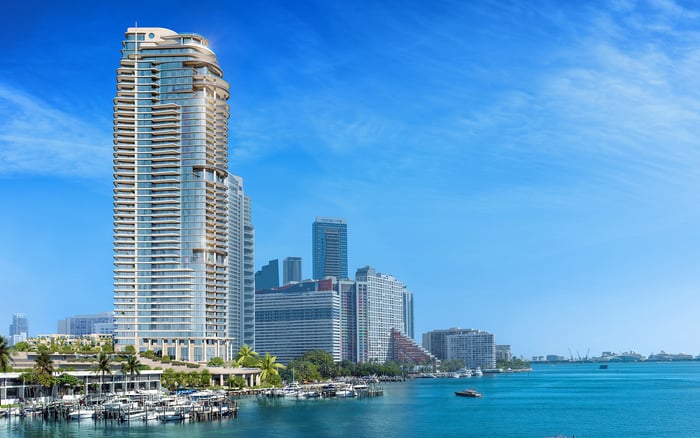
A discreet guide for Geneva-based and globally minded buyers evaluating boutique residences across Miami’s most refined neighborhoods, from Brickell to Miami Beach, Coconut Grove, and Bal Harbour.
For a buyer arriving from Geneva, the question is rarely whether Miami can deliver beauty. It can. The more important question is whether a residence can deliver calm, privacy, intuitive service, and a daily rhythm that feels composed rather than performative. A true boutique residence is not defined by scale alone. It is defined by how the building receives you, how quietly it operates, how governance is handled, and how well it preserves the feeling of being at home.
Miami requires a different lens than Geneva. The climate changes the role of terraces, views, materials, and arrival. The social geography is also more varied. A buyer may want weekday proximity to finance, dining, and private aviation, while still requiring a weekend mood that feels coastal, discreet, and restorative. That is why the strongest search begins not with a skyline preference, but with a precise understanding of how the residence will be used.
The most successful international buyers begin with a written brief. Will the home be a primary base, a seasonal residence, or a lock-and-leave pied-à-terre? Will staff visit regularly? Will family members arrive independently? Is the priority sunrise, sunset, privacy from neighboring towers, walkability, marina access, beach proximity, or an easy drive to schools and clubs?
These questions are not decorative. They determine whether a smaller building will feel serene or under-serviced, whether a larger amenity platform will feel convenient or too public, and whether an oceanfront address is preferable to a bayfront or urban setting. Geneva buyers often value order, predictability, and understated quality. In Miami, those values can be found, but they must be actively tested in the floor plan, building culture, service model, and neighborhood cadence.
Brickell is the natural reference point for buyers who want proximity to Miami’s business, dining, and high-rise waterfront energy. It suits those seeking an efficient urban base rather than a purely resort-like address. The right Brickell residence should balance access with retreat: a private arrival sequence, elevators that feel controlled, and a floor plan that gives the living areas distance from the city below.
For a Geneva buyer who expects polished service and a recognizable hospitality standard, St. Regis® Residences Brickell may enter the conversation as an example of the branded-residence direction in the district. The key is to evaluate not only the name, but the lived experience: how guests are received, where deliveries flow, how residents circulate, and whether the home remains quiet when the neighborhood is fully awake.
Miami Beach appeals to buyers who want the emotional clarity of ocean air, a softer wardrobe, and days organized around wellness, dining, and the water. Yet Miami Beach is not a single mood. Some addresses feel social and highly visible; others feel more residential, architectural, and private. For a buyer coming from Geneva, the distinction matters.
A residence such as The Perigon Miami Beach can be considered in the context of this search because it places the buyer within the Miami Beach lifestyle conversation without requiring a purely transient mindset. The test is whether the building supports both entertaining and withdrawal. In practice, that means studying exposure, terrace usability, valet flow, service protocols, and the degree to which the home feels protected from seasonal intensity.
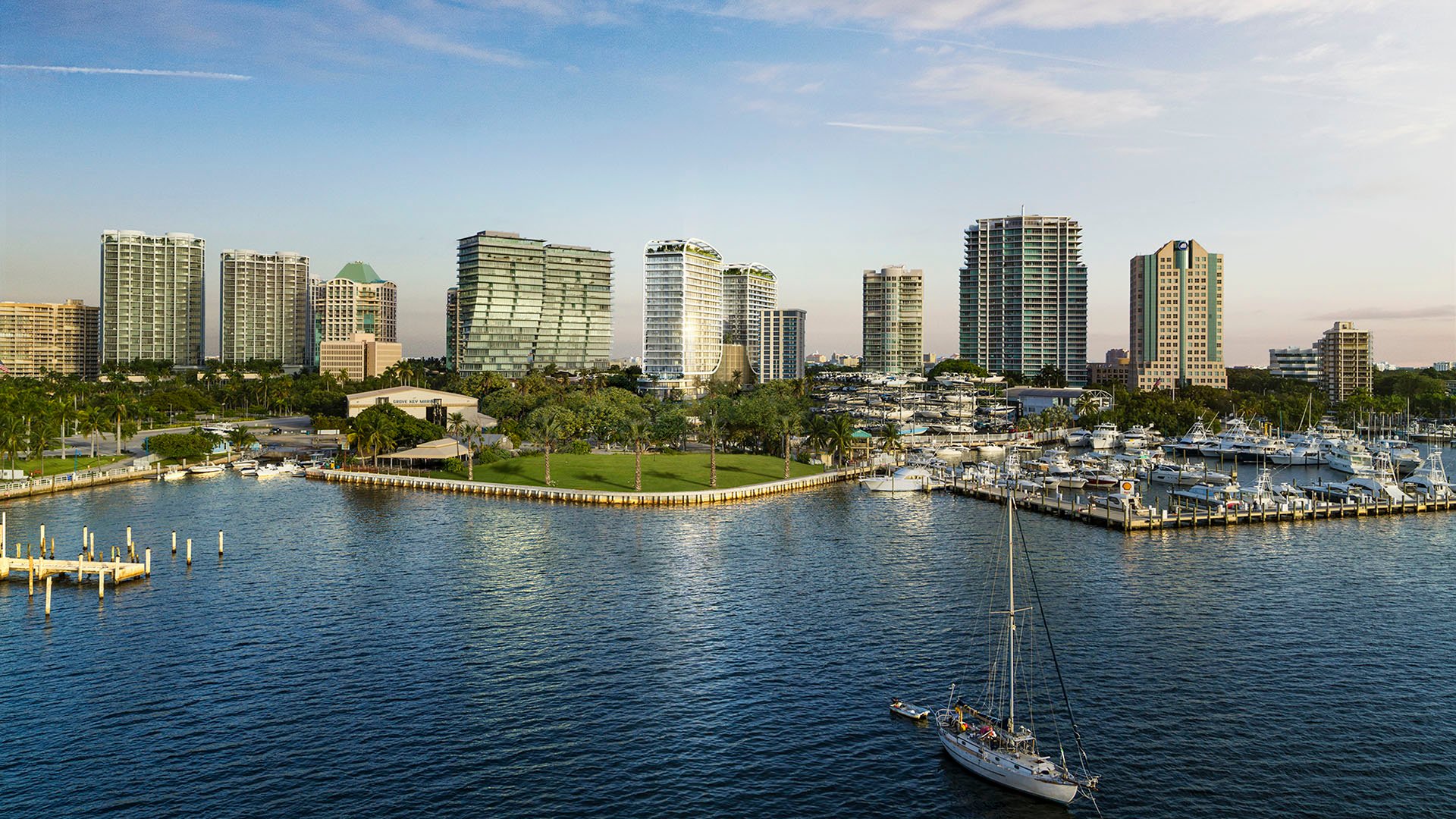
Coconut Grove often resonates with buyers who want Miami without surrendering to constant spectacle. Its appeal is more textured: mature streets, a village atmosphere, waterfront access in parts of the neighborhood, and a calmer residential sensibility. For buyers who already understand the value of privacy, Coconut Grove can feel like a natural bridge between international refinement and South Florida ease.
In this context, Four Seasons Residences Coconut Grove may be relevant for buyers who want a recognized service language in a neighborhood with a more relaxed posture. Others may look toward smaller-scale offerings where the architecture and community feel less formal. The decision should be guided by how much service the buyer wants on site, how often the home will be occupied, and whether the neighborhood’s quieter rhythm is a feature or a limitation.
Bal Harbour and nearby Surfside speak to buyers who want the oceanfront lifestyle with a more contained sense of place. This is a different proposition from a downtown tower or a highly social beach address. It is about controlled access, refined retail and dining nearby, and the feeling of being slightly removed from the city’s louder circuits.
For the buyer who prioritizes architecture, privacy, and coastal presence, Rivage Bal Harbour belongs in the broader discussion of Bal Harbour living. In Surfside, The Delmore Surfside may also be part of a discreet shortlist for those weighing a quieter oceanfront setting. The buyer should compare each address not only by view, but by approach, lobby scale, building density, and how the surrounding streets feel at different times of day.
The word boutique is sometimes used loosely, but sophisticated buyers should apply a stricter standard. A boutique residence should offer proportionality. The number of homes, staff, amenity spaces, and elevators should feel aligned. If the building is too small for the level of service promised, the experience can feel stretched. If it is too amenity-heavy for the number of residents, the offering may feel theatrical rather than intimate.
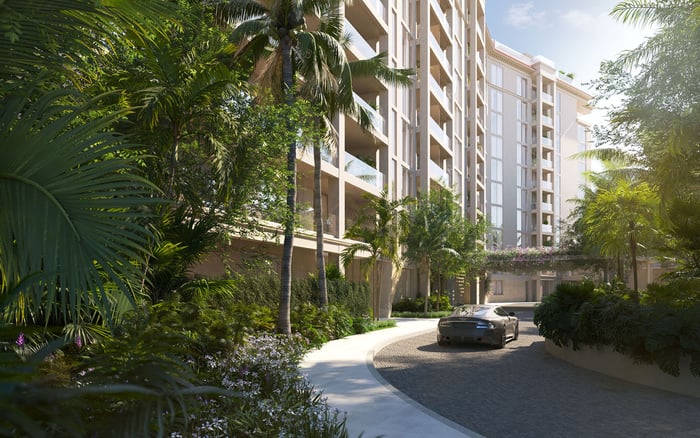
Study the arrival sequence first. A good residence begins before the front door, with security, valet, covered entry, guest management, and package handling. Then study the vertical experience: elevator privacy, corridor length, and how directly one moves from arrival to residence. Finally, study the plan itself. Flow-through layouts, deep terraces, protected primary suites, and separation between entertaining and private rooms can matter as much as finishes.
Waterfront living is one of Miami’s great luxuries, but not every water view lives the same way. A buyer should consider glare, heat, privacy, balcony depth, wind, and how rooms perform from morning to evening. The best view is not always the widest. Sometimes the superior residence is the one with a calmer exposure, better furniture placement, and a more usable outdoor room.
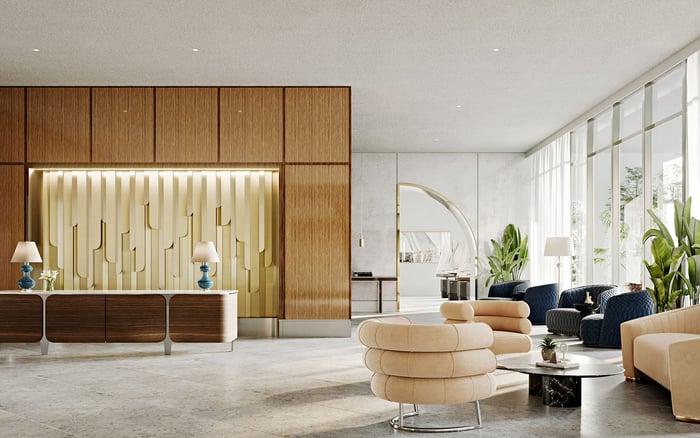
For buyers accustomed to refined European interiors, the Miami question is also material discipline. Sun, salt air, and humidity reward durable elegance. Stone, wood, glass, millwork, and outdoor fabrics should be evaluated for longevity, not just visual impact. A residence that photographs beautifully but feels difficult to maintain will not satisfy a buyer who values ease.
A boutique building should be reviewed like a private club as much as a physical asset. Governance, house rules, rental policies, pet policies, guest access, staff protocols, reserves, insurance, and maintenance culture all affect long-term enjoyment. These details may feel less glamorous than a terrace view, but they often determine whether the residence remains a pleasure after closing.
International buyers should also think carefully about lock-and-leave confidence. When the residence is vacant, who notices an issue? How are vendors admitted? How are storms, deliveries, maintenance appointments, and owner preferences handled? The right building makes absence feel manageable. The wrong one turns distance into friction.
A Geneva-to-Miami move, whether seasonal or permanent, should not feel like a compromise between discipline and pleasure. The best boutique residence offers both: privacy without isolation, service without intrusion, design without excess, and a neighborhood that matches the buyer’s real routine.
Before choosing, visit at different hours. Arrive once as a resident would, and once as a guest would. Stand on the terrace in full sun. Walk the immediate neighborhood. Ask how the building behaves when occupied, when quiet, and when the city is in season. A residence is not only a view or a brand. It is a daily system, and for the most discerning buyers, the system must disappear elegantly into the background.
What should a Geneva buyer prioritize first in Miami? Start with lifestyle use: primary home, seasonal base, or lock-and-leave residence. That decision shapes the right neighborhood, service level, and building scale.
Is a boutique residence always a smaller building? Not necessarily. Boutique is better understood as a feeling of privacy, proportion, and service discipline rather than a strict unit count.
Which Miami areas suit privacy-minded buyers? Miami Beach, Coconut Grove, Bal Harbour, Surfside, and select Brickell addresses can all work, depending on the buyer’s desired rhythm and access needs.
Why is arrival sequence so important? Arrival determines the tone of daily life. Valet, security, lobby scale, and elevator flow can either preserve privacy or make the home feel too public.
Should international buyers favor branded residences? A brand can offer service familiarity, but it should never replace due diligence. The buyer should still study governance, privacy, floor plans, and operating standards.
How should a buyer compare oceanfront and bayfront residences? Compare exposure, terrace usability, privacy, and daily comfort. The most dramatic view is not always the most livable one.
What makes a floor plan feel refined? Clear separation between entertaining and private rooms, strong natural light, outdoor usability, and intuitive circulation all contribute to refinement.
Are amenities the main reason to choose a building? Amenities matter, but they should feel proportionate to the building. Oversized amenity programs can feel less private if they are not well managed.
What due diligence is especially important for boutique buildings? Review rules, reserves, insurance, maintenance culture, rental policies, and vendor access. These details shape the long-term ownership experience.
When is the right time to shortlist residences? Shortlist once the buyer has defined use, neighborhood preference, service expectations, and privacy requirements. A disciplined brief makes every tour more productive.
If you'd like a private walkthrough and a curated shortlist, connect with MILLION.
If branded residences are on your mind — as a home or as an allocation — we would be glad to share what we are seeing, privately.
Begin a quiet conversation