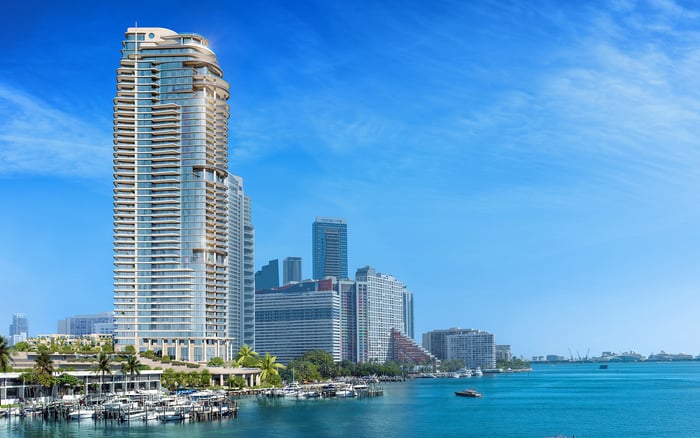
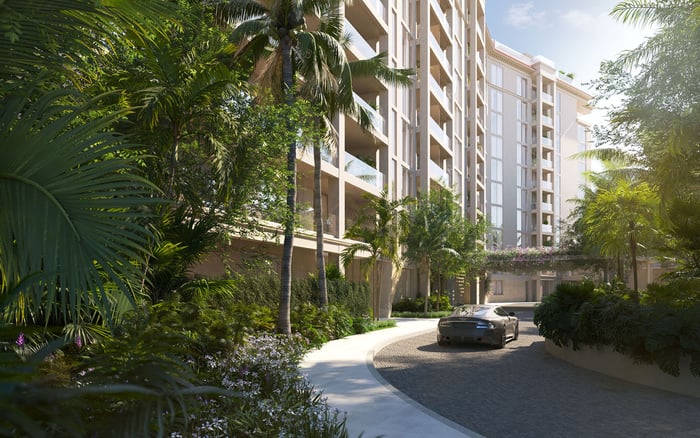
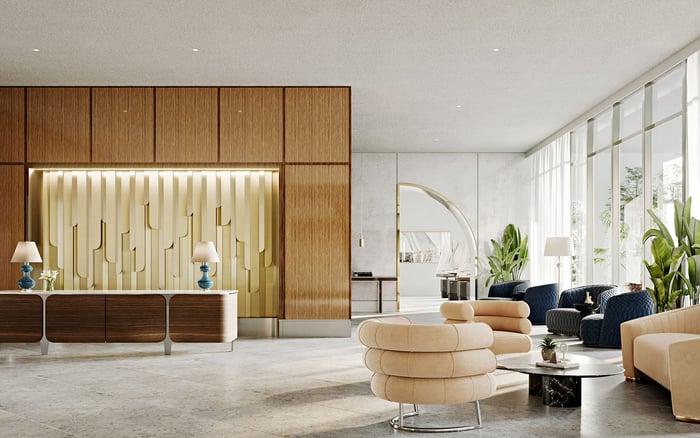
A discreet buyer’s guide for Chicago owners considering Surfside and nearby South Florida residences, focused on amenity depth, privacy, daily rhythm, and avoiding a resort atmosphere.
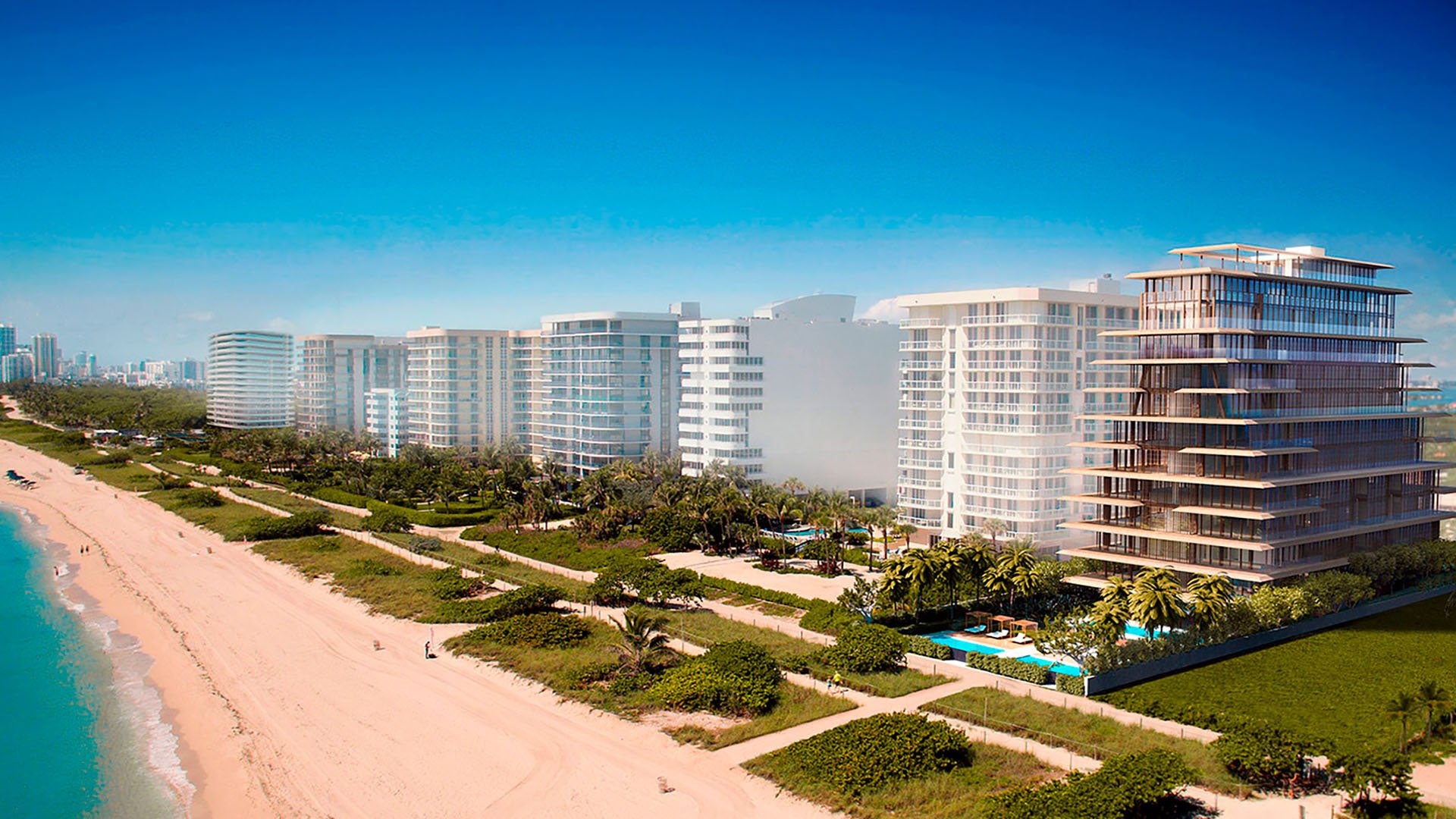
For a Chicago owner considering Surfside, the question is rarely whether South Florida can offer more amenities. It can. The sharper question is whether those amenities will improve daily life without making the building feel like a hotel, club, or vacation compound. That distinction matters, especially for buyers who already understand full-service residential living and are not looking to trade privacy for spectacle.
Amenity depth is not amenity quantity. A deep amenity program has layers: arrival, valet, security, wellness, pool, dining support, guest handling, delivery flow, pet logistics, beach or bay access, and quiet places to retreat. A resort feeling usually appears when those layers become too visible, too programmed, or too public in mood. The best South Florida residences make service feel available, not performative.
For many Chicago-to-Surfside buyers, the goal is a warmer, easier version of a primary residence. It should support family weekends, visiting children, business calls, quiet mornings, and longer seasonal stays. It should not ask the owner to navigate crowds, music, peak-hour pool congestion, or a social calendar that follows them to the elevator.
Surfside appeals because it offers a residential coastal rhythm rather than a purely entertainment-driven one. The ocean orientation and proximity to nearby South Florida dining, shopping, and culture create a setting where buyers can preserve a quieter home base. That is the nuance many relocating buyers miss when they compare buildings by renderings alone.
In Surfside, the most important amenity may be restraint. A building can have meaningful service and still feel private when circulation is intuitive, staff presence is calm, and resident spaces are proportioned for actual use rather than photography. When touring The Delmore Surfside or considering nearby options such as Ocean House Surfside, the better question is not “what does the building have?” It is “how will this feel on a Tuesday morning, after the first season has passed?”
That question is especially useful for buyers who already have a refined sense of service. They know when a lobby feels elegant rather than theatrical. They notice whether valet is seamless or congested. They understand that privacy is a design outcome, not simply a promise.
Before looking at floor plans, define what amenity depth means for your household. For one buyer, it may be wellness, a proper gym, recovery spaces, and calm outdoor areas. For another, it may be discreet food and beverage support, guest suites, dog-friendly routines, and staff coordination. For a family, it may be the ability to host without turning the residence into the central logistics hub.
Separate amenities into three categories. First are daily essentials, the things you will use several times a week. Second are seasonal enhancers, such as pools, beach service, entertaining areas, and guest accommodations. Third are impressive but rarely used features. The first category should drive the purchase. The third should never justify a compromise in privacy, floor plan, light, or view.
This is where a buyer’s guide mindset becomes valuable. A residence can be richly amenitized and still not suit a particular owner. Conversely, a more Boutique building can feel far more luxurious if the amenities it does offer are quiet, accessible, and maintained with consistency.
The resort feeling often begins at arrival. If the driveway is constantly active, the lobby feels like a lounge, or the pool deck operates as the emotional center of the property, the home may feel less private over time. For some buyers, that energy is appealing. For the Chicago owner seeking serenity, it can become tiring.
Look for layered circulation. Can residents move from valet to elevator without crossing the most social spaces? Are service routes discreet? Is the wellness area positioned for real use rather than display? Does the pool have zones for quiet and shade? Are guests welcomed without making the building feel transient? These details determine whether amenity depth supports home life or competes with it.
Beach access, in practical terms, should feel effortless but controlled. The best experience is not simply being near the sand. It is being able to move from residence to beach and back with minimal friction, clean transitions, and a sense that staff support is present without becoming the centerpiece.
Surfside is not the only answer for a Chicago buyer. It is often the answer for someone who wants Waterfront calm, ocean proximity, and a more residential pace. Nearby areas may be better depending on work patterns, school needs, social habits, or preferred restaurant access.
A buyer who wants the Surfside mood with a private-club aura may include The Surf Club Four Seasons Surfside in the conversation. A buyer who wants more urban verticality and immediate city energy may compare that feeling with The Residences at 1428 Brickell. Someone drawn to a greener, wellness-oriented daily rhythm may also look toward Coconut Grove, where The Well Coconut Grove gives the comparison a different residential lens.
The point is not to rank neighborhoods by prestige. It is to understand operating tempo. Brickell can feel efficient and metropolitan. Coconut Grove can feel softer and more gardened. Surfside can feel coastal and composed. The right answer depends on whether your South Florida life is centered on business, family, boating, beach, wellness, or quiet retreat.
A polished sales presentation can show amenities, but it cannot fully reveal behavior. Visit at different times if possible. Morning, late afternoon, and weekend conditions can feel distinct. Listen for sound transfer in common areas. Watch how elevators are used. Observe whether residents linger comfortably or whether spaces feel staged. Notice if staff greet residents by rhythm rather than performance.
Also test the path of ordinary life. Where do packages go? How does a guest arrive? What happens when children or grandchildren visit? Is there a place for a private call outside the residence? Can you use the gym without feeling observed? Does the pool deck still feel calm when several families are present? These questions are less glamorous than finishes, but they shape ownership.
Lifestyle should be evaluated through repetition. If you imagine using an amenity weekly, it deserves serious attention. If you imagine using it only when guests visit, treat it as secondary. In South Florida, the terrace, view, arrival sequence, and privacy often matter more than the longest amenity menu.
For the Chicago buyer, the strongest South Florida home is usually not the loudest one. It is the residence where service is felt before it is seen, where amenities are deep enough to remove friction, and where the building still respects the private rituals of home.
Surfside is especially compelling when that balance is the priority. It can offer proximity without intensity, coastal beauty without constant theater, and enough amenity depth to make seasonal or full-time living feel easy. The buyer’s task is to distinguish between convenience and programming, between hospitality and performance, between a private residence and a resort wearing residential clothing.
Choose the building that will still feel composed after the novelty fades. That is where long-term luxury lives.
What does amenity depth mean in a luxury residence? It means the amenities support daily life across service, wellness, arrival, guests, outdoor living, and privacy rather than existing only as headline features.
Why might a Chicago buyer prefer Surfside? Surfside can offer a calmer coastal rhythm while keeping access to the broader Miami Beach and Bal Harbour lifestyle nearby.
How can I tell if a building will feel too resort-like? Pay attention to arrival energy, pool atmosphere, lobby behavior, guest flow, music, programming, and whether common areas feel public or residential.
Should I prioritize the longest amenity list? No. Prioritize the amenities you will use often, then weigh them against privacy, layout, view, service quality, and ease of ownership.
Is a Boutique building less luxurious? Not necessarily. A Boutique residence can feel more luxurious when its services are discreet, uncrowded, and tailored to resident life.
How important is Beach access in Surfside? It is important when it is easy, controlled, and well integrated into the building’s daily operations rather than simply close by.
Should I compare Surfside with Brickell or Coconut Grove? Yes. Comparing different neighborhood rhythms helps clarify whether you want coastal calm, urban convenience, or a greener residential setting.
What should I observe during a property tour? Watch circulation, elevator use, valet flow, staff demeanor, pool density, guest handling, and how quiet the building feels in practice.
Can a highly serviced building still feel private? Yes. The key is whether service is discreetly organized, with resident circulation and amenity spaces designed to avoid unnecessary exposure.
What is the best overall rule for choosing? Choose the residence whose amenities reduce friction while preserving the feeling of a private home.
For a confidential assessment and a building-by-building shortlist, connect with MILLION.
If branded residences are on your mind — as a home or as an allocation — we would be glad to share what we are seeing, privately.
Begin a quiet conversation