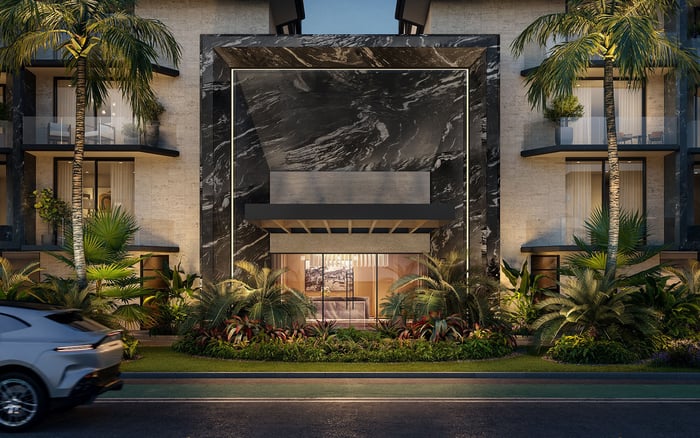
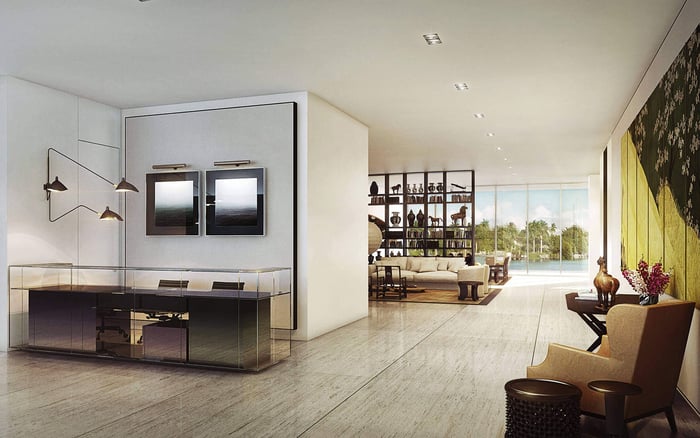
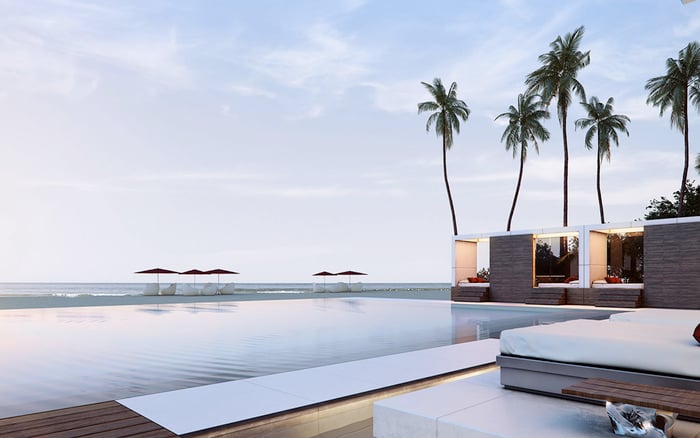
La Baia North is not a turnkey art vault, but it offers a compelling waterfront residential platform for collectors who intend to engineer climate, security, handling, and insurance requirements into a private Bay Harbor Islands home.
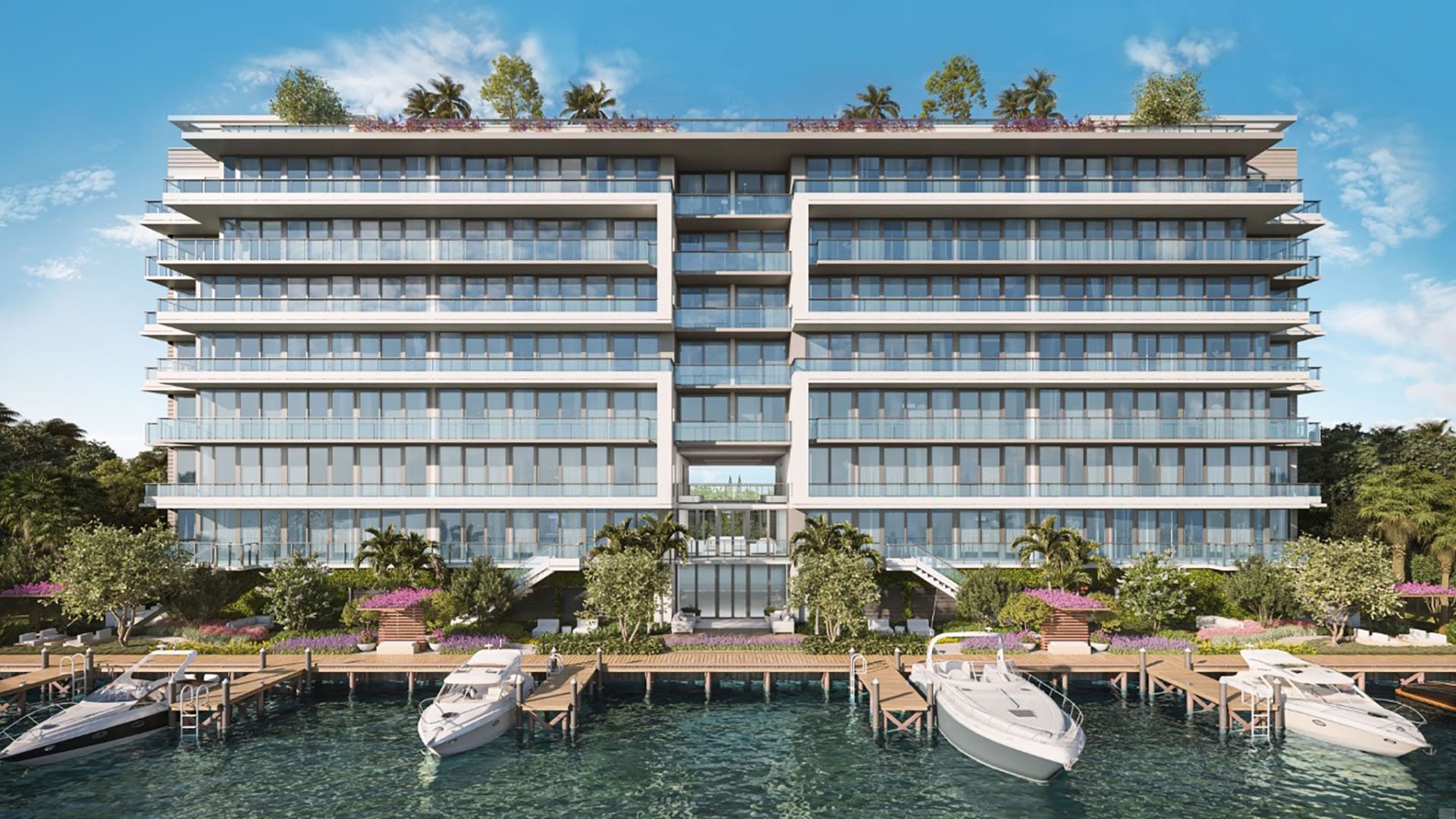
The best residences for serious collectors are rarely judged by spectacle alone. They are judged by control: control over temperature, humidity, access, movement, privacy, and the daily rhythm of a home that may also shelter valuable works. That is why La Baia North Bay Harbor Islands deserves attention from buyers who are not looking for a public-facing gallery, but for a private waterfront condominium that may be adaptable to collector-grade art-care planning.
The key word is adaptable. La Baia North should not be framed as a museum vault, a freeport, or a purpose-built storage facility. It is a luxury residential condominium in North Bay Harbor Islands. Its relevance for collectors lies in the combination of new-construction residential infrastructure, boutique scale, and a quieter island setting that can potentially support customized decisions around art custody inside a private home.
For buyers building a Bay Harbor shortlist, that distinction matters. A residence can be deeply compelling for a collector without claiming to replace institutional storage. The more sophisticated question is whether the unit, building environment, and ownership structure can support the systems a collector will specify after expert due diligence.
Many collectors want to live with their works. Blue-chip contemporary pieces, vintage photography, design objects, and works on paper can be central to the atmosphere of a home, not hidden in a remote storage environment. La Baia North fits that conversation because it is positioned as a luxury waterfront condominium in a low-density residential context, rather than a high-traffic vertical resort.
That boutique format may appeal to buyers who value discretion. Fewer daily touchpoints can be desirable when a home contains sensitive objects, especially when compared with larger towers where service movement, guest traffic, and amenity circulation can feel more intense. This is not a guarantee of art-grade performance; it is an advantage for buyers to investigate.
The North Bay Harbor Islands setting also has a clear lifestyle logic. It offers a quieter residential base while keeping owners connected to Miami’s broader cultural and art ecosystem. For collectors who divide time between private dinners, studio visits, advisory meetings, and seasonal events, the location can feel practical without feeling exposed.
Nearby boutique and waterfront alternatives, including Alana Bay Harbor Islands and Onda Bay Harbor, can help buyers understand how the area’s residential inventory compares in tone. La Baia North’s relevance is less about claiming the loudest amenity story and more about whether its private-residence format can be engineered around the way a collector actually lives.
Collector-grade art storage is not a marketing phrase. It is a technical standard of care that touches mechanical systems, interior planning, security, object movement, and insurance. At La Baia North, the most important due diligence is unit-level: what can be specified, upgraded, monitored, and documented inside the residence itself.
HVAC stability is the first issue. Serious collectors should understand whether a chosen residence can maintain a consistent interior environment suitable for the objects they intend to display or store. Humidity control is equally important, particularly for works on paper, photography, certain mixed-media works, and delicate design pieces. The conversation should move beyond general comfort cooling into stability, redundancy, and monitoring.
Backup power strategy belongs on the same checklist. A residence used for high-value art custody should be evaluated for how critical systems can continue to perform during interruptions. Buyers should not assume that building-level systems automatically solve unit-level art-care requirements. They should ask what is provided, what can be added, and what must be separately engineered.
Security should also be layered, not treated as a single feature. The relevant questions include access control, private-area protocols, in-residence monitoring, safe arrival and removal of objects, and how service visits are managed. The goal is not theatrical security. The goal is quiet predictability.
This is where La Baia North must be evaluated with precision. A luxury condominium can provide a strong residential platform, but it is not automatically an institutional storage product. Dedicated art-storage facilities are designed around custody, conservation, logistics, and insurance documentation. A private condominium is designed first as a home.
That does not weaken the argument for La Baia North. It clarifies it. The project belongs on the shortlist because it may allow the right buyer, design team, art advisor, insurance specialist, and mechanical consultant to create a residence with art-sensitive systems. The value is in the platform and the potential for customization, not in assuming a turnkey vault already exists.
This matters especially for buyers comparing Bay Harbor Islands with larger luxury corridors. A collector considering Bay Harbor Towers or wellness-oriented options such as The Well Bay Harbor Islands should ask the same question across every property: what part of the art-care strategy is building-level, and what part must be solved within the unit?
For art-focused owners, the strongest approach is practical rather than romantic. Begin with the collection itself. Are the works primarily paintings, photography, sculpture, design objects, or works on paper? Are they displayed, stored, rotated seasonally, or moved frequently between residences? The answers shape the specifications.
Next, study the planned residence. Wall dimensions and ceiling heights matter for placement, but they are only the visible layer. Buyers should also examine mechanical performance, humidity management, blackout potential, lighting strategy, access routes, elevator use, service protocols, and the path an object takes from curbside arrival to final installation.
Insurance requirements should be addressed early. A carrier may require specific documentation, security measures, environmental controls, or object-handling standards. For a high-value collection, the residence should be planned with the insurance conversation in mind, not retrofitted after closing.
The new-construction advantage is that decisions may be easier to coordinate before a home is fully finished. Yet the opportunity is still due-diligence dependent. Buyers should confirm what can be customized, what requires approvals, and how any upgrades interact with building rules and warranties.
La Baia North’s appeal for art-sensitive buyers is not that it makes institutional storage unnecessary. The appeal is that it offers a refined residential canvas in a quieter waterfront setting, with boutique scale and a North Bay Harbor Islands address that can work for collectors who prefer private control over public display.
For the right buyer, that combination is compelling. A waterfront condominium can provide the emotional pleasure of living with meaningful work, while a carefully engineered interior can address the less glamorous but essential requirements of custody. Climate, humidity, power, security, handling, and insurance all remain buyer responsibilities to investigate.
The shortlist case is strongest for collectors who are prepared to treat the residence as a project of stewardship. La Baia North is not merely a place to hang art. It is a place that may be planned around the long-term care of art, if the buyer asks the right questions before committing.
Is La Baia North a dedicated art-storage facility? No. It is best understood as a luxury waterfront condominium that may support customized art-care planning after due diligence.
Why would an art collector consider La Baia North? Its boutique scale, new-construction context, and North Bay Harbor Islands setting may appeal to collectors seeking a quieter private residence.
What is the most important technical question for art storage? Buyers should start with HVAC stability and humidity control, then evaluate backup power, security, handling, and insurance requirements.
Can La Baia North replace a museum vault or freeport? It should not be assumed to replace institutional storage. It is a residential alternative that may be customized for private custody.
What types of collections may fit this residential approach? Blue-chip contemporary art, vintage photography, design objects, and works on paper may be suitable if proper systems are specified.
Does boutique scale matter for collectors? It can. Some collectors prefer lower-density residential environments with fewer daily touchpoints and a more discreet atmosphere.
Should buyers verify building-level systems? Yes. They should distinguish between what the building provides and what must be engineered inside the individual residence.
How should insurance be handled? Insurance requirements should be reviewed early, since coverage may depend on documented climate, security, and handling protocols.
Is the North Bay Harbor Islands location part of the appeal? Yes. It offers a quieter residential base while remaining connected to Miami’s broader art and design ecosystem.
What should a buyer do before committing? Engage art, mechanical, security, and insurance specialists to confirm whether the chosen residence can meet the collection’s needs.
If you'd like a private walkthrough and a curated shortlist, connect with MILLION.
If branded residences are on your mind — as a home or as an allocation — we would be glad to share what we are seeing, privately.
Begin a quiet conversation